

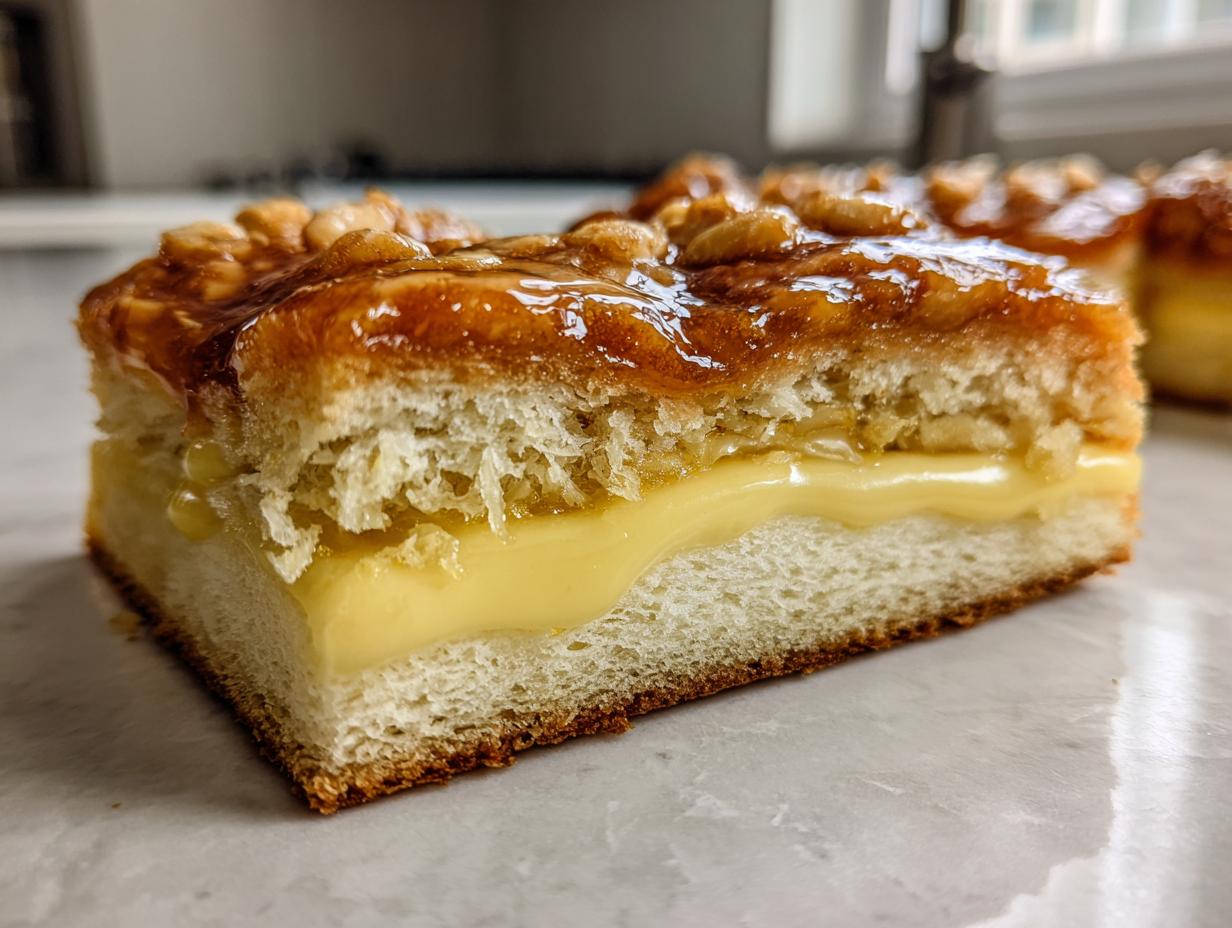
I’m going to let you in on a little secret: I firmly believe you don’t need a flight to Germany to enjoy the most incredible, bakery-style baking. Forget those flat, boring sheet cakes! We’re tackling the stunning bee sting cake today, known affectionately as Bienenstich. Wow, the texture on this cake is everything—that light, fluffy yeast dough holding up a rich vanilla custard, all crowned with a crunchy, addictive honey-almond topping.
I know what you’re thinking: yeast dough? Too scary! But Kate and I spent weeks perfecting this recipe, putting it through the wringer so you don’t have to worry. We break down every step so that this show-stopping bee sting cake comes out perfectly golden and utterly unforgettable. Trust me, the taste is worth every minute!
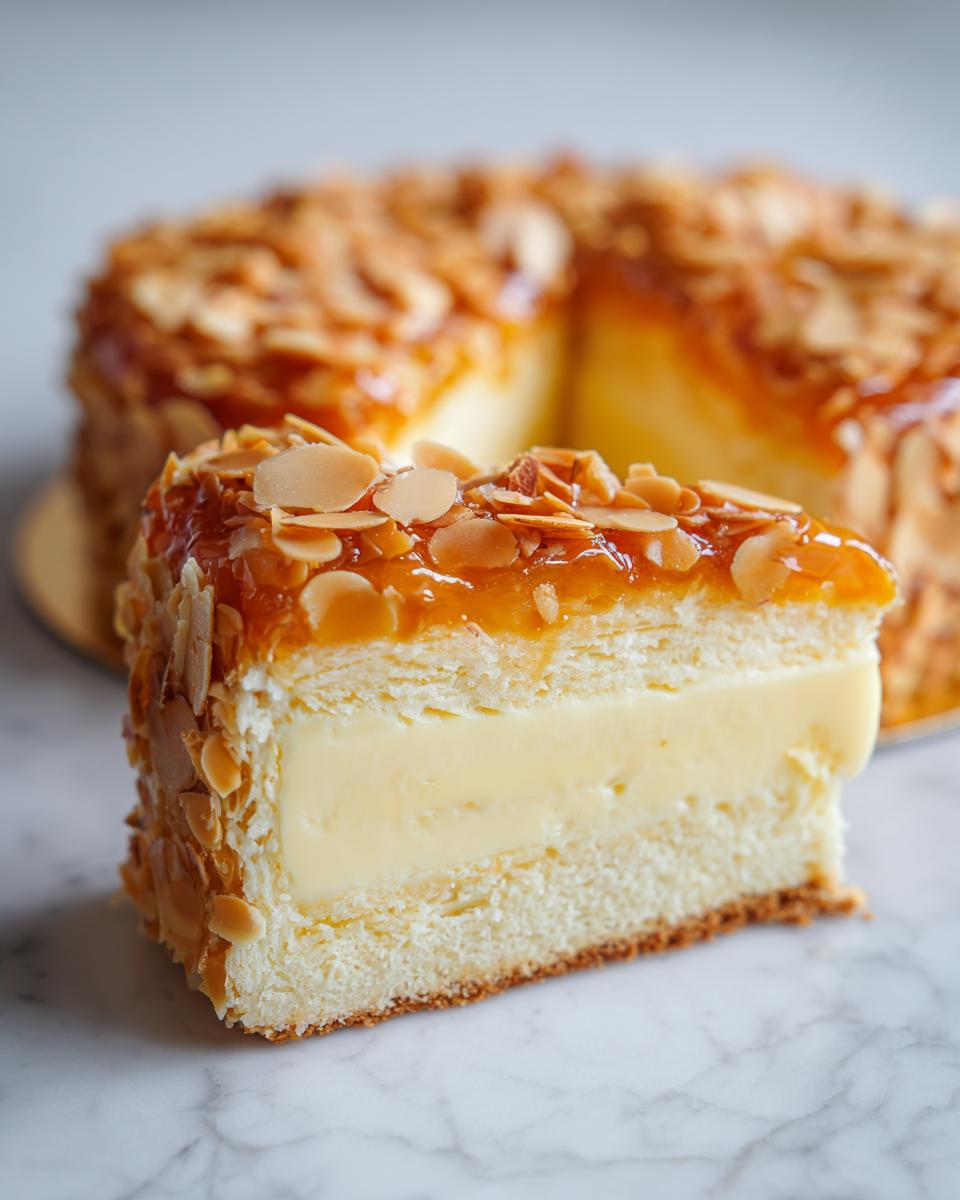
- Why This Authentic Bee Sting Cake Recipe Works for Home Bakers
- Ingredients for Your Classic Bee Sting Cake
- Step-by-Step Instructions for the Bee Sting Cake
- Tips for Baking the Best Bee Sting Cake Recipe
- Storage and Reheating Instructions for Bee Sting Cake
- Serving Suggestions for This Honey Almond Dessert
- Frequently Asked Questions About the Bee Sting Cake
- Estimated Nutritional Data for Bee Sting Cake
- Share Your Homemade Bee Sting Cake Experience
Why This Authentic Bee Sting Cake Recipe Works for Home Bakers
If you’ve shied away from making a classic bee sting cake before, I totally get it. But this recipe is designed to build your confidence! We nailed the balance here—super soft dough meets a dramatically crunchy topping. That contrast is what makes the Best Bee Sting Cake Recipe so famous.
I promise, the secret isn’t complicated technique; it’s about trusting the process and using quality ingredients. We’ve eliminated the guesswork so you can achieve that stunning European elegance right in your own kitchen.
Achieving the Perfect Yeast Cake Recipe Base
The yeast dough is the crucial foundation, and honestly, it’s simpler than you think! The biggest tip I can give you for any Yeast Cake Recipe is temperature control. Make sure your milk is genuinely warm—that sweet spot between warm bath water and hot—when you wake up the yeast. Room temperature eggs mix in much smoother too, preventing your dough from tearing when you knead that beautiful elasticity into it.
Ingredients for Your Classic Bee Sting Cake
Okay, let’s gather our tools! Since the bee sting cake is a three-part symphony—the base, the crunchy cap, and the velvety center—we have to be super organized with our ingredients. Getting these measurements and temperatures exactly right is how you guarantee that bakery-style perfection at home.
Don’t worry about fancy sourcing; everything here should come from your standard grocery run. Just pay close attention to the required preparations, like softening butter or chilling cream. That’s where the magic starts!
For the Yeast Dough Base
This is what gives our cake that signature light lift, so treat the yeast gently! You’ll need:
- 1 cup warm milk—and I mean 105 to 115°F, check it with a thermometer if you can!
- 2 1/4 teaspoons active dry yeast
- 1/4 cup granulated sugar, plus 1 extra teaspoon just for the yeast
- 2 1/2 cups all-purpose flour, plus a little bit extra for dusting later
- 1/2 teaspoon salt
- 1 large egg, make sure it’s truly at room temperature!
- 4 tablespoons unsalted butter, softened just right—not melted, soft!
For the Caramelized Almond Topping
This is the part that makes everyone take a second slice! We are making a true Caramelized Almond Topping that sets up beautifully:
- 1/2 cup sliced almonds—no slivered, use sliced!
- 1/4 cup honey
- 2 tablespoons heavy cream
- 2 tablespoons unsalted butter (for the topping, separate from what’s in the dough!)
- 1/4 cup packed light brown sugar
- You will also need about 2 tablespoons of water for thickening.
For the Vanilla Cream Filling Cake
This creamy center turns your yeast dough into a spectacular Custard Filled Cake. Remember, the cream must be cold for whipping later:
- 1 cup heavy cream, make sure this is very cold!
- 1/2 cup whole milk
- 1/4 cup granulated sugar
- 3 large egg yolks—save those whites for something else!
- 3 tablespoons cornstarch—this is our thickening agent
- 1 teaspoon vanilla extract—use the good stuff here, it really shines!
Step-by-Step Instructions for the Bee Sting Cake
Alright, let’s get into the action! Making this amazing bee sting cake really comes together when you knock out the components separately before putting them into that final, perfect layer cake structure. We need three phases: the dough, the crunchy cap, and the creamy filling. Trust me, tackling these one at a time, even though it looks like a lot, keeps everything manageable.
You’ll see below in the full recipe card how we start activating the yeast, let that dough rest twice, and then get it into the oven for that crucial partial bake before the topping ever touches it. That partial baking step is what separates a good Bienenstich from a great one! And for the filling, knowing that trick about the plastic wrap directly on the custard? That saves so much hassle later. If you’ve mastered my cinnamon crunch banana bread, you are ready for this challenge!
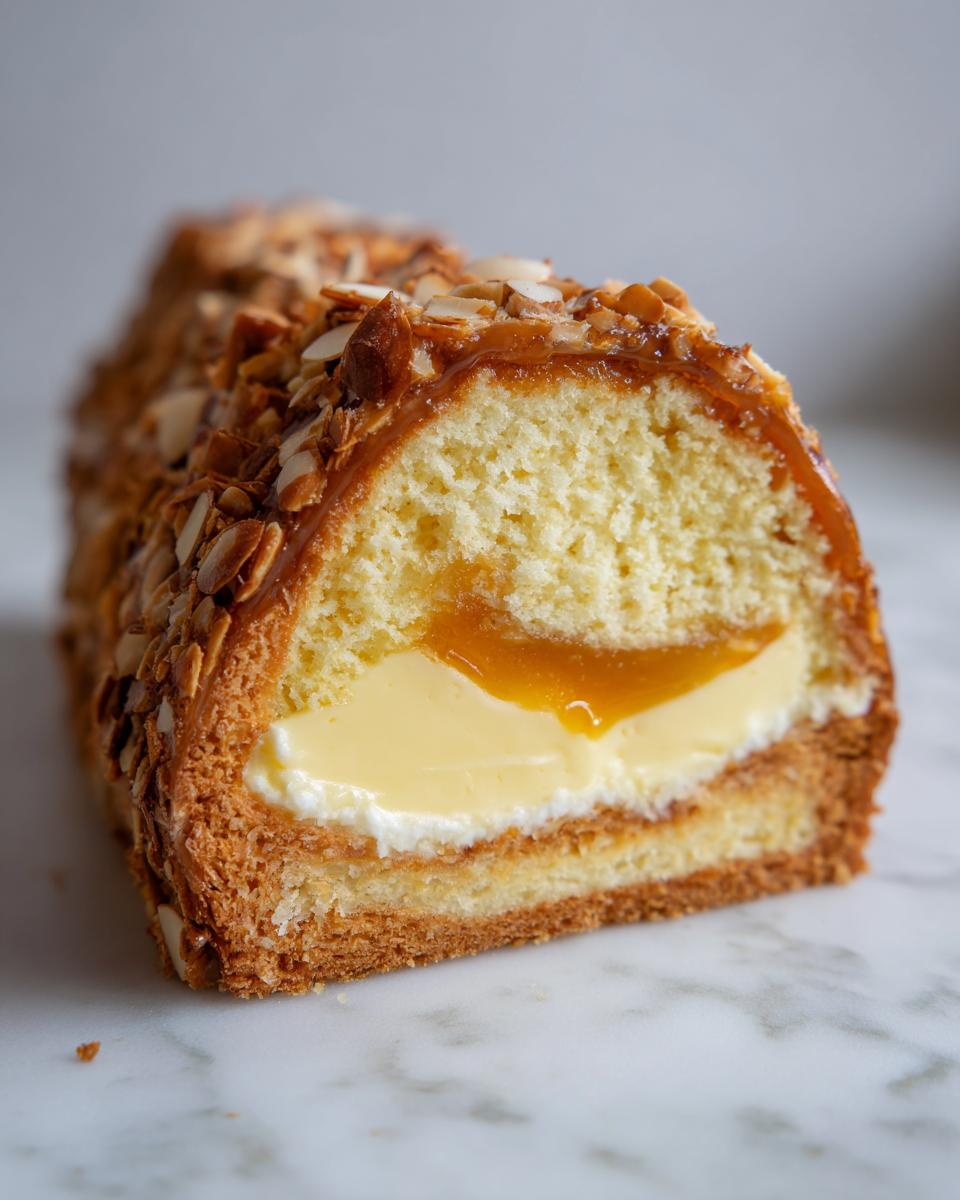
Once everything is cool, slicing the cake base and assembling the layers is pure joy. We’ll need a little patience at the end for chilling, but that final result is just stunning. You can find even more helpful tips over at Cheerful Cook if you get stuck!
Preparing and Rising the Yeast Dough for the Bee Sting Cake
This is where the magic of a good Yeast Cake Recipe begins! First, you need to see that yeast get foamy when you mix it with the warm milk and a pinch of sugar—if it doesn’t foam up, throw it out and start that step over; active yeast is non-negotiable! Once it’s happy, mix everything else in until you get a shaggy mess, and then get ready to work it.
You are kneading this until it’s super smooth and elastic—it should feel supple, not sticky or stiff. Then, let it rise in a warm spot until it doubles. After you punch it down and press it into your pan, give it a quick second rest before baking. It needs that time to get light and airy!
Making the Honey Almond Topping and Partial Baking
While that dough is doing its thing, get the topping going. You heat the honey, butter, cream, almonds, and brown sugar all together in a saucepan. You want it bubbly and slightly thickened—it’s going to smell heavenly! Careful when you stir this part; it gets sticky fast.
Here’s the critical bit for the ultimate crunch of your Honey Almond Dessert: you bake the dough base for about 15 minutes *by itself* first. This sets the bread structure. Then, pull it out, spread that gorgeous, bubbly topping evenly, and pop it back in. That second bake caramelizes the nuts perfectly without turning your dough into a brick!
Creating the Smooth Vanilla Cream Filling Cake
For the filling, which takes your cake to a whole new level of Vanilla Cream Filling Cake goodness, you’re making a cooked custard. Whisk those egg yolks, cornstarch, and sugar really well before adding any warmth. It’s all about eliminating lumps before they set!
You cook this mixture until it hits a rolling boil and gets thick—like thick pudding! Once it’s done, take it off the heat and immediately press plastic wrap right down onto the surface of the cream. I mean, squish it flat against the custard! If you skip this step, you get a rubbery skin that you’ll have to scrape off later, and nobody wants that frustration when making a Custard Filled Cake.
Assembling Your Traditional European Desserts Bee Sting Cake
Once that cake base is *completely* cool—and I mean stone cold, or the filling will weep right out—slice it right down the middle horizontally. Use a long serrated knife for a clean cut!
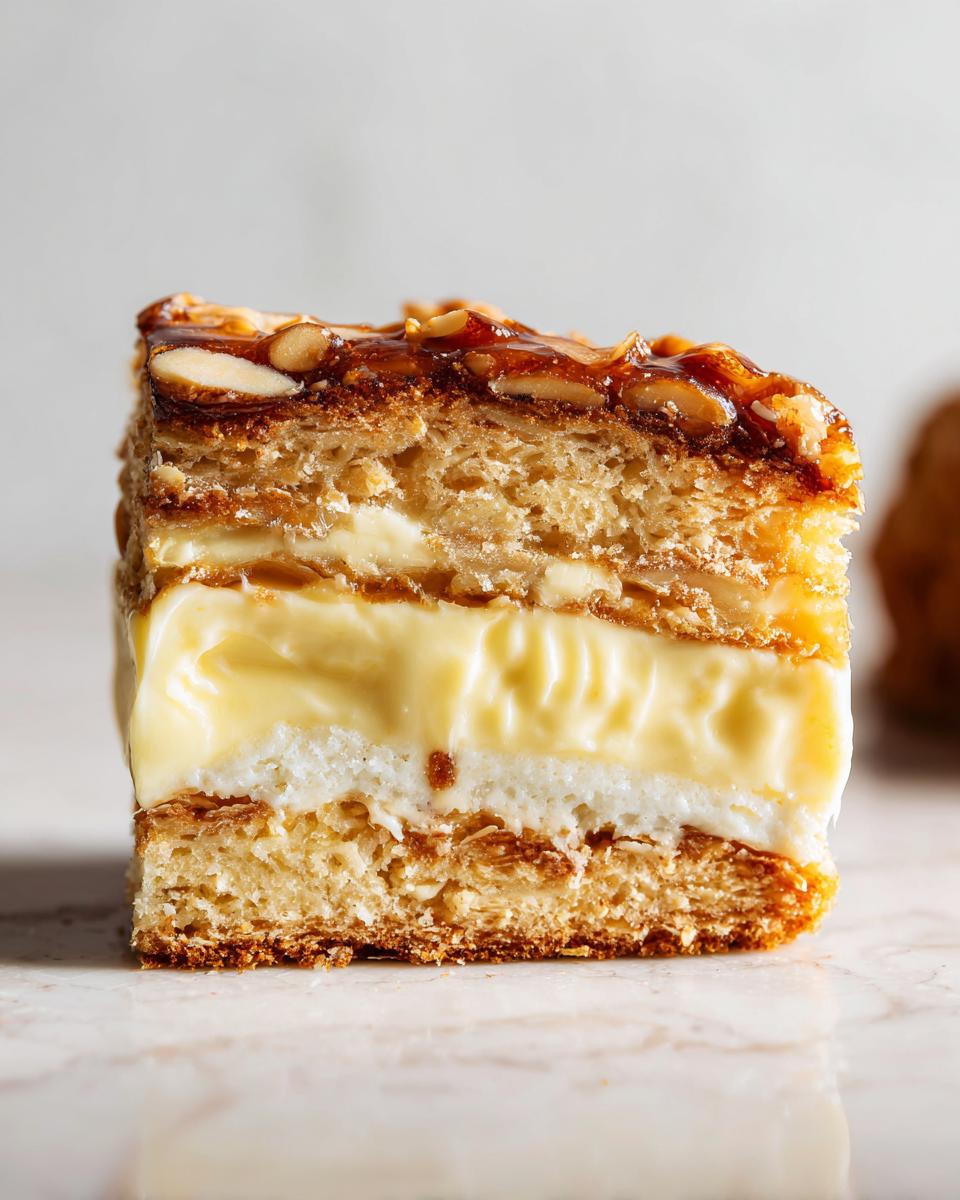
Next, take that chilled vanilla custard and spread it edge to edge on the bottom layer. Carefully place your top layer back on. Patience is the name of the game now. You absolutely must chill this assembled beauty for at least two hours before you try cutting it. This helps the cake settle and keeps the cream firm, ensuring those perfect slices everyone wants to take pictures of!
Tips for Baking the Best Bee Sting Cake Recipe
When you’re aiming for that authentic slice of Classic German Baking, a few small details make the biggest difference. I’ve learned these the hard way, so you don’t have to!
First up: ingredient temperature for the dough. I mentioned it before, but I’ll say it again—room temperature egg and soft butter are vital for that initial creaming step that builds air into the yeast dough. It just mixes so much better!
Second, when you are doing that two-stage bake, watch the first stage like a hawk. You only want the base to be *lightly* golden after those first 15 minutes. If you overbake it before the topping goes on, the center might end up dry once the topping is fully caramelized in the second stage. We want moist cake under that crunch!
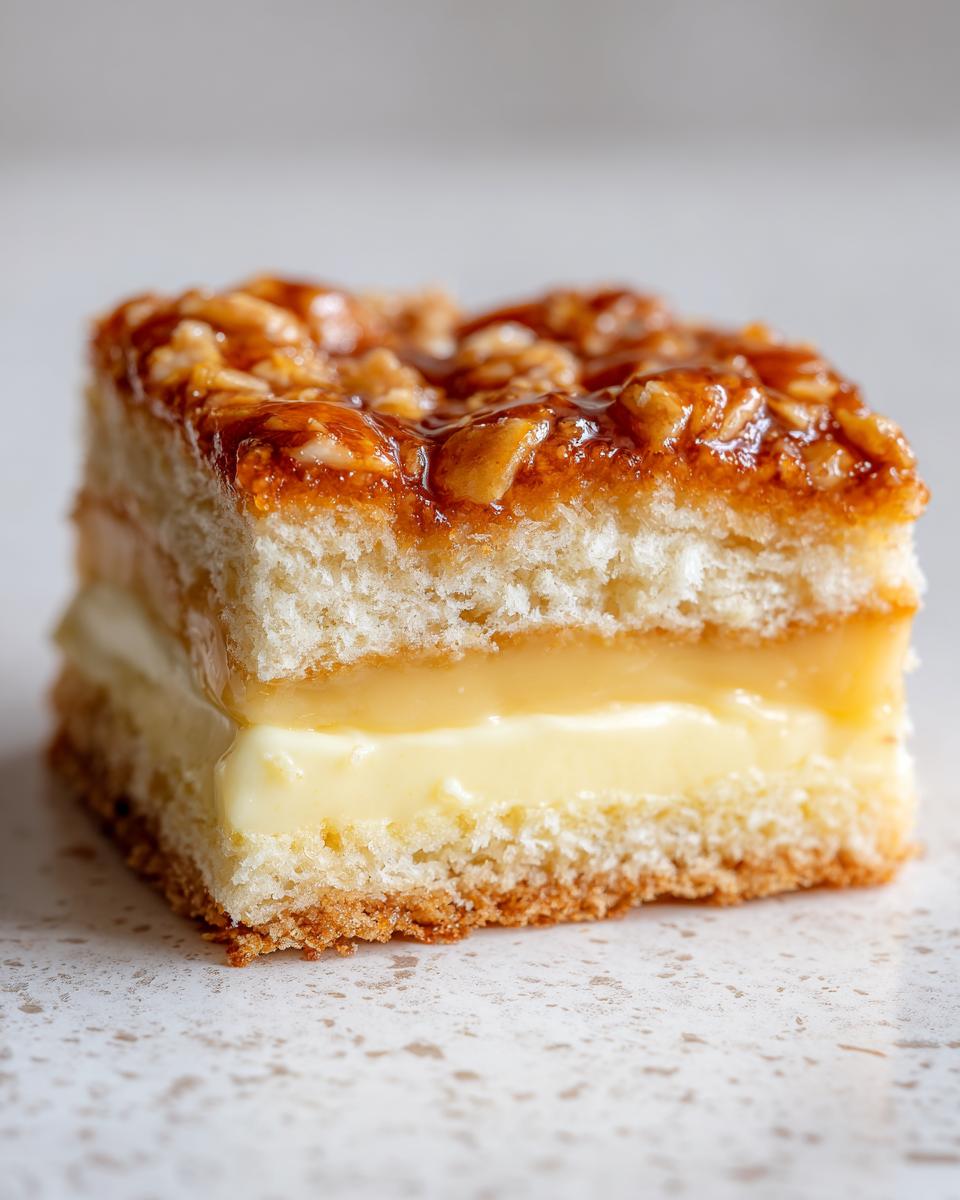
Finally, when you finish assembling the cake, please be patient with the final chill time. That vanilla custard needs time with those yeast layers so it can fully set up and absorb just a little bit of moisture from the cake base. Don’t rush that final refrigeration step if you want clean slices! For more killer tips on homemade European treats, check out this resource on German Bee Sting Cake recipes.
Storage and Reheating Instructions for Bee Sting Cake
So, you’ve made this magnificent bee sting cake, and now you have leftovers—which is great, because it tastes even better the next day! Because we used that beautiful, real vanilla custard filling, storage is really important here.
You absolutely must keep the assembled cake in the refrigerator. The custard needs that cold environment to stay firm and safe. Just wrap the cut sections tightly with plastic wrap, or better yet, store the slices in an airtight container. It will stay wonderfully fresh—and the crust will maintain most of its crunch—for about three to four days.
Now, about reheating. Please, please don’t try to microwave or heat up a slice of this cake. The caramel topping loves to melt and get gooey when heated, and the custard filling will break down and get runny. This cake is designed to be enjoyed slightly chilled or at cool room temperature. If it’s too cold straight from the fridge, let a slice sit out on the counter for about 20 minutes before you dig in!
Serving Suggestions for This Honey Almond Dessert
Now that you’ve mastered the art of the bee sting cake, the biggest question is: when do I serve it? Honestly, this cake deserves a moment in the spotlight!
Because of that incredible crunch from the caramelized topping combined with the light, cool cream, this Honey Almond Dessert is absolutely perfect for mid-afternoon coffee breaks. It’s a textbook Coffee Time Cake Idea. Serve a slice alongside a robust cup of coffee—that slight bitterness cuts through the sweet honey beautifully. Tea works just as well, especially a strong black tea!
Remember what I said about chilling? Serve it slightly chilled; that’s when the custard is firmest, and the topping has the best crackle. If you’re looking for a special, non-caffeinated pairing for the kids, you have to try this sparkling honey lemonade soda recipe! It complements the honey notes in the cake without being too heavy.
Frequently Asked Questions About the Bee Sting Cake
I always get so many questions when people see this recipe, usually because they’re nervous about using yeast or they are wondering why it’s called what it is! Let’s clear up the last few little worries you might have before you dive into your flour mixing.
What does ‘Bienenstich’ mean in English?
This is such a fun one! You’ll often see this recipe labeled under Traditional European Desserts, and the German name, Bienenstich, literally translates to “Bee Sting.” People think it’s named that because the yeast makes the cake rise like a little sting, but most people agree it’s because the caramelized honey-almond topping, when baked just right, looks a bit like a golden, bubbly bee sting!
Can I use store-bought pudding instead of making the Vanilla Cream Filling Cake from scratch?
Look, I’m all for making things easy, but for a true Vanilla Cream Filling Cake experience in the bee sting cake, you really need the cooked custard we make. Store-bought pudding usually uses stabilizers that don’t handle being sliced and chilled as nicely.
If you absolutely must substitute (though I advise against it for this Classic German Baking masterpiece), you could use a small box of vanilla instant pudding mix, but you’d need to thin it out quite a bit with milk since the homemade custard is much lighter. For the best result, stick to making the real custard!
If you are looking for a sparkling beverage to serve alongside this amazing Honey Almond Dessert, check out my recipe for Sparkling Honey Lemonade Soda! For more great baking advice on achieving perfect texture, take a peek at this guide on German Bee Sting Cake recipes.
Estimated Nutritional Data for Bee Sting Cake
Now, if you’re anything like me, you try not to think about the nutrition label too much when you’re biting into something this good, but I know some of you like to peek! Creating an authentic bee sting cake with that rich filling and buttery topping means it’s certainly a treat, not an everyday snack. We’re talking dessert royalty here!
These numbers are based on the recipe yielding 10 generous slices, but just remember that every brand of flour and honey you use can make things shift a little. This is our best guess for a slice of this **Classic German Baking** wonder:
- Serving Size: 1 slice
- Calories: 410
- Sugar: 35g (Yes, it’s sweet, but oh so worth it!)
- Sodium: 210mg
- Fat: 22g
- Saturated Fat: 11g
- Carbohydrates: 48g
- Protein: 7g
I always tell people that if you’re bringing this homemade German Cake Recipe to a party, you’ve done your job; the hosting duty is done! Just know that due to the real butter and the honey-almond topping, these figures are estimates. Enjoy every flavorful bite, because that’s what baking is all about!
Share Your Homemade Bee Sting Cake Experience
Whew! You did it! You took on the bee sting cake challenge, and I am so excited for you. Seeing your beautiful, crackly almond topping and knowing you mastered that tricky yeast dough is what makes all my recipe testing worthwhile.
I really, truly want to hear how it went! Did your yeast foam up on the first try? How crunchy did your topping get? Did your family devour that cool vanilla cream filling?
Please don’t be shy! Take a minute to leave a rating below—a happy 5 stars lets me know I nailed the instructions for this Bienenstich!
- Head over to the comments section and tell me all the details about your bake.
- If you took a picture, feel free to connect with me on social media so I can see your stunning results! (You can always find me if you need help or just want to chat more about food!)
Creating these Traditional European Desserts at home is so much more rewarding when we share the journey. Happy baking, and thank you for trusting this recipe in your kitchen!
PrintAuthentic German Bee Sting Cake (Bienenstich)
Make a traditional German Bee Sting Cake featuring a light yeast dough, creamy vanilla custard filling, and a crunchy, caramelized honey-almond topping. This recipe provides clear steps for a bakery-style European classic.
- Prep Time: 45 min
- Cook Time: 50 min
- Total Time: 145 min
- Yield: 10 servings 1x
- Category: Dessert
- Method: Baking
- Cuisine: German
- Diet: Vegetarian
Ingredients
- 1 cup warm milk (about 105-115°F)
- 2 1/4 teaspoons active dry yeast
- 1/4 cup granulated sugar, plus 1 teaspoon for yeast
- 2 1/2 cups all-purpose flour, plus more for dusting
- 1/2 teaspoon salt
- 1 large egg, room temperature
- 4 tablespoons unsalted butter, softened
- 1/2 cup sliced almonds
- 1/4 cup honey
- 2 tablespoons heavy cream
- 2 tablespoons unsalted butter (for topping)
- 1/4 cup packed light brown sugar
- 1 cup heavy cream, cold
- 1/2 cup whole milk
- 1/4 cup granulated sugar
- 3 large egg yolks
- 3 tablespoons cornstarch
- 1 teaspoon vanilla extract
Instructions
- Activate the yeast: In a small bowl, combine the warm milk, 1 teaspoon of sugar, and the yeast. Let it sit for 5 to 10 minutes until foamy.
- Prepare the dough: In a large bowl, whisk together the flour and salt. Add the yeast mixture, 1/4 cup sugar, and the egg. Mix until a shaggy dough forms.
- Knead the dough: Turn the dough onto a lightly floured surface and knead for 5 minutes. Add the softened butter and continue kneading until the dough is smooth and elastic, about 5 to 7 more minutes.
- First rise: Place the dough in a lightly oiled bowl, turning to coat. Cover and let it rise in a warm place until doubled in size, about 1 to 1.5 hours.
- Prepare the topping: While the dough rises, combine the sliced almonds, honey, 2 tablespoons heavy cream, 2 tablespoons butter, brown sugar, and 2 tablespoons of water in a small saucepan. Heat over medium heat, stirring constantly, until the mixture bubbles and thickens slightly, about 3 minutes. Remove from heat and set aside.
- Shape and second rise: Punch down the dough and press it into a greased 9-inch round cake pan. Cover and let it rise again for 30 minutes. Preheat your oven to 350°F (175°C).
- Bake the base: Bake the dough for 15 minutes until lightly golden. Remove from the oven and spread the honey-almond topping evenly over the partially baked cake. Return to the oven and bake for another 15 to 20 minutes until the topping is deep golden brown and caramelized. Let the cake cool completely on a wire rack.
- Make the custard filling: In a saucepan, whisk together the cold heavy cream, milk, 1/4 cup sugar, egg yolks, and cornstarch until smooth. Cook over medium heat, whisking constantly, until the mixture thickens significantly and comes to a boil. Boil for 1 minute, whisking. Remove from heat and stir in the vanilla extract.
- Cool the filling: Transfer the custard to a bowl, press plastic wrap directly onto the surface to prevent a skin from forming, and chill completely in the refrigerator.
- Assemble the cake: Once the cake base is cool, slice it horizontally into two equal layers. Spread the chilled vanilla custard evenly over the bottom layer. Place the top layer back on.
- Serve: Chill the assembled cake for at least 2 hours before slicing and serving.
Notes
- For the best texture, make sure the yeast is active before adding it to the flour mixture.
- Do not overbake the cake base before adding the topping, as it will continue to cook under the glaze.
- Use high-quality vanilla extract for the best flavor in the custard filling.
Nutrition
- Serving Size: 1 slice
- Calories: 410
- Sugar: 35g
- Sodium: 210mg
- Fat: 22g
- Saturated Fat: 11g
- Unsaturated Fat: 11g
- Trans Fat: 0.5g
- Carbohydrates: 48g
- Fiber: 1g
- Protein: 7g
- Cholesterol: 110mg