

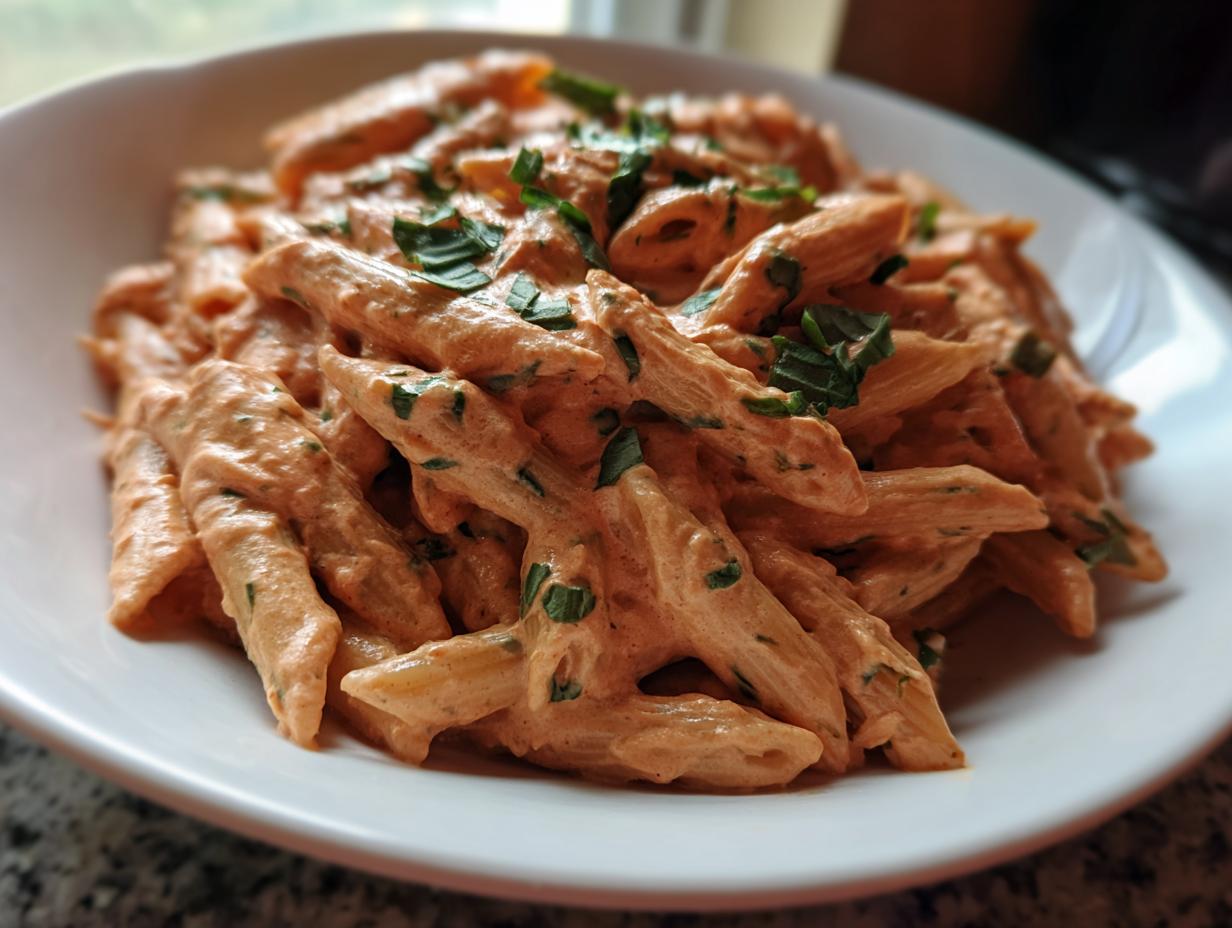
There’s just something about a bowl of perfectly creamy pasta that fixes everything, right? Whether you’re facing a Tuesday that feels like a Friday or you just need a little hug in a bowl, I have the answer: our pink sauce pasta. I know, you’ve probably seen it all over the internet, but trust me, ours is the version you’ll actually want to make when you’re tired.
Here at Taste This Plate, Kate Reilly’s whole philosophy is built around making sure you don’t need to be a fancy chef to get amazing results. You can read more about our mission over on the About Us page! This recipe is seriously simple—just pantry staples whisked together—and it’s been tested repeatedly in a real home kitchen so you know it works flawlessly, every single time. It’s the ultimate combination of rich tomato and smooth cream, making it your new favorite quick dinner.

- Why You Will Love This Easy Pink Sauce Pasta Recipe
- Essential Ingredients for the Best Pink Pasta Recipe
- How to Make Creamy Pink Sauce Pasta Step-by-Step
- Expert Tips for Perfect Pink Sauce Pasta Every Time
- Variations for Your Pink Sauce Pasta Dinner
- Serving Suggestions for Italian Pink Sauce Pasta
- Storing and Reheating Your Leftover Pink Sauce Pasta
- Frequently Asked Questions About Pink Sauce Pasta
- Share Your Ultimate Creamy & Easy Weeknight Pink Sauce Pasta
Why You Will Love This Easy Pink Sauce Pasta Recipe
I’m not exaggerating when I say this is going to become your go-to meal. Seriously, when I whipped this up last week, my husband asked what fancy sauce I bought! It’s all about hitting those texture points we need.
- It’s the Definition of a Weeknight Creamy Pasta Dinner: Seriously, we’re talking 30 minutes total, tops. You get all the flavor payoff with none of the fuss, which is exactly what I aim for on busy nights.
- That Luxurious Texture: Forget grainy sauces! This yields a rich and velvety pasta sauce that tastes like you spent hours simmering it on the stove. It just melts into whatever noodle you choose—penne, rigatoni, whatever!
- Simple, Accessible Ingredients: This isn’t one of those recipes that requires you to hunt down weird specialty items. If you have tomato sauce and heavy cream, you’re already halfway there. I love keeping the ingredients list short and sweet for maximum efficiency.
- Perfectly Balanced Flavor: It hits all the right notes—the little bit of acidity from the tomatoes cuts through the richness of the cream and cheese. It’s comforting, but still has that something special that keeps you going back for another bite.
- It Looks Fancy, But It’s Not: The blush color is gorgeous, and it honestly looks like something you’d order at a slightly upscale Italian spot. You’ll feel like a genius serving this up without breaking a sweat!
It checks every box for an easy, comforting meal, and that’s why I know you’ll bookmark it immediately.
Essential Ingredients for the Best Pink Pasta Recipe
When I first started messing around trying to nail down this tomato-cream combo—which is basically the secret behind any good salsa rosa pasta tutorial—I realized that ingredient quality matters so much, even for a quick recipe. This isn’t the time to skimp! Because we are aiming for this beautiful, rich flavor that still qualifies as a simple homemade pasta sauce, every item on this list plays a crucial role in achieving that perfect blush color and creamy coating.
Here is what you need for four servings. Don’t sweat it if you need to swap one or two things, though, I’ll cover the substitutions in a moment!
- 1 pound pasta (penne, rigatoni, or your choice)
- 1 tablespoon olive oil
- 3 cloves garlic, minced
- 1/2 cup onion, finely chopped
- 1 (15 ounce) can tomato sauce or marinara
- 1/2 cup heavy cream
- 1/4 cup grated Parmesan cheese, plus more for serving
- 1/2 teaspoon dried oregano
- 1/4 teaspoon red pepper flakes (optional)
- Salt and black pepper to taste
- Fresh basil for garnish
Ingredient Notes and Substitutions for Pink Sauce Pasta
Okay, let’s talk strategy here. Since this recipe is so simple, you really want to make sure your core flavors are singing. If you can, use a really good quality jarred marinara sauce. That marinara is the backbone of your entire sauce, whether you call it rose sauce or blush pasta. A watery, bland tomato sauce just won’t cut it!
For that essential creaminess? Heavy cream is the best way to go because its high fat content keeps the sauce stable when the cheese goes in. However, I know cream isn’t always on hand. If you must substitute, you can try using half-and-half, but you’ll need to be extra careful when adding the cheese later, or it might break. Seriously, keep the heat super low!
Also, use fresh garlic if you can—the jarred minced stuff just doesn’t have the same punch. And don’t skip the oregano; it gives that little hint of Italian flavor we want in an Italian pink sauce pasta!
How to Make Creamy Pink Sauce Pasta Step-by-Step
Alright, deep breath! If you’ve made pasta before, you can totally nail this quick pink cream pasta recipe. It seems like a lot of steps, but really, we’re multitasking while the water boils for the noodles. My biggest secret for any creamy pasta—and you know I swear by this for my creamy lemon pasta too—is saving that starchy water. Don’t skip that step, or your sauce might get jealous of the pasta!
Cooking the Pasta and Preparing the Base
First things first: get your pound of pasta boiling and cook it until it’s just shy of done—you want it nice and al dente. While that’s happily bubbling away, grab your biggest skillet and get the olive oil warming over medium heat. Toss in your chopped onion and let it soften up. This usually takes about five minutes, and you want them nice and translucent. Then, introduce your minced garlic. Be super watchful here! Garlic burns in about sixty seconds flat, and burned garlic tastes bitter. We want fragrant and sweet!
Creating the Rich and Velvety Pink Sauce Pasta
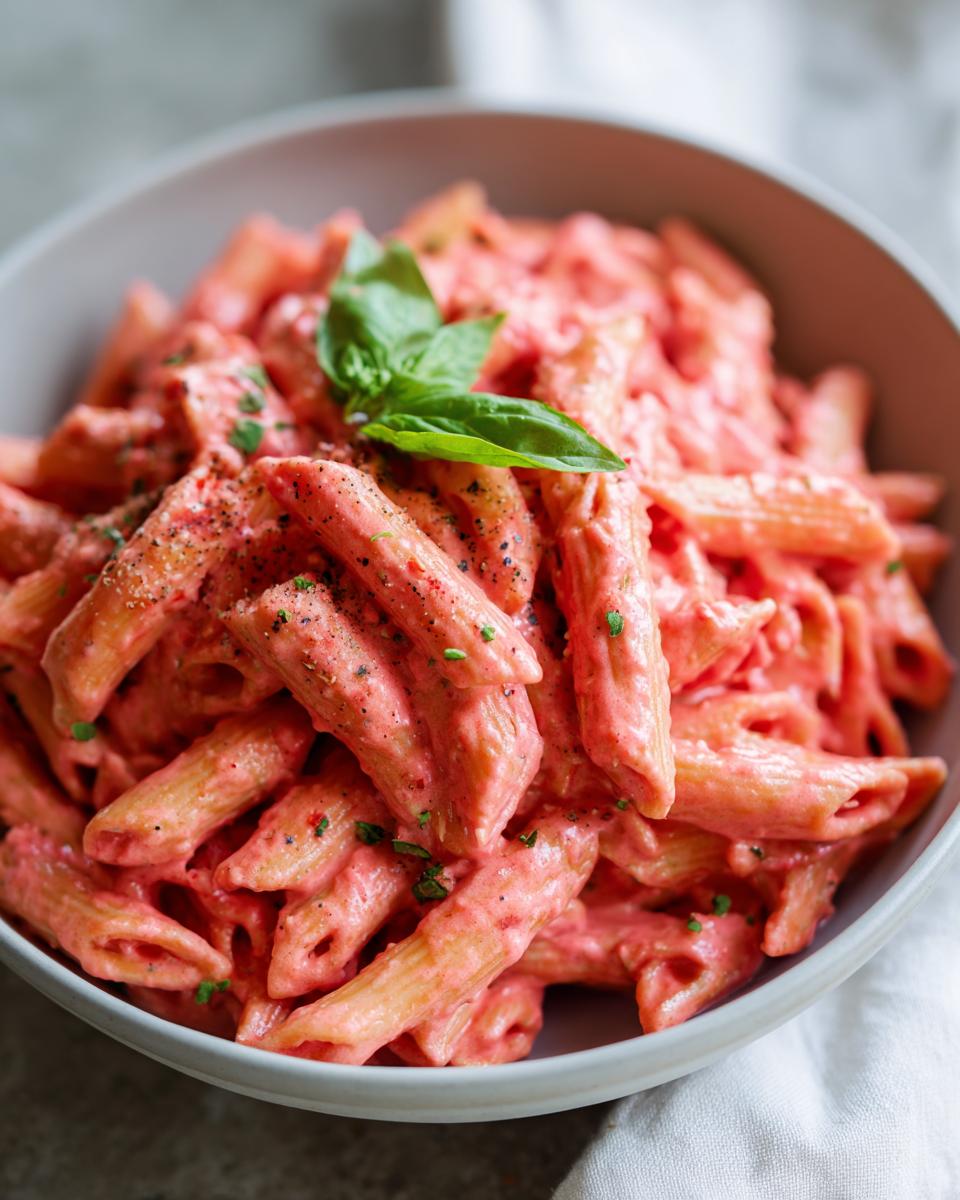
Once your onions and garlic are happy, pour in that canned tomato sauce or marinara. We need to let that simmer for just five minutes so the flavors can mingle. Now for the magic moment that turns it into that sought-after color! Turn the heat way down—low is key here. Slowly drizzle in the heavy cream while stirring constantly. I mean it, keep stirring! This slow addition and constant movement are what give you that rich and velvety pasta sauce instead of soup that separated weirdly. Once it’s all combined and that gorgeous blush tone appears, stir in the Parmesan cheese until it’s completely smooth.
Finishing and Tossing Your Pink Sauce Pasta
After you’ve seasoned it perfectly with salt and pepper (taste it!), it’s time for the grand finale. Drain your pasta, but make absolutely sure you save at least a cup of that hot, starchy water before you dump the rest down the sink. Add the drained noodles directly into the skillet with the sauce. Toss everything together so every single noodle is lovingly coated. If it seems too thick, grab just a little bit of that reserved pasta water and splash it in until it flows just right. Serving it immediately, topped with fresh basil? That’s the move.
Expert Tips for Perfect Pink Sauce Pasta Every Time
Even though this is a simple sauce, there are a few little tricks I picked up while testing recipes that can take your pink sauce pasta from ‘good’ to ‘OMG, you have to give me the recipe’ status. You know how Kate always talks about knowing the ‘why’? Well, these tips are based on pure sauce chemistry, so listen up if you want to master this!
First up: acidity. Tomato sauces naturally have a bit of a tang, which is great because it balances the richness of the cream. But sometimes, if your marinara is heavy on the acid, the final sauce can taste a little too sharp. This is where that reserved pasta water comes in handy, even after you’ve added it for consistency. The starch in the water helps mellow that sharpness just by coating the tongue differently.
For color control, it’s all timing. If you add your cream and Parmesan while the heat is too high, the sauce can look slightly orange rather than that beautiful blush pink. Always reduce your heat to low before introducing dairy or cheese. This is a crucial moment in any salsa rosa pasta tutorial, honestly. If you see separation or it starts looking cooked rather than creamy, pull the pan completely off the heat immediately and stir like crazy!
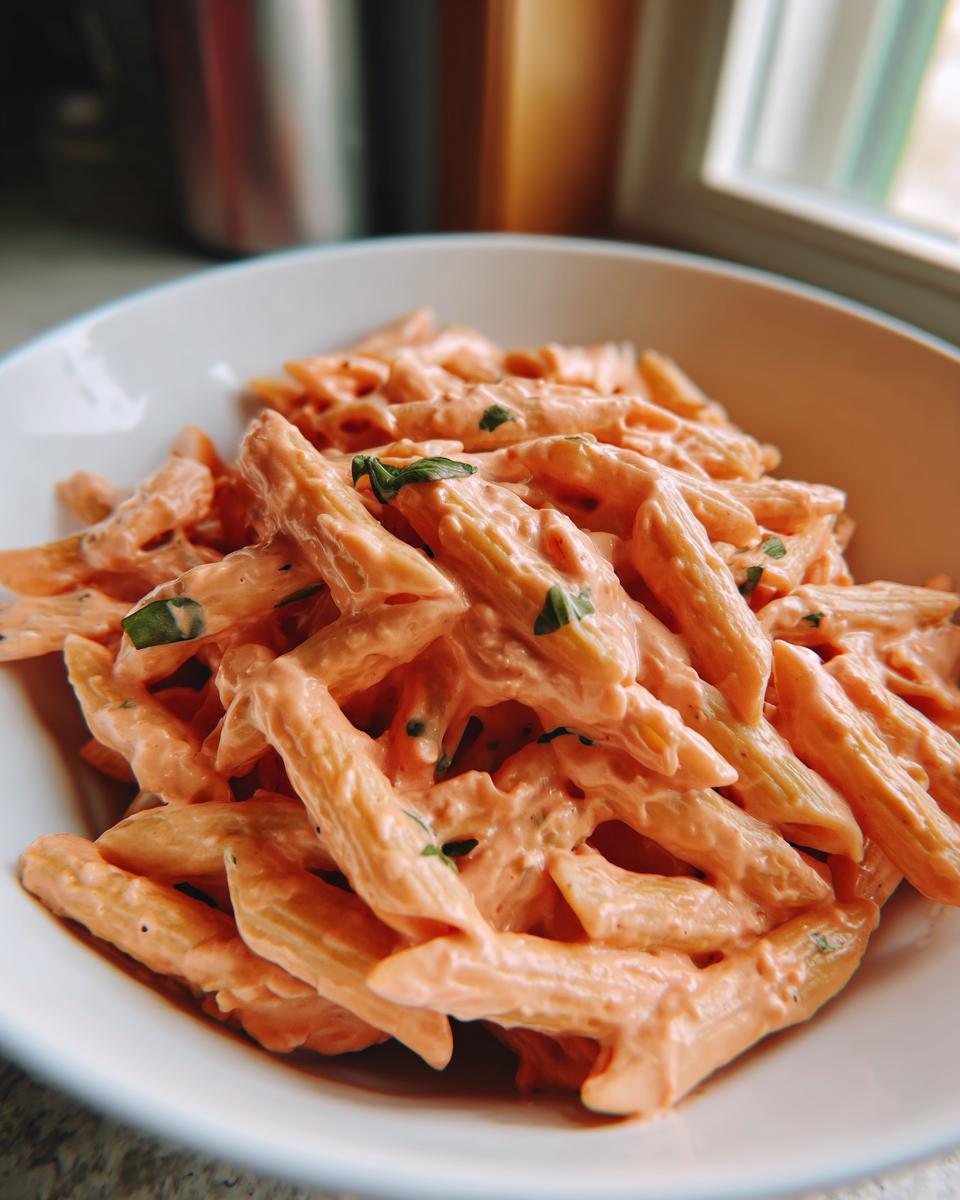
Now, let’s talk thickness. If for some reason your creamy pink sauce pasta is still too thin after tossing with the noodles, don’t reach for cornstarch; starch isn’t needed here! A great fix is to stir in an extra tablespoon or two of grated Parmesan cheese off the heat. Cheese is a fantastic natural thickener for smooth sauces like this. If that still doesn’t work, use a small amount of cream cheese—a little dollop melts down beautifully and adds an extra layer of richness.
And finally, if you happen to be working with an older can of tomato product—maybe it’s sitting in the back of the cupboard—you might find the final dish lacks that fresh vibrancy. A tiny squeeze of lemon juice right at the end (seriously, just a quarter teaspoon!) can brighten the whole profile without tasting like lemon. It’s my totally unofficial secret for making any tomato-based sauce taste like it was just made, which is perfect for this quick, weeknight meal!
Variations for Your Pink Sauce Pasta Dinner
As much as I absolutely adore this sauce on its own—it stands tall as a perfect weeknight creamy pasta dinner—sometimes you need to bulk it up a little, right? It’s the best base for adding things because the flavor profile is so versatile. It plays nicely with almost everything without overpowering the beautiful tomato-cream balance we worked so hard to achieve.
Here are a few ways I like to turn this simple side dish into a total show-stopping main course:
Pump Up the Protein: This is the easiest way to make it last longer! Cooked Italian sausage, crumbled and browned before you start the garlic and onions, adds an amazing fennel kick. If you prefer something lighter, shredded rotisserie chicken tossed in at the end works like a charm. Just make sure whatever protein you use is already cooked before adding it to the sauce so you don’t water down your lovely pink blend!
Sneak in the Veggies: I love hiding veggies in dinner whenever I can, especially since this sauce tends to camouflage things beautifully. Spinach is my number one go-to. You just toss a huge handful in right after you add the heavy cream; it wilts down to nothing in about two minutes, adding color and nutrition without changing the taste profile one bit. If you want something with more crunch, thinly sliced mushrooms sautéed until they lose their moisture work beautifully, too. Just make sure they’re nicely browned before the tomato sauce hits the pan!
Spice it Up (or Tone it Down): We added those optional red pepper flakes for a little warmth, but if you want real heat, try adding a dash of smoked paprika along with your oregano. It gives the sauce a deeper, almost smoky undertone that pairs wonderfully with sausage. Conversely, if you’re feeding little ones and need it completely mild, just skip the pepper flakes and know you can always keep the texture creamy and smooth!
It’s fun to experiment because the core ingredients are so forgiving. Go wild with what you have in the fridge!
Serving Suggestions for Italian Pink Sauce Pasta
Okay, you’ve got this gorgeous, rich, and velvety sauce coating every noodle. Congratulations! But what are you having with it? Because this Italian pink sauce pasta is so luxurious, you want sides that either soak up that extra sauce or cut through the creaminess so you keep coming back for more. You really don’t want to overwhelm this beauty, so simple is always better.
Honestly, my first thought for almost any creamy pasta dish is bread. You *need* something to swipe up every last bit of that pink goodness left in the bowl. I usually bake off a loaf of my easy homemade garlic bread—you know, slathered with butter and garlic powder and baked until crispy. That works, but for this specific sauce, I also adore something softer. Think pillows of focaccia or maybe even a soft, fluffy baguette.
If you’re trying to keep things a little lighter, or if you’ve added sausage to your creamy pink sauce pasta, a crisp green salad is non-negotiable. The acidity in a vinaigrette is crucial for balancing the fat from the cream and cheese in the sauce. Don’t make anything complicated! A simple mixed green salad with arugula, shaved cucumber, and a bright lemon vinaigrette is perfect. It keeps the meal feeling fresh and not too heavy.
Another pairing that I love, especially if I’m serving this on a weeknight, is roasted vegetables. They take almost no hands-on time! Toss broccoli or asparagus with a little olive oil, salt, and pepper, and roast them at 400 degrees until they start to char slightly. The slight bitterness and char from the roasting really contrast nicely with the sweet tomato and cream flavors. It makes the whole meal feel much more complete without adding any extra work to your stovetop routine.
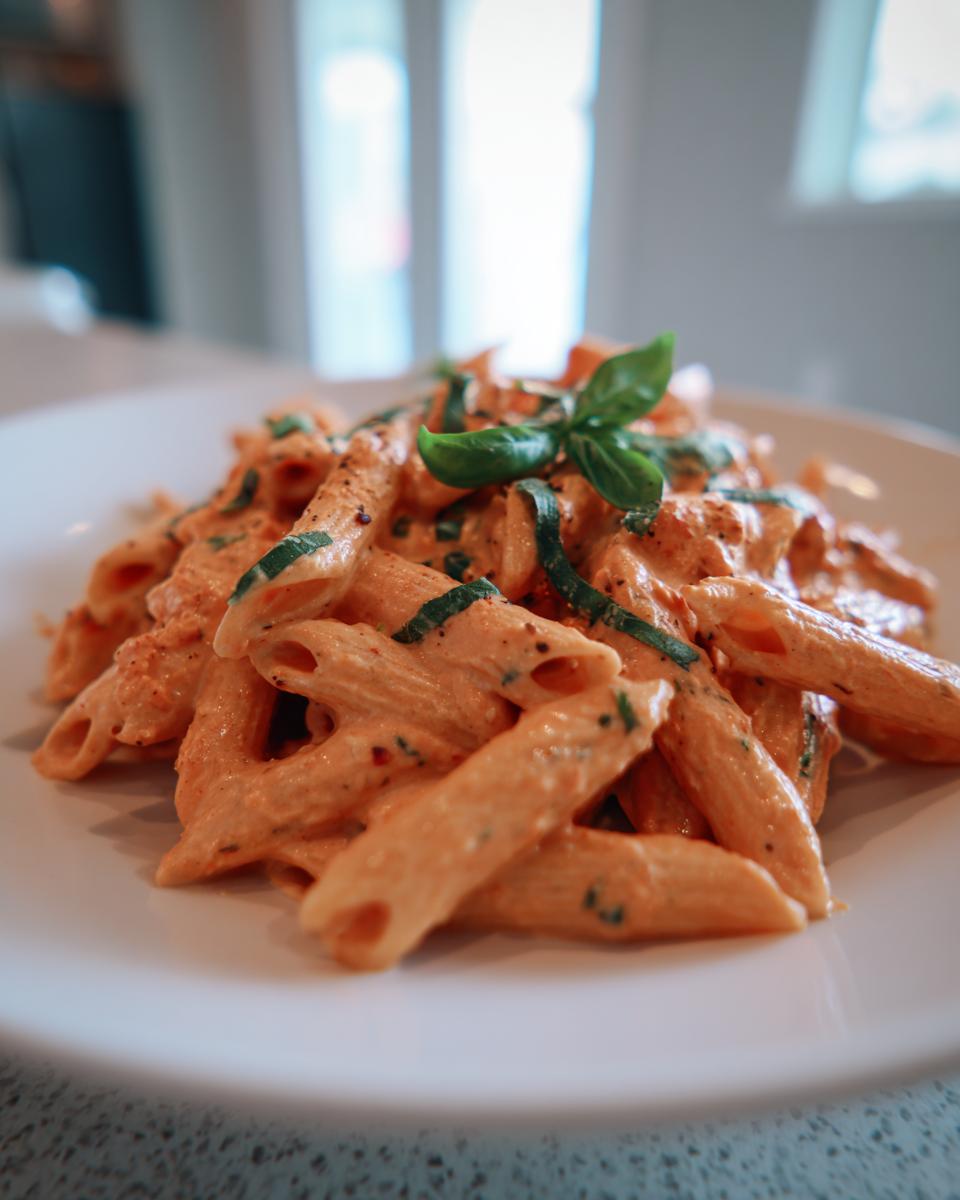
Basically, keep the sides easy and either absorbent (bread!) or acidic (salad!). That way, the star of the show—your incredible, easy pink sauce pasta—really gets to shine through.
Storing and Reheating Your Leftover Pink Sauce Pasta
The great thing about this sauce is that it’s so delicious, even if you only make half a batch, begging for leftovers! Unlike some tricky sauces, this tomato-cream situation is surprisingly cooperative when it comes to storage, which is a huge win for lunch prep.
When you find yourself with extra pink sauce pasta, you want to handle it right away before the sauce starts to dry out or the pasta gets gummy. Scoop the leftovers into a shallow, airtight container. Putting it in a shallower container helps it cool down faster, which is important for food safety—I learned that the hard way back when I was just starting out!
You can keep this safely in the fridge for about three, maybe four days. Any longer than that, and the quality really starts to drop off, especially the creaminess factor.
The Best Way to Reheat That Creamy Texture
Here’s where most people go wrong with leftover creamy pasta. If you just microwave it straight from the fridge, it’s going to seize up, look dull, and probably have weird hot spots. We need to coax that creaminess back in gently!
The absolute best way to resurrect your creamy pink sauce pasta is on the stovetop. Transfer the portion you want to eat to a small saucepan over low heat. Now, this is the critical part: add a tiny splash—maybe a tablespoon—of liquid. You can use reserved plain water, milk, or even broth if you have it handy. The liquid turns the steam into gentle heat, allowing the fat in the cream and cheese to melt smoothly again without overheating.
Stir it constantly over that low heat until it’s just warmed through. If you use the microwave, you have to cover it loosely to trap steam, but even then, it often ends up uneven. Trust me, pulling out a saucepan for two minutes of stirring is worth avoiding rubbery noodles!
What About Freezing Pink Sauce Pasta?
I’ve tried freezing this, and I have to be honest with you—it’s not my favorite application for leftovers. Because we use heavy cream and Parmesan, the sauce can sometimes separate during the freezing and thawing process. It might come out a little grainy or break entirely when you try to reheat it.
If you absolutely must freeze it, I recommend freezing *only the sauce* separately if you thought ahead. The sauce freezes better than the noodles mixed in. If you do freeze the whole dish, thaw it overnight in the fridge, and then reheat very slowly on the stovetop like I mentioned above, adding plenty of milk or water to help emulsify everything. But honestly, this recipe is so fast to begin with, I usually just plan on eating the leftovers within a few days!
Frequently Asked Questions About Pink Sauce Pasta
I get so many questions emailed to me about this recipe! It’s definitely a hot topic, and I love hearing how everyone is putting their spin on it. Here are a few of the most common things people ask when they’re planning to make their own viral pink sauce pasta.
What makes this a ‘pink sauce pasta’ versus a standard tomato cream sauce?
That’s a fair question! Technically, a regular tomato cream sauce might have cream, but usually, it’s a smaller amount, or it’s added right into a big pot of red sauce at the end. What sets the true pink sauce pasta apart, especially since that trend took off, is usually the ratio and the flavor profile we’re going for. We’re aiming for a perfectly balanced blush—not too red, not too white.
In our recipe, we build the sauce separately, combining the tomato base with cream and Parmesan until it hits that exact right rosy hue before we even introduce the pasta. It’s less about *diluting* a red sauce and more about *marrying* the two main components—tomato and cream—into a cohesive unit. That deliberate blending is key, and that’s what makes it that perfect, creamy pink sauce pasta people are looking for!
Can I make this pink sauce pasta vegan?
You absolutely can! I love adapting my favorite comfort meals to be plant-based when needed. Since we rely heavily on heavy cream and Parmesan cheese, we need two easy swaps. For the cream, my very favorite substitute is full-fat canned coconut milk—the thick cream layer from the top works miracles for richness! Alternatively, you can make a quick cashew cream by blending soaked raw cashews with water until silky smooth. The coconut milk is easier if you are in a rush for a weeknight creamy pasta dinner.
As for the Parmesan, there are some wonderful store-bought vegan Parmesan alternatives now that melt really well. If you don’t use a store-bought one, you can mimic the cheesy, umami flavor with a good sprinkle of nutritional yeast stirred in right after you add your cream substitute. It won’t give you the *exact* texture break of real cheese, but it adds that savory depth beautifully!
How do I ensure my creamy pink sauce pasta isn’t grainy?
Graininess is the enemy of all creamy pasta dishes, and it always comes down to temperature control when you’re adding cheese! Cheese melts beautifully in low heat, but if your pan is too hot, the proteins tighten up, squeezing out the fat, which results in a gritty or slightly broken sauce. This is a must-know for any chef trying to create a rich and velvety pasta sauce.
My number one rule: Once you add the heavy cream, you reduce the heat right down to low. Once the cream is incorporated and you add the Parmesan cheese, I pull the entire pan *off the burner* before stirring the cheese in. The residual heat of the sauce is more than enough to melt the cheese smoothly into velvet. If you feel like it’s looking a little too thick, use that reserved pasta water—not more heat—to thin it back out slowly. Gentle heat equals smooth sauce, plain and simple!
Share Your Ultimate Creamy & Easy Weeknight Pink Sauce Pasta
Now, look at you! You just made the best, creamiest pink sauce pasta without even breaking a sweat. Seriously, I’m so proud of you for getting this spectacular weeknight creamy pasta dinner on the table!
This is the part Kate always talks about—creating that connection in the kitchen. Remember how our philosophy is all about building community? Well, I desperately want to see your beautiful bowls of pasta! Did yours turn out that perfect blush color? Did you add chicken, or did you stick with the classic vegetarian version?
Please, don’t be shy! Head down to the comments section below. Tell me how it went! Did you try one of the tips for keeping it from getting grainy? Rate the recipe with those little stars so other people know what a winner this is!
And if you snapped a picture of your finished, saucy masterpiece—maybe you sprinkled on extra fresh basil or used rigatoni because you love those ridges—please share it on Instagram or Facebook and tag us! Seeing your family enjoying one of our simple recipes makes my entire week. It proves that anyone can create something wonderful when they have good ingredients and a little guidance. Happy cooking, friends!
PrintUltimate Creamy & Easy Weeknight Pink Sauce Pasta (Rose Sauce)
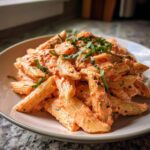
Make this rich and velvety pink sauce pasta, a simple blend of tomato and cream, perfect for a quick, comforting weeknight dinner. This recipe uses accessible ingredients for a restaurant-quality taste at home.
- Prep Time: 10 min
- Cook Time: 20 min
- Total Time: 30 min
- Yield: 4 servings 1x
- Category: Dinner
- Method: Stovetop
- Cuisine: Italian-American
- Diet: Vegetarian
Ingredients
- 1 pound pasta (penne, rigatoni, or your choice)
- 1 tablespoon olive oil
- 3 cloves garlic, minced
- 1/2 cup onion, finely chopped
- 1 (15 ounce) can tomato sauce or marinara
- 1/2 cup heavy cream
- 1/4 cup grated Parmesan cheese, plus more for serving
- 1/2 teaspoon dried oregano
- 1/4 teaspoon red pepper flakes (optional)
- Salt and black pepper to taste
- Fresh basil for garnish
Instructions
- Cook the pasta according to package directions until al dente. Reserve about 1 cup of the starchy pasta water before draining.
- While the pasta cooks, heat the olive oil in a large skillet over medium heat. Add the chopped onion and cook until soft, about 5 minutes.
- Add the minced garlic to the skillet and cook for 1 minute until fragrant. Do not let the garlic burn.
- Pour in the tomato sauce or marinara. Stir in the dried oregano and red pepper flakes, if using. Let the sauce simmer for 5 minutes.
- Reduce the heat to low. Slowly pour in the heavy cream while stirring constantly to prevent separation. Stir until the sauce is fully combined and turns a light pink color.
- Stir in the grated Parmesan cheese until the sauce is smooth. Season with salt and pepper to your taste.
- Add the drained pasta to the skillet with the sauce. Toss to coat everything evenly. If the sauce seems too thick, add reserved pasta water, one tablespoon at a time, until you reach your desired consistency.
- Serve immediately. Top each serving with extra Parmesan cheese and fresh basil.
Notes
- For a richer flavor, substitute half of the heavy cream with cream cheese, softened.
- You can add cooked protein like shredded chicken or Italian sausage to make this a heartier meal.
- This sauce pairs well with any pasta shape; use a shape with ridges to hold the sauce best.
Nutrition
- Serving Size: 1 serving
- Calories: 550
- Sugar: 8
- Sodium: 550
- Fat: 28
- Saturated Fat: 15
- Unsaturated Fat: 10
- Trans Fat: 1
- Carbohydrates: 55
- Fiber: 3
- Protein: 20
- Cholesterol: 75