

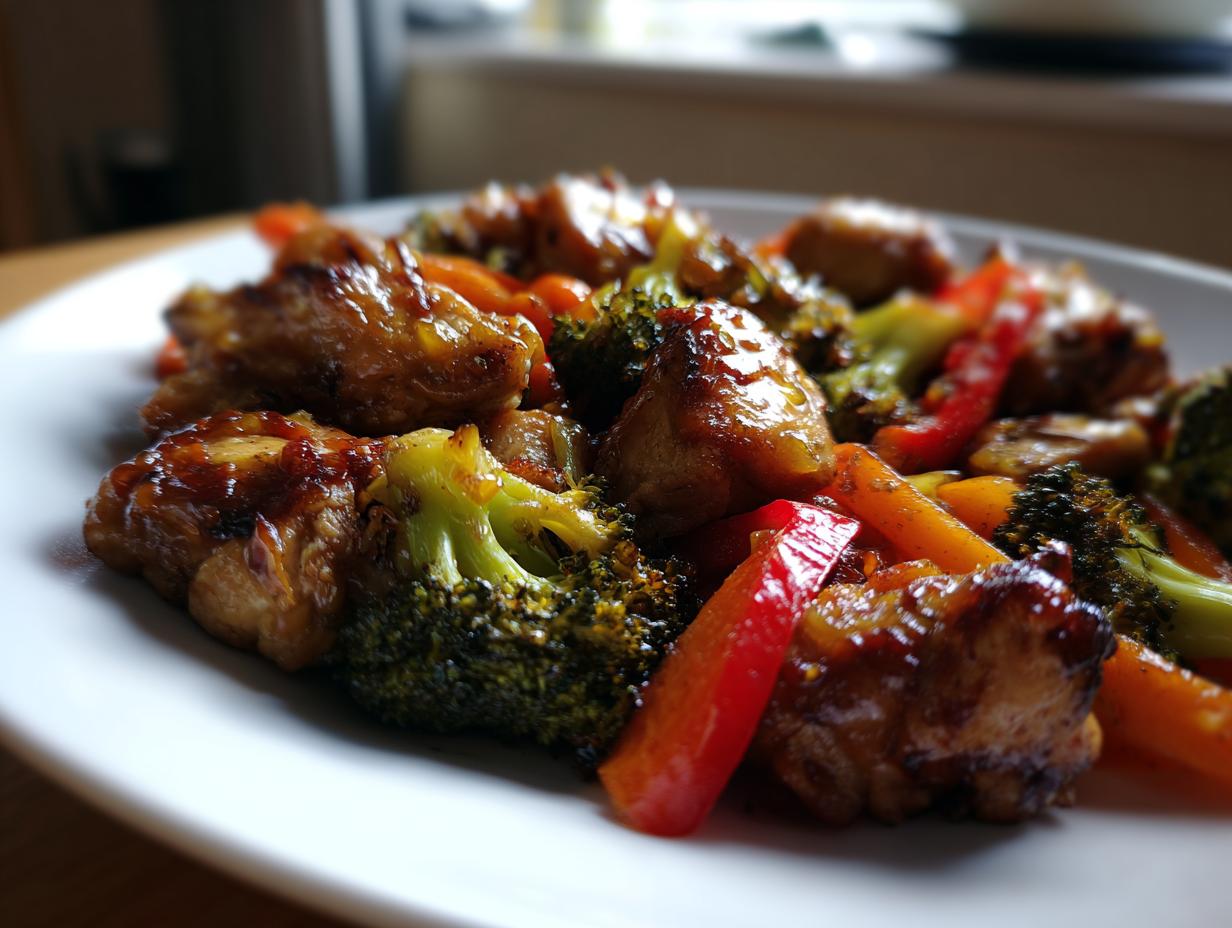
If you’ve ever stared into your fridge at five o’clock, totally drained but determined not to order takeout, you know the feeling. That’s exactly where Kate Reilly’s philosophy comes in here at Taste This Plate: home-cooked food should show love, not cause stress! That’s why I became obsessed with finding the ultimate weeknight chicken dinner that actually tastes amazing. Seriously, forget complicated cooking. This Sheet Pan honey dijon chicken recipe is my secret weapon for those crazy evenings. We take simple grocery store ingredients and transform them into something sweet, tangy, and totally craveable, all while keeping cleanup practically nonexistent. Trust me, this is the foolproof meal you’ll be making every single week.
- Why This Sheet Pan Honey Dijon Chicken Recipe Works So Well
- Ingredients for Your Sheet Pan Honey Dijon Chicken
- Step-by-Step Instructions for Honey Dijon Chicken
- Tips for the Best Honey Dijon Chicken Results
- Variations on This Honey Dijon Chicken Recipe
- Serving Suggestions for Your Sweet and Tangy Chicken Recipe
- Storing Leftover Honey Dijon Chicken
- Frequently Asked Questions About Honey Dijon Chicken
- Estimated Nutritional Data for This Honey Dijon Chicken
Why This Sheet Pan Honey Dijon Chicken Recipe Works So Well
When I develop a recipe for this site, I’m looking for that sweet spot where maximum flavor meets minimum effort. That’s exactly what happened when I nailed down this easy honey dijon chicken recipe. It checks every box for a busy night: it’s incredibly satisfying, full of flavor, and designed for one pan. No more juggling burners or dirtying every single dish in the kitchen! This is truly a champion for a quick weeknight chicken dinner. I even have a similar method for my slow cooker comfort meals, but nothing beats this speed.
Because we’re using the oven for both the chicken and the vegetables, everything cooks together perfectly. We get tender, juicy chicken alongside beautifully roasted, slightly caramelized veggies. It’s the kind of complete meal that tastes like you spent way more time on it than you actually did.
Achieving the Perfect Sweet and Tangy Chicken Balance
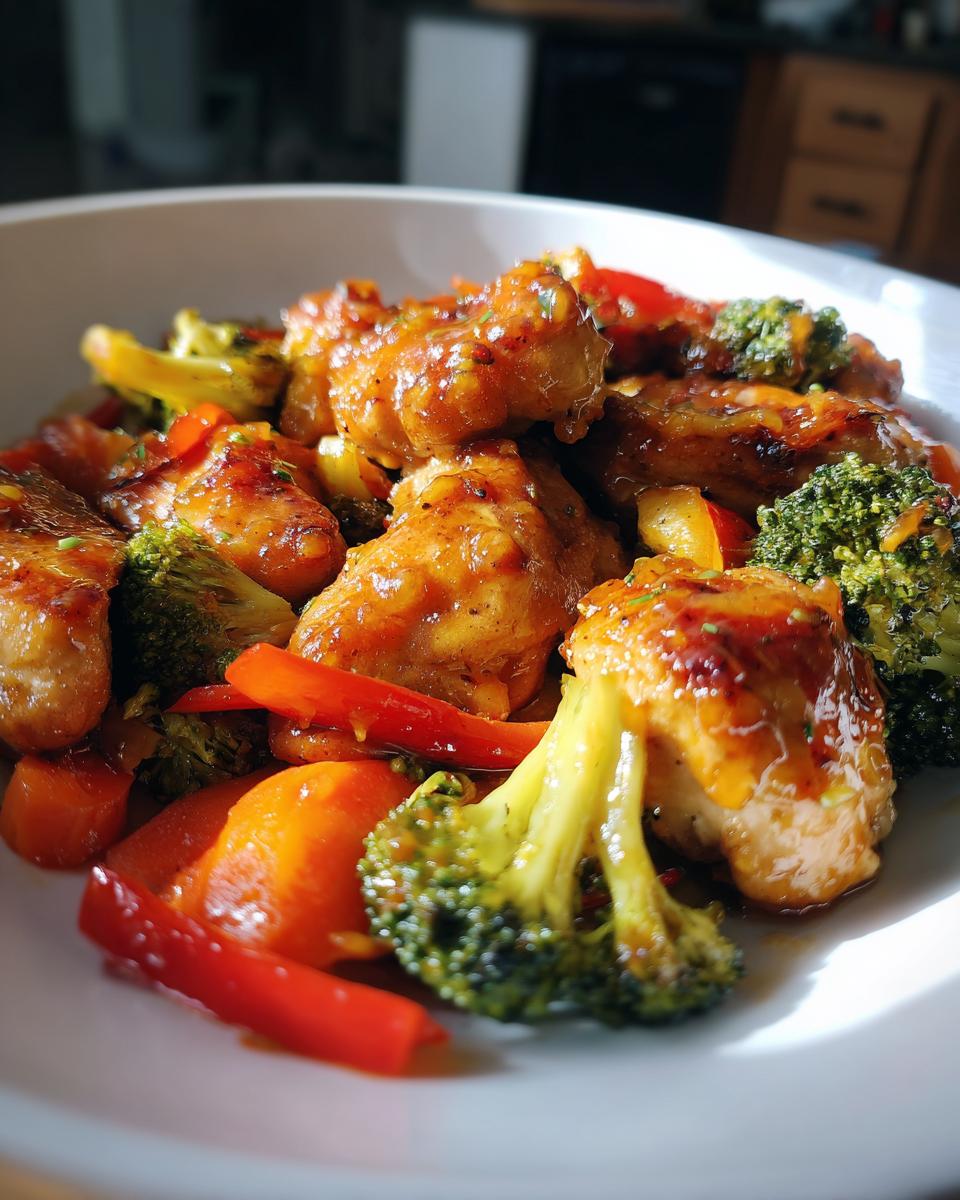
The magic here is the contrast! It’s simply the ratio of honey to Dijon. If you use too much honey, it just tastes sugary, and if you use too much mustard, it gets a little aggressive. In this recipe, the sharp, vinegary punch of the Dijon cuts right through the mellow sweetness of the honey. It creates a vibrant, savory coating that just coats the chicken perfectly without overpowering it.
The Magic of the Sticky Honey Dijon Glaze for Chicken
We build the flavor in two stages, which is key to getting that phenomenal, restaurant-quality finish. The initial coating gets the flavor in, but the second layer, applied halfway through baking, is where the real caramelization happens. This is what creates the gorgeous, lacquered texture we all want in a sticky honey dijon glaze for chicken. When it comes out of the oven, it’s glossy and slightly thick—absolutely delicious!
Ingredients for Your Sheet Pan Honey Dijon Chicken
When you’re keeping things simple, the quality of your core ingredients really shines through, so pay attention here! We are keeping the ingredient list short, which means every single item has a job to do. For the main event, grab about a pound and a half of boneless, skinless chicken—I love using thighs if I’m making this on a weekend because they stay extra juicy, but breasts work great for a lighter meal. Make sure you cut whatever protein you choose into nice, even 1-inch pieces. That way, they cook at the same speed as your vegetables.
Now for the veggies! I usually stick to a classic combination: about a pound of broccoli florets, maybe two big carrots sliced up, and a vibrant red bell pepper chopped into chunks. These are hearty enough to hold up to the heat of the oven without turning to complete mush. And please, for the love of flavor, don’t skimp on the Dijon mustard! I always reach for a good, smooth Dijon—none of that grainy stuff for this specific glaze, because we want it to melt seamlessly into the sauce. You’ll need 3 tablespoons of that tang, balanced out by 1/4 cup of honey for sweetness. Whisk it all together with 2 tablespoons of olive oil, a splash of apple cider vinegar for brightness, dried thyme, and garlic powder. Remember to season the glaze mixture itself lightly with salt and pepper before you pour it on!
This short list means less shopping and more time enjoying that incredible sweet and tangy chicken recipe later! We don’t need fancy extras here because the honey and mustard do all the heavy lifting.
Step-by-Step Instructions for Honey Dijon Chicken
When you’re ready to cook, simplicity is our goal! Because this is a sheet pan meal, setup is half the battle, and it’s what makes clean up so delightfully fast later. Remember, this recipe is designed to be totally reliable—we’ve tested the timing so you can trust the results completely, which is the most important part of any great recipe, right?
Preparing the Honey Dijon Glaze
Grab a small bowl because we need to build our sauce first. Whisk together the honey, Dijon mustard, olive oil, apple cider vinegar, dried thyme, and garlic powder. You want a smooth liquid here, so whisk it really well until everything is fully combined and looks like one unified sauce. Give it a tiny pinch of salt and pepper before setting it aside.
Coating and First Bake of the Honey Dijon Chicken
First things first: get that oven preheated to 400 degrees Fahrenheit and make sure you line a big baking sheet with parchment paper—this is non-negotiable for easy cleanup! In a large bowl, toss your cut chicken pieces with all your prepared vegetables. Then, pour about half of that gorgeous glaze over the mixture and stir gently until every piece is coated. Spread everything out onto that single-layer baking sheet. If your pan is piled high, the food steams instead of roasting, and we want that nice color!
Finishing the Oven Baked Chicken with Glaze
Pop that sheet pan into the oven and let it run for 15 minutes. When the timer goes off, pull the pan out carefully. This is the fun part! Brush the *remaining* half of the glaze all over the surface of everything. Back into the oven it goes for another 10 to 15 minutes. You’re looking for the chicken to hit that 165-degree internal temperature mark, and for the vegetables to look tender-crisp. That second layer of glaze will thicken up beautifully, giving you that perfect honey dijon chicken at the end! You can see my full guide on oven baked chicken with glaze techniques in this post.
Tips for the Best Honey Dijon Chicken Results
Honestly, following the steps gets you 90% of the way there, but these little tweaks—the things I discovered through trial and error in my own kitchen—are what make the results truly exceptional. If you want that restaurant-quality shine and perfect tenderness every single time you make this honey dijon chicken, pay attention to these crucial details. I learned these the hard way so you don’t have to!
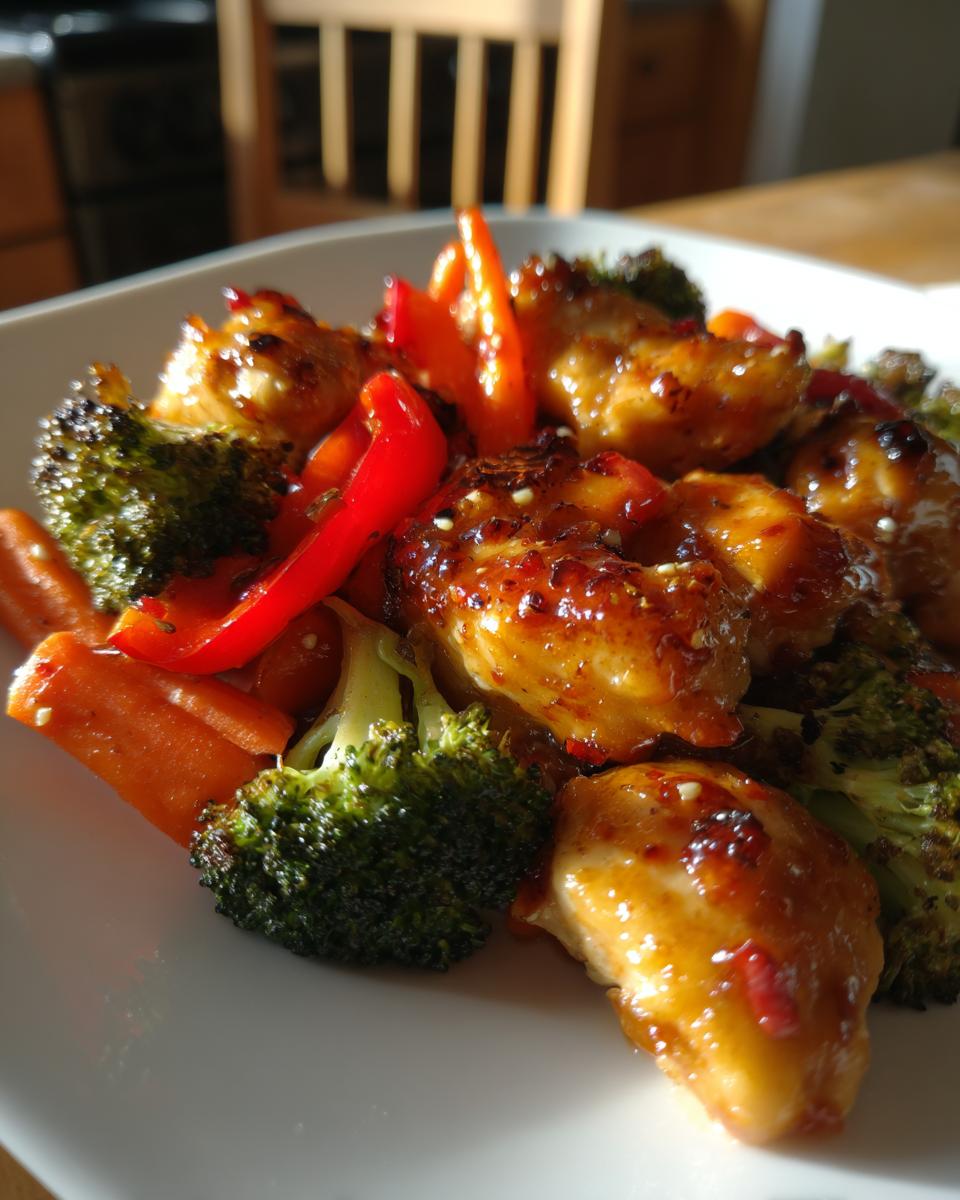
First, let’s talk about that glaze thickness. If you’re looking for that extra-sticky, slightly charred edge that just screams delicious, you need to use the broiler trick. After the second 15-minute bake cycle, keep a very close eye on the pan and switch the oven to broil for just one or two minutes max. Honey burns fast, seriously fast, so stand there and watch it! This gives you an incredible, crackly finish on top of your chicken and veggies.
Also, remember that chicken cut matters! If you’re aiming for a super healthy honey dijon chicken breasts meal, breasts are lean and cook quickly. But if you want maximum juiciness and you aren’t worried about cooking an extra few minutes, go for thighs. Chicken thighs are much more forgiving and they can handle getting coated in that glaze for longer without drying out. If you use thighs, just add about five to seven extra minutes to that final baking time, and always double-check that internal temperature.
And finally, don’t be afraid to mix up your vegetables, as I mentioned above. If you’re tossing in heartier things like potatoes or root vegetables, they need a head start. You can roast the potatoes alone for 10 minutes before adding the chicken and softer veggies like peppers. If you want more ideas on keeping those breasts super moist, check out my guide; it has a few tricks I use even for sheet pan meals like this one! You can find my best tips for keeping chicken breasts from drying out here.
Variations on This Honey Dijon Chicken Recipe
I love this sheet pan method because it’s so reliable, but I know life happens and sometimes you need to swap things up! Maybe you’re short on oven time, or maybe you just have a serious craving for grilled flavor. That’s the beauty of a great foundational recipe—you can tweak it without ruining the core flavor profile. Since this is such a fantastic sweet and tangy chicken recipe, it adapts really well to other cooking styles too, which means you have options when you need them!
Making Honey Dijon Chicken Thighs
Like I mentioned before, if you swap out the breasts for bone-in or boneless chicken thighs, you absolutely need to adjust your timing ever so slightly. Breasts are leaner, so they require precision, but thighs are packed with fat and connective tissue that needs more time to render down until it’s tender. So, if you are sticking with thighs, just add about 5 to 7 minutes to that final baking time we talked about earlier. You can peek at my guide on oven-baked barbecue chicken thighs for general timing considerations on dark meat. The glaze works beautifully on them, giving you that rich, succulent result.
Grilling Your Honey Dijon Chicken
Oh, grilling this glaze? Yes, please! If you are heading outdoors, you need to approach the glaze application a bit differently because honey hitting direct heat burns in about 60 seconds flat. For grilling, I advise skipping the parchment paper entirely, of course! You should coat the chicken pieces with the glaze *only* for the last 5 minutes of cooking over medium heat. For best results, marinade the chicken in half the glaze mixture (minus the oil) for about 30 minutes beforehand, then grill it until almost done. Then, brush on the remaining glaze right at the end and flip constantly until it’s sticking beautifully. For more general technique on getting those beautiful grill marks, check out my tips on grilling chicken in general.
Serving Suggestions for Your Sweet and Tangy Chicken Recipe
So you’ve pulled this gorgeous, glossy honey dijon chicken out of the oven—now what goes next to it on the plate? That rich, sweet and tangy flavor profile pairs really nicely with simple starches that can soak up any extra glaze that drips off. My absolute favorite side when I make this is a big bowl of fluffy rice; I have a super simple butter rice recipe here that is ready in about the same amount of time as the chicken!
If you want something greener to cut through that richness, don’t overcomplicate it. Lightly steamed or quickly sautéed green beans tossed with just a tiny bit of salt and lemon zest are perfect. You could also serve this sweet and tangy chicken recipe over a bed of quinoa for a healthier, nutty contrast that balances the honey beautifully. Seriously, keep the sides simple, because the star of the show is definitely that sticky, flavorful chicken!
Storing Leftover Honey Dijon Chicken
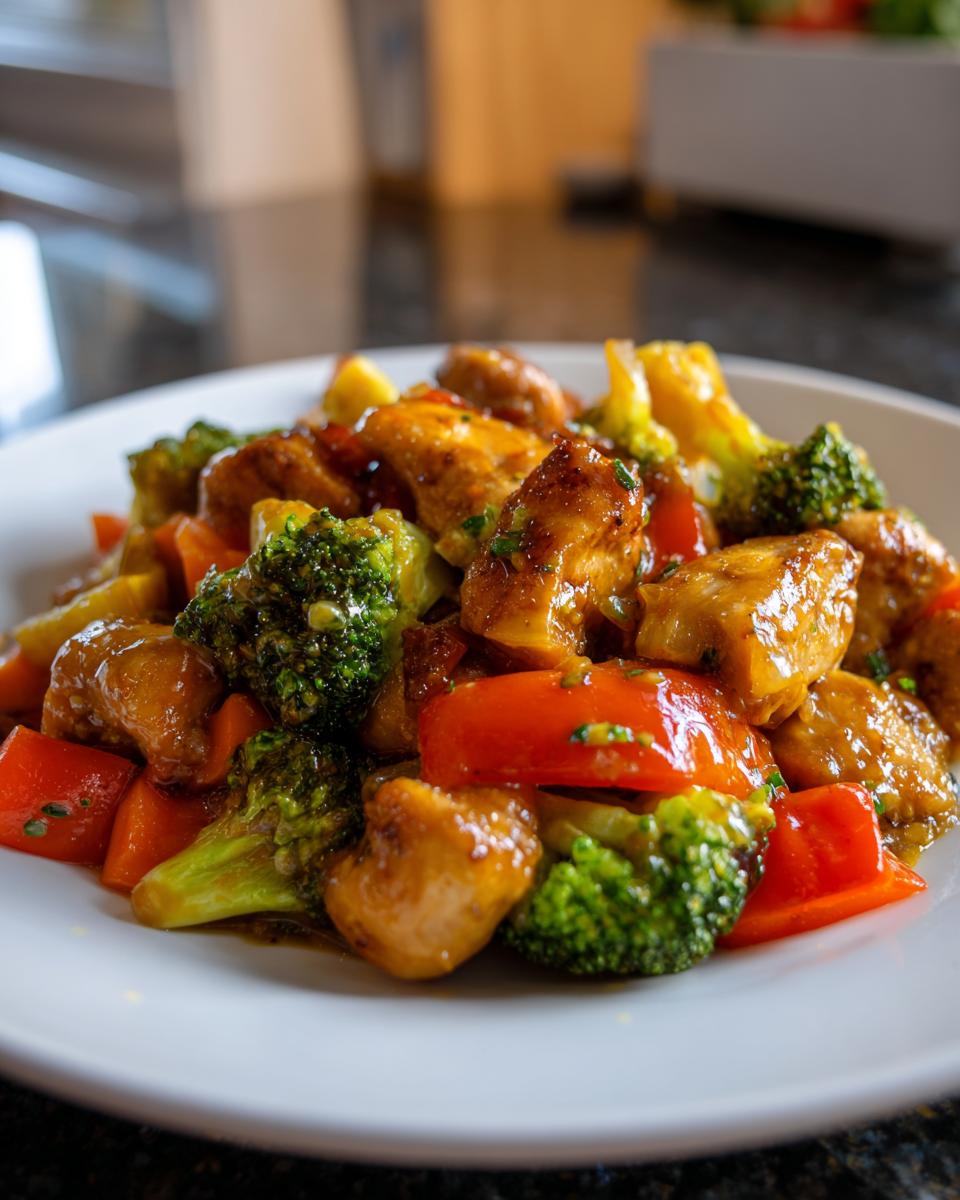
Now, I know this meal comes together so fast that you might not even have leftovers, but if you’re lucky enough to have some gorgeous honey dijon chicken remaining, storing it correctly is important. Once the food has cooled down completely—and I mean completely, don’t put warm food straight into the fridge, please!—transfer everything into an airtight container. Because we used parchment paper, the chicken and veggies should lift right off the pan easily.
You can keep this chicken stored safely in the refrigerator for up to three or four days. When you’re ready to enjoy it again, I don’t recommend microwaving it on high power, as that can make the honey glaze seize up or get tough. Instead, just reheat it gently in a skillet over medium-low heat with just a tablespoon of water or a splash of broth. This helps steam the chicken slightly and loosens that glaze back up so it tastes almost as good as when it was fresh!
Frequently Asked Questions About Honey Dijon Chicken
I always get a flood of questions when a recipe becomes a reader favorite! People want to customize things, or they just want reassurance that they can squeeze it into a busy schedule. I gathered up the most common queries about this honey dijon chicken to make sure you feel totally set before you even preheat the oven. If you’re looking for more ways to use Dijon, I’ve got a whole collection of chicken recipes with Dijon sauce you might love too!
Can I make this a 30 minute honey chicken meal?
That’s the million-dollar question for weeknights, isn’t it? The recipe details say the cook time is about 30 minutes, and with a quick 15-minute prep, we come in right around 45 minutes total. If you are super organized and use pre-chopped veggies (or you’ve already chopped them earlier in the week!), you can definitely knock that prep down to 10 minutes. So, while it’s not strictly a ’30 minute honey chicken,’ it’s incredibly close, especially since the work is mostly just tossing and glazing!
What type of Dijon mustard is best for this recipe?
I get asked this a lot, and here’s my honest take: For the smoothest, most cohesive **sticky honey dijon glaze for chicken**, you want classic, smooth Dijon mustard. It blends right into the honey and vinegar without leaving any gritty texture behind. Whole grain Dijon is totally fine if that’s what you have on hand, but be warned—you might see little seeds floating in your glaze. It won’t change the flavor much, but it changes the professional look we are shooting for!
How do I ensure this remains a healthy honey dijon chicken breasts recipe?
This is a fantastic, naturally lean option when you use chicken breasts! If you want to keep this strictly in the **healthy honey dijon chicken breasts** court, focus on two things. First, use the breasts over thighs for less overall fat. Second, load up on the vegetables! The recipe calls for a pound of veggies for 1.5 pounds of chicken, but if you want to bump that veggie ratio up even more—say, adding some zucchini or mushrooms—you dilute the mixture slightly and boost the fiber and nutrient count without adding much fat or sugar back in. Stick to that parchment paper, and you won’t need to add extra oil either.
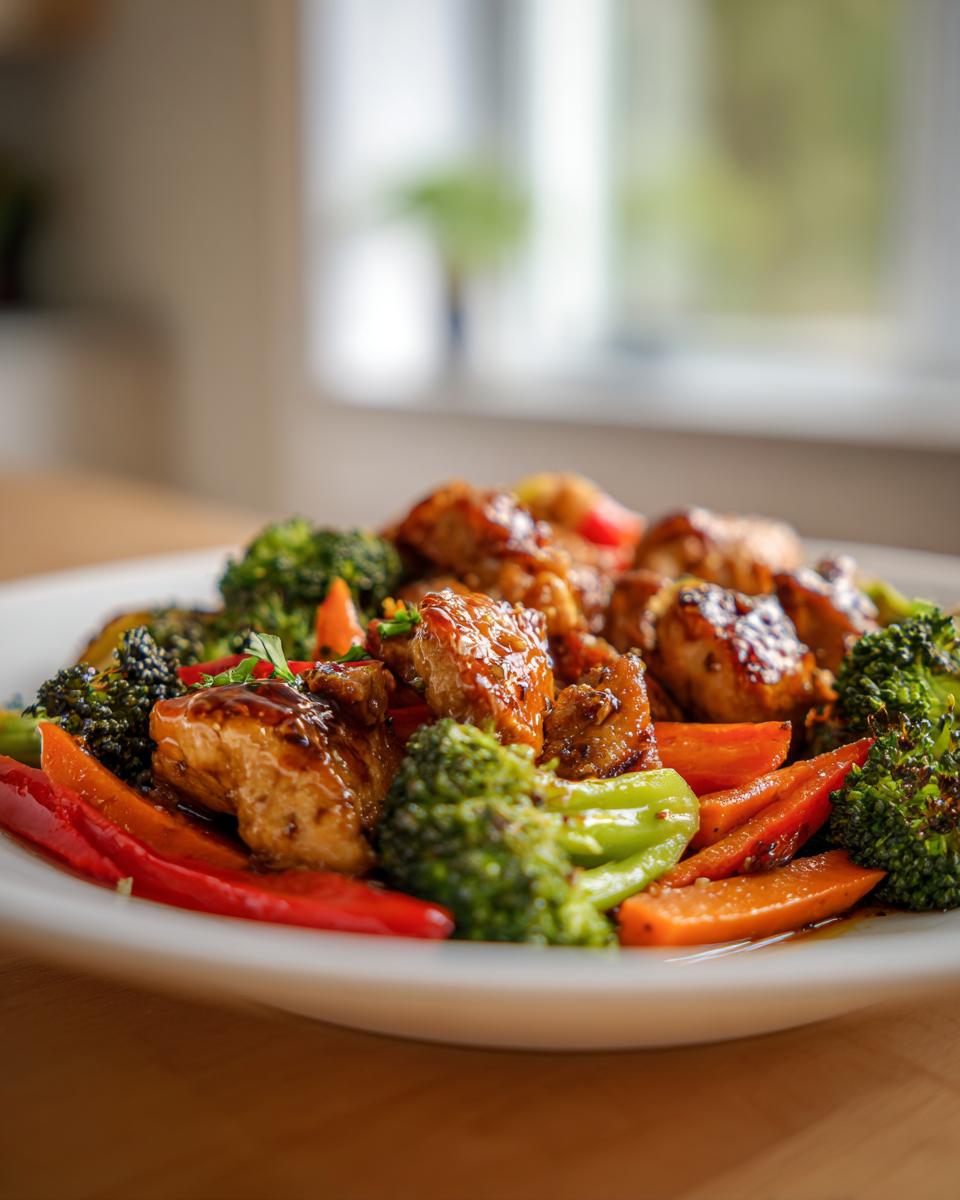
Estimated Nutritional Data for This Honey Dijon Chicken
I always get asked about the numbers, especially since we’re trying to keep my grandmother’s cooking philosophy alive—good food doesn’t have to be heavy! Since this recipe is so focused on lean chicken and a good amount of vegetables, it turns out to be a wonderfully balanced meal. Remember, these figures are always estimates based on the exact ingredients laid out in the recipe card above. Your specific brand of honey or the type of cut you use can shift these a little bit, but it gives you a really good ballpark idea!
For one serving (which the recipe yields four), here is what you can generally expect from this delicious dish:
- Calories: Around 380—A perfect amount for a satisfying weeknight dinner that won’t weigh you down.
- Protein: A whopping 38 grams! That’s great for keeping you feeling full and energized.
- Fat: About 10 grams total, with only 2 grams of that being saturated fat. This is why we use olive oil sparingly in the glaze instead of drenching everything!
- Carbohydrates: Roughly 35 grams, mostly coming from the honey and the natural sugars in the vegetables.
- Sugar: Around 18 grams. This is where that sweetness comes from, but since it’s balanced by the tang of Dijon, it doesn’t feel overly sweet, promise!
- Fiber: About 5 grams, thanks to all those lovely carrots and broccoli we roast right on the pan with the chicken.
This tasty profile makes it a great option when you’re looking for something packed with flavor but still keeping tabs on your fat intake. It’s proof that you don’t have to sacrifice taste for something that fits into a healthier weekly menu plan!
PrintSheet Pan Honey Dijon Chicken and Vegetables
Make a complete, flavorful weeknight dinner with this easy sheet pan recipe featuring tender chicken coated in a sweet and tangy honey dijon glaze, roasted alongside fresh vegetables.
- Prep Time: 15 min
- Cook Time: 30 min
- Total Time: 45 min
- Yield: 4 servings 1x
- Category: Dinner
- Method: Baking
- Cuisine: American
- Diet: Low Fat
Ingredients
- 1.5 lbs boneless, skinless chicken breasts or thighs, cut into 1-inch pieces
- 1 lb broccoli florets
- 2 large carrots, sliced
- 1 red bell pepper, chopped
- 1/4 cup honey
- 3 tablespoons Dijon mustard
- 2 tablespoons olive oil
- 1 tablespoon apple cider vinegar
- 1 teaspoon dried thyme
- 1/2 teaspoon garlic powder
- Salt and black pepper to taste
Instructions
- Preheat your oven to 400 degrees Fahrenheit. Line a large baking sheet with parchment paper for simple cleanup.
- In a small bowl, whisk together the honey, Dijon mustard, olive oil, apple cider vinegar, thyme, and garlic powder to create the glaze. Season the mixture lightly with salt and pepper.
- In a large bowl, combine the cut chicken, broccoli, carrots, and red bell pepper.
- Pour half of the honey dijon glaze over the chicken and vegetables. Toss everything gently until it is evenly coated.
- Spread the chicken and vegetables in a single layer on the prepared baking sheet. Do not overcrowd the pan; use two sheets if necessary to promote roasting instead of steaming.
- Bake for 15 minutes.
- Remove the pan from the oven and brush the remaining half of the glaze over the chicken and vegetables.
- Return the pan to the oven and bake for another 10 to 15 minutes, or until the chicken is cooked through (internal temperature reaches 165 degrees Fahrenheit) and the vegetables are tender-crisp.
- Serve immediately. This is a simple pan seared chicken style result from the oven.
Notes
- For a stickier glaze, you can briefly broil the chicken for the last 1-2 minutes, watching closely to prevent burning the honey.
- If you prefer using chicken thighs, they may require 5-7 minutes longer cooking time than breasts.
- This recipe works well with other vegetables like Brussels sprouts or potatoes, but remember that denser vegetables need to be cut smaller or added to the pan earlier.
- This sweet and tangy chicken recipe is excellent served over brown rice or quinoa.
Nutrition
- Serving Size: 1 serving
- Calories: 380
- Sugar: 18
- Sodium: 350
- Fat: 10
- Saturated Fat: 2
- Unsaturated Fat: 8
- Trans Fat: 0
- Carbohydrates: 35
- Fiber: 5
- Protein: 38
- Cholesterol: 110