

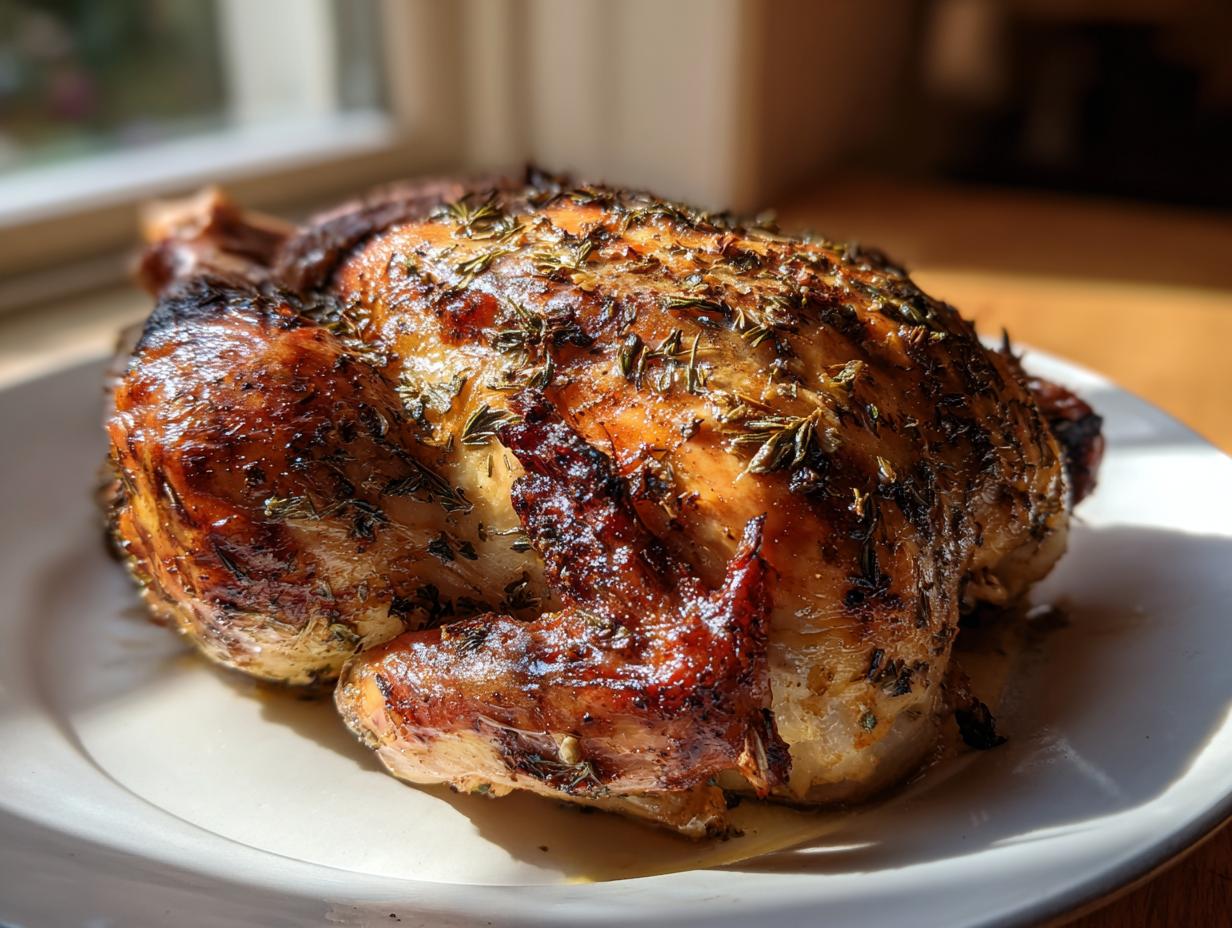
If you’ve ever stared nervously at a whole chicken thinking, “How do I make this look like something from a magazine?” — trust me, I get it. Cooking a stunning **roasted chicken** doesn’t need fuss or complicated equipment; it just needs the right technique! Here at Taste This Plate, we strip away the stress. This Easy Garlic Herb Butter **roasted chicken** recipe uses simple, accessible ingredients to guarantee unbelievably juicy meat and that shatteringly crispy skin everyone fights over. This isn’t just for holidays; it’s a trustworthy, tested recipe designed to make your standard weeknight meal feel truly special. You can learn more about creating truly tender meat in my guide on how to make melt-in-your-mouth chicken. Get ready to impress yourself!
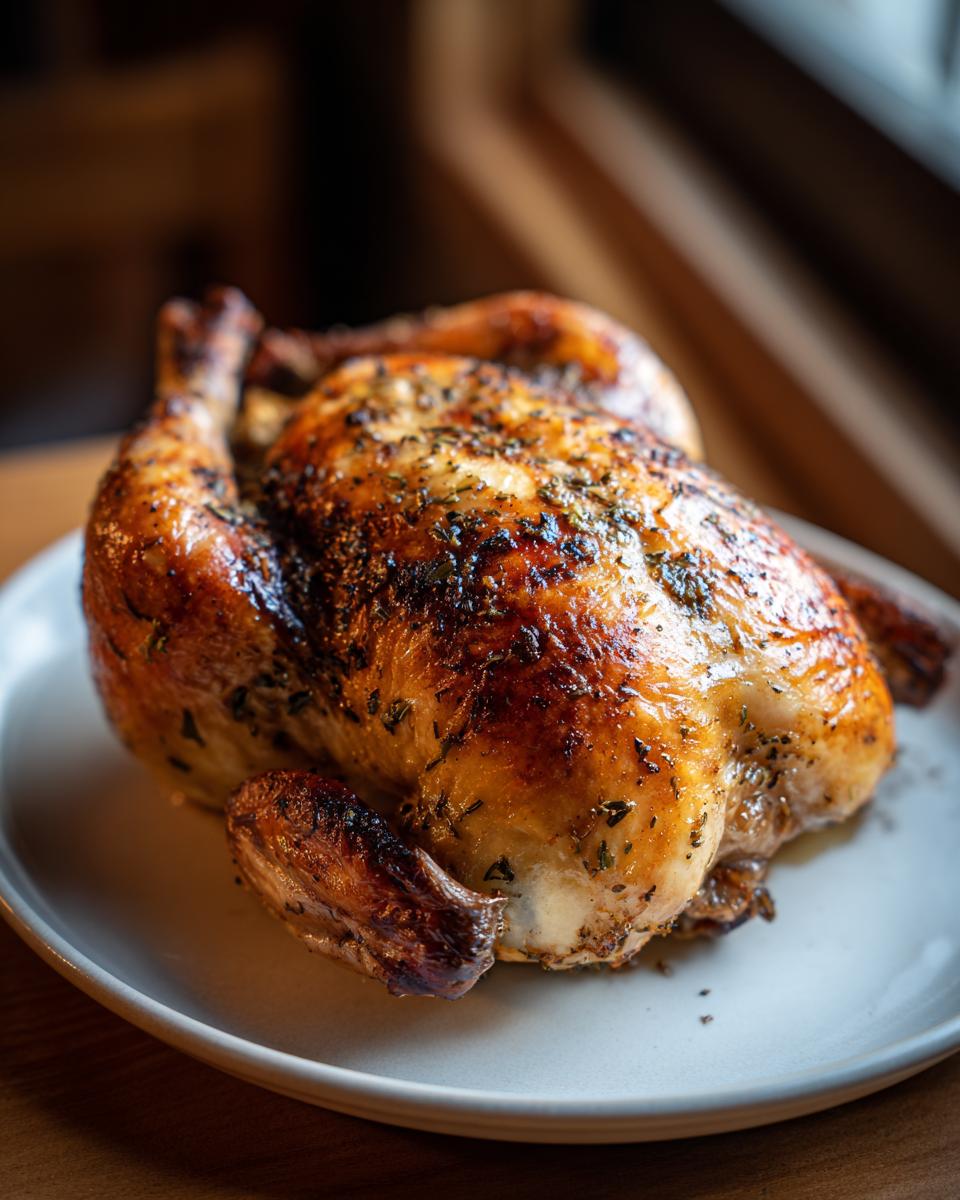
- Why This Garlic Herb Butter Roasted Chicken is Your New Go-To Recipe
- Ingredients for the Best Roast Chicken Ever
- Mastering Roasted Chicken: Step-by-Step Instructions
- Tips for the Simplest Roast Chicken Success
- Making This Weeknight Roast Chicken Recipe Your Own: Variations
- Serving Suggestions for Your Perfect Whole Roasted Chicken Recipe
- Storing and Reheating Your Easy Roast Chicken
- Frequently Asked Questions About Making Roasted Chicken
- Share Your Perfect Roasted Chicken
Why This Garlic Herb Butter Roasted Chicken is Your New Go-To Recipe
Listen, I know there are a million ways to cook a whole bird out there. Some look intimidating, honestly! But this specific recipe cuts through all the noise. It’s simple, it’s efficient, and it produces results that taste like you spent all day fussing over it. That’s the magic of a truly great **simple roast chicken**.
Here is why I keep going back to this **garlic herb chicken** method, even when I’m exhausted after work:
- Guaranteed Juicy Roasted Chicken: We are shoving that glorious herb butter right under the skin. That butter bastes the breast meat from the inside out as it cooks, locking in moisture. Forget dry chicken breasts—that’s a thing of the past when you use this method!
- Shattering Crispy Skin Chicken: That 15-minute blast of high heat at the beginning does all the hard work for you. It sets up that beautiful, **golden brown chicken** exterior, so you get that perfect crunch. It’s really the secret to **mastering roast chicken**.
- Minimal Cleanup: Because this is mostly an **oven roasted chicken** setup, cleanup is surprisingly easy. You focus on flavor, not scrubbing pans for hours. It’s genuinely a **no fuss roast chicken** experience.
- Feeds a Crowd (or Lunch Prep): This 4-5 pound bird is great for a satisfying **Sunday roast chicken**, but honestly, it’s fast enough for a Tuesday night. Plus, you get amazing leftovers for salads or quick sandwiches the next day! If you love easy chicken, you absolutely have to check out my Bruschetta Chicken next.
Ingredients for the Best Roast Chicken Ever
Okay, this is where we build the flavor foundation! I’m listing out exactly what you need because trust me, the quality of your ingredients makes a huge difference in the final taste of your **roasted chicken**. If you shop smart and stick to what I’ve listed here—good, fresh things—you’re halfway to making the **best roast chicken ever**. If you’re looking for something quicker for a weeknight, check out my reliable lemon pepper chicken thighs, but for a whole bird, precision matters!
For achieving that incredible **flavorful roast chicken**, here is your shopping list:
- The Bird: One whole chicken, nice and fresh, aiming for about 4 to 5 pounds. Make sure you take out those little bags of giblets—yuck!
- The Base Butter: You’ll need 8 tablespoons of unsalted butter, and this is key: it must be **softened**. Leave it out on the counter for an hour before you start mixing.
- The Aromatics: We’re using 4 cloves of garlic, and they need to be properly **minced**—no big chunks accepted here!
- The Herbs: Measure out 1 full tablespoon of fresh rosemary, **chopped** finely, and 1 tablespoon of fresh thyme leaves. The fresh stuff really sings against that butter.
- Seasoning Power: Keep it simple but effective: 1 teaspoon of salt and 1/2 teaspoon of freshly cracked black pepper. Salt is so important for drawing out moisture for that **crispy skin chicken**!
- The Flavor Filling: Grab one bright yellow lemon, which we will cut **halved**, and one small onion, **quartered**. These go right inside the cavity to steam the meat from the inside out. It gives the whole bird such a lovely aroma as it roasts.
That’s it! No weird pantry items or hard-to-find spices. Just good, honest ingredients coming together for one fantastic **easy roast chicken**.
Mastering Roasted Chicken: Step-by-Step Instructions
This is where we move from having ingredients to having dinner! Getting this **oven roasted chicken** perfect isn’t about luck; it’s about following these steps precisely. Once you learn the rhythm—the high heat blast followed by the lower, slower roast—you’ll never look back. I’ve tested this method dozens of times to ensure you get that tender inside and golden exterior every single time. It’s the secret to cooking a **whole roasted chicken recipe** that truly wows.
Prep Work: Drying and Herb Butter Creation for Flavorful Roast Chicken
First things first: grab your paper towels and pat that chicken bone-dry, inside and out. I mean it! If there’s moisture on the skin, it steams instead of crisps. Now, make that magic butter. Combine your completely softened butter with the minced garlic, thyme, and rosemary, plus your salt and pepper. Really mix it until it’s uniform—it should look gorgeous and pungent. Next, gently work your fingers under the skin over the thickest parts of the breast and thighs. You have to be bold here! Push about half that amazing butter mixture right onto the meat under the skin. This is your insurance policy for a ridiculously **juicy roasted chicken**. Rub the rest of the butter all over the outside skin, stuff the lemon and onion in the cavity, and we’re ready to roast! This method works great even if you plan to serve this alongside a casserole, like making my baked herb chicken casserole later in the week.
The Roasting Process: High Heat Start for Crispy Skin Chicken
Preheat your oven way up high to 425 degrees F. We need that initial blast to convince the skin it needs to crisp up immediately. Put the chicken in and bake it for just 15 minutes like that. After that initial kick, lower the temperature right down to 375 degrees F. Now the bird can cook through gently without burning the skin. You’ll roast for another hour to an hour and fifteen minutes. If you remember during this lower stage (maybe halfway through), scoop up some of those nice pan juices and drizzle or baste them over the top. That helps keep the outside moist while the inside finishes cooking perfectly.
Resting the Oven Roasted Chicken for Maximum Juiciness
This last step is the most critical, and honestly, the hardest to wait through! When that thermometer hits 165 degrees F in the thigh, pull the whole chicken right out of the oven. Don’t even think about slicing it yet. You must cover it loosely with foil and let it sit for a full 15 minutes. Why? Because the juices that have rushed to the surface while cooking need time to redistribute themselves evenly back into the muscle fibers. If you skip this rest, all that amazing moisture runs right out onto your cutting board. Don’t waste all that work! Resting is how we guarantee that **juicy roasted chicken** payoff. While that’s happening, you can whip up some crispy potato wedges!
Tips for the Simplest Roast Chicken Success
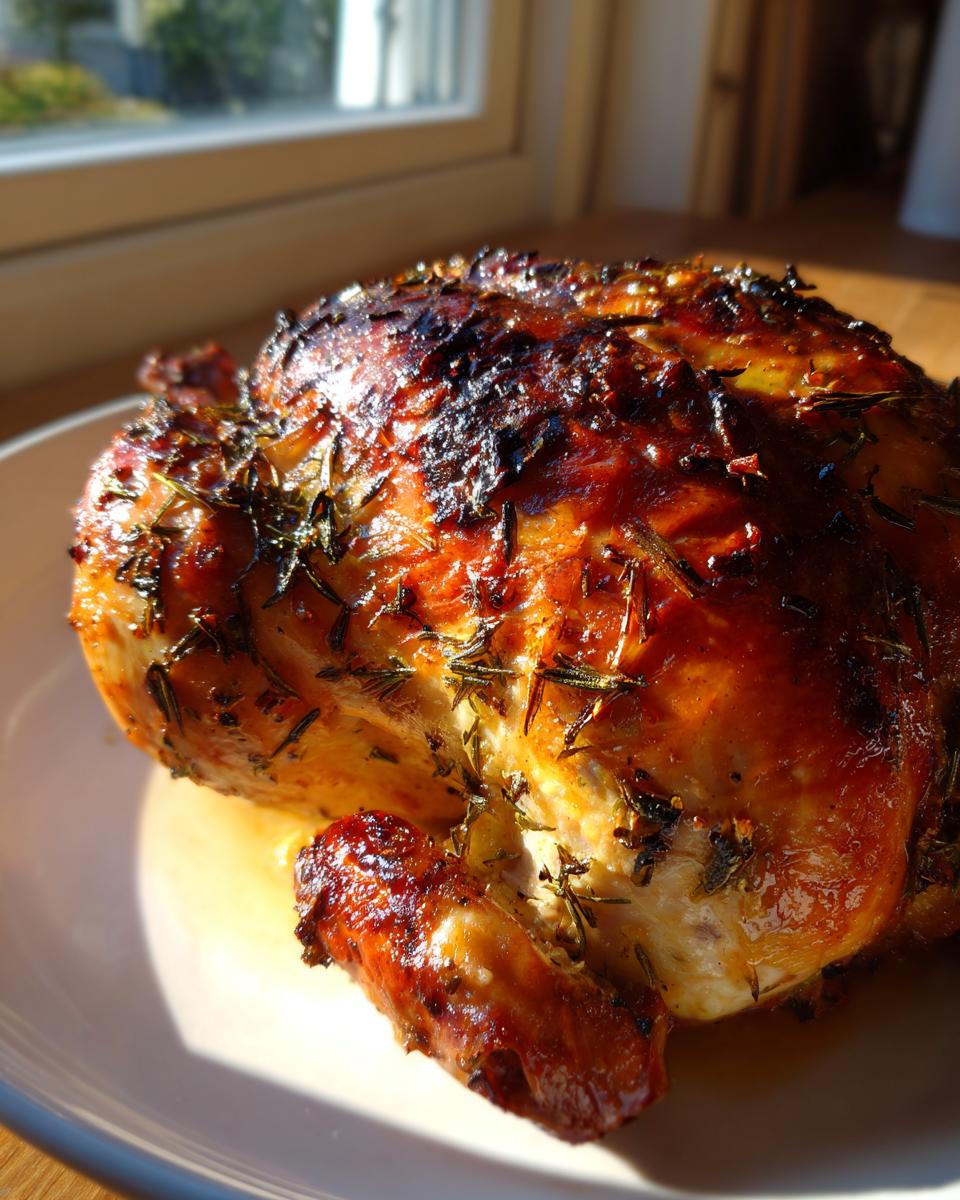
Even though this recipe is designed to be incredibly straightforward—a truly **simple roast chicken**—there are a few little bartender tricks I use to make sure the result is always restaurant-worthy. I know that even some of the famous chefs, like Ina Garten, swear by their perfect roasting methods, and we are totally honoring that commitment to quality cooking here. You won’t need a ton of extra steps, just a bit of forethought to ensure that **golden brown chicken**!
First, let’s talk about getting that incredible lift for truly crispy skin. If you have one, placing the chicken on a thin wire rack set inside your roasting pan is just brilliant. The air circulates underneath the bird, drying out the underside skin as it roasts. It prevents that dreaded soggy bottom, which is the arch-enemy of any good **crispy skin chicken** enthusiast. It ensures maximum crunch!
Now, if you’re using this bird to anchor your entire meal because you’re getting ready for a big **Sunday roast chicken**, you absolutely need to think about roasting vegetables with it, like in my dedicated guide to roasted chicken and vegetables. You don’t want to put them in right at the beginning, though, or they’ll turn to mush. I wait until the chicken has been roasting at the lower 375 degrees F temperature for about 30 minutes. Toss your root veggies—think sturdy carrots, potatoes, or some nice chunks of onion—in olive oil and arrange them around the pan. They get these amazing drippings from the chicken, which makes them taste heavenly!
And speaking of that color—if you notice halfway through the lower temperature cook that the skin is getting dark just a little *too* fast, don’t panic! Just take a small piece of aluminum foil and lightly tent the breast area. It protects that gorgeous color while the white meat finishes cooking through. I was just reading a great breakdown of how Ina Garten approaches her famous roast, and honestly, tenting is a universal trick when you need to manage temperature spikes while achieving that perfect result. This simple act is the difference between golden perfection and slight scorching. It keeps our **flavorful roast chicken** looking picture-perfect every time!
Making This Weeknight Roast Chicken Recipe Your Own: Variations
While I truly believe this **garlic herb chicken** combination is unmatched—it’s the classic for a reason—I know home cooks love to experiment! You don’t have to stick to the script 100% of the time, especially when you’re trying to use up what you have in the fridge. Remember our philosophy here: simple ingredients, extraordinary meals! Changing up the fillers doesn’t mean you lose that gorgeous crispy skin!
If you’re feeling adventurous or just don’t have fresh rosemary on hand, here are a few simple swaps you can make to customize this **easy roast chicken**:
- Herb Swap: Rosemary and thyme are superstars, but they aren’t the only game in town. Try swapping them out for fresh sage and a little bit of dried oregano. It gives the chicken a more woodsy, earthy flavor—perfect for a cooler evening. If you love sage, you’ll adore how it carries through in my green chile chicken casserole!
- Add Some Color and Punch: Craving a visual pop or just a little extra zing? Add about a teaspoon of sweet or smoked paprika right into your butter mixture. It helps the skin turn an even deeper shade of gold! Alternatively, if you’re not crazy about onion or lemon, you can skip them and stuff a couple of orange halves in there instead. Orange zest really brightens up the flavor profile of the **roasted chicken** meat beautifully.
- Spice It Up: Feeling brave? A pinch of cayenne pepper or a teaspoon of smoked paprika mixed into the butter layer under the skin adds a lovely warmth without making it genuinely spicy. It’s subtle, but it makes people ask, “What *is* that amazing flavor?”
The most important thing to remember is that the technique—patting dry, getting the butter under the skin, and the two-temperature roast—remains the backbone of this **whole roasted chicken recipe**. Play with the aromatics inside the cavity, but keep that structure firm, and you’re guaranteed success!
Serving Suggestions for Your Perfect Whole Roasted Chicken Recipe
Okay, you’ve got the **best roast chicken ever** sitting here, glistening, rested, and smelling incredible—now what? A centerpiece this stunning deserves sides that match its effortless elegance without demanding a full afternoon in the kitchen. Since this **garlic herb chicken** is so richly flavored from the butter and herbs, we want sides that soak up those delicious pan juices but don’t fight the main star. This is about creating a complete, simple meal that feels truly satisfying.
For a classic American dinner vibe, you simply can’t go wrong with potatoes. Forget complicated casseroles; we’re keeping it focused on flavor distribution. My recipe for garlic parmesan mashed potatoes is the ultimate vehicle for scooping up those buttery pan drippings left in the roasting pan. They’re creamy, savory, and everyone asks for seconds!
If you want something a little lighter than potatoes, especially if you’ve already roasted vegetables alongside the chicken, you need something bright. A beautiful grain works wonders. I highly recommend pairing this with a light rice dish, like my Mediterranean lemon rice. The lemon ties right back into the citrus we stuffed inside the bird, keeping the whole plate feeling fresh and zesty. It’s a perfect contrast to the richness of the **butter roasted chicken**.
And for a truly green element that requires almost zero effort? Streamed green beans or asparagus tossed quickly with a drizzle of olive oil and a sprinkle of salt and pepper right before serving is all you need. It provides color and crunch. See? You’ve successfully turned an **easy roast chicken** into a magnificent full dinner spread without even breaking a sweat. Enjoy every bite!
Storing and Reheating Your Easy Roast Chicken
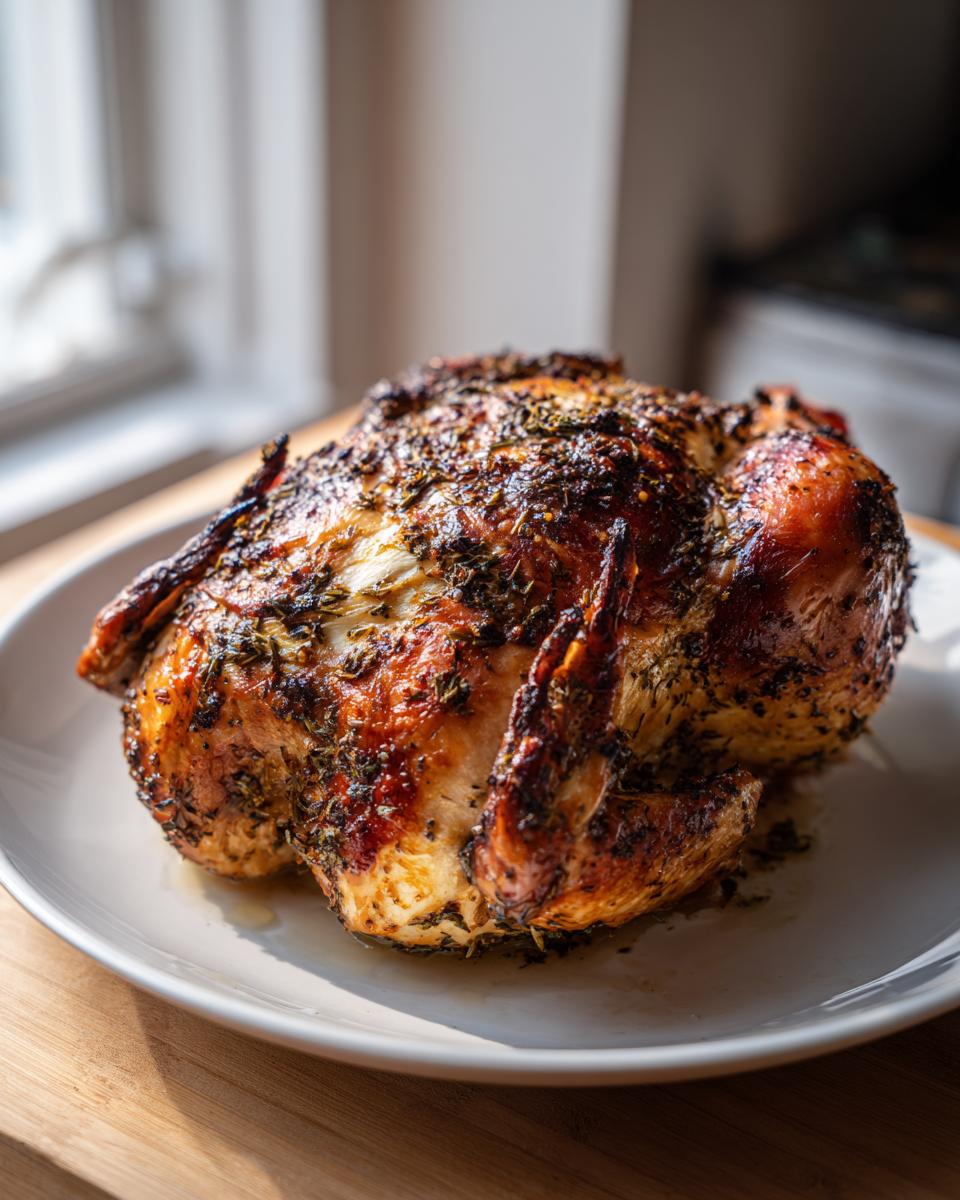
One of the best things about roasting a whole chicken is getting that wonderful, flavorful leftover meat! It makes the next day so much easier, whether you’re whipping up a quick lunch or planning the next night’s dinner. We took so much care to make this the **juicy roasted chicken** possible, so we have to treat the leftovers right!
When it comes to leftovers, speed and proper sealing are your best friends for keeping that chicken fantastic.
Storing Leftovers Safely
Don’t just leave that beautiful bird sitting on the counter waiting for the next shift. As soon as the chicken has cooled down enough that you can comfortably handle it (usually after an hour or so resting), you need to get it put away. Divide the meat—dark and white meat separately, if you can—and store it in airtight containers. I use good quality modular stacks because they fit nicely in my fridge. If you store it correctly, this **easy roast chicken** meat stays perfectly good for about three to four days in the refrigerator. Seriously, try to use it within those first four days for the absolute best texture!
The Best Way to Reheat Chicken Without Drying It Out
This is where folks mess up the beautiful job they did roasting! If you reheat it too fast or too hot, you’ll undo all that wonderful work keeping the meat moist. The number one rule for reheating is: always add a little moisture back in. Don’t just toss the meat on a plate in the microwave—that’s a fast track to dry, chewy disappointment.
For the best results, whether you’re warming up a few slices or needing enough for a full meal, I recommend microwaving it at 50% power. Toss your chicken pieces in a microwave-safe dish, put a tablespoon of broth, water, or even just some leftover pan drippings (if you saved them!) over the meat, and cover it tightly with a lid or plastic wrap. Heating it slowly and giving it that little bit of steam keeps the meat tender. This warming method works great if those leftovers are destined for something delicious, like perhaps the filling for my chicken bacon ranch casserole!
If you’re in a hurry and only need a small amount, the stovetop method works too. Heat a skillet over medium-low heat and add a splash of liquid—chicken stock is best!—then gently warm the meat until it’s just heated through. Low and slow reheating preserves the flavor and texture of your perfect **oven roasted chicken**!
Frequently Asked Questions About Making Roasted Chicken
I always get so many questions after people try this recipe because they are thrilled with the results, but sometimes they hit a snag on their first try! That’s totally normal when you are learning **how to roast a whole chicken**. Remember, I test these recipes until they are foolproof, but understanding the ‘why’ behind the steps helps a ton when troubleshooting. If you made my favorite bird and still have some questions, maybe one of these common concerns will help you out!
What temperature should the roasted chicken reach?
This is the most important question for safety, and for making sure your **roasted chicken** isn’t undercooked! You are aiming for an internal temperature of 165 degrees F. This temperature is safe for poultry. Now, *where* you check is just as vital as the number on the thermometer. You need to insert the probe into the thickest part of the thigh, making absolutely sure you are not touching the bone. If you hit bone, the thermometer will read hotter than the meat is actually cooked. Pull it out, let it rest, and check again if you need to, but 165°F in the thigh is your golden ticket to a perfectly cooked, **juicy roasted chicken**.
Can I use this method for a spatchcock chicken recipe?
Oh, I love a good spatchcock chicken recipe! Spatchcocking—which means removing the backbone and flattening the bird—totally changes the roasting game because it exposes more surface area. This means your cooking time will be significantly faster, maybe cutting 20 minutes or more off the total cook time compared to this whole shape. However, the prep for the flavor stays exactly the same! You still want to make that amazing garlic herb butter and rub it both under and over the skin. You’ll likely stick to the high 425°F heat for the entire cook, rather than reducing the temperature later. It’s a fantastic way to guarantee **crispy skin chicken**, though I still think this regular method makes for a better presentation at a formal dinner!
If you’re still curious about how professionals handle things, some folks swear by the techniques you see in guides like that one from Kristine’s Kitchen for getting a great roast every time, although ours is built for maximum homemade ease, not professional style. If you want to start simpler, check out one of the great **easy roast chicken** tutorials online, like the one I found referenced by Kristine’s Kitchen, and see the difference the technique makes!
Share Your Perfect Roasted Chicken
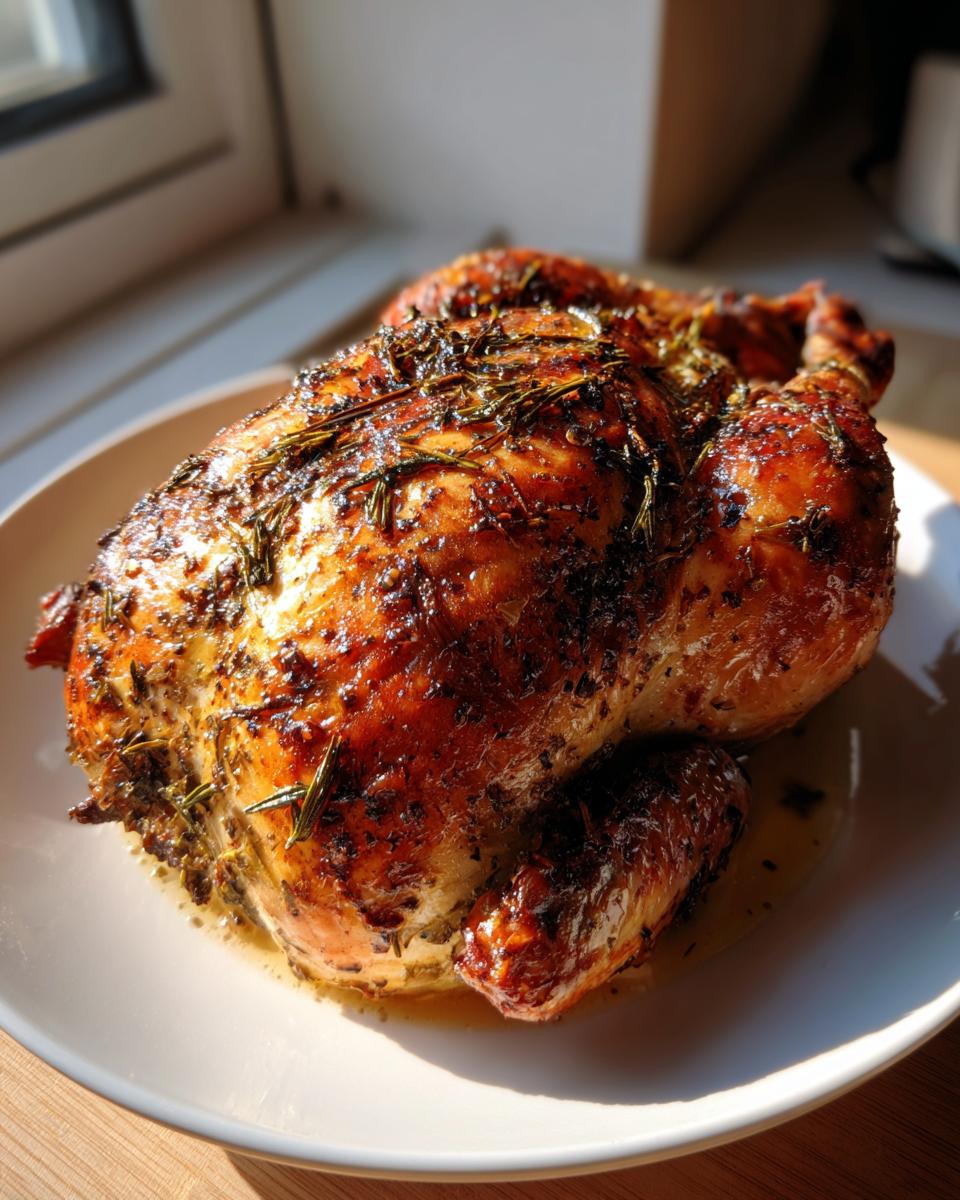
Well, we did it! We transformed a humble bird into an absolutely stunning **roasted chicken** with that shatteringly crisp skin and meat so juicy it practically melts. I truly hope this recipe has taken away any intimidation you had about tackling a whole bird. Remember that our goal here at Taste This Plate is to empower you to create amazing food without the stress. This recipe serves about 4 people perfectly, but I always plan for leftovers!
Now, I would absolutely love to hear how your **flavorful roast chicken** turned out! Did you manage to get that skin perfectly golden brown? Did you stick to the herbs, or did you get creative in the cavity? Please take a moment to leave a comment below—your feedback helps future cooks feel more confident attempting this recipe. If you have any lingering questions floating around after trying this **whole roasted chicken recipe**, toss those in the comments too! I read every single one and I’m happy to jump in and help troubleshoot.
And while you’re here, if you’ve found your new favorite way to cook dinner, I encourage you to check out the rest of my kitchen philosophy over on the About page. Happy cooking, and thank you so much for trusting me with your Sunday roast!
PrintEasy Garlic Herb Butter Roasted Chicken with Crispy Skin
Make a juicy, flavorful whole roasted chicken with crispy skin using simple garlic herb butter. This no-fuss recipe is perfect for a weeknight dinner or Sunday roast.
- Prep Time: 15 min
- Cook Time: 1 hour 30 min
- Total Time: 1 hour 45 min
- Yield: 4 servings 1x
- Category: Dinner
- Method: Oven Roasting
- Cuisine: American
- Diet: Low Calorie
Ingredients
- 1 whole chicken (about 4–5 lbs)
- 8 tablespoons unsalted butter, softened
- 4 cloves garlic, minced
- 1 tablespoon fresh rosemary, chopped
- 1 tablespoon fresh thyme leaves
- 1 teaspoon salt
- 1/2 teaspoon black pepper
- 1 lemon, halved
- 1 small onion, quartered
Instructions
- Preheat your oven to 425 degrees F. Remove the chicken from its packaging and remove any giblets from the cavity. Pat the entire chicken dry, inside and out, using paper towels. This step helps achieve crispy skin.
- In a small bowl, combine the softened butter, minced garlic, chopped rosemary, thyme, salt, and pepper. Mix until you have a uniform herb butter.
- Gently loosen the skin over the chicken breasts and thighs using your fingers. Rub about half of the herb butter mixture directly onto the meat under the skin. Rub the remaining herb butter all over the outside of the chicken skin.
- Place the lemon halves and onion quarters inside the chicken cavity.
- Place the chicken in a roasting pan or a large oven-safe skillet.
- Roast the chicken at 425 degrees F for 15 minutes to start crisping the skin.
- Reduce the oven temperature to 375 degrees F. Continue roasting for about 60 to 75 minutes more, or until a meat thermometer inserted into the thickest part of the thigh (not touching bone) reads 165 degrees F. Baste the chicken with pan juices halfway through the lower temperature roasting.
- Once cooked, remove the chicken from the oven. Tent it loosely with foil and let it rest for 15 minutes before carving. This resting period keeps the meat juicy.
Notes
- For extra crispy skin, you can place the chicken on a wire rack set inside the roasting pan.
- If you want to roast vegetables alongside the chicken, toss root vegetables like carrots and potatoes with olive oil and place them in the pan around the chicken during the last 45 minutes of cooking.
- This recipe is based on classic techniques for achieving a flavorful roast chicken.
Nutrition
- Serving Size: 6 oz cooked meat
- Calories: 450
- Sugar: 0
- Sodium: 350
- Fat: 28
- Saturated Fat: 14
- Unsaturated Fat: 14
- Trans Fat: 0
- Carbohydrates: 0
- Fiber: 0
- Protein: 45
- Cholesterol: 150