

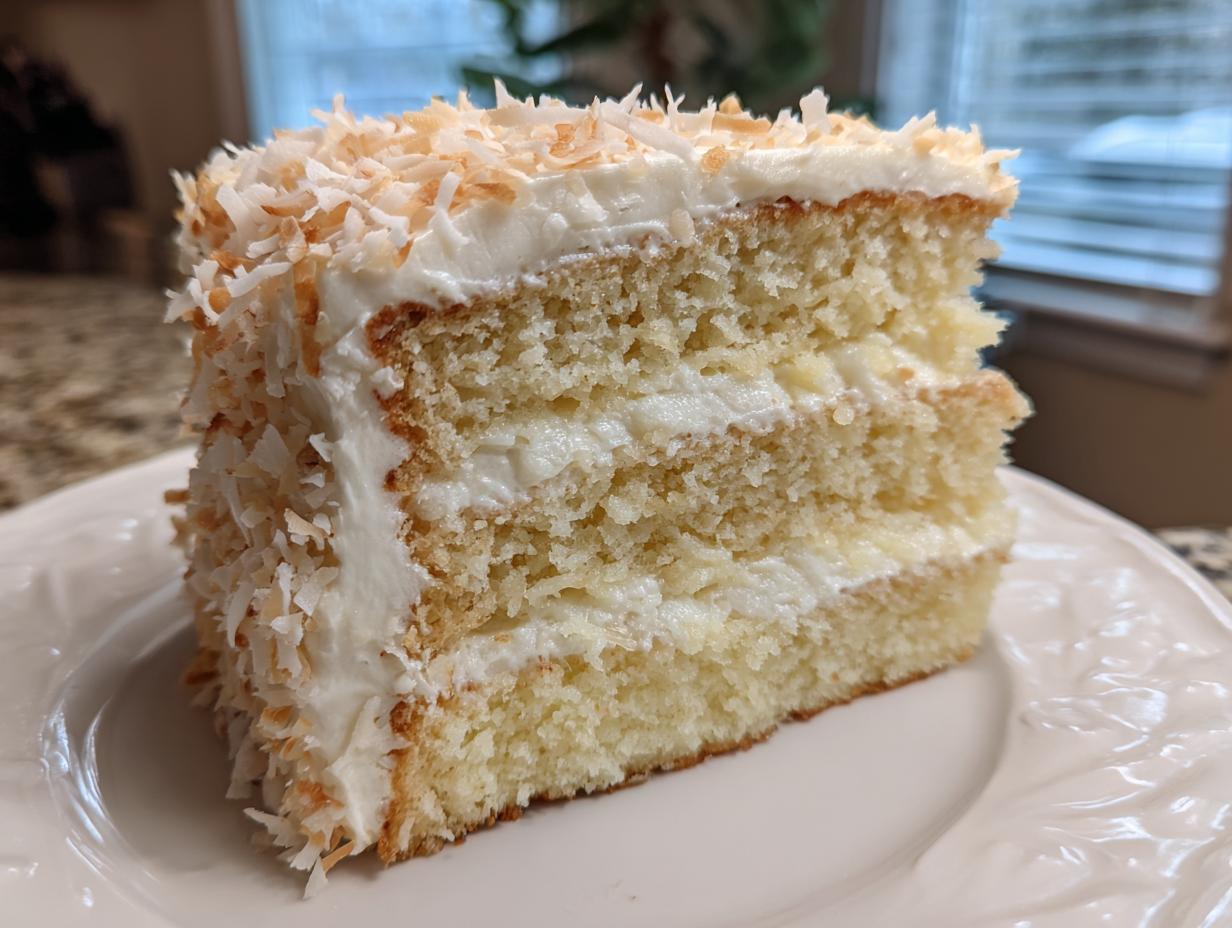
There’s just something special about a cake that tastes like a celebration, right? Nothing says ‘special occasion’ in the South quite like a towering, snowy white coconut cake. If you’ve ever tried one only to find it dry or too dense, trust me, you haven’t tried this one. I spent years tweaking and testing because I wanted a recipe that was utterly reliable.
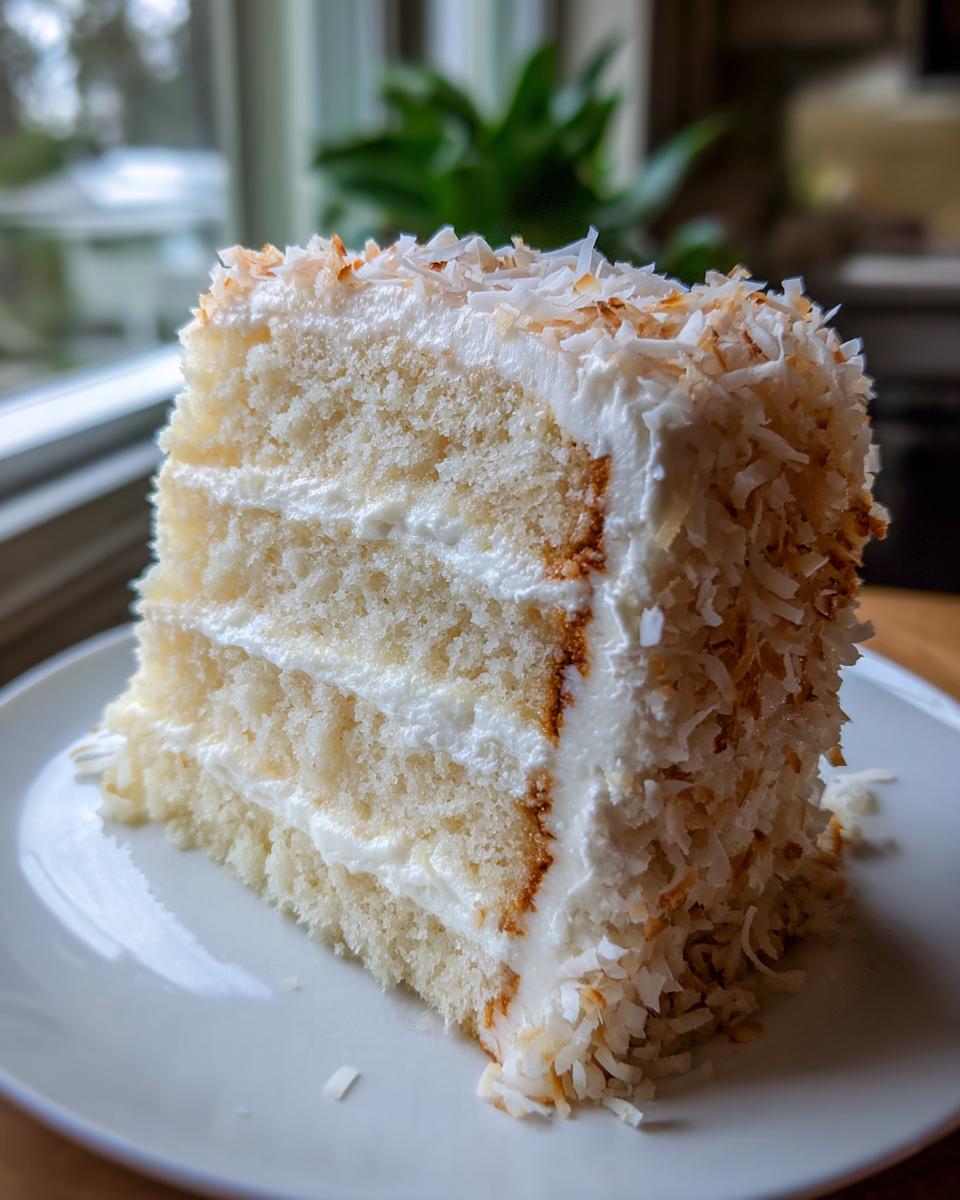
This Old-Fashioned Southern Style Coconut Cake with its Cream Cheese Frosting is my definitive answer to the perfect holiday dessert. I promise you, it delivers on its name: the layers are unbelievably moist, incredibly fluffy, and they stand up beautifully. Forget those stiff, crumbly versions; we are aiming for pure, edible nostalgia that rivals any bakery case. If you’re looking for a centerpiece dessert, pop over to my main dessert recipes page later to see more favorites, but first, let’s get this tropical beauty baking!
- Why This Old-Fashioned Coconut Cake Recipe Works (E-E-A-T)
- Gathering Ingredients for Your Moist Coconut Cake Recipe
- Step-by-Step Instructions for the Old Fashioned Coconut Cake
- Tips for Success: Baking the Best Coconut Cake
- Variations on the Classic Coconut Cake
- Serving Suggestions for This Celebration Coconut Cake
- Storage and Reheating Instructions for Leftover Coconut Cake
- Frequently Asked Questions About Making Coconut Cake
- Baking Memories: Share Your Coconut Cake Creation
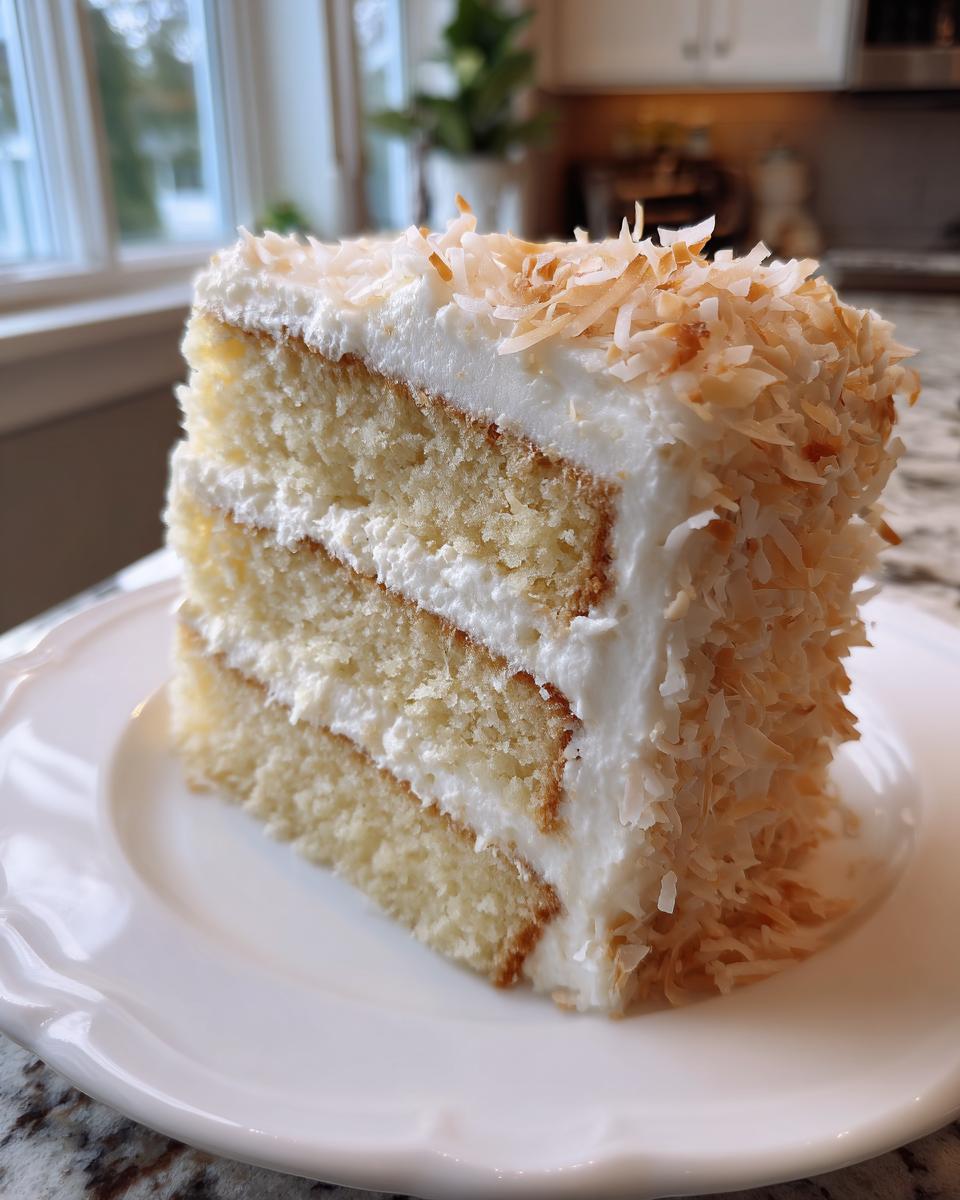
Why This Old-Fashioned Coconut Cake Recipe Works (E-E-A-T)
When you bake a cake from scratch, you want assurance that your hard work will pay off. I learned early on that the magic in a truly moist coconut cake recipe isn’t just the coconut itself; it’s in the subtle science we use before we even turn the oven on. This recipe for a homemade coconut cake shines because we respect the ingredients’ starting temperatures.
It takes a little extra planning, but it’s worth it every single time. This isn’t just another recipe; it’s a technique that delivers that bakery-style tenderness.
Achieving the Perfect Fluffy Coconut Cake Crumb
The secret to making this cake fluffy and tender lies in two simple rules: room temperature dairy and buttermilk. When your butter, eggs, and buttermilk are all at that perfect room temperature, they blend into a beautifully smooth emulsion when mixed. This traps tiny air bubbles in the batter, which is exactly what gives you that light, fluffy structure instead of a dense brick.
And the buttermilk? It brings a necessary little bit of acid. That acid reacts with the baking powder, giving the cake a gentle lift and a slightly more tender crumb overall. Don’t skip either step!
Our Signature Cream Cheese Frosting Recipe
I know a perfect cake deserves the best cake frosting, and for this Southern classic, nothing beats a cream cheese option. The slight tang of the cream cheese cuts through the rich sweetness of the cake layers and the coconut beautifully. It’s not overly sweet, which lets the tropical coconut flavor really take center stage. It spreads like silk, too, which is a huge bonus when you’re layering.
Gathering Ingredients for Your Moist Coconut Cake Recipe
Okay, we’ve covered why this cake is going to work like a dream, but now we need the tools for the job! Since we are aiming for that unbelievably moist crumb, precision matters here. You want to lay all your ingredients out on the counter before you start your mixer, and please, please double-check those temperature notes. Getting everything to room temperature for this coconut cake is non-negotiable for that fluffy texture we want!
I always weigh my dry ingredients when I can, but if you’re spooning flour, make sure you gently spoon it into the cup and level it off. We don’t want to pack it in there!
Ingredients for the Southern Coconut Cake Layers
For the layers that are going to stack up high and soft, here is what you’ll need to pull together:
- 1 3/4 cups all-purpose flour
- 1 3/4 cups granulated sugar
- 1 tablespoon baking powder
- 1/2 teaspoon salt
- 1 cup unsalted butter, softened (make sure it’s softened, not melted!)
- 4 large eggs, room temperature
- 1 cup buttermilk, room temperature
- 1 teaspoon vanilla extract
- 1/2 cup unsweetened coconut milk
- 1 cup sweetened flaked coconut, plus 2 cups for topping (Yes, that’s right—one cup for inside the batter, and two cups reserved for the outside!)
Ingredients for the Cream Cheese Frosting
This rich frosting is what really sets our old fashioned coconut cake apart from the lighter cream versions. It’s tangy, it’s rich, and it holds up wonderfully on a warm day:
- 1/2 cup cream cheese, softened
- 1/2 cup unsalted butter, softened (for frosting)
- 3 cups powdered sugar, sifted
- 1 teaspoon coconut extract
Step-by-Step Instructions for the Old Fashioned Coconut Cake
We’re finally ready to put the mixer to work! Remember how I talked about respecting the technique? That starts right now. Preheat your oven to 350°F (175°C). Get those three 8-inch pans greased, floured, and lined with parchment on the bottom—this extra insurance is key for a clean release, especially with a cake this rich.
Preparing the Cake Batter and Baking
In the big bowl, we start by whisking the dry stuff: flour, sugar, baking powder, and salt. Then, add that 1 cup of softened butter and mix low and slow until it looks like wet sand. Now, in the other bowl is your wet team: eggs, buttermilk, vanilla, and coconut milk—whisk them together until married. Slowly pour the wet mix into the dry mix, stepping up the speed just until it combines. Do not overmix; seriously, stop when the streaks just disappear! Finally, gently fold in that 1 cup of coconut that’s going into the actual cake.
Divide that beautiful batter evenly across your three pans. They need about 25 to 30 minutes. You’ll know they’re done when a toothpick comes out clean. Let them chill in the pans for 10 minutes before turning them out onto a wire rack to cool completely. You can’t frost warm cake—I learned that the hard way when my first attempt ended up looking like frosting soup!
Making the Cream Cheese Frosting and Topping
While those layers cool, we whip up the glaze. Beat that softened cream cheese and the 1/2 cup of butter until they are totally smooth first. Then, slowly add the sifted powdered sugar until everything comes together nicely. A touch of coconut extract goes in last! If it seems stiff, add a splash of milk until it’s perfectly spreadable.
Here’s a little trick for that wonderful bakery style cake look: take about half a cup of your topping coconut and toast it lightly in a dry skillet. Watch it like a hawk; it goes from golden to burnt in about 15 seconds! This adds incredible depth.
Assembling Your Beautiful Coconut Cake
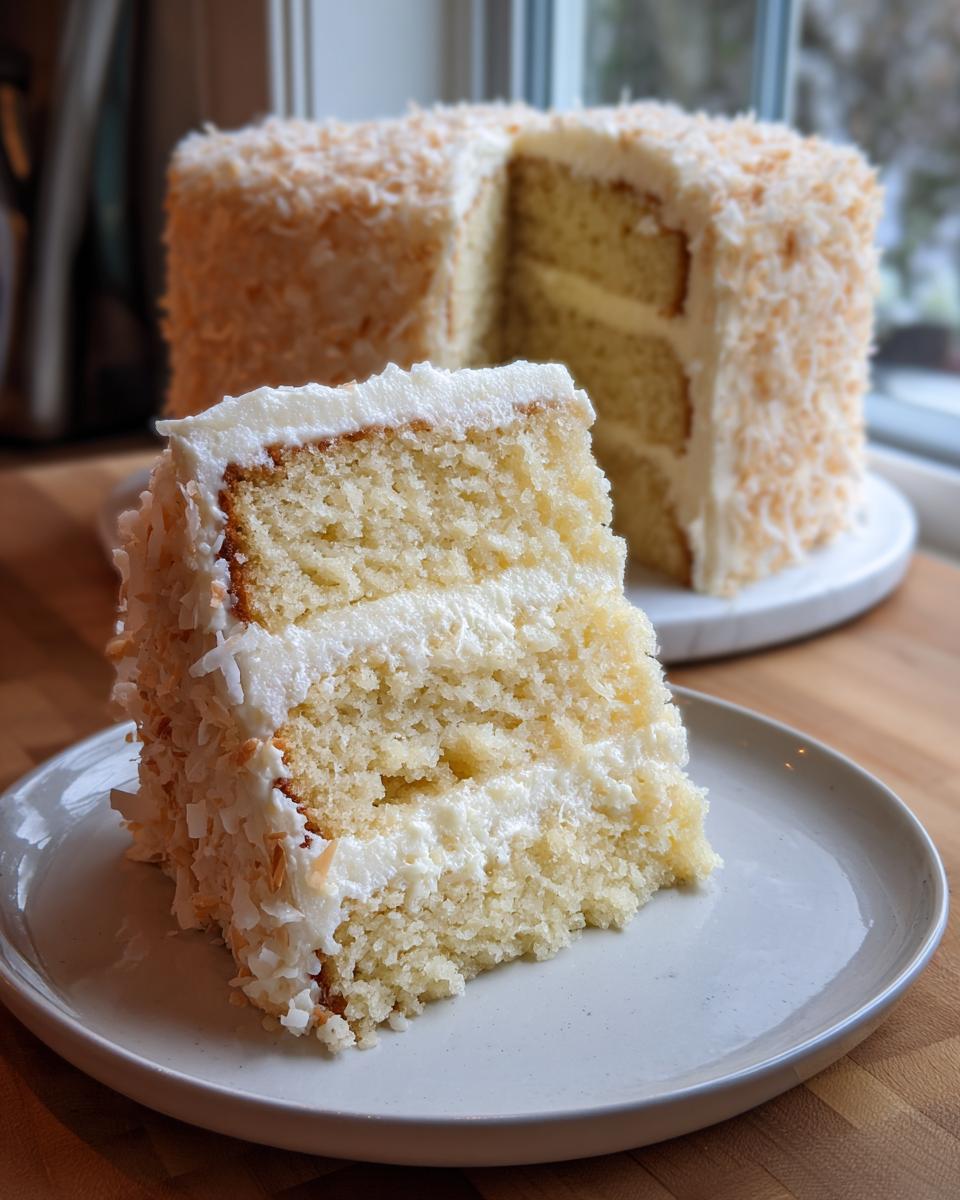
Once those layers are completely cool—I mean stone cold—it’s time to build. Frost the bottom layer, nestle the middle one on top, then frost that one. Cover the top and all the sides with an even coating of the cream cheese frosting. Take those remaining 2 cups of coconut (toasted and untoasted mixed is great!) and gently press them all over the outside. I like to press firmly so every little bit sticks, making sure you get that snowy-white, luxurious finish that makes this Southern favorite so iconic. For more baking blueprints, you can check out some of my other frosting adventures here: vanilla buttercream frosting. If you want to see how others made out, check out this great classic old-fashioned coconut cake example!
Tips for Success: Baking the Best Coconut Cake
You’ve done the hard work, and now we need to make sure this amazing, bakery style cake comes out looking perfect! I’ve learned a few things over the years that help bridge the gap between a good home bake and a truly stunning result. Honestly, most of the issues people have come down to rushing the cooling phase—I’m guilty of it! I once tried to frost a cake just slightly warm because I was late for a gathering, and the cream cheese frosting just sort of melted down the sides. It still tasted good, but it looked… sad. Patience after the oven is just as crucial as careful measurement.
Temperature Matters for Cake Texture
Remember how we talked about room-temperature ingredients being essential for that smooth emulsion? This is worth repeating for the best coconut cake. If your eggs are straight from the fridge, they’ll chill that softened butter, stopping the creaming process before it can even start trapping those vital air bubbles. Make sure your eggs, buttermilk, and butter are genuinely soft and flexible *before* they hit the bowl. This simple rule is the biggest factor in keeping your coconut cake delightfully fluffy instead of heavy.
The Secret to Toasted Coconut Topping
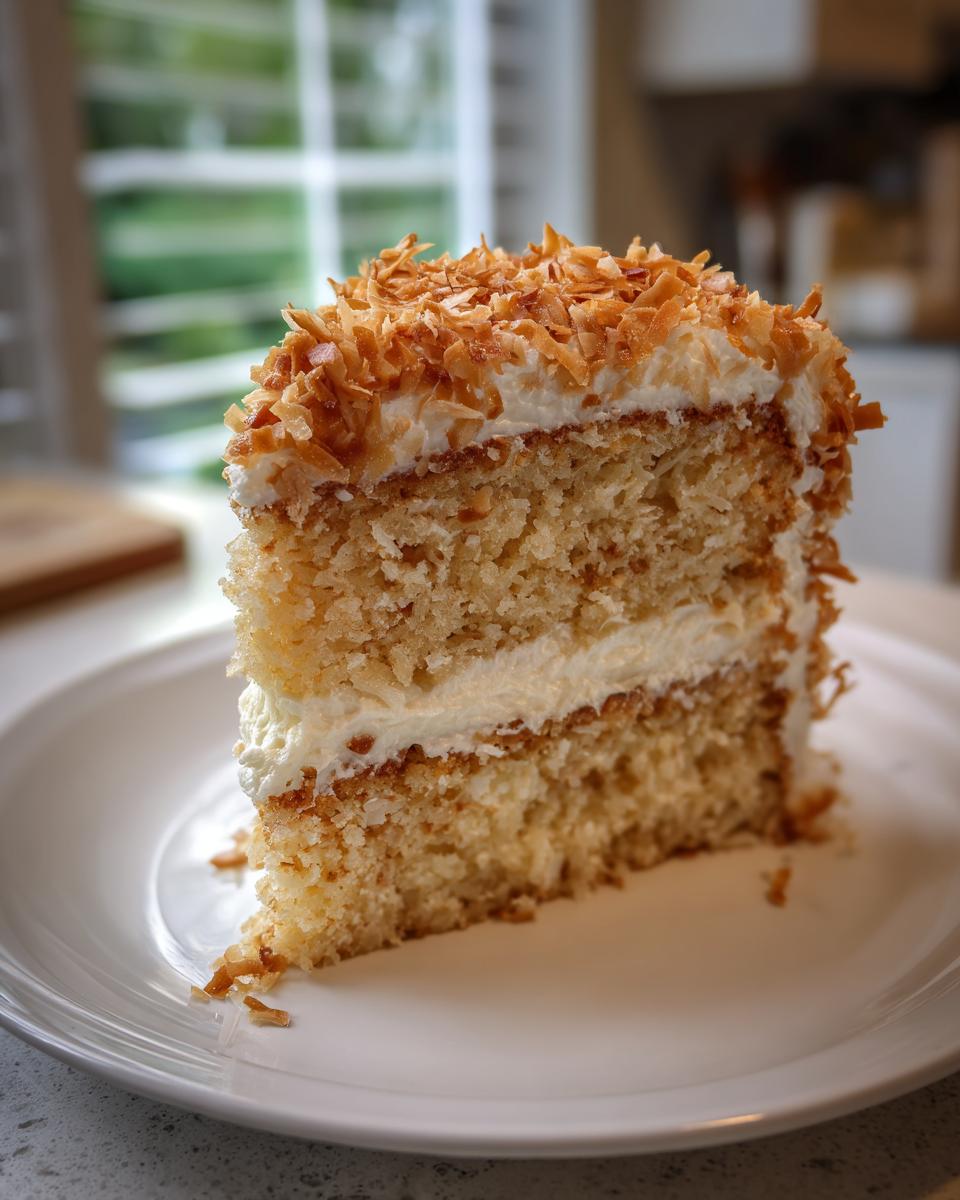
I absolutely insist that you toast your topping coconut flakes. It takes two extra minutes, but the difference is night and day! That smell—warm, nutty, deeply caramel—fills the kitchen and makes the whole experience better. When toasting, use a completely dry skillet over medium heat. You need to stir it constantly, almost like stirring popcorn while it pops, because the little shreds burn incredibly fast. The second they turn golden brown, pull them off the heat immediately! They will continue to cook on the warm pan, so don’t wait until they look perfect on the stove, or they’ll be black moments later.
Variations on the Classic Coconut Cake
One of the best things about having a solid, trustworthy base recipe like this coconut cake is how easily you can tweak it depending on what you’re craving! Since our philosophy here is all about simple ingredients leading to extraordinary meals, I want to show you ways to switch this one up without needing a totally different, complicated recipe. Think of these as little customizations for a change of pace!
Making a Coconut Cream Cake Alternative
If you’ve always dreamed of a lighter, airier texture—maybe what folks call a coconut cream cake—it’s actually a pretty easy swap! This recipe uses a rich cream cheese frosting, which is sturdy, but you can switch that out for something much more delicate for a spring or summertime dessert. Try replacing the frosting entirely with a stabilized whipped cream. Stabilized whipped cream uses a bit of gelatin or cornstarch mixed with the heavy whipping cream, which keeps it from weeping all over your layers while still giving you that melt-in-your-mouth cloud texture. It makes the whole cake feel much lighter!
Adding Tropical Notes to Your Coconut Cake
Sometimes you just need a little more sunshine in your desserts, right? If you want to lean into those tropical cake recipes vibes, I have two quick suggestions that work wonders. First, try adding zest from one whole lime into your cream cheese frosting mixture. Trust me, that tiny bit of bright citrus cuts through the sweetness perfectly and really enhances the coconut flavor.
Second, for a bolder flavor punch in the cake itself, you can use a little less coconut milk and replace it with pineapple juice. You only need about half a cup total. It adds a pleasant, subtle tartness that keeps the cake tasting fresh. If you want to check out another simple, fruity layer cake idea, I just shared my recipe for a fantastic apple bundt cake with cinnamon glaze over here. Don’t forget to check out Ina Garten’s famous version for inspiration if you’re curious about other approaches to a great coconut cake, too!
Serving Suggestions for This Celebration Coconut Cake
So, you’ve baked the most glorious, moist, towering coconut cake imaginable! Now, how do we serve it up to make the moment truly special? Since this cake already packs a tropical punch and carries the richness of that cream cheese frosting, you want pairings that complement it, not compete with it. This is the kind of cake that deserves its own moment in the spotlight, whether it’s sitting pretty as a centerpiece for your Easter dessert table or being served up during a cozy summer evening gathering.
We think of this as a true celebration cake. It’s got the drama and the flavor to stand up at any holiday party, making it one of our go-to holiday cake recipes when company is over.
Pairing Drinks with Your Dessert
You don’t want a super sugary drink overwhelming the delicate balance of the coconut and the slight tang of the frosting. For me, simplicity wins here. A high-quality, freshly brewed cup of coffee is always a winner—the slight bitterness cuts through the sweetness perfectly. If you prefer tea, go for a clean, light flavor profile like a classic Earl Grey or even a simple, unsweetened iced black tea if you’re serving this as a cool summer dessert.
If you happen to be having a weekend brunch where this is making an appearance, a nice, light prosecco or even a classic mimosa works beautifully because those slight bubbles and fruit notes echo the tropical sweetness without being heavy. Just make sure whatever you serve is as lovely as the cake!
Storage and Reheating Instructions for Leftover Coconut Cake
Oh, the glorious dilemma of having leftovers from the best coconut cake! This is a cake that actually tastes better the next day, provided you treat it right. Because we used that luscious cream cheese frosting, we have to be a little more careful than if we used a simple buttercream or glaze. Cream cheese is sensitive to temperature, and humidity is its mortal enemy!
If you need to store it overnight, you absolutely must cover it. Don’t just slap foil on it! The biggest issue with leftover coconut cake is that the gorgeous coconut topping dries out if it’s exposed to the air, and the cake layers can get a bit stale faster than we want.
For short-term storage (1 to 2 days), keep the frosted cake loosely covered in the refrigerator. ‘Loosely covered’ means tenting a piece of foil over it so it doesn’t touch the frosting, or using a cake dome that leaves space around the sides. This keeps the cold air out, which stops the frosting from getting that slightly sweaty texture or absorbing odd fridge smells.
If you are planning on keeping it longer than two days, freezing those slices is the way to go. Let the cake sit at room temperature for about 30 minutes after it comes out of the fridge before wrapping each slice tightly, first in plastic wrap, and then in foil. This double wrap prevents freezer burn and locks in all that moisture we worked so hard to achieve. When you’re ready to eat it again, just let the slice thaw on the counter for an hour or so. I promise, you won’t even notice it was frozen—it comes back to that soft, fluffy coconut cake texture beautifully!
Frequently Asked Questions About Making Coconut Cake
When you dive into a truly special recipe like this, sometimes little questions pop up about making it perfect for your situation. I totally get it! Baking should be joyful, not stressful, so here are a few things folks often ask me about perfecting their coconut cake. I always try to keep things simple, just like the guidelines for this creamy peanut sauce I shared recently—sometimes the simplest fixes are the best!
Can I use regular milk instead of buttermilk in this moist coconut cake recipe?
You sure can, in a pinch! While I highly recommend using real buttermilk because that little bit of acid helps tenderize the crumb beautifully, if you’re desperate, you can whip up your own substitute. Just take 1 cup of regular whole milk—no fat-free stuff here—and stir in one tablespoon of white vinegar or lemon juice. Let that mixture sit on the counter for about five to ten minutes until it looks slightly curdled. That’s your buttermilk replacement, ready for your moist coconut cake recipe!
How do I prevent the coconut topping from falling off?
This is a classic problem, especially if you’re trying to speed things up! The main reason the coconut flakes don’t stick is that the underlying frosting is either too warm or too thin. Do not, under any circumstances, try to frost your layers until they are absolutely, completely cool. Once they are cooled, apply your cream cheese frosting generously to the top and sides. Then, take your toasted or untoasted coconut and gently, but firmly, press it into the frosting. Think of it like patting wet sand into a sandcastle—you need gentle pressure to get it to adhere. Sometimes I even use my hands to lightly pat the flakes onto the sides.
Can this layer cake recipe be made ahead of time?
Yes, this layer cake recipe is fantastic for making ahead, which is perfect if you’re busy before a big gathering! You have two options: Bake the layers first. Let them cool completely, then wrap them tightly in plastic wrap and foil and store them at room temperature for up to two days, or freeze them for a month. If you freeze them, thaw overnight.
For the frosting, the cream cheese frosting needs to be refrigerated if you aren’t using it right away. If you frost the cake ahead of time, you must keep it refrigerated. It’s always best to take the frosted cake out of the fridge about an hour before serving so the cream cheese frosting can soften up just a bit. If you want to see how Paula Deen handles her make-ahead Southern desserts, take a peek at some of those tips over here for comparison!
Baking Memories: Share Your Coconut Cake Creation
That’s it! You’ve successfully navigated making what I truly believe is the best coconut cake out there. Now comes my favorite part: hearing about your baking adventures! For me, food truly becomes magical when it’s shared, and that’s the whole point of running this blog—proving that you can create something impressive and delicious without all the fancy fuss.
If this recipe brought a little slice of the Southern sunshine to your kitchen, please, please let me know. Did you add extra coconut extract? Did you try the toasted topping? Did your family already ask for the recipe card? Let’s talk about it!
Head down to the comments below and leave a rating for this homemade coconut cake. Knowing what works for you in your kitchen helps me keep refining these recipes. And if you snap a picture of your beautiful, fluffy creation, I’d love to see it! You can always reach out to me directly through my contact page if you have a specific question about your result.
Making a fantastic cake is about more than just following steps; it’s about creating a memory worth savoring. I hope this tradition becomes yours, too!
PrintMoist Old-Fashioned Southern Coconut Cake with Cream Cheese Frosting
Create a truly memorable dessert with this old-fashioned Southern coconut cake recipe. You get moist, fluffy layers paired with a rich, tangy cream cheese frosting and covered in sweet coconut flakes. This is the best coconut cake for holidays or any gathering.
- Prep Time: 30 min
- Cook Time: 30 min
- Total Time: 60 min
- Yield: 12 servings 1x
- Category: Dessert
- Method: Baking
- Cuisine: American
- Diet: Vegetarian
Ingredients
- 1 3/4 cups all-purpose flour
- 1 3/4 cups granulated sugar
- 1 tablespoon baking powder
- 1/2 teaspoon salt
- 1 cup unsalted butter, softened
- 4 large eggs, room temperature
- 1 cup buttermilk, room temperature
- 1 teaspoon vanilla extract
- 1/2 cup unsweetened coconut milk
- 1 cup sweetened flaked coconut, plus 2 cups for topping
- 1/2 cup cream cheese, softened
- 1/2 cup unsalted butter, softened (for frosting)
- 3 cups powdered sugar, sifted
- 1 teaspoon coconut extract
Instructions
- Preheat your oven to 350°F (175°C). Grease and flour three 8-inch round cake pans. Line the bottoms with parchment paper.
- In a large bowl, whisk together the flour, sugar, baking powder, and salt.
- Add the 1 cup of softened butter and mix on low speed until the mixture resembles coarse sand.
- In a separate bowl, whisk together the eggs, buttermilk, vanilla extract, and coconut milk until combined.
- Gradually add the wet ingredients to the dry ingredients, mixing on medium speed until just combined. Do not overmix.
- Gently fold in the 1 cup of sweetened flaked coconut.
- Divide the batter evenly among the prepared cake pans.
- Bake for 25 to 30 minutes, or until a wooden pick inserted into the center comes out clean. Let the cakes cool in the pans for 10 minutes before inverting them onto a wire rack to cool completely.
- While the cakes cool, prepare the cream cheese frosting: Beat the softened cream cheese and 1/2 cup softened butter together until smooth.
- Gradually add the sifted powdered sugar, mixing until combined. Beat in the coconut extract.
- If the frosting seems too thick, add a tablespoon of milk until you reach a spreadable consistency.
- Once the cakes are completely cool, place the first layer on a serving plate. Spread a layer of frosting over the top.
- Place the second layer on top and frost it. Add the final layer and frost the top and sides of the entire cake.
- Press the remaining 2 cups of sweetened flaked coconut onto the top and sides of the cake. For extra flavor, lightly toast the topping coconut in a dry skillet over medium heat until golden brown before applying.
Notes
- For the moistest cake, make sure your eggs, buttermilk, and butter are at true room temperature. This helps create a smooth emulsion.
- Toasted coconut topping adds a depth of flavor and crunch that makes this cake bakery style. Watch it closely as it burns fast.
- If you prefer a slightly tangier frosting, increase the cream cheese to 6 ounces.
Nutrition
- Serving Size: 1 slice
- Calories: 450
- Sugar: 55g
- Sodium: 250mg
- Fat: 24g
- Saturated Fat: 15g
- Unsaturated Fat: 9g
- Trans Fat: 0.5g
- Carbohydrates: 60g
- Fiber: 2g
- Protein: 5g
- Cholesterol: 85mg