

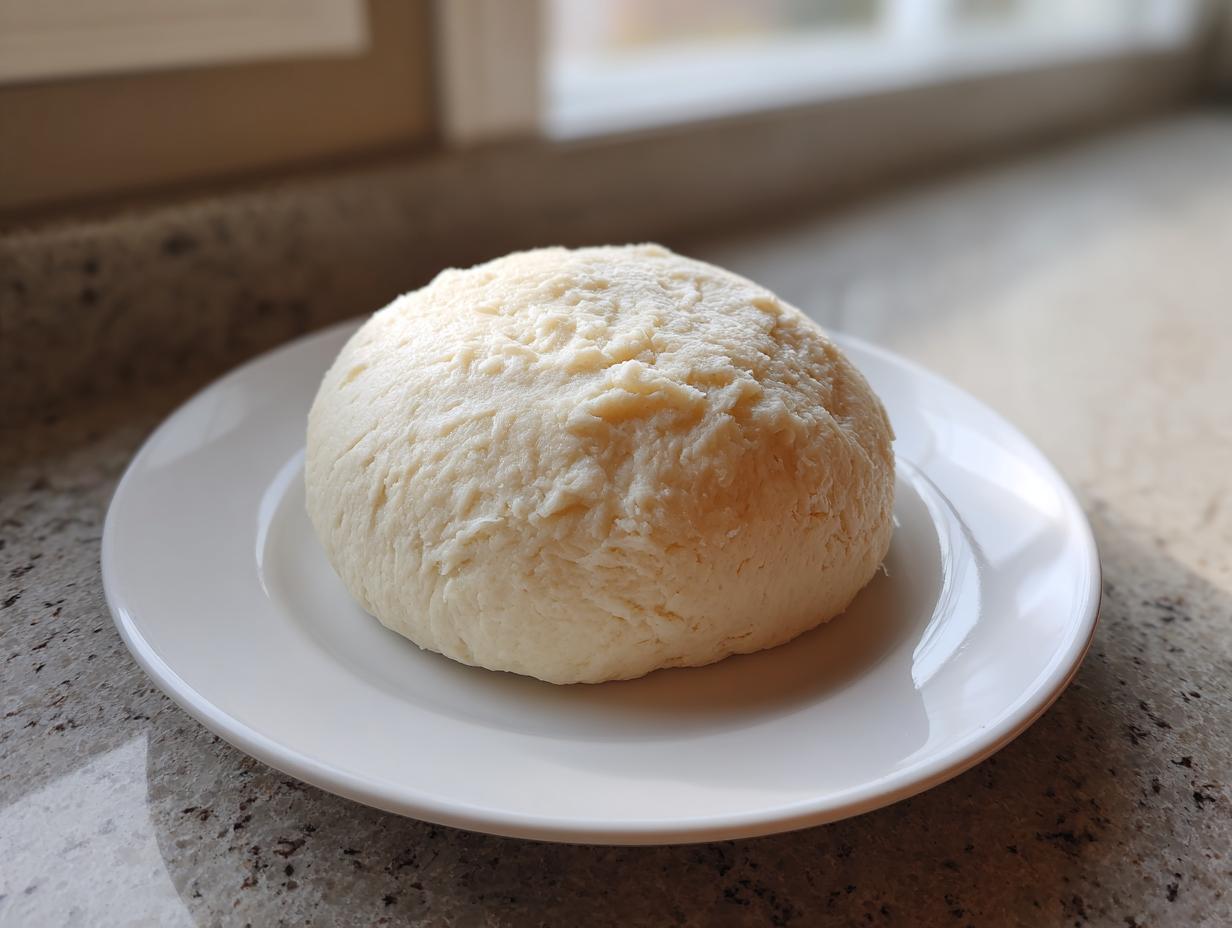
When you need real comfort food, something satisfying that anchors your whole meal, nothing beats a traditional staple. I know that diving into authentic West African cuisine can seem intimidating, but I promise you, that’s not how we do things here at Taste This Plate. That’s why I’m thrilled to share the Ultimate Easy & Authentic West African Fufu for Beginners. We’re talking about that incredible, pliable, smooth fufu dough ready in just 15 minutes total! My goal, just like always, is to take something that sounds complex and prove it can be simple and trustworthy right in your own kitchen. If you’ve ever enjoyed a great homestyle chicken and gravy, you know that simple ingredients make the best memories—this fufu is no different. Get ready for incredible flavor delivery!
- What is Fufu? Understanding This African Comfort Food Staple
- Ingredients for Your Ultimate Easy Fufu Recipe
- How to Make Fufu: Step-by-Step Homemade Fufu Instructions
- Tips for Success When Making Fufu
- What to Eat With Fufu: Hearty African Stew Pairings
- Storage and Reheating Instructions for Leftover Fufu
- Frequently Asked Questions About Making Fufu
- Nutritional Estimate for This Easy Fufu Recipe
- Share Your Homemade Fufu Experience
What is Fufu? Understanding This African Comfort Food Staple
If you’re new to West African food recipes, you might be wondering exactly what fufu is—and that’s okay! It’s a staple for a reason, and understanding its role makes the whole meal better. Fufu is what we call a Traditional African swallow. Think of it as the perfect edible scoop or vehicle. It doesn’t have a strong flavor on its own, which is exactly what makes it the ideal partner for rich, flavorful dishes like Egusi Soup or Light Soup, which you can find plenty of inspiration for over at my soups and stews collection!
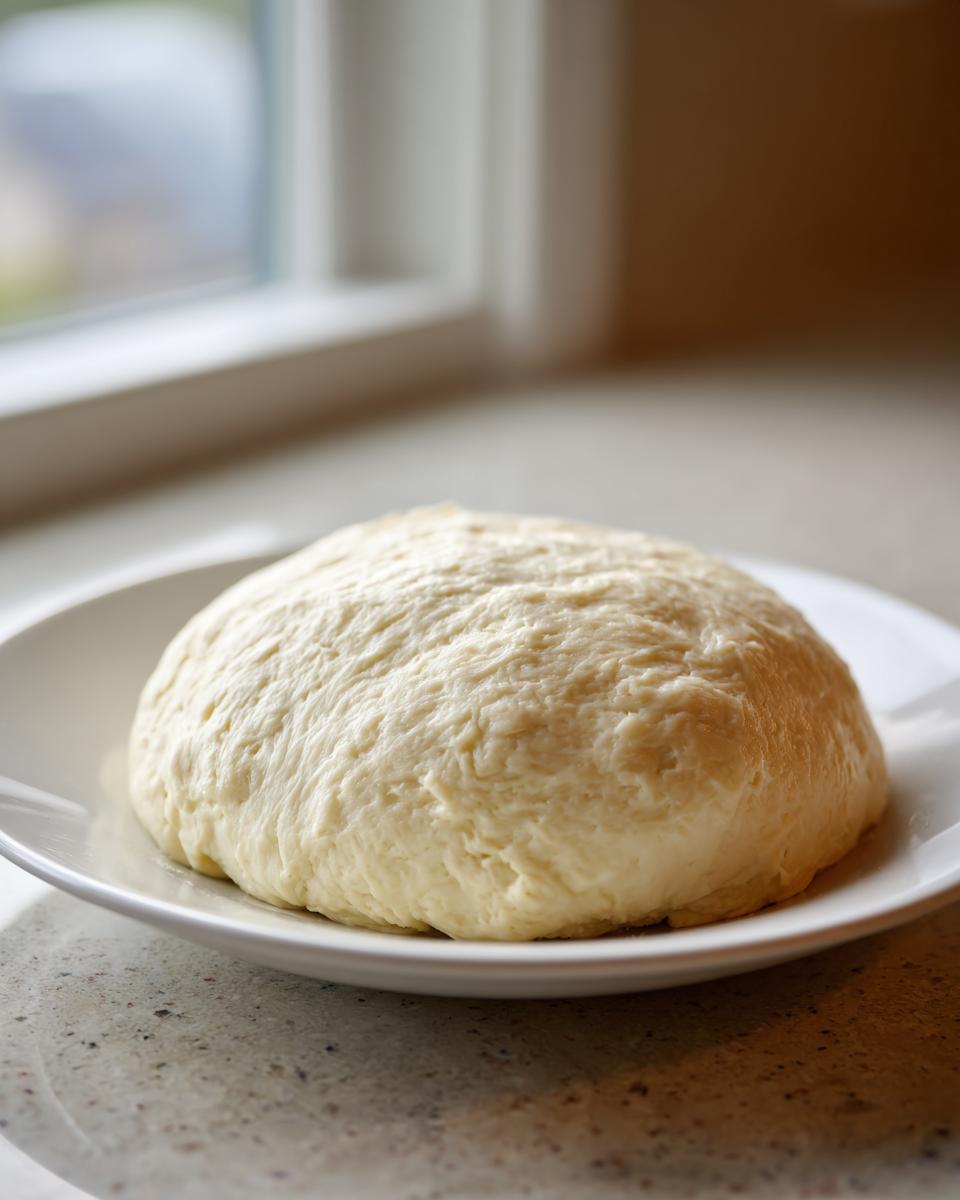
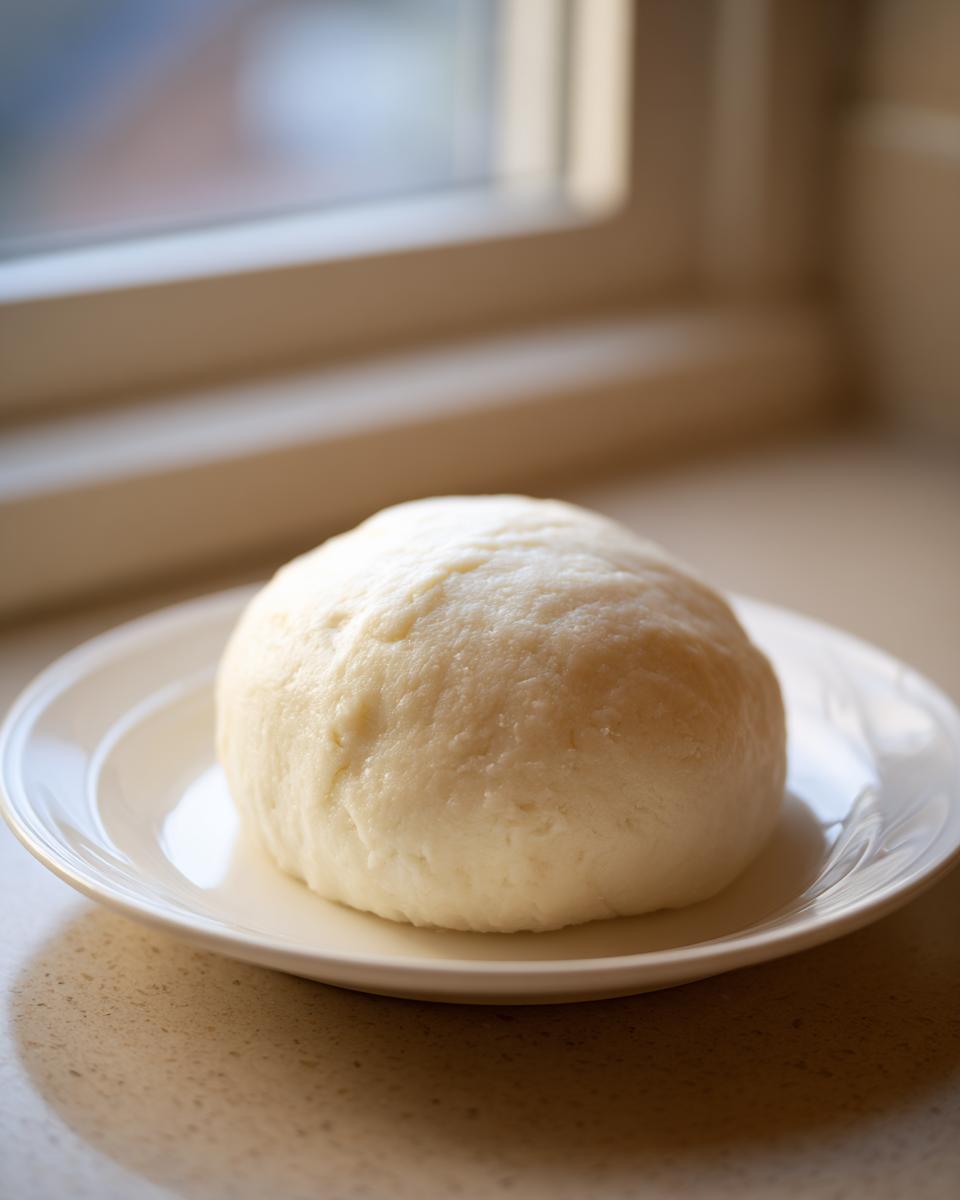
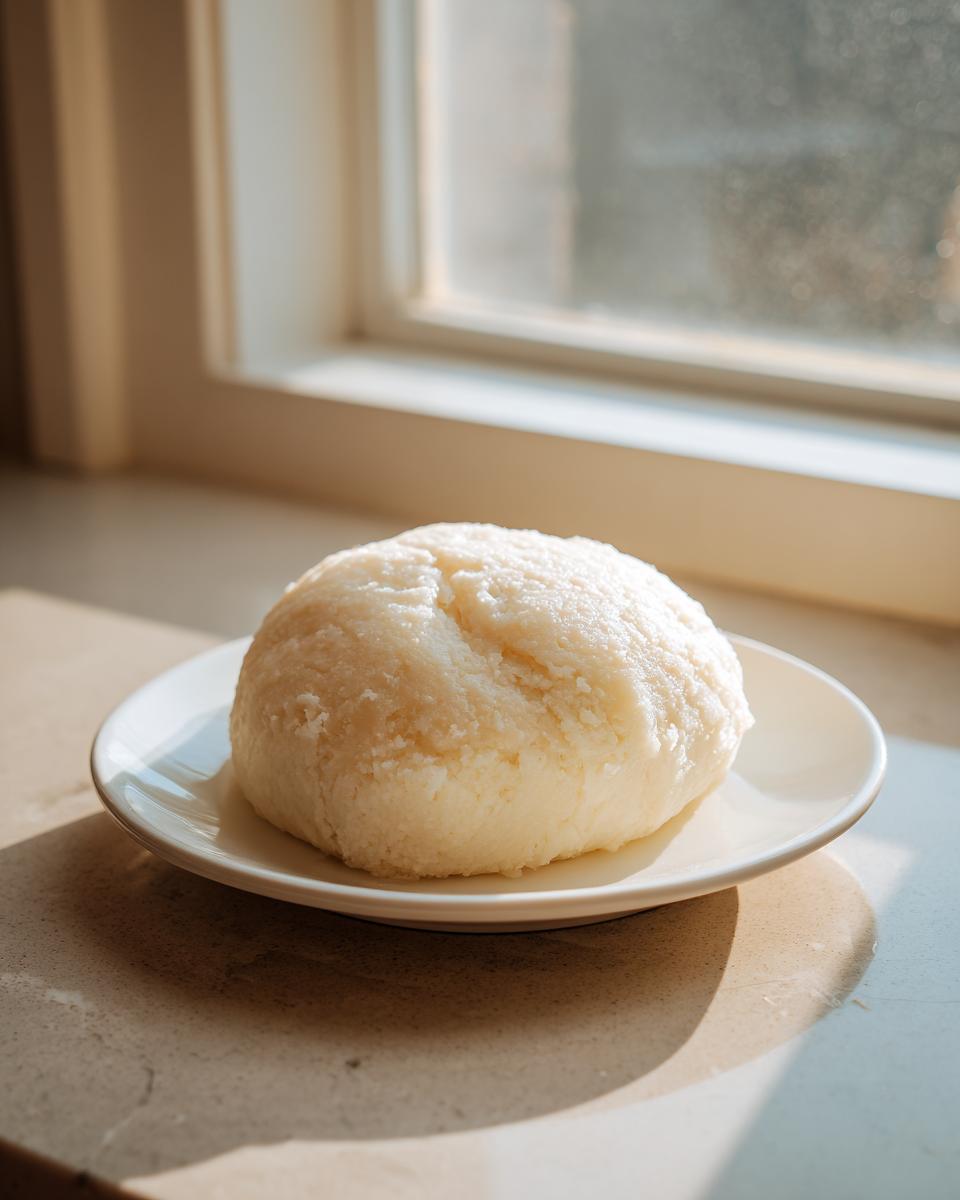
Its texture is the real key here. You want it pliable, dough-like, and smooth enough that you can pinch off a small piece, roll it between your fingers, and use it to scoop up that hearty sauce. It’s the ultimate African comfort food, grounding everything else on your plate. People often serve this during special gatherings, and it’s certainly a centerpiece during holidays! For more cultural background on this amazing dish, definitely check out this great resource on West African Fufu.
Choosing Your Starch for Authentic Fufu Preparation
The beauty of fufu is that different regions use different bases to achieve that signature dough. You might see recipes calling for pounded yam or even plantain. For this quick method, which I call my Easy fufu recipe, we are relying on Cassava fufu recipe made with cassava flour. Why cassava? Honestly, it cooks up faster and gives us that beautifully smooth consistency we are after without requiring hours of pounding!
You absolutely can experiment later with instant yam flour or plantain flour if you want to explore different textures, but for your first time, stick with the cassava flour. It’s the most reliable way to guarantee success when aiming for that classic, slightly stretchy result.
Ingredients for Your Ultimate Easy Fufu Recipe
When making this quick fufu, the ingredient list is beautifully short. That’s part of why it’s so perfect for beginners! You only need three things to get started, and we’ll use cassava flour as our go-to base for this recipe.
- 2 cups Cassava Flour (make sure this is the right type for cooking!)
- 3 cups Water
- 1/2 teaspoon Salt (if you like a tiny bit of seasoning)
Ingredient Clarity and Substitutions for Fufu
Let’s talk specifics because the flour choice matters. For this recipe, I highly recommend using Cassava Flour; it dissolves and thickens up so smoothly, which helps tremendously when you’re aiming for that smooth fufu dough by hand. Remember, salt is totally optional—I usually skip it so the fufu just carries the full flavor of whatever soup I’m serving it with. If you decide to use yam flour or plantain flour instead, just be prepared that you might need to adjust your water slightly as they hydrate differently. This simple method ensures you get a truly authentic result that is also wonderfully gluten free African food!
How to Make Fufu: Step-by-Step Homemade Fufu Instructions
Alright, don’t let the stovetop method scare you! These Homemade fufu instructions are your direct path to that perfect, restaurant-quality dough, and they only take about 15 minutes total. The trick, seriously, is aggressive stirring. Once that water starts boiling, knock the heat down to low. You need to drizzle in that cassava flour slowly, maybe a quarter cup at a time, while stirring like crazy with your wooden spoon. Don’t stop stirring, or you’ll end up with hard little lumps instead of that glorious smooth fufu dough.
Once you’ve mixed in all the flour, the mixture will suddenly turn into this incredibly thick, heavy dough. Now, this is where my personal technique comes in: You absolutely need a sturdy wooden spoon here—one with a good strong handle! I’ve tried whisks, and they honestly just don’t give you the leverage you need when this thing gets heavy. You need to cook and stir this dough constantly over low heat for a solid 5 to 8 minutes. This cooking time is non-negotiable; it sets the starch structure!
I always check my progress by smashing the dough against the side of the pot a few times while stirring. This constant action develops the elasticity. If you want inspiration for dinner while you stir, maybe look up an easy soup to have on hand while you work on this, or check out this guide on making fufu dough in 15 minutes!
Achieving the Perfect Stretchy Fufu Texture
That pressing and folding action I mentioned during the cooking time? That’s not just for show, honey! That rigorous folding is what truly creates that signature stretchy fufu texture. You are gelatinizing the starch right there in the pot, making the dough more pliable and giving it that gorgeous elasticity that lets you easily roll it into a smooth ball later on.
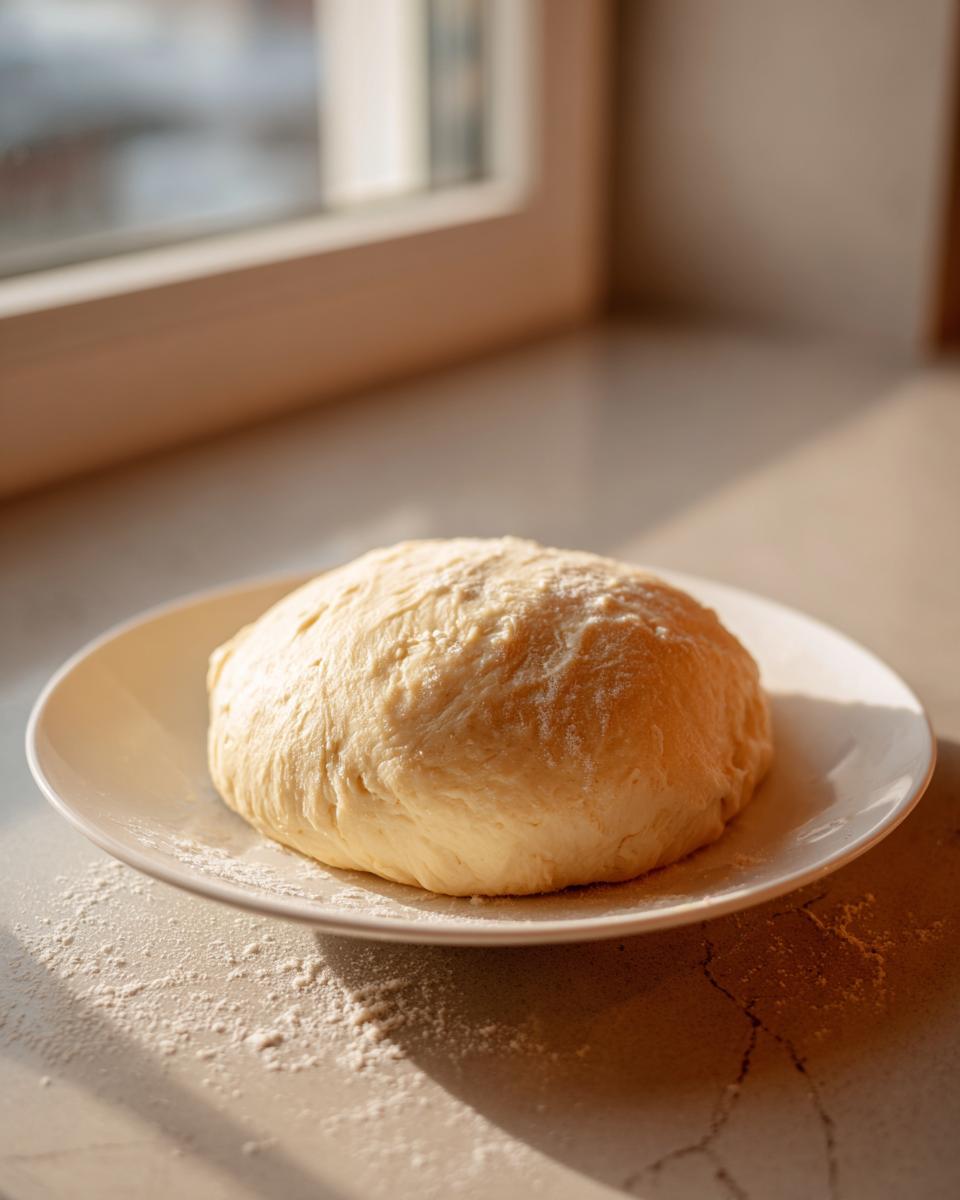
How do you know when you’re done? It’s simple: the dough should start pulling cleanly away from the sides of your pot as you stir and fold it. It won’t be sticky to the touch when you test it (though always wet your hands before handling!), and it should feel springy when you press it with the back of your spoon. If it’s still slumping in a messy pile, give it another minute or two of folding!
Tips for Success When Making Fufu
Even though this is truly the best Beginner fufu guide out there, a few little pointers can take you from good to absolutely perfect. First thing: don’t even think about trying to walk away once the dough is mixed. That low heat cooking and stirring phase is critical, and if you let it sit unattended, you risk lumps or scorching the bottom. Keep that wooden spoon moving!
Also, remember that heat is your friend right up until the moment you serve it. Fufu likes to firm up as it cools down, so if you want that wonderful, soft, pliable texture, you need to shape it immediately after taking it off the heat. Wet your hands with cool water—this stops the sticky dough from clinging to you—and roll those balls quickly, then get them straight onto the plates alongside your piping hot soup or stew. Seriously, eat this right away for the best experience! It pairs just as wonderfully with rich sauces as homestyle chicken and gravy does.
What to Eat With Fufu: Hearty African Stew Pairings
Okay, you’ve mastered the dough—it’s smooth, it’s stretchy, and it’s ready to go! Now, we need the perfect partner for this delicious staple. Since fufu itself has such a mild, comforting flavor, it really shines when paired with intensely flavored, rich sauces. Think of it as the perfect neutral foundation for all that amazing West African flavor!
When I’m making this, I always make sure I have a big pot of something savory simmering on the stove. You absolutely have to try serving your fufu with Fufu with egusi soup; that ground melon seed soup is nutty, earthy, and just fantastic. Another phenomenal option that gives you those deep, satisfying flavors we crave in Hearty African stew pairings is Light Soup (Omo Tuo). Don’t forget about peanut soup either—the creaminess works beautifully!
Honestly, my favorite pairing right now is a dish packed with leafy greens; it feels so wholesome and complete. That mild fufu texture soaks up every single drop of sauce, ensuring you don’t waste a bit of flavor. If you’re looking for amazing soup ideas to serve alongside your homemade fufu, pop over to my collection of soups and stews recipes! And if you want to see a masterclass on that famous stew pairing, check out this guide to Egusi and Fufu.
Storage and Reheating Instructions for Leftover Fufu
Now, I have to be honest with you: there is nothing, absolutely nothing, that beats fresh fufu right out of the pot. It’s the standard we are aiming for! That’s why I always try to make just the right amount for our dinner.
But if you do have leftovers—and sometimes we do, because it’s so good—you need to treat it right. Store that fufu in a really airtight container in the fridge. It firms up quickly once it cools, which is normal. When you’re ready to eat it the next day, don’t just microwave it dry! You need to add just a tiny splash of water to whatever portion you are reheating. Then, microwave it in short bursts or briefly steam it. That little bit of moisture brings back that soft, pliable texture we worked so hard to achieve!
Frequently Asked Questions About Making Fufu
It’s completely normal to have questions when you’re trying a new Traditional African swallow for the first time, especially when texture is so important! I’ve gathered up the ones I hear most often about achieving the perfect smooth fufu dough so you can feel confident taking on this recipe. Remember, mastering fufu is just one step on your journey into West African food recipes, so if it feels a little challenging at first, that’s okay!
Can I use instant potato flakes instead of cassava flour for fufu?
That’s a great question about substitutions! While you absolutely can make a quick dough using instant potato flakes, I strongly advise against it if your goal is authentic fufu. Potato flakes tend to create a consistency that’s a bit gluey or mushy when they cool down, and you won’t get that beautiful, slightly elastic, stretchy fufu texture we are aiming for. For the best result in this Beginner fufu guide, please stick to specialized cassava, yam, or plantain flour. Those are formulated to mimic the starches found in traditional pounded versions.
How long should I cook the fufu dough once it thickens?
This is key for proper texture! Once you have incorporated all your flour and you have a very thick dough mass in the pot, you absolutely must continue to cook it over really low heat for 5 to 8 minutes minimum. You should be stirring and folding vigorously the entire time. This extended cooking time over low heat is what fully cooks the starch granules. If you pull it off the heat too soon, your fufu just won’t develop that necessary pliability and might taste slightly raw. Trust me on this cooking time—it’s what separates a good batch from a great batch!
If you’re curious about what fufu tastes like alongside those delicious soups, you should definitely read up on that over at What Does Fufu Taste Like—it’s a fun read!
Nutritional Estimate for This Easy Fufu Recipe
Now, I know some of you are tracking your macros or just curious about what you’re putting into your body, and that’s smart cooking! While this is an authentic, hearty meal, it’s surprisingly easy on fat and cholesterol, which I love. Remember, because we are using simple starch flour and water, these numbers are just guides. They’ll change a bit depending on the exact brand of cassava flour you pick up or if you added salt, so please treat these as estimates, okay?
For one serving—which the recipe yields about four balls—here is what you can generally expect from this wonderfully simple dough staple!
- Serving Size: 1 ball
- Calories: Approximately 220
- Carbohydrates: Around 50g
- Protein: About 1.8g
- Total Fat: Very low, around 0.2g
See? Naturally low in fat, which means it’s doing exactly what it should—acting as the perfect, neutral companion to your rich, savory West African food recipes. You get your energy from the substantial carbohydrates, setting you up perfectly for a filling meal that truly feels like home!
Share Your Homemade Fufu Experience
Now that you’ve got the ultimate guide for making unbelievably smooth fufu, the best part is seeing what you create! I absolutely love getting messages from you all when you nail a recipe for the first time. It genuinely makes my day here at the kitchen table.
When you finish rolling those warm, perfect balls, please come right back here and drop a comment below! I want to know how it went. Did you achieve that perfect pliable texture? And most importantly: what incredible dish did you pair it with? Let me know if you went for the classic Egusi Soup or maybe tried one of the other hearty African stew pairings we talked about.
If this Easy fufu recipe made your dinner a success, please consider giving it a solid five stars right on the recipe card! Your rating helps other home cooks who might be hesitant about tackling a new Traditional African swallow feel confident in trying it out for themselves. You can also reach out to me directly using my contact page if you have any lingering cooking questions!
Happy cooking, everyone. I can’t wait to hear how your homemade fufu turns out!
PrintUltimate Easy & Authentic West African Fufu for Beginners

Learn how to make smooth, pliable fufu using cassava flour. This beginner-friendly recipe delivers the traditional West African staple texture quickly, perfect for pairing with your favorite hearty soups and stews.
- Prep Time: 5 min
- Cook Time: 10 min
- Total Time: 15 min
- Yield: 4 servings 1x
- Category: Side Dish
- Method: Stovetop Cooking
- Cuisine: West African
- Diet: Gluten Free
Ingredients
- 2 cups Cassava Flour (or Yam Flour/Plantain Flour)
- 3 cups Water
- 1/2 teaspoon Salt (optional)
Instructions
- Measure the water into a medium saucepan and bring it to a boil over medium-high heat. Add salt if you are using it.
- Once the water is boiling, reduce the heat to low.
- Slowly sprinkle about 1/4 cup of the cassava flour into the boiling water while stirring constantly with a wooden spoon or sturdy whisk. The mixture will begin to thicken immediately.
- Continue adding the remaining cassava flour gradually, stirring vigorously to break up any lumps. You must stir constantly to achieve a smooth, lump-free consistency.
- Once all the flour is incorporated, the mixture will form a thick, heavy dough. Continue to cook and stir the dough over low heat for about 5 to 8 minutes. This cooking time is important to ensure the starch is fully cooked and the fufu is smooth and stretchy.
- Use the back of your wooden spoon to press and fold the dough against the sides of the pot repeatedly. This action helps develop the classic smooth, pliable texture.
- Remove the fufu from the heat. Wet your hands slightly and shape the dough into smooth, round balls.
- Serve immediately while warm with West African comfort food like Egusi Soup or Light Soup.
Notes
- For the smoothest texture, use a sturdy wooden spoon or a dedicated fufu mixer. You need firm stirring to eliminate lumps.
- If you prefer yam fufu preparation or plantain fufu, substitute the cassava flour with the equivalent amount of instant yam flour or plantain flour. The cooking time may vary slightly.
- Fufu is naturally gluten free, making it a great option for those seeking gluten free African food.
- This dough staple African meal is best eaten the day it is made.
Nutrition
- Serving Size: 1 ball
- Calories: 220
- Sugar: 0.1
- Sodium: 5
- Fat: 0.2
- Saturated Fat: 0.1
- Unsaturated Fat: 0.1
- Trans Fat: 0.0
- Carbohydrates: 50
- Fiber: 1.5
- Protein: 1.8
- Cholesterol: 0