

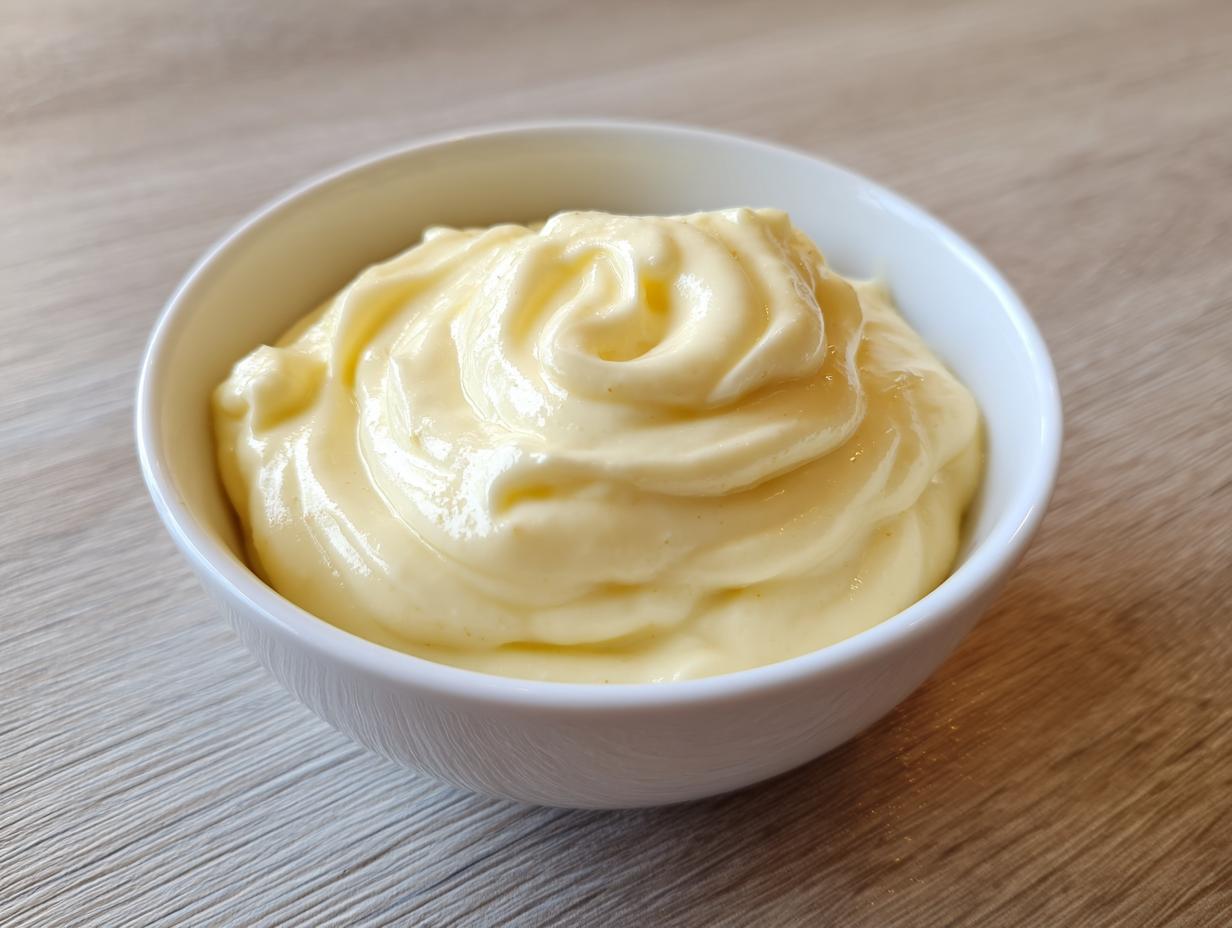
We all have those pantry staples we buy every single week—bottled ranch, store-bought ketchup, and, yes, that big jar of mayonnaise. But what if I told you that one of the most used condiments in your fridge is incredibly simple to upgrade? Seriously, toss out the jarred stuff! Making your own homemade mayonnaise isn’t just a fun kitchen trick; it’s a revelation.
This recipe is my go-to because it’s truly failproof, and I mean it. We’re talking creamy, rich, thick mayonnaise made from scratch in less than five minutes using just your blender. My philosophy means we skip the stress, use basic ingredients you already have, and create something truly superior. This quick DIY mayo will change how you think about kitchen staples forever. Why wait for a fancy occasion when you can whip up amazing homemade sauces like this on a Tuesday?
- Why This Easy Homemade Mayonnaise Recipe Works Every Time
- What You Need for Your Homemade Mayonnaise
- Step-by-Step Blender Mayonnaise Secret Instructions
- Tips for Success Making Mayonnaise at Home
- How to Store Your Fresh Food Condiments
- Serving Suggestions for Your Creamy Mayonnaise Recipe
- Frequently Asked Questions About Homemade Mayonnaise
- Understanding the Nutrition of Homemade Condiments
- Share Your Homemade Mayonnaise Creations
Why This Easy Homemade Mayonnaise Recipe Works Every Time
The number one reason I want you to try making aioli or mayo at home is that you ditch all those complicated stabilizers and preservatives they load into the jarred stuff. What we end up with is a Best Homemade Mayo Tutorial that truly highlights the flavor of the oil you choose.
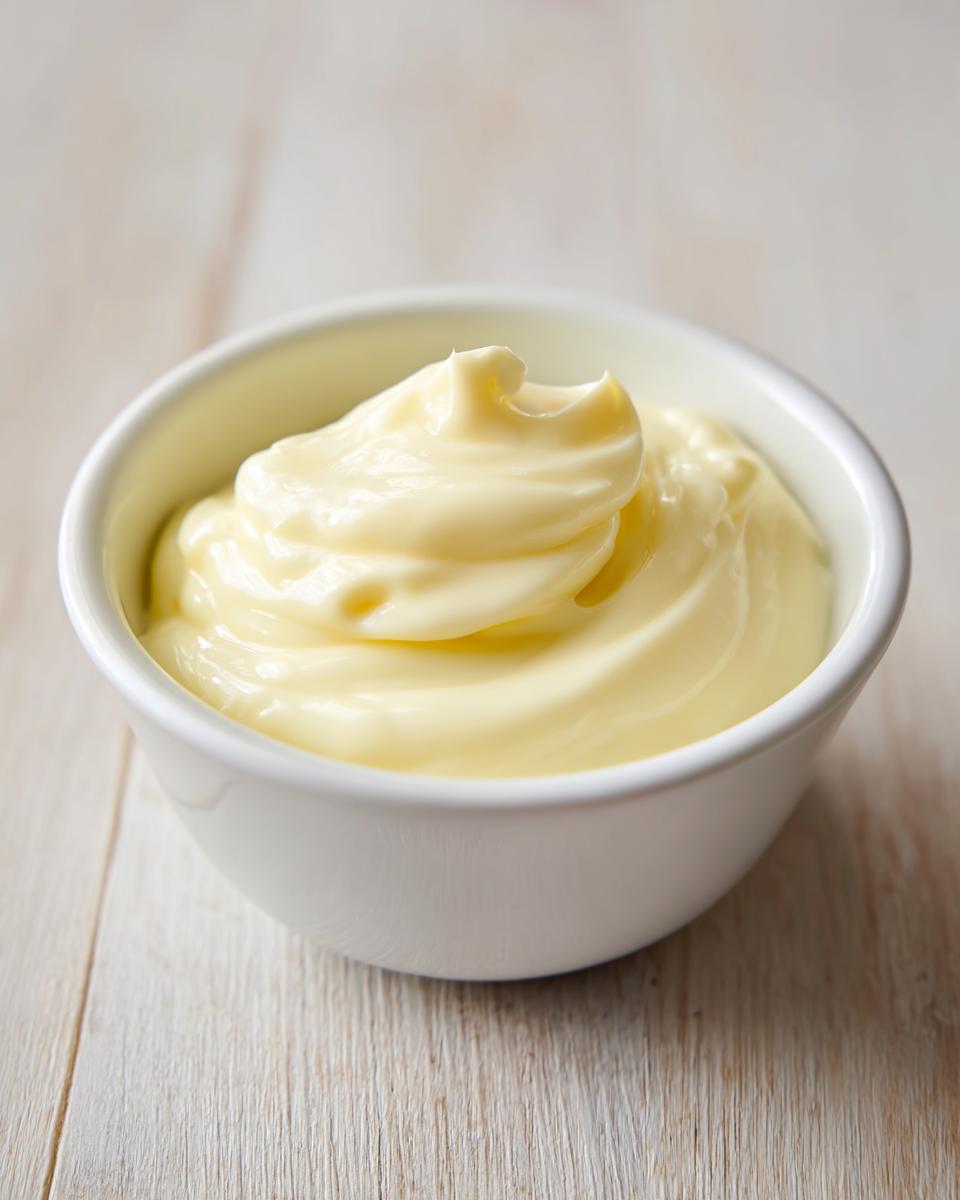
For years, I was terrified of making mayonnaise. It seemed like a tightrope walk over a pit of oily failure! But now that I know the science—and trust me, it’s simple science—this recipe feels completely failproof. The method I use ensures you get that thick, rich texture every single time.
The Secret to Perfect Homemade Mayonnaise Emulsion
If you’ve ever ended up with runny oil soup instead of mayo, you can blame rushing step two. Emulsion is just a fancy word for getting oil and water (from the yolk and lemon juice) to play nice together. The key? The egg yolk needs time to grab onto those tiny droplets of oil. You have to drizzle that cup of oil in the thinnest stream possible while the blender is running. Seriously, if you see a thick stream, stop pouring until it catches up. That slow pace builds that incredible structure.
Simple 5 Ingredient Mayo for Superior Flavor
You truly don’t need much to make something spectacular. We are using only five core ingredients here for the base, which keeps things clean and bright tasting. Jarred versions always taste a little flat to me, don’t they? This Simple 5 Ingredient Mayo tastes so vibrant because it’s fresh. Plus, since you control the oil and salt, you end up with a much more wholesome and satisfying result, making it an incredibly inexpensive mayo recipe when you break down the cost per pound compared to store brands.
What You Need for Your Homemade Mayonnaise
I love recipes where the ingredient list is short enough to write on a sticky note. When you are making homemade mayonnaise, keeping things simple is key to getting that perfect texture. The quality shines through when there’s nothing else trying to mask it!
One non-negotiable thing you have to remember is the temperature of your egg. It absolutely must be room temperature!
Ingredient Clarity for Creamy Mayonnaise Recipe
- 1 large egg, room temperature (This is important—cold eggs often break!)
- 1 teaspoon Dijon mustard
- 1 teaspoon fresh lemon juice
- 1/2 teaspoon white vinegar
- 1/2 teaspoon salt
- 1 cup neutral oil (I prefer canola or grapeseed for the mildest taste, but light olive oil works if you like a little tang!)
That’s it! Five ingredients plus the oil. With such a simple list, you can see why this creamy mayonnaise recipe tastes so much fresher than anything you buy in a box.
Step-by-Step Blender Mayonnaise Secret Instructions
Okay, deep breaths! This is the moment where we create magic. Since we’re making this amazing homemade mayonnaise in a blender, the process is incredibly fast, but precision matters for those first few seconds. Remember, we want a thick and satisfying result, not a runny mess!
If you already have your ingredients measured out—especially that room-temperature egg—you are practically done. This method is so much easier than whisking by hand, trust me. You can grab a great idea for using it up later, but first, let’s blend!
Preparing Ingredients for Quick DIY Mayo
First things first: get everything ready. We are working fast once the blending starts! Pop your egg (room temp, remember?), Dijon mustard, fresh lemon juice, white vinegar, and salt right into the jar of your immersion blender beaker, or into your standard blender jar. This initial group sits right at the bottom, waiting for the star ingredient.
If you are using an immersion blender—which I highly recommend for this—you need to push the blender head all the way down to the bottom of the jar. This ensures it completely covers the egg mixture. If you use a standard blender, just make sure that oil is ready to go, but DON’T add it yet!
The Slow Drizzle Technique for Thick and Rich Mayonnaise
Now for the part everyone fears, but you won’t mess up because I’m telling you exactly how to do it! Turn your blender on to medium speed. You must start pouring that cup of neutral oil in the thinnest, steadiest stream you can manage. Don’t dump it, don’t splash it—it should just weep slowly into the spinning ingredients.
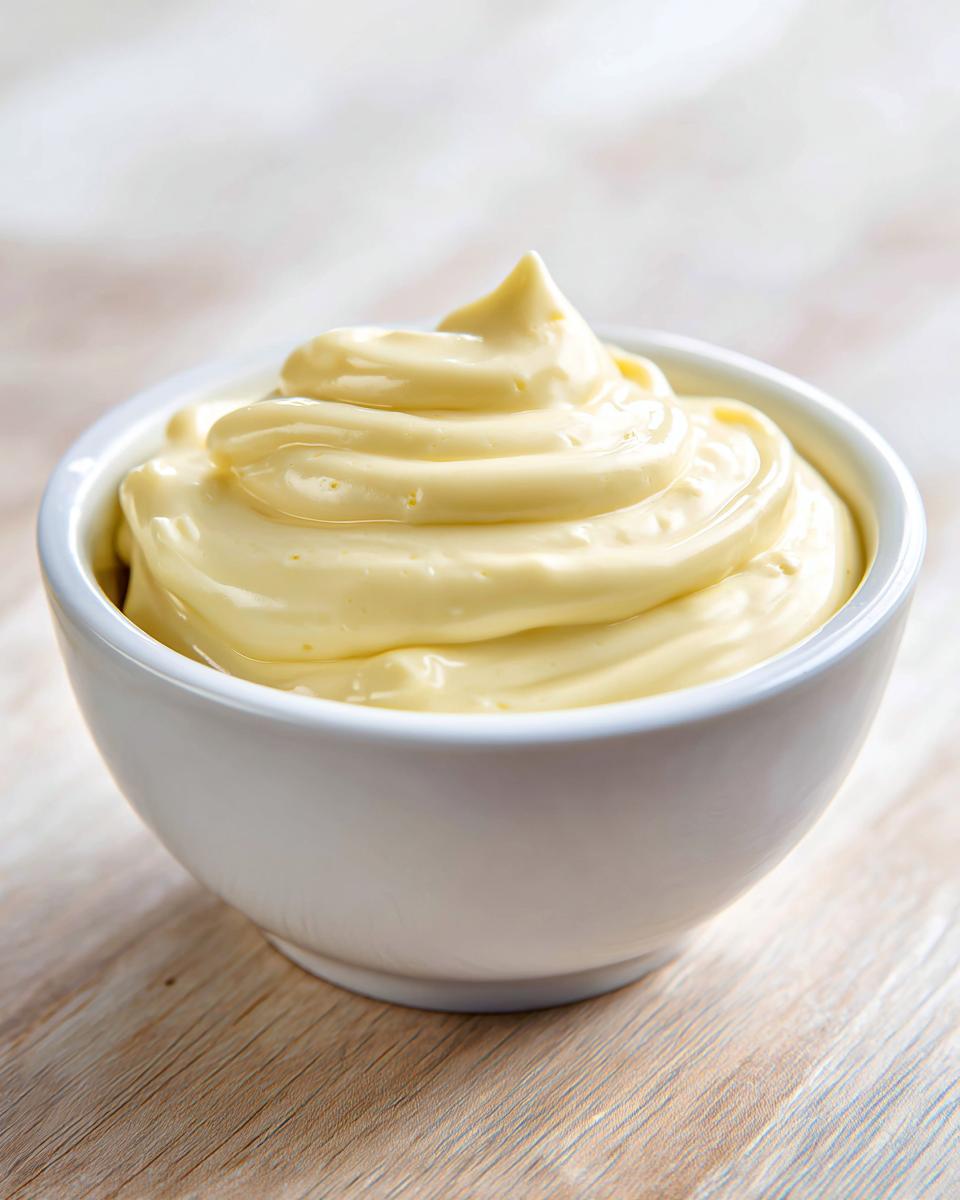
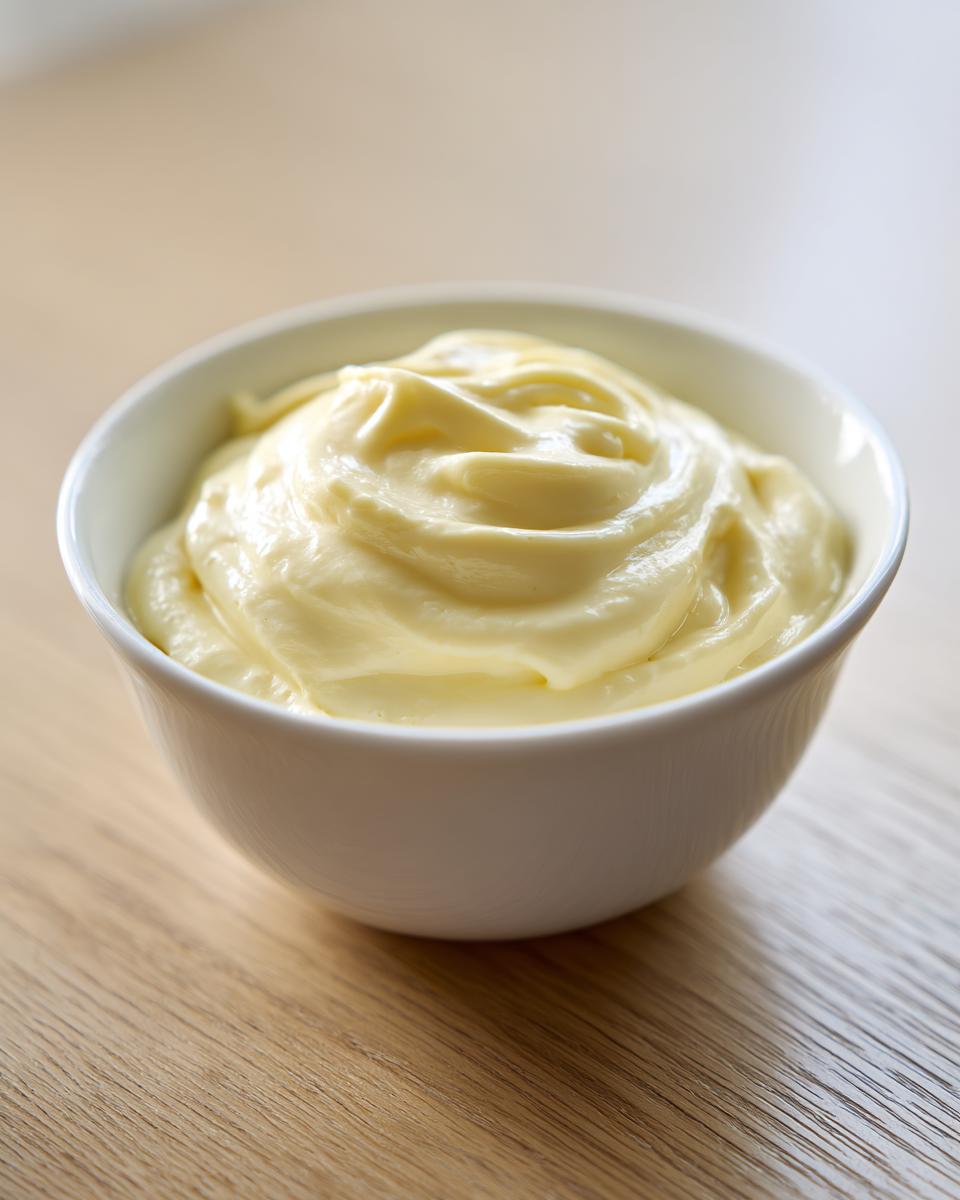
If you pour too fast, the egg yolk won’t have time to bond with the oil, and the emulsion breaks. You’ll know it’s working because after about 30 seconds, you’ll see the mixture start climbing up the sides of the jar, turning milky and thick. Keep drizzling until that entire cup of oil is incorporated. If you’re using a standard blender, you might need to use the little hole in the lid for this step. Once it’s all in, blend in short bursts for another 30 seconds just to make sure it’s perfectly combined and reaches that gorgeous, thick texture. For more inspiration on amazing fresh condiments, check this out!
Tips for Success Making Mayonnaise at Home
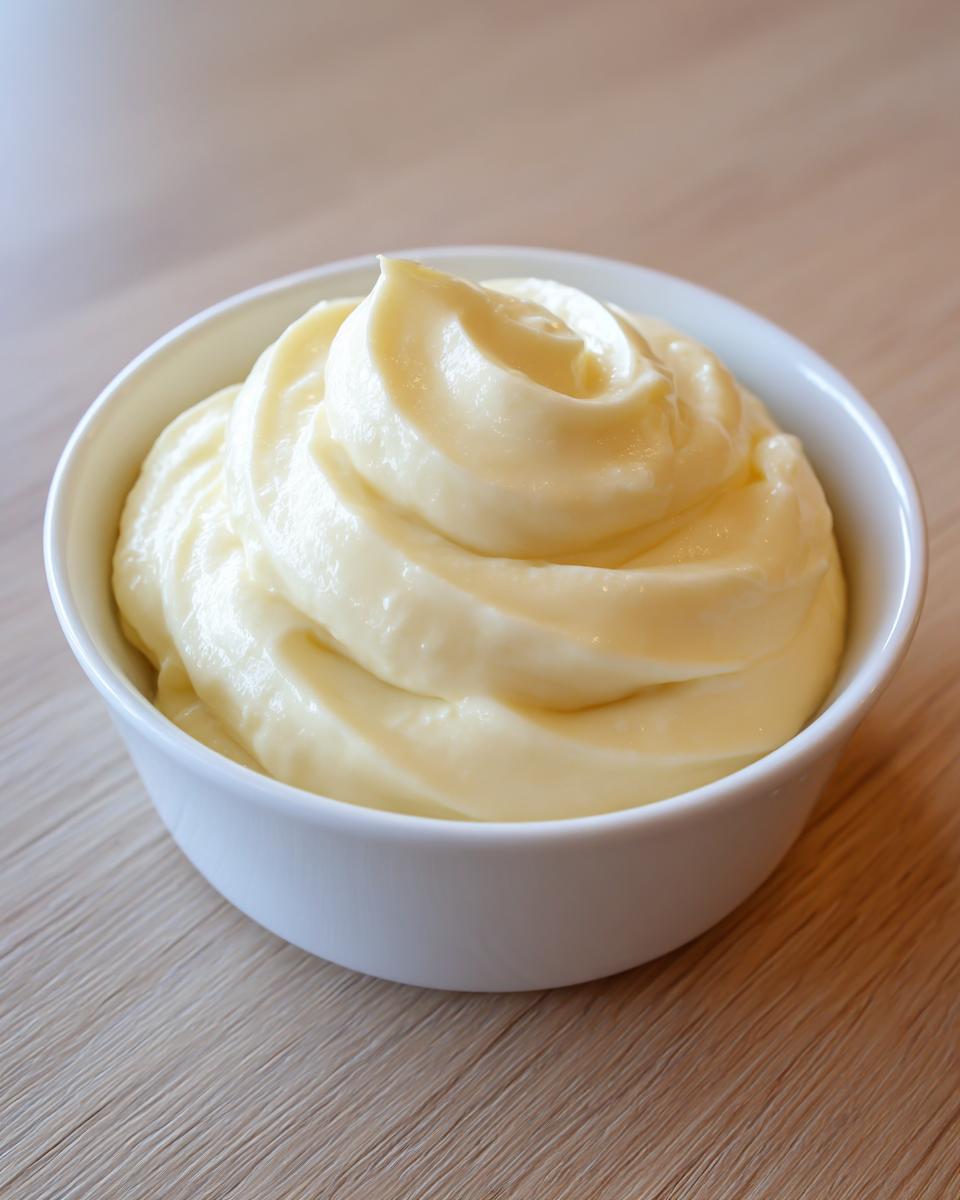
Even though I call this a failproof recipe for mayonnaise making at home, sometimes things just don’t go the way we plan in the kitchen. Don’t panic or throw that runny stuff out immediately! A little troubleshooting goes a long way when you are working with fresh ingredients.
For example, if you added the oil a *tiny* bit too fast and the mixture looks a little thin—not totally separated, just loose—we have an easy fix. Whisking in just a teaspoon of warm water, very slowly, can sometimes encourage it to tighten up again. It sounds weird, but sometimes that little bit of warmth helps the emulsion find its footing.
Fixing Homemade Mayonnaise That Breaks
Now, if you end up with a completely separated mess (which is rare with the blender method, honestly), you can rescue it. You’ll need a clean bowl and one fresh egg yolk—again, let it come to room temperature first! Whisk that new yolk vigorously by hand, and then start drizzling the broken mayo mixture into that new yolk, one teaspoon at a time, just like you did with the oil. It acts as the emulsifier again! If you’re lucky and you just over-thicken it, whisking in some water helps loosen it up for a perfect consistency for your next tuna salad or sandwich.
How to Store Your Fresh Food Condiments
Because we skipped all those preservatives, we have to treat our beautiful, fresh homemade mayonnaise right! It’s a kitchen staple, but it won’t last nearly as long as the stuff with a year-long shelf life. I always transfer mine into a small, clean, airtight container immediately after I finish blending.
You should plan to use this up within about one week when it’s kept tightly covered in the refrigerator. That’s usually plenty of time for me! The flavor seriously gets better on day two, but for safety, don’t keep it sitting around past seven days. It’s so fast to make more anyway!
Serving Suggestions for Your Creamy Mayonnaise Recipe
Now that you have this unbelievably creamy mayonnaise base, what on earth should you do with it? Honestly, you can just stand over the container and eat it with a spoon—just me? Seriously though, this homemade base elevates absolutely everything.
Use it as a rich sandwich spread recipe on everything from grilled cheese to turkey clubs. It brings a tangy brightness that sliced bread just doesn’t get from a jar. But don’t stop there! This mixture is your ultimate flavorful homemade dip base.
I love thinning it just a touch with a little pickle juice to make an amazing tartar sauce for fish. Or, take a cup of this mayo, mix in some finely chopped jalapeños and a little cream cheese, and you have an instant, amazing dip for game day! You’ll want to try it on these Italian sub sliders or maybe whip up a batch of jalapeño popper dip using this fresh mayo instead of the store-bought stuff. Once you start making it fresh, you’ll never look back!
Frequently Asked Questions About Homemade Mayonnaise
I know when you start a new cooking skill, especially one involving emulsion, you generate a ton of questions. That’s totally normal! We want your journey into making homemade mayonnaise to be a success, not a stressful episode. Here are the questions I get asked most often about this egg yolk emulsion recipe.
Can I make homemade mayonnaise without an immersion blender?
Absolutely, you can! I love my immersion blender because it lets me pour the oil right over the top while it’s running smoothly. If you’re using a standard countertop blender, it works fine, but you need to be a little more careful. You’ll still put all the non-oil ingredients in first, turn it on, and then *very* slowly pour that cup of oil into the spinning mixture through the hole in the lid. Don’t just dump it—the control is slightly trickier, but the result is achievable!
What is the best oil to use for the best homemade mayo?
This is where you decide the flavor profile of your mayo, which is so fun! I always recommend using a neutral oil like canola, grapeseed, or safflower oil. Why? Because they let the lemon, Dijon, and salt shine through. If you use a strong extra virgin olive oil, your final product will taste intensely peppery or bitter, and it can sometimes mess up the emulsion too!
If you want a tiny bit of flavor but nothing overpowering, light olive oil is okay, but stick to neutral first if you’re just learning this wonderful kitchen skill. You can always jazz up your finished mayo later with some herbs or garlic powder—maybe for those bacon bites you’re having for brunch!
Understanding the Nutrition of Homemade Condiments
One of the best parts about switching to making your condiments from scratch is knowing exactly what you’re putting into your body. When you make your own homemade mayonnaise, you control the sodium and you skip all those weird preservatives found in the store brands. That’s a win in my book!
I pulled together the estimated nutrition facts based on the recipe above, but please remember this is an estimate. How much oil you manage to incorporate, the exact fat content of your egg, and how much salt you add can all shift the numbers slightly. But this gives you a great baseline for understanding what you’re eating!
- Serving Size: 2 Tablespoons
- Calories: Around 180
- Fat: 20g (Note that most of this is unsaturated fat from the oil you choose!)
- Sodium: Around 120mg
- Sugar: 0g! (Yes, zero sugar!)
Look at that: no sugar! That alone makes this healthy homemade condiment recipe worth the five minutes of effort. It proves that flavorful food doesn’t have to mean loading up on hidden sugars. Knowing this helps me feel great about using this mayonnaise base for everything from my lunchtime sandwich spreads to my evening dressings.
Share Your Homemade Mayonnaise Creations
Well, that’s it! You’ve officially mastered the art of making homemade mayonnaise. I truly hope you feel empowered now to stop buying the jarred stuff forever! It’s such a simple skill, and the payoff in flavor is just huge.
Now, I want to hear all about it! Did you use canola oil? Did you try it with garlic added in? Tell me everything down in the comments below! Did it emulsify perfectly on the first try? Don’t be shy if you had to start over once—that’s how we learn, right?
If you made this recipe, please leave a star rating right here on the recipe card. It helps other busy home cooks like you find great, reliable recipes. I absolutely love seeing your kitchen successes, so snap a picture and tag me on social media! We’re all in this together, learning how to make everyday meals special. If you’re curious about my journey in the kitchen, you can read a little more about my approach here.
PrintEasy Blender Homemade Mayonnaise: A Failproof Recipe
Make creamy, thick homemade mayonnaise in minutes using this simple, failproof blender recipe. You get superior flavor compared to store-bought versions using just five basic ingredients.
- Prep Time: 5 min
- Cook Time: 0 min
- Total Time: 5 min
- Yield: About 1 1/4 cups 1x
- Category: Condiment
- Method: Blending
- Cuisine: American
- Diet: Vegetarian
Ingredients
- 1 large egg, room temperature
- 1 teaspoon Dijon mustard
- 1 teaspoon fresh lemon juice
- 1/2 teaspoon white vinegar
- 1/2 teaspoon salt
- 1 cup neutral oil (like canola, grapeseed, or light olive oil)
Instructions
- Place the egg, Dijon mustard, lemon juice, vinegar, and salt into the jar of an immersion blender or a standard blender.
- If using an immersion blender, place the head all the way to the bottom of the jar. If using a standard blender, add the oil last.
- Begin blending on medium speed. Slowly, drizzle the oil into the mixture in a very thin, steady stream. This slow addition is the secret to a perfect emulsion.
- Continue blending and slowly adding oil until all the oil is incorporated and the mixture thickens into a creamy mayonnaise. This usually takes 1 to 2 minutes.
- Stop the blender. Scrape down the sides if needed and blend for a few more seconds to ensure everything is combined and thick.
- Transfer the fresh mayonnaise to an airtight container and refrigerate. It will thicken slightly more as it chills.
Notes
- Use room temperature ingredients. Cold eggs are more likely to cause the mayonnaise to break or fail to emulsify.
- If your mayonnaise seems too thick, whisk in 1 teaspoon of warm water until you reach your desired consistency.
- This homemade mayo is best used within one week when stored in the refrigerator.
- Use this creamy mayonnaise as a base for dips, sandwich spreads, or salad dressings.
Nutrition
- Serving Size: 2 Tablespoons
- Calories: 180
- Sugar: 0
- Sodium: 120
- Fat: 20
- Saturated Fat: 2
- Unsaturated Fat: 18
- Trans Fat: 0
- Carbohydrates: 0
- Fiber: 0
- Protein: 1
- Cholesterol: 45