

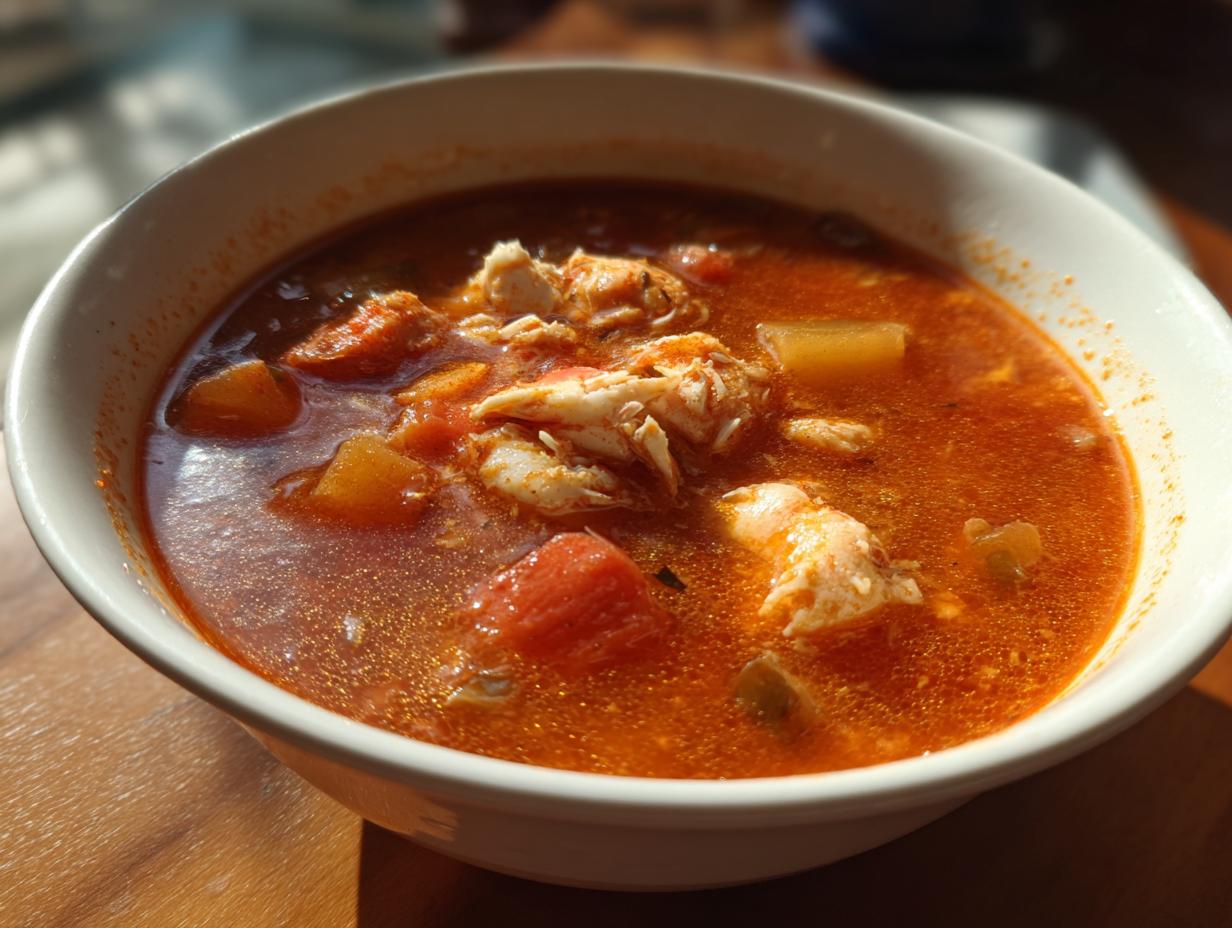
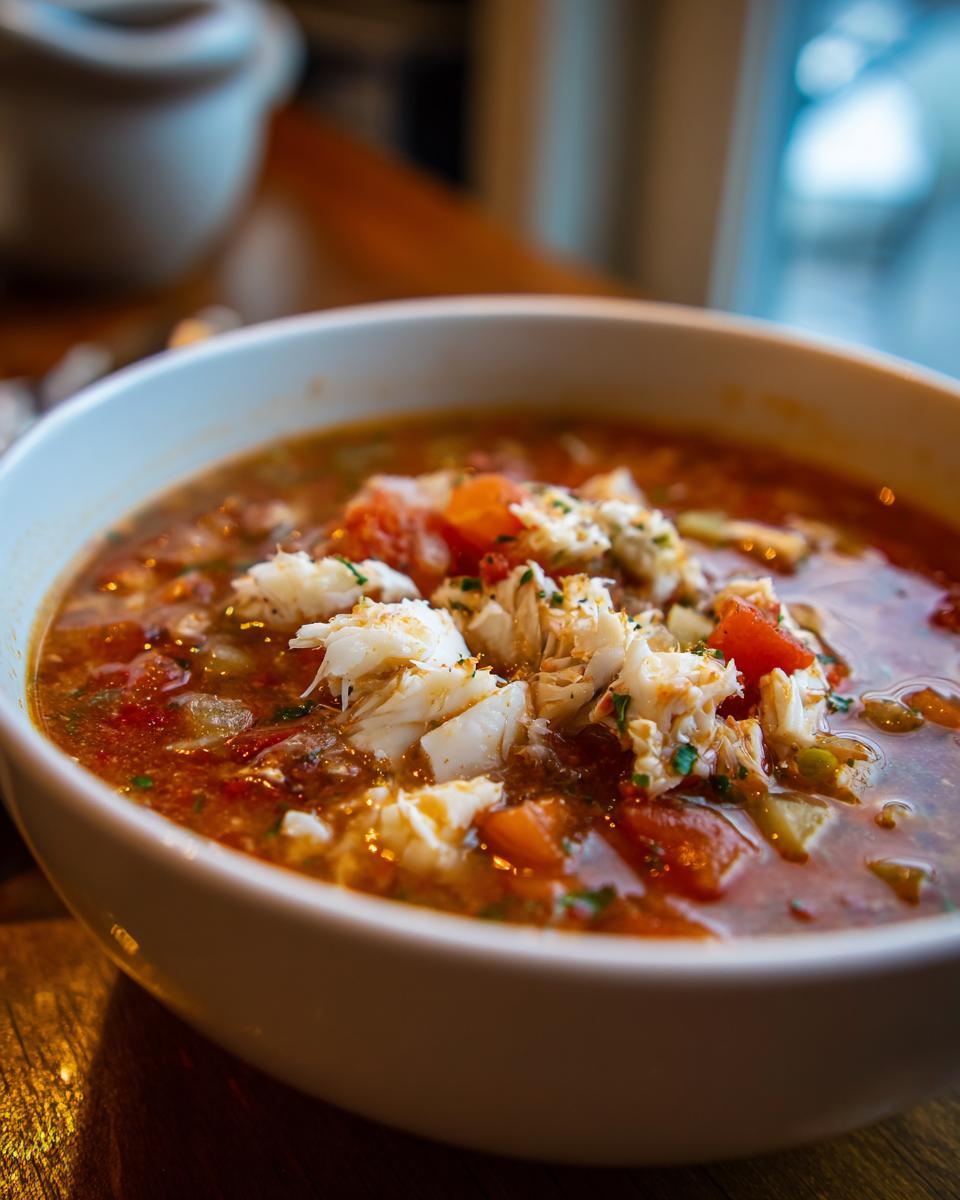
When the weather turns cool, or truthfully, even when I just need a little taste of the coast, nothing hits the spot quite like a big, steaming bowl of soup. But we aren’t talking about just any soup; we’re talking about the real deal: Authentic Chesapeake **maryland crab soup**. I spent ages testing classic American recipes to figure out what makes those coastal favorites taste so unique and comforting. Trust me when I say that achieving that perfect savory, tangy broth packed with tender vegetables and sweet crab meat isn’t hard at all! This recipe is my definitive version, tested over and over so you can bring that genuine Maryland flavor right to your own kitchen table without any stress.
- Why This Authentic Maryland Crab Soup Recipe Works for You
- Gathering Ingredients for Real Maryland Crab Soup
- Step-by-Step Instructions for Perfect Maryland Crab Soup
- Tips for Making the Best Chesapeake Bay Soup
- Variations on Traditional Maryland Recipe
- Storage and Reheating Instructions for Your Hearty Vegetable Soup
- Frequently Asked Questions About Maryland Crab Soup
- Estimated Nutrition for This Maryland Crab Soup Recipe
- Share Your Homemade Maryland Crab Soup Experience
Why This Authentic Maryland Crab Soup Recipe Works for You
I know you want the real Chesapeake Bay taste, but you don’t need to spend hours fussing over complicated techniques. This recipe is truly designed for home cooks like us! It’s simple, but it hits all the right notes that make Maryland Crab Soup famous. It’s comfort food that feels special, but it’s ready fast enough for a weeknight dinner.
Here’s what makes this version the absolute best:
- True Chesapeake Flavor: We rely heavily on that must-have seasoning—Old Bay! It locks in the authentic, slightly spicy, savory taste you look for in a great vegetable soup.
- The Right Texture: It’s broth-based, not heavy like a chowder. The broth is savory and tangy, balanced perfectly by the tender potatoes and sweet corn.
- Real Crab Quality: We make sure to use jumbo lump crab meat. When you take the time to make this, you deserve those huge, sweet pieces in every single bowl!
Gathering Ingredients for Real Maryland Crab Soup
Okay, let’s talk about getting the right stuff. If you want this to taste like the real deal—like you just picked up a bowl near the Chesapeake Bay—you can’t skimp on a couple of things. Specifically, the crab meat and the iconic seasoning are non-negotiable for true **maryland crab soup**!
I’ve kept this list simple. We’re focusing on fresh vegetables for color and texture, and quality liquids to build that savory brothy soup base. You should be able to find everything at your regular grocery store. If you want to check out another hearty recipe using some pantry staples, my vegetable beef soup is fantastic too!
Here is exactly what you need for 6 generous bowls:
- 1 tablespoon olive oil
- 1 large yellow onion, chopped
- 2 celery stalks, chopped
- 1 large carrot, peeled and diced
- 1 large potato, peeled and diced (about 1 cup)
- 1/2 cup frozen corn kernels
- 1/4 cup all-purpose flour (this helps give the broth body!)
- 6 cups low-sodium chicken or vegetable broth
- 1 (14.5 ounce) can diced tomatoes, undrained
- 1 (8 ounce) can tomato sauce
- 2 teaspoons Old Bay Seasoning, plus more for garnish (Yes, this is essential! Nothing else tastes quite like it.)
- 1 teaspoon dried thyme
- 1/2 teaspoon black pepper
- 1/4 teaspoon salt, or to taste (we’ll adjust this later)
- 1 tablespoon Worcestershire sauce
- 1 tablespoon lemon juice, fresh squeezed (This is for that essential tang!)
- 1 pound jumbo lump crab meat, picked over for shells
Now, about that crab meat: please, please use **jumbo lump crab meat** if you can swing it. We want those big, sweet chunks floating in our soup, not tiny flakes lost in the broth. Take your time picking through it before it goes into the final simmer. It’s worth the extra minute of effort!
Step-by-Step Instructions for Perfect Maryland Crab Soup
I know recipes can look long, but honestly, this **maryland crab soup** comes together so quickly once you start chopping! We’re just layering flavors here, making sure every vegetable gets a little moment to shine before we bring everything together into that beautiful, savory broth you’re craving. Remember, patience in the beginning is what makes the end result so satisfying, like when I make my Pasta e Fagioli!
Building the Vegetable Base and Thickening the Broth
First things first: turn your heat to medium and warm up that olive oil in your biggest pot. We want to sweat the veggies—the onion, celery, and carrot—until they start getting soft, which takes about 5 to 7 minutes. Don’t rush this part; softer veggies mean a better overall texture later on! Toss in the diced potato and the corn kernels and stir for two more minutes. Next, this is important: sprinkle the flour right over all those veggies. Stir constantly for exactly one minute. This lightly cooks the flour, which gets rid of that raw, floury taste that can ruin an otherwise perfect broth. Trust me, you gotta cook that flour!
Simmering the Savory Brothy Soup
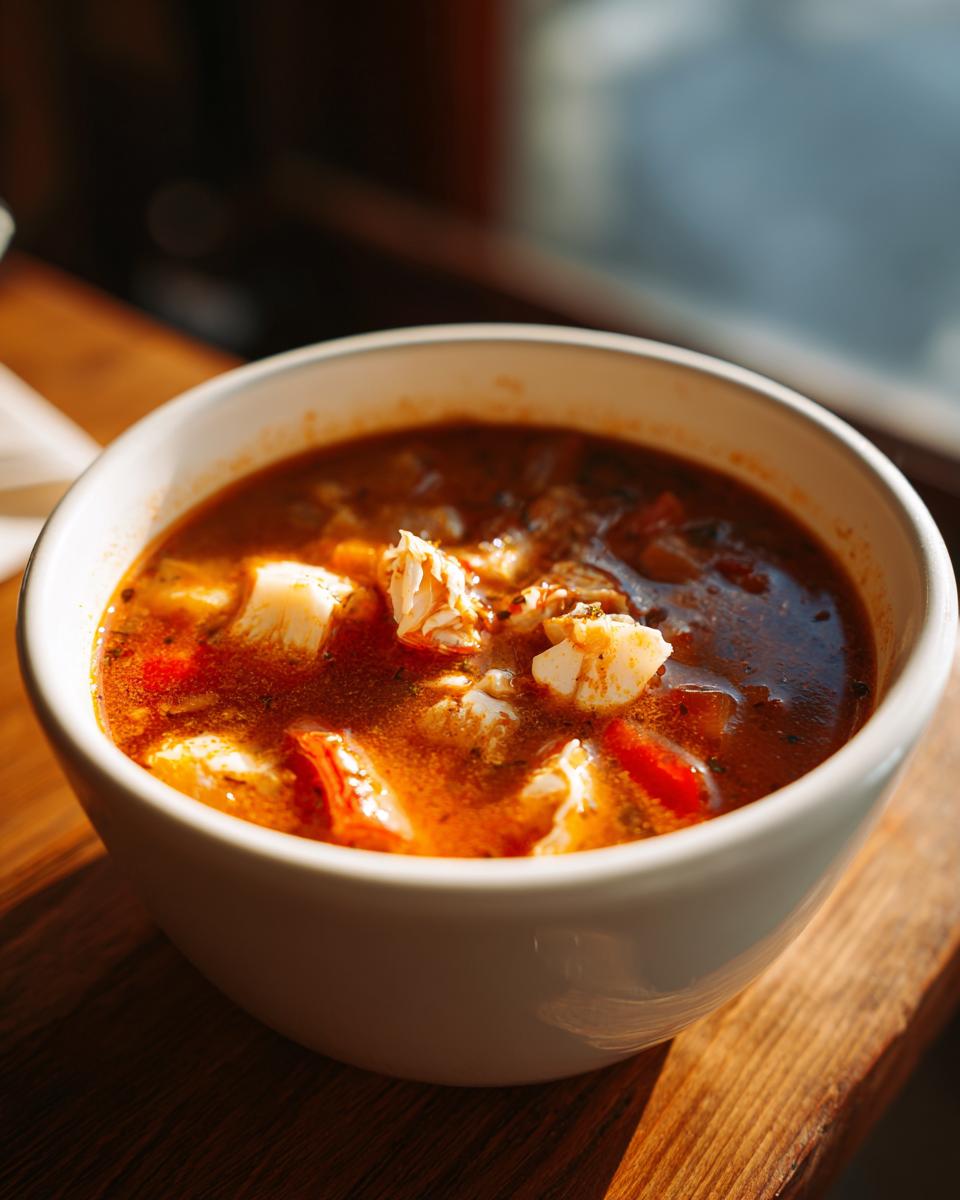
Once the flour is toasted, start adding the broth slowly while whisking non-stop. You have to whisk well so you don’t end up with flour clumps! Once it’s smooth, stir in your diced tomatoes (juice and all!), the tomato sauce, that essential Old Bay, thyme, pepper, and salt. Bring this whole pot up to a rolling boil. Once it’s boiling, immediately drop the heat down really low, cover it up, and let it happily simmer for about 15 minutes. You’re waiting until those potatoes are totally tender when you poke them with a fork. This long, slow simmer is what makes this **maryland crab soup** taste so rich and comforting.
Finishing with Tang and Tender Lump Crab Meat
Once the potatoes are soft, turn off the heat for a second and stir in the Worcestershire sauce and the fresh lemon juice. Taste it now! That’s your moment to adjust the seasoning—add more salt or another tiny shake of Old Bay if you think it needs more zip. Finally, the star! Gently fold in your gorgeous **lump crab meat**. We are *folding*, not stirring vigorously! We heat it through for just 3 to 5 minutes, just until it’s hot. Over-stirring will shred that beautiful crab meat, and we want big, sweet chunks in every bowl, okay?
Tips for Making the Best Chesapeake Bay Soup
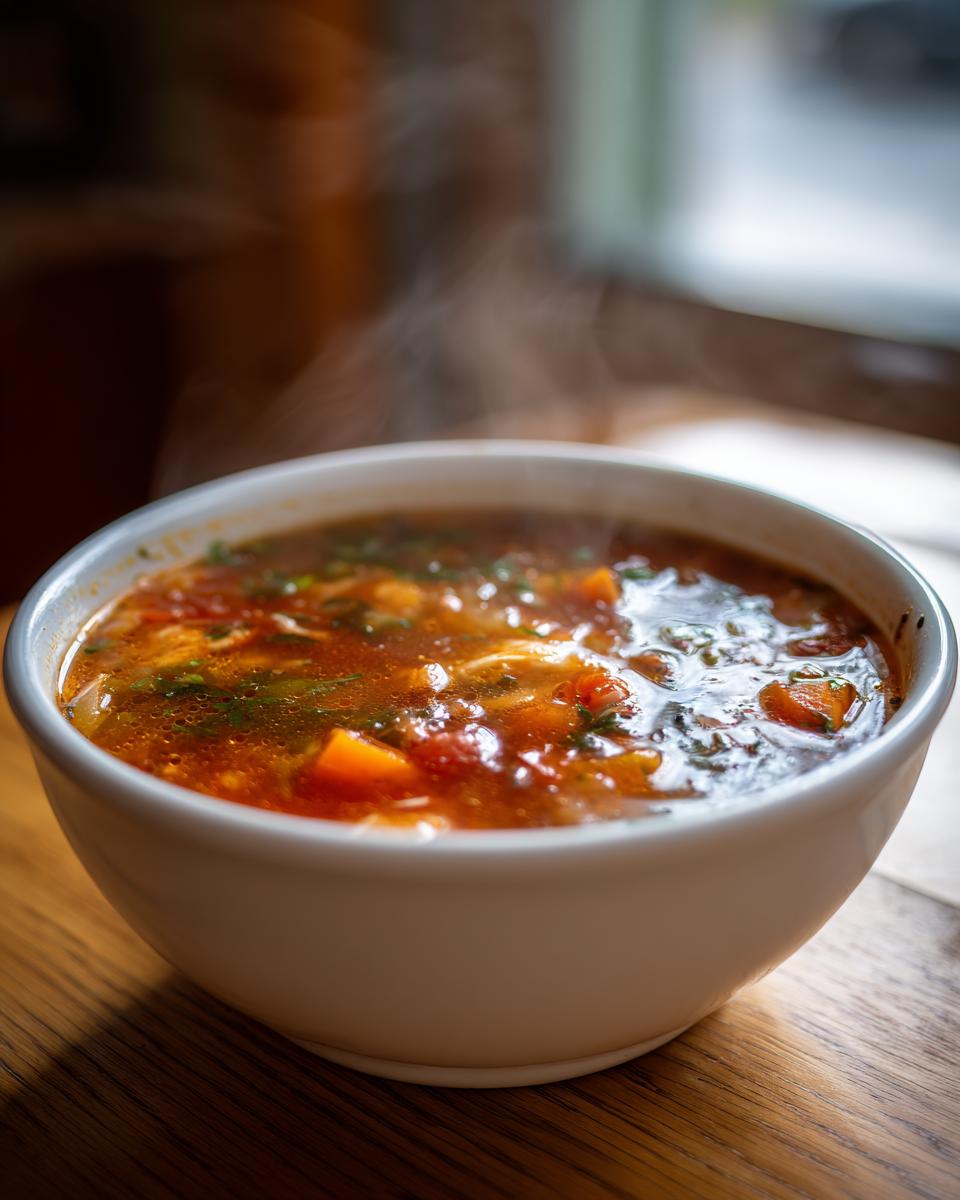
When I was perfecting this **maryland crab soup**, I realized that while the steps are straightforward, success hinges on a few non-negotiable details. These aren’t just suggestions; they are the rules I stick to every single time to ensure this **Chesapeake Bay soup** tastes bright and delicious and never dull. This is the secret I learned testing recipes until my kitchen smelled like a seafood shack!
Let’s go over the little things that make a huge difference in your final bowl:
- The Crab Meat is Everything: Seriously, I can’t stress this enough when making a **lump crab meat soup**. You must use high-quality jumbo lump crab meat. Cheap, canned stuff just melts away into nothingness or, worse, leaves you hunting for tiny shells. You want those large, sweet pieces to be the texture highlight. Take the extra moment to check it carefully—that picking process is mandatory, but it promises a better bite.
- Boost the Broth Depth: Did you know you can make this even more authentically *seafoody*? If you happen to have some clam juice on hand, substitute one cup of your regular chicken or vegetable broth with it. It adds an underlying layer of sea flavor that really deepens the soup without making it taste overtly like clams. It’s a simple swap that elevates the dish to a fantastic **homemade seafood soup**.
- Seasoning Adjustment is Key: After all that simmering, the flavors settle a bit, so you have to taste before adding the crab. Once you add the lemon and Worcestershire, give it a good swirl and taste again. Do you need more salt? Do you want that kick of Old Bay to travel through the whole bowl? Now is the time to add a pinch more Old Bay until it sings!
- Prep Ahead for Sanity: If you are planning this for a bigger group or just want an **easy crab soup dinner** tomorrow, you can totally get ahead! You can cook the vegetables, make the roux, and simmer the broth base (through step 4) a full day ahead. Cover it tightly and let it chill. Just remember: save the **fresh crab meat** and the final lemon juice addition for when you are ready to serve!
Sticking to these small traditions—especially that focus on quality crab—is how you turn a good soup into the *best* **maryland crab soup** your family has ever had. If you want some other hearty options for dinner, check out my go-to recipe for Sicilian Chicken Soup!
Variations on Traditional Maryland Recipe
Look, I preach authenticity all day long when it comes to this **maryland crab soup**, because why mess with perfection, right? But I also know that every kitchen is a little different, and sometimes you want to tweak a recipe just slightly to make it feel perfectly *yours*. These aren’t radical changes; they are just little tweaks I found helpful when testing other versions or making this for a specific mood. Think of these as optional additions to enhance your **savory brothy soup** experience.
If you are looking for a really thick, hearty meal that’s more like a chowder, you might lean toward my Zuppa Toscana, but if you want to stick to the classic crab soup profile, keep reading!
Adding Depth with Clam Juice
Remember how I mentioned using clam juice as an optional swap for some of the broth? That’s my number one suggestion for upping the seafood game without turning it into a full-blown seafood bisque. If you use 1 cup of clam juice instead of 1 cup of your broth, you get this incredible background flavor. It isn’t fishy, I promise! It just adds this deep, salty marine note that complements the **Old Bay Seasoning Soup** perfectly. It’s a little secret for making your **homemade seafood soup** taste like it simmered all day on the docks.
Tweaking the Vegetable Ratio
The recipe I gave you uses a fairly standard balance of corn, potatoes, carrots, celery, and onion. This provides great texture and color! But sometimes I feel like I want more toothsome veggies and less starch for a lighter dish. If that’s you, try cutting back on the potato by half and increasing the amount of celery or maybe adding a cup of green beans in the last 10 minutes of simmering.
On the flip side, if you want this **hearty vegetable soup** to really stick to your ribs—maybe serving it as your main **winter soup recipe**—you can increase the potato slightly, which naturally thickens things up. Just remember that as potatoes cook down, the broth will naturally become cloudier and a bit denser, moving it slightly away from the traditional clear-broth style of Chesapeake Bay soups but still delicious!
Turning Up the Heat
If you love heat—and I mean *real* heat, beyond what Old Bay gives you—don’t reach for extra Old Bay in the main pot! That can sometimes make the whole broth taste overwhelmingly seasoned. Instead, try adding a tiny pinch of cayenne pepper along with the thyme and black pepper during the simmer stage. Another trick is to drizzle a few drops of serious hot sauce (like Crystal or Tabasco) right into your individual bowls before serving. That way, the crab meat stays sweet and pure, but you get that fiery kick exactly where you want it!
Storage and Reheating Instructions for Your Hearty Vegetable Soup
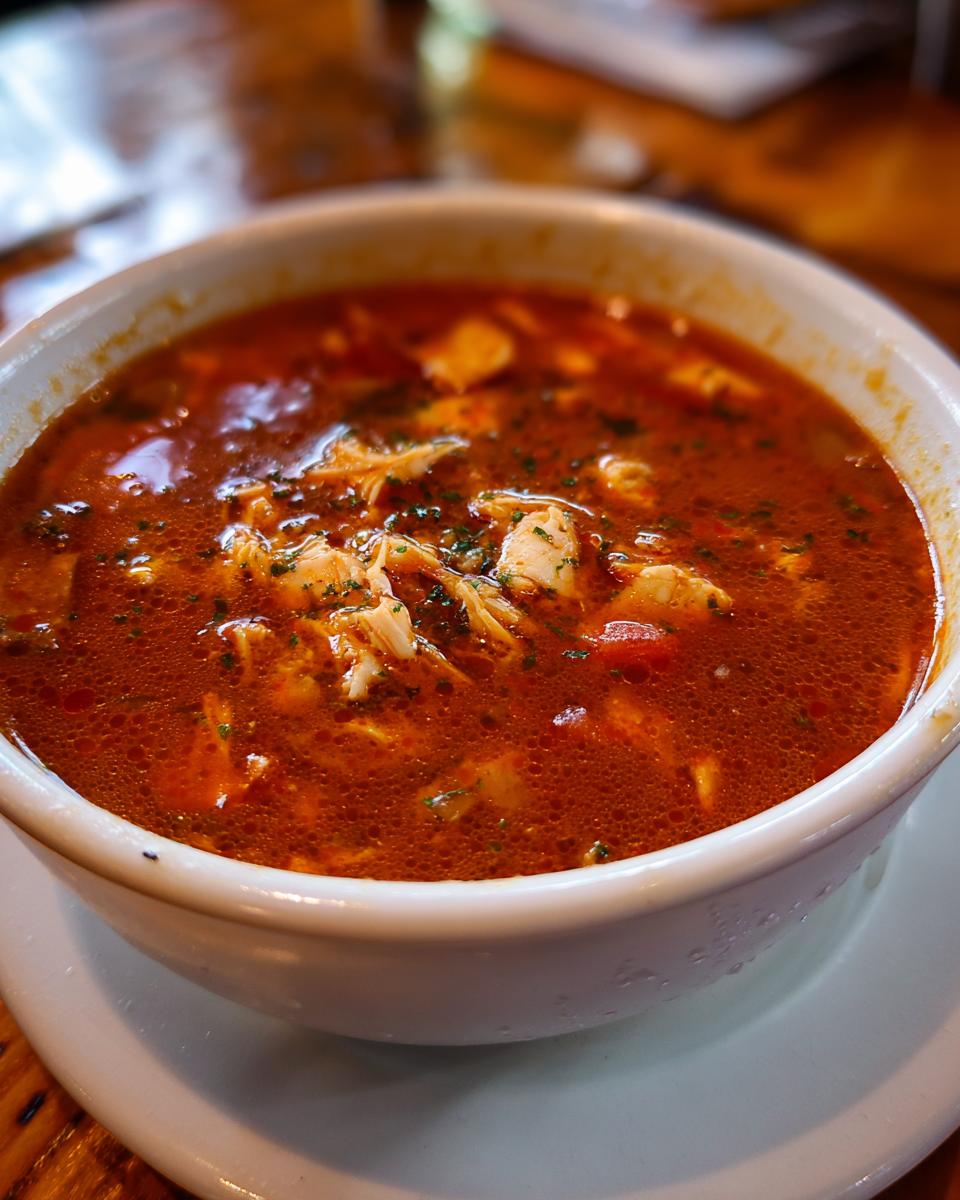
One of the best parts about making a big pot of soup like this **maryland crab soup** is having leftovers! It tastes just as good—maybe even better—the next day when all those spices have really settled in. Because this is such a fantastic **homemade seafood soup**, I always try to make sure I have enough for lunch the next day.
The rules change slightly depending on when you plan to eat the crab meat. Remember how I mentioned you can make the vegetable base ahead of time? That’s step one for easy entertaining!
Making the Base Ahead of Time
If you cook the soup up until you add the crab meat (that’s right up to step 6, or just before adding the lemon and Worcestershire), you have a perfect base. Let that cool completely, and store it airtight in the fridge for up to three days. When you are ready to serve, reheat that base on the stove until it’s piping hot, then stir in your fresh lemon juice, Worcestershire, and finally, the lump crab meat, heating through gently for just those last few minutes.
If you are storing the *fully finished* soup—crab meat and all—it will still be tasty, but the texture of the crab changes a little bit when it chills and reheats. It’s still wonderful, but for the absolute best texture, try to keep the crab separate if you can!
Reheating Leftover Crab Soup
If you have the full soup leftover, the key to reheating this **savory brothy soup** is low and slow heat. Dump the leftovers into a saucepan over medium-low heat. You’re just trying to warm it, not boil it again! Boiling aggressively will toughen up the crab texture, and we worked too hard for that. Stir it very gently as it heats up.
If it seems a little too thick after refrigeration, you can refresh it by adding a splash of low-sodium vegetable broth or even just water while it warms up. If the soup tastes dull after reheating, a tiny extra squeeze of fresh lemon juice wakes everything right back up!
Freezing Instructions for This Quick Crab Soup
If you know you won’t eat it within three or four days, freezing is a great option for this recipe. However, here is my one essential freezing rule for any **maryland crab soup** recipe: You MUST leave the crab meat out! Freeze only the broth and vegetable base. Once frozen and thawed, reheat the base thoroughly, and then add the freshly picked **lump crab meat** right before serving. Freezing cooked crab meat just doesn’t give you the tenderness you deserve. These tips help ensure your future bowl of soup is just as comforting as the first one you made, just like my recipe for creamy celery soup!
Frequently Asked Questions About Maryland Crab Soup
I get so many questions when people first try making a traditional **maryland crab soup**, especially if they are used to heavier, creamier seafood dishes. It’s normal! That beautiful, clear broth is part of what makes it special. Here are the most common things I hear from folks trying to nail that authentic Chesapeake flavor.
Is this Maryland Crab Soup technically a chowder?
Nope! That’s a really common mistake, especially if you usually eat clam chowder or corn chowder. Chowders are typically thick, creamy, and opaque, often using dairy or flour/cornstarch to make them heavy. Our **maryland crab soup**, on the other hand, is supposed to be a lighter, savory, and tangy broth. We use just enough flour to barely thicken the broth and create body, but you should still be able to see the vegetables and crab meat clearly. If you want a recipe for something thicker, check out my creamy cheese soup recipe instead!
Can I substitute the Old Bay Seasoning?
Oh, please don’t try this if you want the real taste! Old Bay Seasoning isn’t just a spice blend; it’s the *signature flavor* of this entire region’s cooking. It has celery salt, paprika, mustard, and about 20 other things that create that specific kick. While I love creative cooking, if you skip the Old Bay, you will end up with a very nice, generic tomato and vegetable soup, but it won’t be genuine **Old Bay Seasoning Soup**. Just use the measurement in the recipe, and if you want it hotter, see my variation section above!
I need an Easy Crab Soup Dinner, but I don’t have potatoes. What can I use?
Potatoes are great because they cook down perfectly and add just a touch of mild starchiness, but if you need to swap them out—maybe you’re trying to lower the starch content for an **Easy Crab Soup Dinner**—you have options. I suggest swapping out the potatoes for an equal amount of diced summer squash or zucchini. Add them at the same time as the potatoes, but watch the cooking time carefully. Squash softens much faster, so you might only need to simmer for about 10 minutes before adding the liquid, or let them go in later with the corn to prevent them from turning to mush.
How do I make this spicier if I love heat?
As I mentioned in the variations section, reaching for more Old Bay isn’t the best way to increase heat; it just overpowers the other flavors. If you want a spicy bowl of this **Maryland Crab Soup**, my recommendation is fresh heat! Add a small diced jalapeño along with the onions and celery when you start sautéing your vegetables. If you want a quick pop of heat right before serving, a splash of Tabasco sauce right into your bowl instantly gives you that fiery kick without altering the entire batch. When you are looking for a big flavor profile, you want control over where that heat lands!
Can I skip the tomato sauce and just use crushed tomatoes?
You absolutely *can*, but your soup will taste tangier and less rich. The tomato sauce is thicker and really helps build the body of the broth, pairing nicely with the flour we use. Using just the diced tomatoes (even the canned ones) might leave you with a thinner, brighter liquid. If you skip the sauce, I highly recommend adding just a teaspoon of sugar or a tablespoon of ketchup to the simmering broth—it balances the acidity of the tomatoes and deepens the color, which helps maintain that rich look associated with a true **savory brothy soup**.
For an in-depth look at other popular regional recipes, you might want to check out how this soup compares to classics found over at The Traveler’s Nest.
Estimated Nutrition for This Maryland Crab Soup Recipe
I always tell people that cooking from scratch means you have total control over your ingredients, especially sodium! That’s why I always opt for low-sodium broth when making this **Maryland Crab Soup**. While this recipe is pretty light overall—especially if you skip the bread for dipping—it’s important to remember that these numbers are just estimates based on the ingredients I listed!
When I crunch the numbers based on 6 servings, here’s what we are generally looking at for one 1.5-cup serving. It’s a hearty meal that keeps you full without weighing you down!
- Calories: 250
- Fat: 7g (Mostly unsaturated, good fats!)
- Saturated Fat: 1g
- Carbohydrates: 25g
- Fiber: 4g
- Protein: 22g (Thank you, jumbo lump crab!)
- Sodium: 650mg (This is why low-sodium broth is your friend!)
- Sugar: 8g
Keep in mind that if you add extra butter to sauté your vegetables, or if you use regular strength broth instead of low-sodium, these numbers will shift. But this data should give you a great baseline for enjoying this coastal comfort food guilt-free!
Share Your Homemade Maryland Crab Soup Experience
This is where the magic truly happens for me! Cooking is always better when it’s shared, right? I want to hear everything about your journey making this **maryland crab soup**. Did you manage to find some truly incredible jumbo lump crab meat? Did that pinch of extra lemon juice make all the difference in brightening up the broth for you?
I poured my heart into testing this recipe to make sure you felt confident making a **Traditional Maryland Recipe** right in your own kitchen. Now it’s your turn to share the love!
Tell Me How It Went!
Please, don’t hesitate to jump down into the comments below and leave a rating for this **Chesapeake Bay Soup**. Knowing how it turned out for you helps me continue refining these recipes to be the best they can be for everyone who stops by Taste This Plate.
If you made any tiny tweaks that you loved—maybe you added a little extra thyme like I sometimes do, or perhaps you skipped the potatoes—share those secrets! We’re all learning together here, building memories around the table one spoonful of **seafood dinner idea** at a time.
Share a Photo of Your Masterpiece
If you took a picture of your beautiful, steaming bowl of **lump crab meat soup**, I would absolutely *love* to see it! Tag me on social media if you post it, or if you prefer to send it directly, you can always reach out through my contact page. Seeing your cozy **winter soup recipes** come to life is the greatest reward after all the testing!
There’s something so wonderful about sharing a recipe that feels like a hug. Thank you for trusting me with your dinner plans today. Happy cooking, and I can’t wait to read your feedback on the **Best Crab Soup**!
PrintAuthentic Chesapeake Maryland Crab Soup with Jumbo Lump Crab Meat

Make real Maryland Crab Soup at home. This recipe uses fresh vegetables, a savory tomato broth, and plenty of jumbo lump crab meat seasoned perfectly with Old Bay for an authentic Chesapeake flavor.
- Prep Time: 15 min
- Cook Time: 35 min
- Total Time: 50 min
- Yield: 6 servings 1x
- Category: Soup
- Method: Stovetop
- Cuisine: American
- Diet: Low Fat
Ingredients
- 1 tablespoon olive oil
- 1 large yellow onion, chopped
- 2 celery stalks, chopped
- 1 large carrot, peeled and diced
- 1 large potato, peeled and diced (about 1 cup)
- 1/2 cup frozen corn kernels
- 1/4 cup all-purpose flour
- 6 cups low-sodium chicken or vegetable broth
- 1 (14.5 ounce) can diced tomatoes, undrained
- 1 (8 ounce) can tomato sauce
- 2 teaspoons Old Bay Seasoning, plus more for garnish
- 1 teaspoon dried thyme
- 1/2 teaspoon black pepper
- 1/4 teaspoon salt, or to taste
- 1 tablespoon Worcestershire sauce
- 1 tablespoon lemon juice, fresh squeezed
- 1 pound jumbo lump crab meat, picked over for shells
Instructions
- Heat the olive oil in a large stockpot or Dutch oven over medium heat. Add the chopped onion, celery, and carrot. Cook, stirring occasionally, until the vegetables soften, about 5 to 7 minutes.
- Add the diced potato and frozen corn to the pot. Cook for 2 more minutes.
- Sprinkle the flour over the vegetables and stir constantly for 1 minute to cook out the raw flour taste.
- Slowly whisk in the broth until the mixture is smooth and there are no lumps.
- Stir in the diced tomatoes (with their juice), tomato sauce, Old Bay Seasoning, thyme, pepper, and salt.
- Bring the soup to a boil, then reduce the heat to low, cover, and simmer for 15 minutes, or until the potatoes are tender when pierced with a fork.
- Stir in the Worcestershire sauce and lemon juice. Taste the broth and adjust salt or Old Bay seasoning as needed for your preferred savory, tangy flavor.
- Gently fold in the jumbo lump crab meat. Heat the soup through for about 3 to 5 minutes, being careful not to stir too vigorously, which can break up the delicate crab pieces.
- Serve the Authentic Chesapeake Maryland Crab Soup immediately in bowls. Garnish each serving with an extra sprinkle of Old Bay Seasoning.
Notes
- For the most authentic taste, use high-quality jumbo lump crab meat. You want large, sweet pieces of crab in every spoonful.
- If you prefer a slightly thicker soup, you can substitute 1 cup of the broth with 1 cup of clam juice for added seafood depth.
- You can prepare the vegetable base (steps 1 through 4) a day ahead of time. Store it covered in the refrigerator and add the crab meat just before serving.
Nutrition
- Serving Size: 1.5 cups
- Calories: 250
- Sugar: 8
- Sodium: 650
- Fat: 7
- Saturated Fat: 1
- Unsaturated Fat: 6
- Trans Fat: 0
- Carbohydrates: 25
- Fiber: 4
- Protein: 22
- Cholesterol: 110