

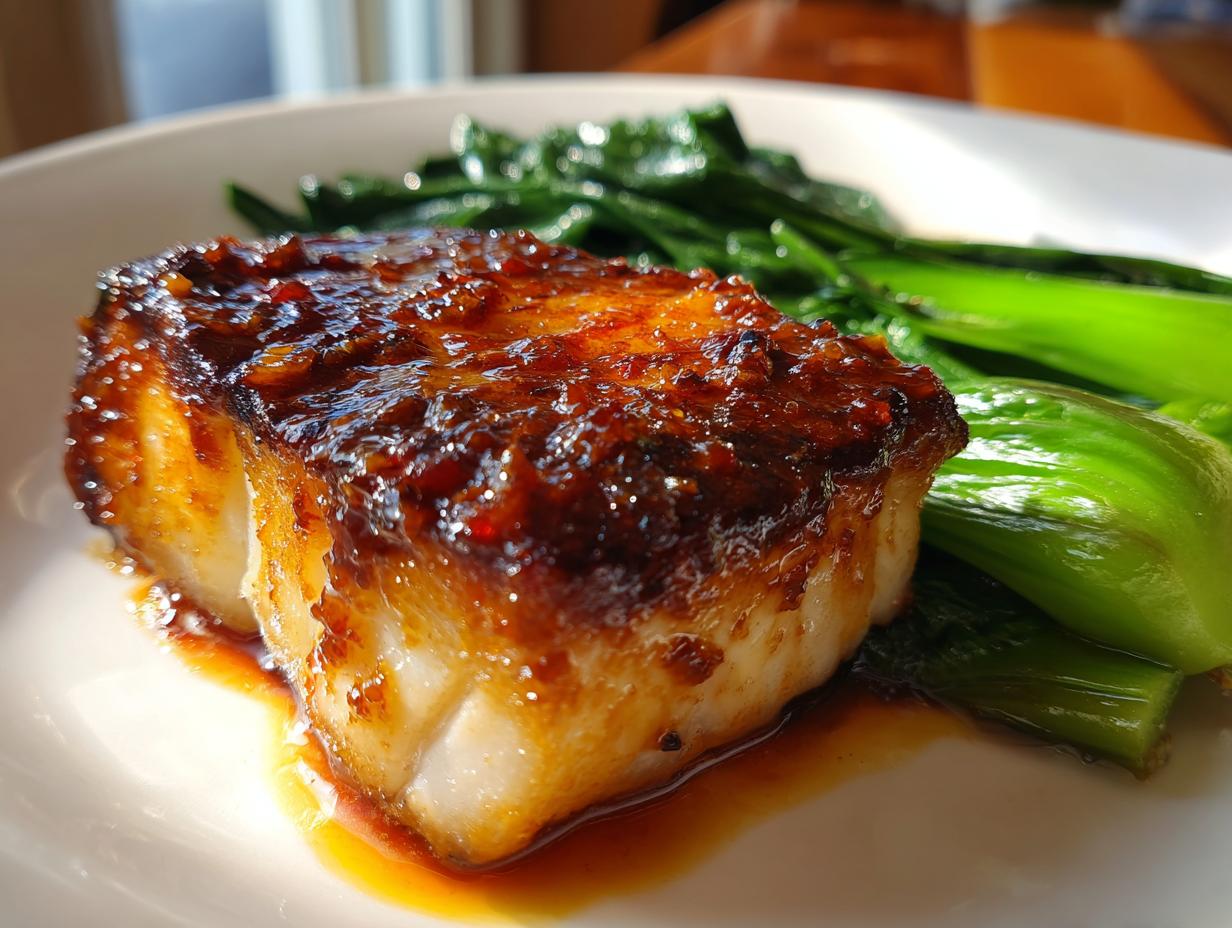
If you’ve ever sat down to dinner at a fantastic Japanese steakhouse and ordered that melt-in-your-mouth fish, you know the magic I’m talking about. That experience can feel totally untouchable at home, right? Wrong! I’m here to tell you one of the best-kept secrets of weeknight gourmet: the miso glazed chilean sea bass recipe. Trust me, this showstopper is shockingly easy. We aren’t using twenty steps here; we’re using fantastic flavor combinations to ensure you get that rich, umami flavor and a perfectly flaky texture every single time. Forget the stress! By the time we’re done, you’ll achieve that beautiful, shiny glaze that looks professionally done. Let’s get cooking!
- Why This Miso Glazed Chilean Sea Bass Recipe Works (The Taste This Plate Difference)
- Gathering Ingredients for Your Miso Glazed Chilean Sea Bass Recipe
- Step-by-Step Instructions for the Best Broiled Sea Bass
- Tips for a Successful Miso Marinated Fish Baking Instructions (and Broiling)
- Serving Suggestions for Your Gourmet Seafood Dinner
- Storage and Reheating Instructions for Glazed Fish Cooking Guide
- Frequently Asked Questions About the Miso Glazed Chilean Sea Bass Recipe
- Nutritional Estimates for Miso Glazed Chilean Sea Bass
- Share Your Restaurant Style Fish Recipe Success
Why This Miso Glazed Chilean Sea Bass Recipe Works (The Taste This Plate Difference)
When you create a restaurant-style dish like this, you need to know the ‘why’ behind the steps. It’s what separates a good dinner from one you talk about for weeks! We’ve fine-tuned this process so you don’t have to worry about guess-work. This method is superior because we manage the intense heat of the broiler and control the sugar in the glaze.
- We bring the fish to temp first, which ensures even cooking and lets us nail that perfectly flaky sea bass texture.
- We scrape off the thick marinade before the high heat hits the fish. This one small action is the secret to getting that beautiful, non-charred caramelization you want.
Perfectly Flaky Sea Bass Texture Guaranteed
Chilean Sea Bass is delicate, and we want it to flake apart gently, not dry out into a tough brick! That’s why you must pull the fish out of the fridge about 30 minutes before it hits the heat. Letting it warm up slightly means the center cooks at the same rate as the outside. Quick cooking under the broiler seals in the moisture. It’s all about speed and timing to get that signature texture.
Creating the Ultimate Miso Glazed Chilean Sea Bass
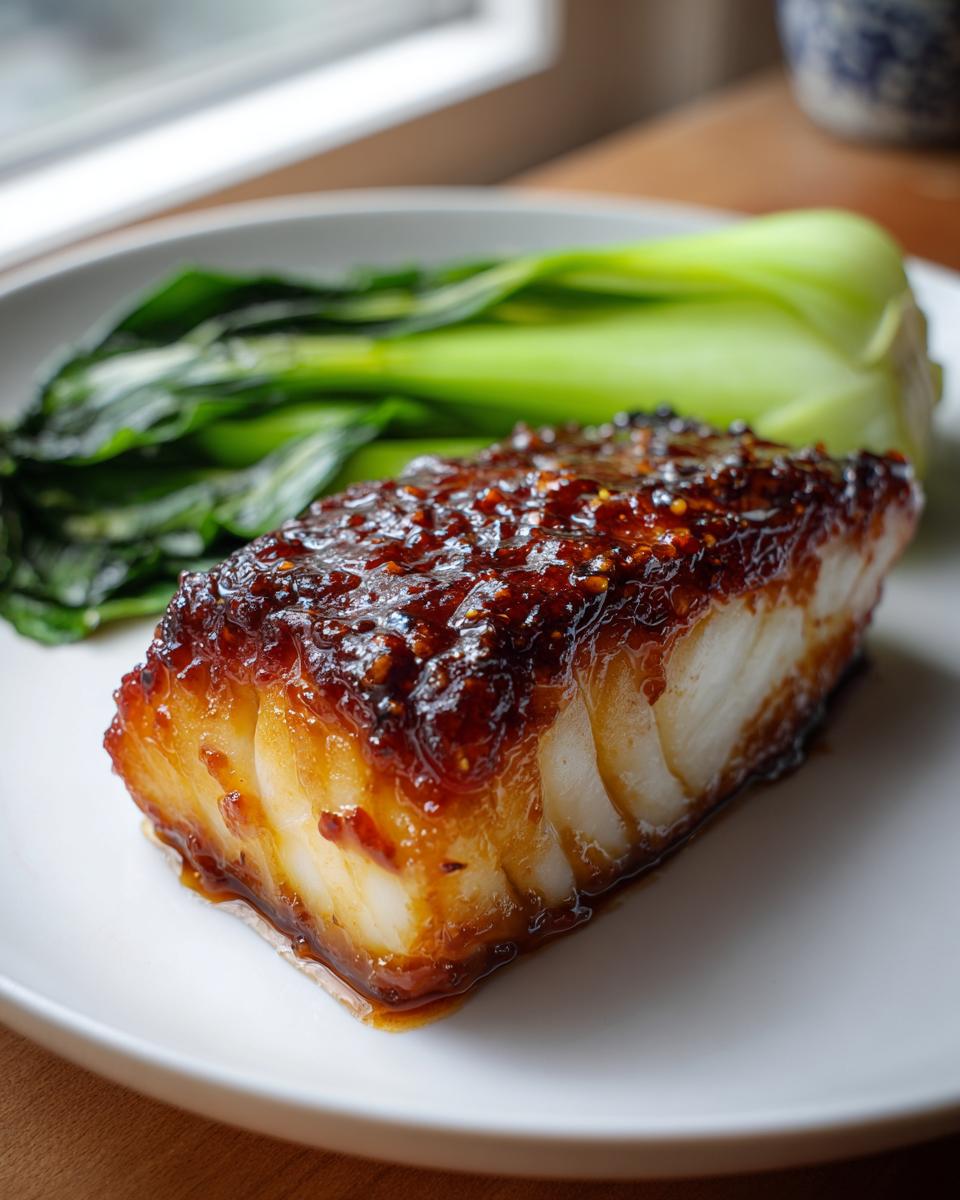
The flavor here is pure balance. You’ve got the deep, comforting umami from the miso paste, balanced by the sweetness of the mirin and sugar. That little kick of savory from the soy sauce pulls it all together. Following the exact ratios in this miso glazed chilean sea bass recipe ensures you get a glaze that is complex, sweet, salty, and savory—never just flat saltiness. It’s what makes this unforgettable!
Gathering Ingredients for Your Miso Glazed Chilean Sea Bass Recipe
Okay, let’s talk about what you need to pull off this incredible restaurant style fish recipe. Since we are using high-quality fish absorbing this amazing marinade, the ingredients really matter. Don’t be intimidated by the list—most of these items are pantry staples or easy to find at any standard grocery store. When you’re buying miso, look for white miso paste; it’s milder and sweeter, which is perfect for this application.
We’re making sure we have enough glaze to marinate the fish *and* reserve some for basting, so pay close attention to the ratios. And because every great entrée needs a vibrant green side, I’ve included a super simple bok choy method that cooks right alongside your fish prep. You can find more ideas for great vegetable pairings over at our favorite simple sides!
Ingredients for the Authentic Sea Bass Marinade
This mixture is where all the umami magic happens. Here’s what you’ll need for the base marinade:
- 1 cup white miso paste
- 1/2 cup mirin (that sweet rice wine!)
- 1/4 cup sake
- 1/4 cup granulated sugar
- 1 tablespoon soy sauce
- 1 teaspoon sesame oil
- 1 teaspoon fresh ginger, grated
- 1.5 lbs Chilean Sea Bass fillets (aim for about 1 inch thick)
Ingredients for the Quick Sautéed Bok Choy
This comes together in minutes while the fish is under the broiler, so have this ready to go:
- 2 heads baby bok choy, trimmed and halved
- 1 tablespoon vegetable oil
- Salt and black pepper to taste
Step-by-Step Instructions for the Best Broiled Sea Bass
This is where all the planning pays off! Cooking delicate fish like this requires precision, especially when that beautiful glaze is involved. My goal here is to walk you through the process so you get a restaurant-quality result without stressing over a timer or a smoke detector. Remember, this method is specially designed for the miso glazed chilean sea bass recipe to ensure maximum flavor and a gorgeous color!
Making the Easy Miso Marinade for Fish
First things first: we need that glaze! Grab a small saucepan, because we’re cooking this down just a touch to wake up those flavors. Whisk together your miso paste, mirin, sake, sugar, soy sauce, sesame oil, and that tiny bit of fresh ginger. Put it over medium-low heat. Now, pay close attention: you must stir this constantly for about five or seven minutes until the sugar dissolves and the mixture gets just a little bit thicker. It should coat the back of a spoon lightly, but seriously, do not let it boil! Boiling ruins the fresh taste. Once it’s smooth, take it off the heat immediately.
Marinating and Preparing the Fish
Take about two-thirds of that incredible glaze you just made and drape it all over your sea bass fillets in a shallow dish. Make sure every inch is coated. Cover it up—and this is crucial for depth of flavor—and get it in the fridge. You want at least four hours, but honestly, overnight is when this really shines. Before you preheat the broiler, pull the dish out of the fridge so the fish can take the chill off for about 30 minutes. While that’s happening, take the remaining one-third of the glaze and put it back in the fridge for later. When you’re ready to cook, gently scrape off all the thick marinade that’s currently sticking to the fish. Yes, scrape it! That heavy stuff will burn before the fish cooks.
The Broiling Technique for a Shiny Glazed Fish Finish
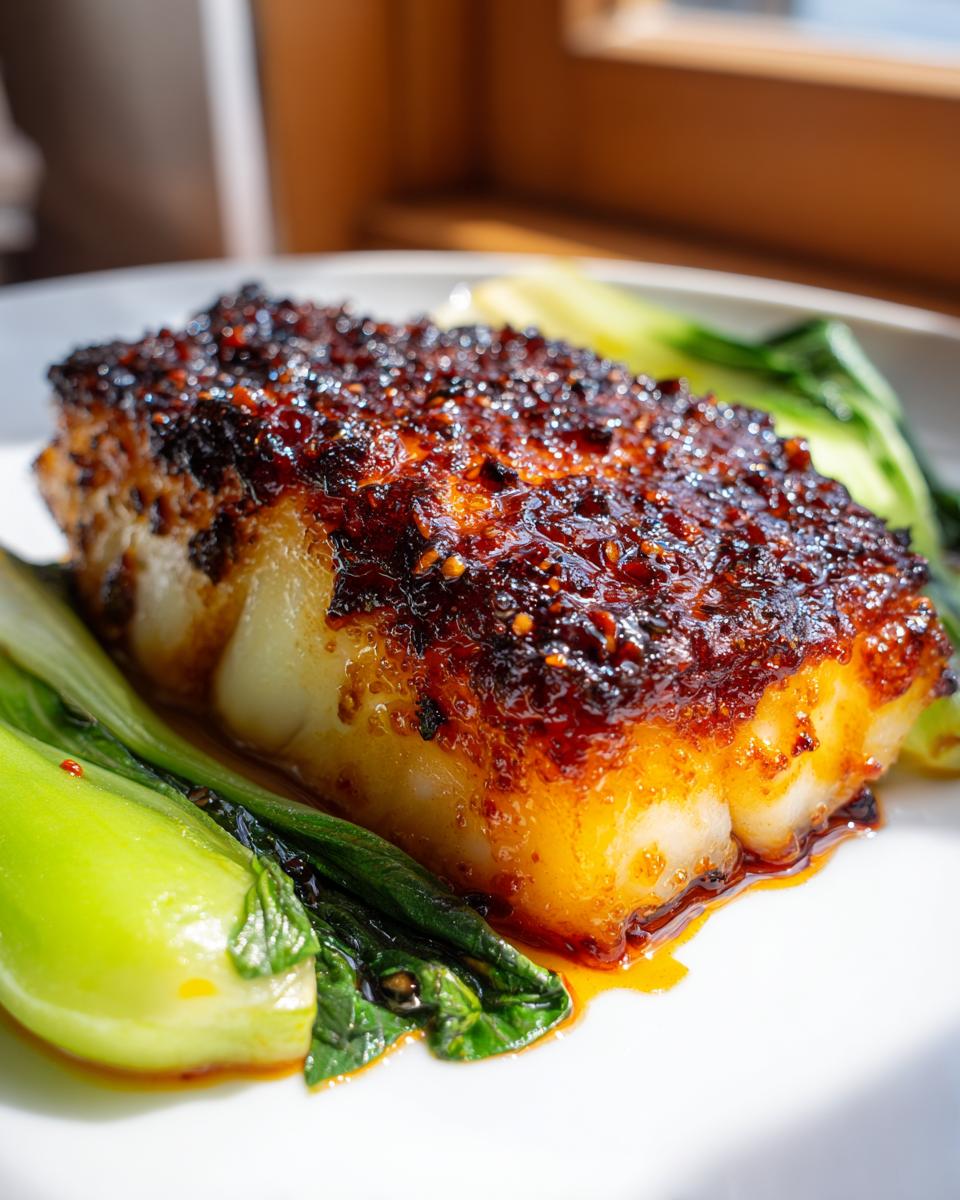
Set your broiler to high! Line a baking sheet with foil—clean-up is worth the extra one minute of prep time, trust me. Place a wire rack on top and give it a light coat of oil so the fish doesn’t stick. Place your scraped fillets skin-side down on that rack. Pop it under the broiler for just 4 to 6 minutes. Watch it like a hawk! When the timer goes off, pull the tray out carefully. Now, take that reserved glaze and brush a nice even layer over the fish. Back under the broiler it goes for another 3 to 5 minutes. This second, lighter brushing is what gives you that absolutely shiny glazed fish finish without scorching.
Cooking the Side Dish: Quick Bok Choy
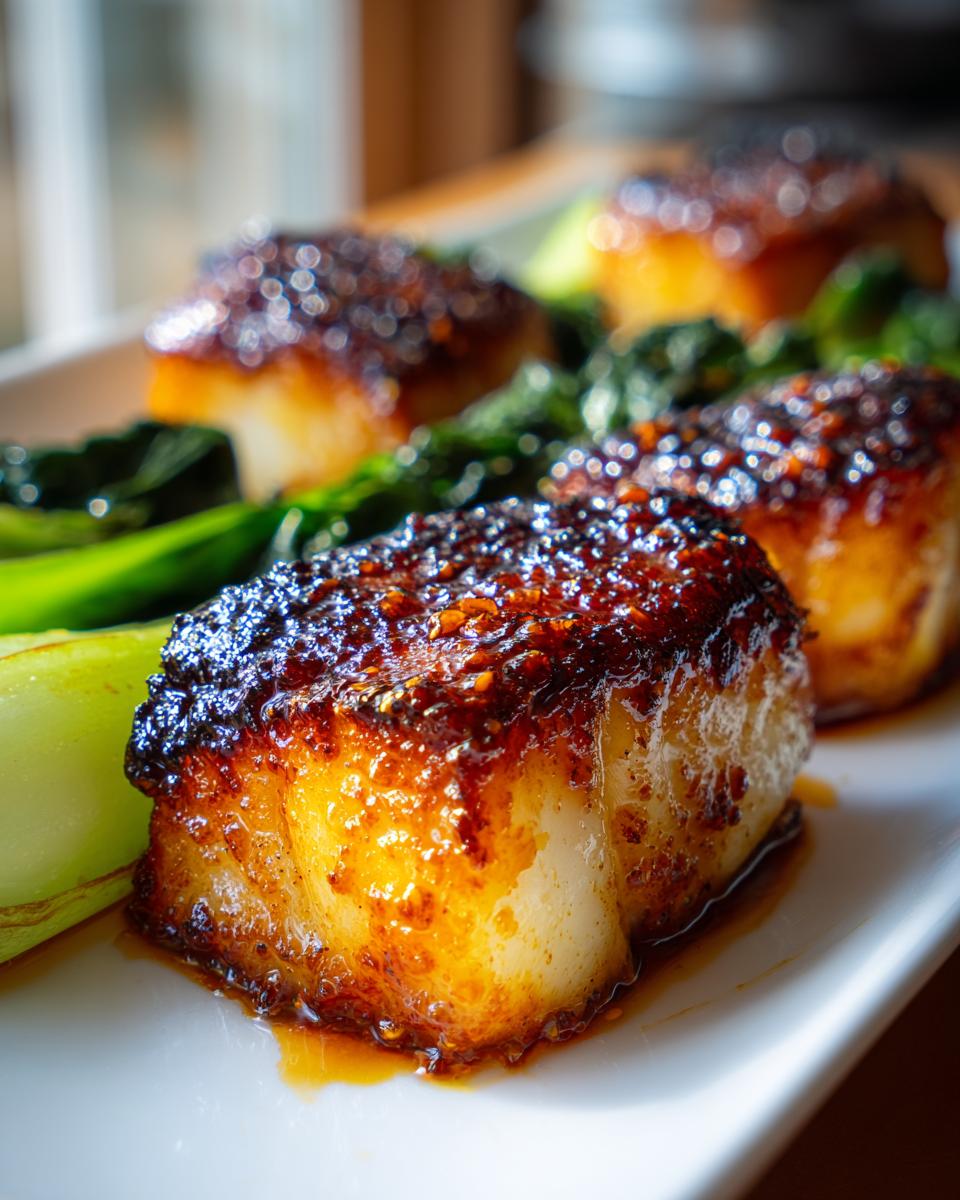
While the fish is finishing up its final minutes, let’s get this snappy side going. Heat your vegetable oil in a big skillet over medium-high heat. Drop the halved bok choy into the pan, cut-side down. You want to hear it sizzle! Let it sear without touching it for about 2 minutes until those cut edges get a little brown color. Then, pour in two tablespoons of water, slap a lid on it quickly, and let it steam for 2 short minutes. They should still have a nice little crunch. A sprinkle of salt and pepper finishes it perfectly.
Tips for a Successful Miso Marinated Fish Baking Instructions (and Broiling)
Hey, I totally get it—Chilean Sea Bass is gorgeous, but it can be pricey, or sometimes, you just can’t find it. Don’t let that stop you from enjoying this dish! Part of our philosophy here at Taste This Plate is making sure you succeed even if you need to pivot slightly. These tips are all about building confidence so you can walk into the kitchen knowing you’ll nail this miso glazed chilean sea bass recipe, whether you broil it or bake it.
If you’re looking for other fantastic main courses to pair with this incredible flavor profile, check out our collection of simple main dishes!
Chilean Sea Bass Alternatives for Your Umami Glazed Fish Recipe
If the real deal isn’t calling your name this week, don’t fret! There are some wonderful white fish with miso glaze options out there. I’ve had amazing results using thick-cut cod or halibut when I need an alternative. The main thing you need to watch out for is the thickness, just like with the sea bass. If your fillet is thinner than one inch, pull it out of the heat about two minutes sooner. Thicker cuts (like 1.5 inches) might need an extra couple of minutes, so always rely on your eyes and the fork test rather than just the clock!
Troubleshooting: Preventing the Miso Glazed Chilean Sea Bass from Burning
This is probably the number one question I get about this recipe, and it all comes down to sugar content. Miso has sugar, mirin has sugar, and we add more sugar—that means we are creating high-heat lightning right on top of your delicate fish! To avoid that bitter, burned crust, you must scrape off that thick, syrupy marinade we used for the main soak before the fish ever goes near the heat source. That thick layer will turn black instantly under the broiler.
The second step, which we went over in detail, is using only the thinner, reserved glaze for the final basting brush in the last few minutes of cooking. That light coat caramelizes beautifully, giving you that lovely color and flavor without incinerating your beautiful seafood. It’s a two-part glazing process for a reason!
Serving Suggestions for Your Gourmet Seafood Dinner
Now that you have this incredible, flavorful fish on your plate, what should you serve alongside it? Since the miso glazed chilean sea bass recipe is rich, sweet, and deeply savory, you want sides that offer a clean, bright contrast. Keep it simple—you’ve already done the heavy lifting!
We already have that quick bok choy recipe to go with it, which is fantastic. But if you want more ideas for what to serve with your gourmet seafood dinner, I always lean toward something fluffy to soak up any extra glaze.
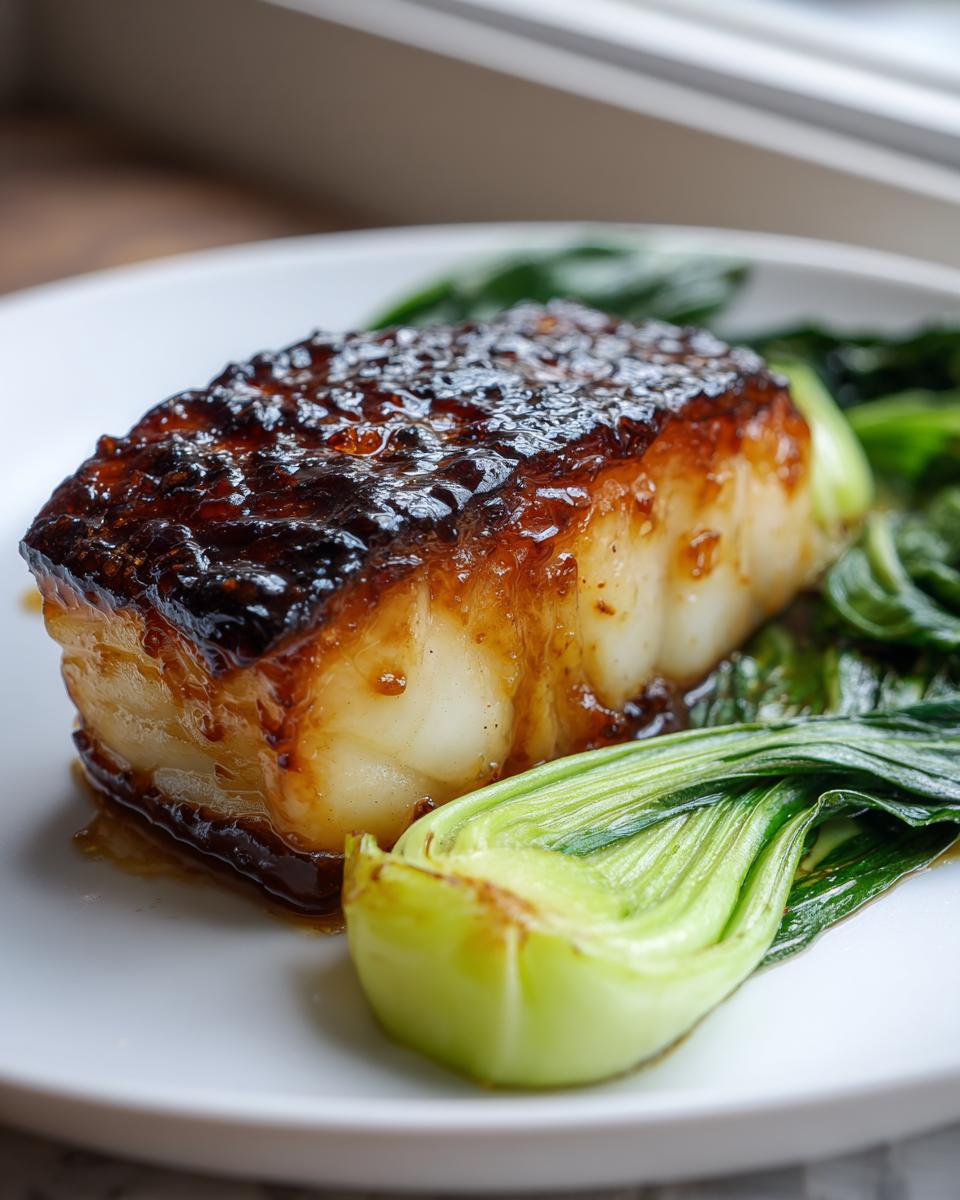
Think about simple steamed jasmine rice or maybe some fluffy quinoa. For another vegetable, try lightly steamed asparagus or quick-steamed green beans tossed with just a squeeze of lemon. You can find more inspiration for clean pairings over at our favorite rice and side dishes!
Storage and Reheating Instructions for Glazed Fish Cooking Guide
One of the best things about making a gourmet meal is having leftovers, but seafood can be tricky, right? If you have any of that incredible umami glazed fish recipe left over, you want to handle it gently so you don’t lose that amazing texture we worked so hard to achieve.
First, storage: Once the fish has cooled completely, transfer it to an airtight container. You want to make sure it’s not sitting in any extra liquid, especially if you served a lot of sauce with it. Keep it refrigerated, and honestly, I think this fish is best eaten within two days. After that, the texture starts to change a little too much for my liking.
Now, reheating is where you have to be careful so you don’t dry it out. Microwaving is a fast route, but it often toughens delicate fish. If you must use the microwave, wrap the portion loosely in a damp paper towel—that humidity helps a bunch—and use 50% power in short 30-second bursts until it’s just warm. It’s not my favorite method, but it works in a pinch!
My absolute favorite way to reheat this, especially when I want that flaky texture back, is in the oven. Pop the portion onto a small piece of foil, add just a tiny splash—maybe a teaspoon—of water or chicken broth right into the foil pouch, and seal the edges well. Bake it at a very low 300°F (150°C) for about 8 to 10 minutes. That gentle steam effect warms the fish through beautifully while keeping it moist. It’s a fantastic technique for any glazed fish cooking guide!
Frequently Asked Questions About the Miso Glazed Chilean Sea Bass Recipe
When you start trying a new gourmet recipe, questions always pop up! Don’t worry; I’ve collected a few of the most common things folks ask whenever they dive into this miso glazed chilean sea bass recipe. Trying to master the balance of sweet and savory glaze can seem tricky at first, but trust me, once you know these little secrets, you’ll feel like a pro!
Can I use brown sugar instead of granulated sugar in the Authentic Sea Bass Marinade?
Yes, you absolutely can! If you swap granulated sugar for dark brown sugar, you’ll notice a slight difference. Brown sugar adds a deeper molasses note, which is lovely, but it also makes the glaze a little darker. Since we are broiling, using brown sugar means you need to watch the heat *even more* closely, or you might burn those beautiful caramel notes before the fish is cooked through. Stick with granulated for the guaranteed shiny glazed fish finish, but don’t be afraid to experiment once you get comfortable!
How long can I safely marinate the fish for this Japanese Inspired Sea Bass dish?
Miso is salty, so it does the curing work for us, which means we don’t have to marinate this fish for days! Four hours is a great minimum when time is tight, as it gives the miso enough contact time to flavor the fish. However, for the most intense flavor penetration, letting the fish soak up that authentic sea bass marinade overnight in the fridge (up to 24 hours) is my personal strong recommendation. Any longer than 24 hours, and the texture might start getting a bit too soft, which no one wants!
What is the best way to check if my fish is done when How to Cook Chilean Sea Bass?
Forget setting a clock and hoping for the best! When you are learning how to cook Chilean Sea Bass, visual cues are everything. When the fish is done, it will no longer look translucent or slick in the center. It should appear opaque all the way through. The real test is the fork nudge: gently slide a fork into the thickest part of the fillet and twist slightly. If the fish separates easily into beautiful, large, flaky sections, it’s ready to come out! If it’s fighting you and still looks tightly packed, give it another minute under the heat.
Nutritional Estimates for Miso Glazed Chilean Sea Bass
I know some of you are counting macros or just curious about what exactly goes into this gorgeous meal. Since we are using premium ingredients like healthy fats in the fish itself and natural sugars from the mirin and miso, it’s good to have a snapshot of the numbers!
Here are the estimated nutritional details per serving for our miso glazed chilean sea bass recipe, based on the ingredients listed and serving four people. Remember, these are just starting points; if you swap white fish for cod or use less sugar, those numbers will shift a bit. This is just a guide so you can feel good about enjoying this amazing dish!
- Serving Size: 1 fillet
- Calories: 450
- Fat: 18g (Heart-healthy unsaturated fats make up most of this!)
- Protein: 45g (That’s what makes seafood so satisfying!)
- Carbohydrates: 25g
- Sugar: 18g (Mostly from the mirin and miso)
- Sodium: 850 mg (Miso and soy sauce contribute here, so be mindful if you are watching salt!)
We intentionally kept the bok choy simple—just a drizzle of oil—to keep the overall fat content of the meal balanced with high protein. It’s proof that a gourmet seafood dinner can still fit easily into your eating goals!
Share Your Restaurant Style Fish Recipe Success
And just like that, you’ve done it! You’ve successfully created something truly special—a show-stopping, deeply flavorful plate of miso glazed chilean sea bass recipe that tastes like it came straight from a high-end dining room.
I truly hope sharing this meal brought as much joy to your table as it does to mine. I poured all my experience making sure this was foolproof, but I always live to hear how it turned out for you! Cooking is all about community and sharing knowledge, so please, don’t be shy.
If you loved this recipe and want to know more about the philosophy behind making simple food extraordinary, you can read all about my journey over at the About Page!
Did you try the broiling method? Did you have to substitute the fish? Drop a comment below and let me know how your restaurant style fish recipe turned out! I love seeing your finished plates and talking through any cooking questions you might have. Your success is what makes Taste This Plate worth it. Happy cooking, everyone!
PrintUltimate Broiled Miso Glazed Chilean Sea Bass with Quick Bok Choy
Create a restaurant-style Miso Glazed Chilean Sea Bass at home using simple ingredients. This recipe focuses on achieving a perfect, flaky texture and a deeply flavorful, shiny glaze.
- Prep Time: 20 min
- Cook Time: 15 min
- Total Time: 35 min
- Yield: 4 servings 1x
- Category: Dinner
- Method: Broiling
- Cuisine: Japanese Inspired
- Diet: Low Fat
Ingredients
- 1.5 lbs Chilean Sea Bass fillets (about 1 inch thick)
- 1 cup white miso paste
- 1/2 cup mirin (sweet rice wine)
- 1/4 cup sake
- 1/4 cup granulated sugar
- 1 tablespoon soy sauce
- 1 teaspoon sesame oil
- 2 heads baby bok choy, trimmed and halved
- 1 tablespoon vegetable oil
- 1 teaspoon fresh ginger, grated
- Salt and black pepper to taste
- Sesame seeds, for garnish
Instructions
- Prepare the Miso Glaze: In a small saucepan, combine the white miso paste, mirin, sake, sugar, soy sauce, and sesame oil. Heat over medium-low heat, stirring constantly until the sugar dissolves and the mixture thickens slightly, about 5 to 7 minutes. Do not boil. Remove from heat and stir in the grated ginger. This is your authentic sea bass marinade.
- Marinate the Fish: Place the Chilean Sea Bass fillets in a shallow dish. Pour about two-thirds of the miso glaze over the fish, ensuring all sides are coated. Reserve the remaining one-third of the glaze for basting later. Cover the dish and refrigerate for at least 4 hours, or preferably overnight, to allow the umami glazed fish recipe flavors to penetrate.
- Preheat and Prepare: About 30 minutes before cooking, remove the fish from the refrigerator to allow it to come closer to room temperature. Preheat your oven broiler to high. Line a baking sheet with foil and place an oven-safe wire rack on top. Lightly oil the rack.
- Cook the Fish: Remove the fish from the marinade, gently scraping off any excess glaze (the thick marinade will burn easily under the broiler). Place the fillets on the prepared rack. Broil for 4 to 6 minutes, depending on thickness.
- Baste and Finish: Carefully brush the reserved one-third of the fresh miso glaze onto the fish. Return to the broiler for another 3 to 5 minutes, watching closely, until the fish is opaque, flaky, and the glaze is caramelized and shiny. The total cooking time should result in perfectly flaky sea bass.
- Prepare the Bok Choy: While the fish finishes, heat the vegetable oil in a large skillet over medium-high heat. Add the bok choy, cut-side down. Sear for 2 minutes until lightly browned. Add 2 tablespoons of water, cover, and steam for 2 minutes until tender-crisp. Season lightly with salt and pepper.
- Serve: Transfer the miso glazed fish to plates alongside the quick bok choy. Garnish with sesame seeds.
Notes
- If Chilean Sea Bass is unavailable or too costly, you can substitute with sablefish, cod, or halibut for a similar texture. Adjust cooking time based on the thickness of your chosen white fish with miso glaze.
- To prevent burning the glaze, always scrape off the thick marinade before the initial broil. Only use the reserved, thinner glaze for basting during the final minutes.
- For a different method, you can bake the fish at 400°F (200°C) for 12-15 minutes, basting halfway through.
Nutrition
- Serving Size: 1 fillet
- Calories: 450
- Sugar: 18
- Sodium: 850
- Fat: 18
- Saturated Fat: 3
- Unsaturated Fat: 15
- Trans Fat: 0
- Carbohydrates: 25
- Fiber: 2
- Protein: 45
- Cholesterol: 110