

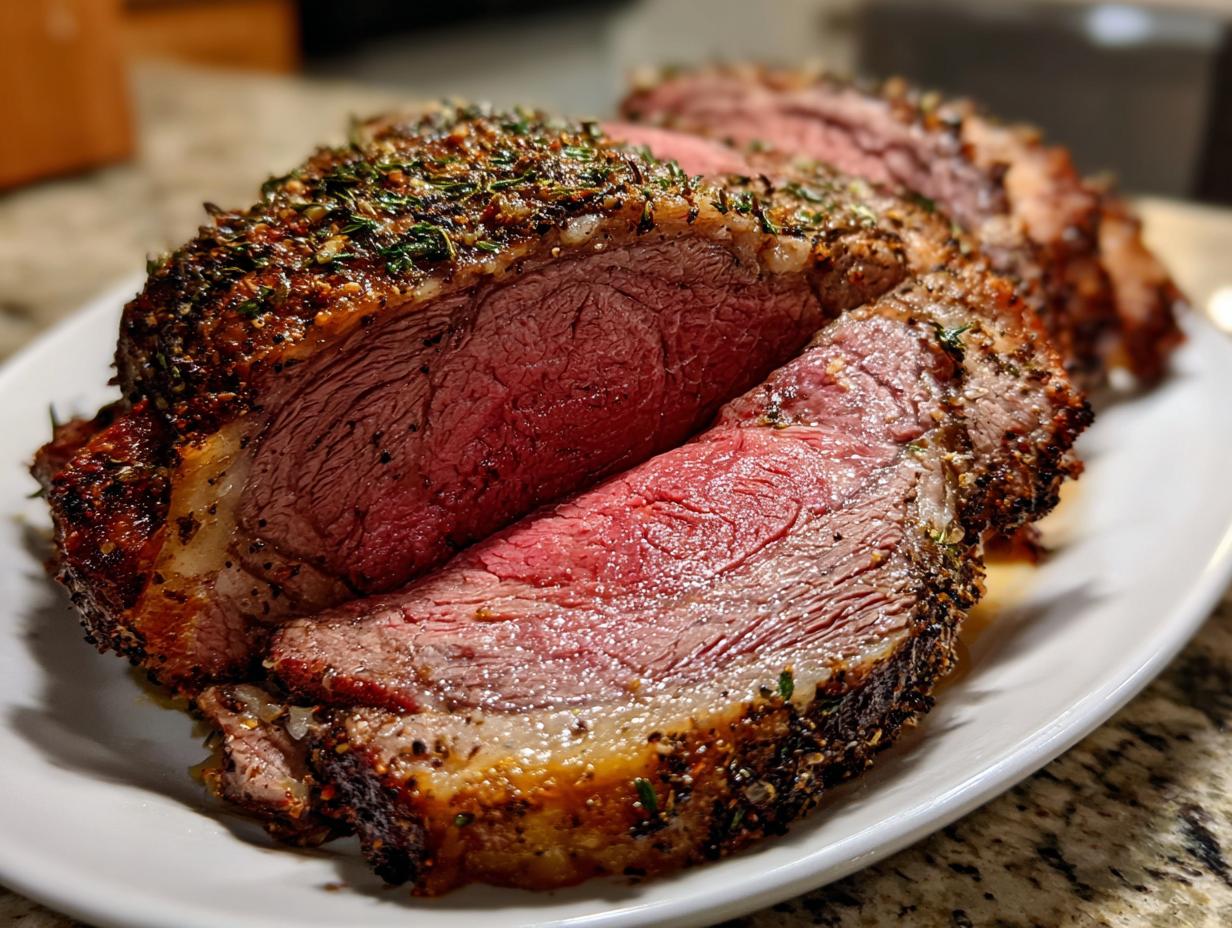
When the holidays roll around, there’s one piece of meat that signals pure celebration: the prime rib roast. But I know what you’re thinking—it looks complicated, it’s expensive, and there’s so much pressure to get that perfect medium-rare! Trust me, I spent countless hours breaking down classic big-deal recipes until I cracked the code for you. My goal here at Taste This Plate is to take the intimidating recipes and make them wonderfully simple. That’s exactly what we’re doing today with The Ultimate Foolproof Garlic Butter Prime Rib Roast. This prime rib recipe uses what I call the ‘500 Rule’ method—a simple, high-heat sear followed by a slow finish—and I guarantee it will give you that restaurant-quality crust and the tender, juicy center every single time. You absolutely can make this showstopper!
- Why This Is The Ultimate Foolproof prime rib recipe (E-E-A-T Focus)
- Ingredients for Your Garlic Butter prime rib recipe
- Standing Rib Roast Instructions: The easy prime rib roast oven Method
- Tips for a Tender prime rib for Guests
- Serving Suggestions for Your Christmas prime rib dinner
- Storage and Reheating Instructions for Leftover prime rib recipe
- Frequently Asked Questions about the prime rib recipe
- Estimated Nutritional Data for This prime rib recipe
- Share Your Holiday Roast Beef Recipe Success
Why This Is The Ultimate Foolproof prime rib recipe (E-E-A-T Focus)
I want you to ditch the stress that comes with making a big holiday centerpiece. That’s why I developed and tested this prime rib recipe relentlessly in my own kitchen until I found the absolute easiest, most consistent method. My secret weapon is the two-stage roasting technique that everyone is talking about—the ‘500 Rule’. It gives you that stunning, savory crust you see in professional photos, but without any guesswork.
I’ve poured hours into making sure this works whether you’re hosting a small gathering or planning a huge Christmas prime rib dinner. Unlike recipes that just give you a vague time frame, this method centers entirely on temperature, giving you total control over the final result. You deserve a showstopper that turns out exactly right!
Achieving a Perfectly Cooked prime rib every time
The difference between a good roast and a *perfectly cooked prime rib* is just knowing when to pull it out of the heat. We are shooting for a beautiful medium-rare, which, for us, means hitting an internal temperature between 125 and 130 degrees Fahrenheit. The two-step oven process—that fast blast at 500°F followed by a lower simmer at 325°F—locks in the juices perfectly. You’ll feel so confident serving this to your guests, knowing you nailed that ideal, tender texture.
If you want to see other beef dishes that are just as satisfying without all the fuss, check out my recipe for beef and bowtie pasta rolls. But when it comes to presentation and flavor, nothing beats this roast.
Ingredients for Your Garlic Butter prime rib recipe
Alright, let’s check our pantry! Following our food philosophy here at Taste This Plate, we’re not chasing down obscure ingredients for this spectacular prime rib recipe. Everything here should be easy to grab at your regular grocery store. Remember, simple ingredients, extraordinary meals—that’s the goal!
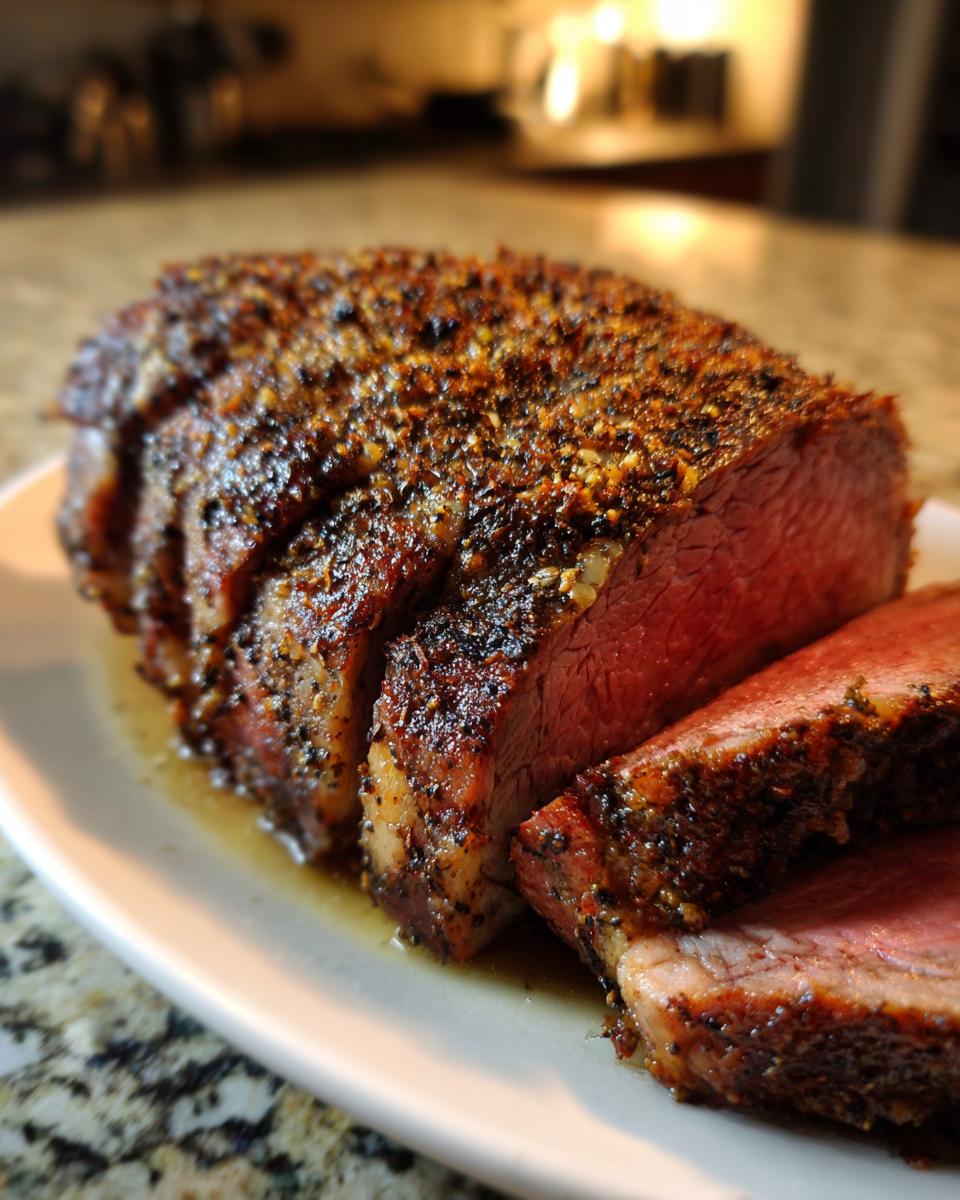
For this garlic butter prime rib, the quality of the meat matters most, so aim for a beautiful 5 to 7-pound bone-in roast, which we call a standing rib roast. The bone really helps insulate the meat, leading to that *juicy prime rib cooking method* we love.
Here is what you’ll need to create that amazing crust:
- One (5-7 lb) bone-in prime rib roast (this is your star!)
- 1/2 cup unsalted butter, make sure it’s beautifully softened—not melted!
- 6 cloves of garlic, minced finely—we really want that garlic flavor to shine.
- 2 tablespoons fresh rosemary, chopped up—smell that? Incredible.
- 1 tablespoon fresh thyme leaves
- 2 tablespoons coarse sea salt (don’t use the fine table salt here!)
- 1 tablespoon freshly ground black pepper
- 1 tablespoon olive oil for the initial rub-down
If you’re looking for another great way to utilize butter and garlic in a less intimidating meal, definitely check out my beef garlic butter linguine recipe. But for the holidays, this roast is unbeatable!
Standing Rib Roast Instructions: The easy prime rib roast oven Method
Okay, let’s walk through the actual roasting part. This is the centerpiece of our easy prime rib roast oven guide. First things first—and this is crucial for evening out the temperature—you must get that gorgeous hunk of meat out of the fridge at least three hours before you plan to cook it. Seriously, don’t skip that step! I always plan my day around getting my prime rib roast onto the counter early.
When you’re ready, crank that oven up! We start hot, hot, hot. Preheat to 500 degrees Fahrenheit. Next, you’ll want to place your roast, fat side up, on a rack in a roasting pan—no covering it up! This is where the 500 Rule magic happens for our prime rib recipe. You cook it for exactly 15 minutes per pound at that high heat. If you have a 6-pound roast, that’s 90 minutes of high heat for that gorgeous crust!
Once that searing time is up, pull open the door, quickly drop the temperature to 325°F, and do *not* peek again! Continue roasting following these standing rib roast instructions until your thermometer reads the perfect spot. The great thing is that once you master this, you’ll never worry about cooking a big roast for the holidays again. Now, let’s talk about that crust preparation!
Preparing the Herb Rub for Your prime rib recipe
While the roast is coming up to temp, mix up that incredible garlic butter mixture we talked about. Use a fork to really mash that softened butter, minced garlic, rosemary, thyme, salt, and pepper together until it’s basically a fragrant paste. Once it’s mixed, take your dry roast and brush on a thin layer of olive oil all over—this helps the butter stick. Then, take your glorious herb rub and spread it everywhere! Don’t be shy; press it firmly into the meat. We want that flavor to really embed itself deeply so you get that rich taste in every bite. If you want another recipe that capitalizes on that butter base but is faster, check out my beef and garlic butter linguine.
Mastering the Juicy prime rib cooking method with Temperature Checks
This is where we build trust with the meat thermometer. Remember, we are going for medium-rare, which means pulling it out when the center hits 125 to 130 degrees Fahrenheit. Insert that thermometer carefully into the thickest part, making absolutely sure you aren’t touching the bone. Once it pings that temperature target, yank that roast out immediately! Resist the urge to cook it longer, because the resting period is actually the final cooking stage. Once it’s resting, the internal temperature will keep climbing about 5 to 10 degrees. That carryover cooking is part of the foolproof *juicy prime rib cooking method*, so trust the thermometer and trust the rest! After resting for a solid 20 minutes, you are ready to carve.

Tips for a Tender prime rib for Guests
Getting that perfect, tender result for your guests really comes down to a few non-negotiable steps that make the difference between nice and absolutely unforgettable. We covered the 500 Rule, but let’s talk about preparation, because that’s where authority starts!
My biggest pro tip that I learned after ruining my first few attempts (oops!) is making darn sure your roast surface is completely dry before you apply that beautiful garlic butter rub. I mean bone-dry! Take your paper towels and just blot, blot, blot. Steaming meat leads to steaming, not searing, and we want a crispy crust on our bone in prime rib recipe. This simple action is key to achieving that superior crust mentioned in so many great holiday roast guides.
Now we need to chat about the bone. When dealing with a standing rib roast instructions, I strongly prefer bone-in. The bones basically act as little insulators, protecting the meat closest to them from overcooking too quickly. If you opt for a boneless prime rib recipe, you just need to be even more vigilant with your meat temperature checks because those cuts tend to dry out faster. Either way, the resting period we built into the instructions is non-negotiable for that tender prime rib for guests. Don’t let anyone carve it too soon!
Once you pull it out, make sure you have some amazing sides ready to go. I always pair this roast with my crispy potato wedges—you need something to soak up those glorious juices!
Serving Suggestions for Your Christmas prime rib dinner
You’ve mastered the prime rib recipe, and now you need sides worthy of this magnificent centerpiece! Because this roast is so rich from the garlic butter and those beefy juices, I like to balance it with sides that are either creamy or packed with just the right amount of sweetness to cut through the richness. It really makes for the perfect Christmas prime rib dinner.
My go-to comfort pairing is always a hearty bowl of garlic parmesan mashed potatoes. Seriously, the way those juices mix with the creamy potatoes? It’s heavenly. If you want a touch of holiday sweetness without being overwhelming, you absolutely have to try my sweet potato casserole with marshmallow topping. It’s traditional, but it tastes like pure joy alongside that perfectly cooked prime rib. Remember, it’s all about creating balance on the plate!
Storage and Reheating Instructions for Leftover prime rib recipe
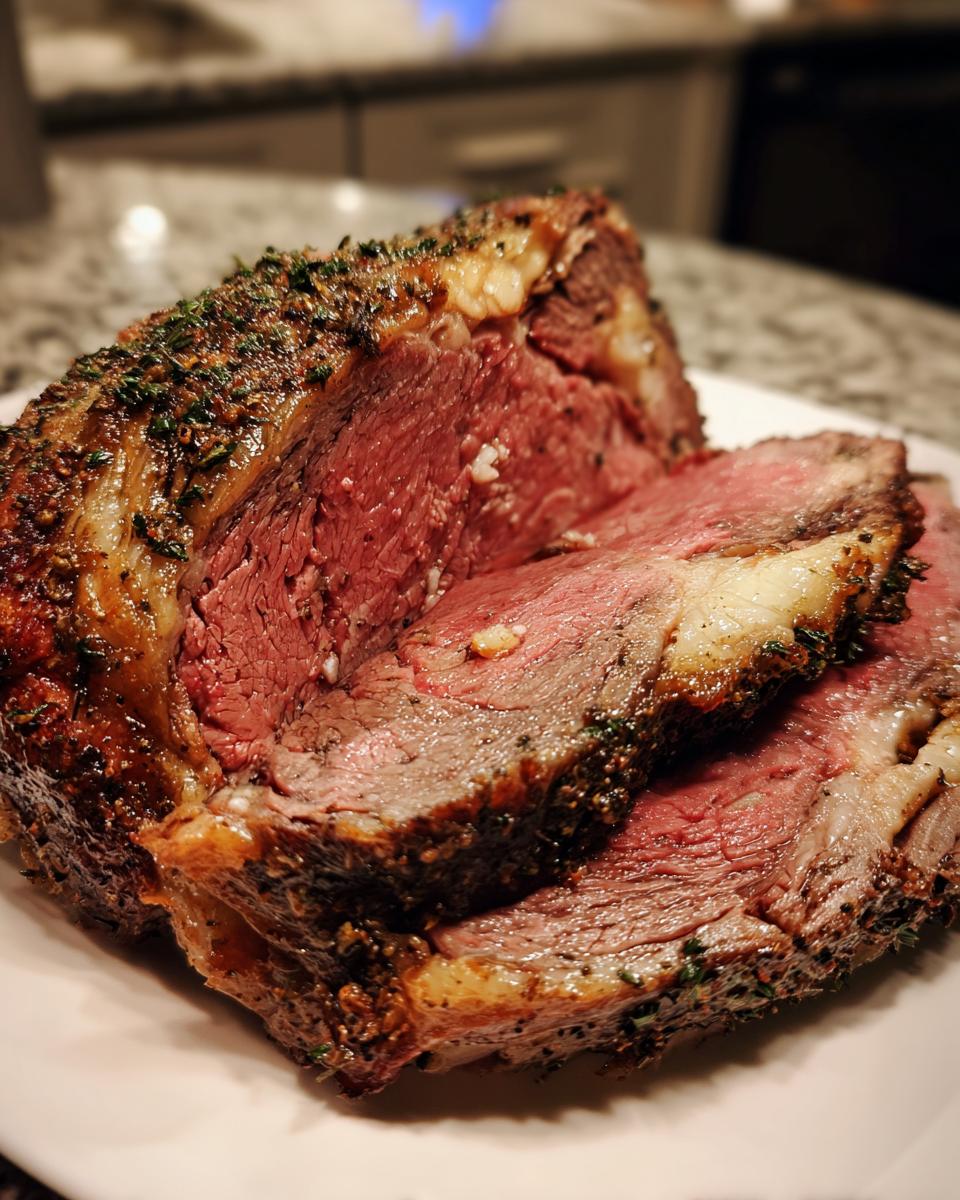
You did it! You managed to have leftovers from your incredible *prime rib recipe*—which, let’s be honest, shows how massive and delicious that roast was! Now, we need to treat those leftovers right so they remain that heavenly, tender meat tomorrow. Don’t just toss that gorgeous beef in the fridge uncovered; you’ll end up with tough roast beef!
For storage, I highly recommend slicing the remaining roast first, but only slice what you think you’ll eat in the next day or two. For the rest of the roast, leave it whole! Store the slices or the whole piece in an airtight container. If you’re storing sliced meat, I like to add just a tiny splash of beef broth or water to the container before sealing. This adds just enough moisture to prevent drying out while it chills. This way, your leftovers should stay fantastic for about three to four days in the refrigerator.
The Secret to Reheating Tender prime rib
This is the most important part for leftovers. You absolutely cannot—I mean, cannot—nuke thick slices of prime rib for three minutes straight. That’s how you turn a five-star roast into something sad and shoe-leather-y. We are aiming for warmth, not cooking it another degree!
The best reheating method is the low and slow oven trick, similar to what we did for the initial cook. Lay your slices in a shallow dish, pour a little broth or au jus (if you made some!) over the bottom, cover the dish tightly with foil, and pop it into an oven that is set to a very low 275°F. You only need to heat it until it’s warm through—usually about 10 to 15 minutes, depending on thickness. Test it with your finger; you want it barely warm in the center, not steaming hot. This gentle heat preserves all the juices we worked so hard to keep in place!
If you’re in a serious pinch and only need to warm up a small portion, I’ve had success heating thin slices in a non-stick skillet on medium-low heat with just a tablespoon of butter, flipping them quickly until they lose that refrigerator chill. Just be speedy about it!
Frequently Asked Questions about the prime rib recipe
I always get questions after people try a big roast like this for the first time, especially if they are aiming for that epic centerpiece for their holiday roast beef recipe. Don’t worry, we can iron out any remaining confusion right here!
How to cook prime rib medium rare without overcooking?
This is the million-dollar question, isn’t it? The secret to achieving that ideal *how to cook prime rib medium rare* result without overshooting is simple: trust the thermometer, not the clock! You must pull the roast out of the oven when the internal temperature hits that 125–130°F mark. Why? Because of the magic of carryover cooking. Once you tent that roast loosely with foil and let it rest on the counter for 20 minutes, that residual heat is still working. It will climb another 5 to 10 degrees while resting, perfectly bringing you right into that sweet spot for a tender roast. You can’t rush the rest period!
Can I use a dry brine instead of the garlic butter prime rib rub?
That’s a smart question if you’re looking for a different flavor profile! Yes, you absolutely can substitute the garlic butter rub with a dry brine. A dry brine is fantastic for drawing moisture out and then reabsorbing it, which firms up the outside texture nicely. If you decide to dry brine your roast, you’d simply apply a generous amount of coarse salt (and maybe some pepper) all over the meat and let it sit uncovered in the fridge for 12 to 24 hours before cooking. When you go to cook it, you still want to start with that initial high heat sear, but you’ll skip applying the garlic butter before it goes in.
If you want to try something different next time, maybe look into my maple mustard pork tenderloin recipe—it uses a similar dry seasoning approach but for a totally different cut!
Is bone-in necessary for the best prime rib?
While you can certainly make a fantastic *easy prime rib roast oven* recipe with a boneless cut, I always push for bone-in when I can. The bones act like natural insulation! They keep the meat directly against them from cooking as fast as the outer layers, which results in a much more evenly cooked, perfectly cooked prime rib from edge to edge. You’ll notice my instructions heavily favor the standing rib roast for this reason.
How much does the roast shrink during cooking?
That’s a practical concern, especially when you’re calculating serving sizes for your guests! Generally, once you account for the moisture loss and the temperature change that brings it to medium-rare, you should expect about a 15% to 20% volume reduction during the cooking and resting process. That’s why when we talk about calculating the cooking time for a prime rib recipe, we always use the raw weight! If you bought a 7-pound roast, plan on serving portions from about 5.5 to 6 pounds after it’s rested.
Estimated Nutritional Data for This prime rib recipe
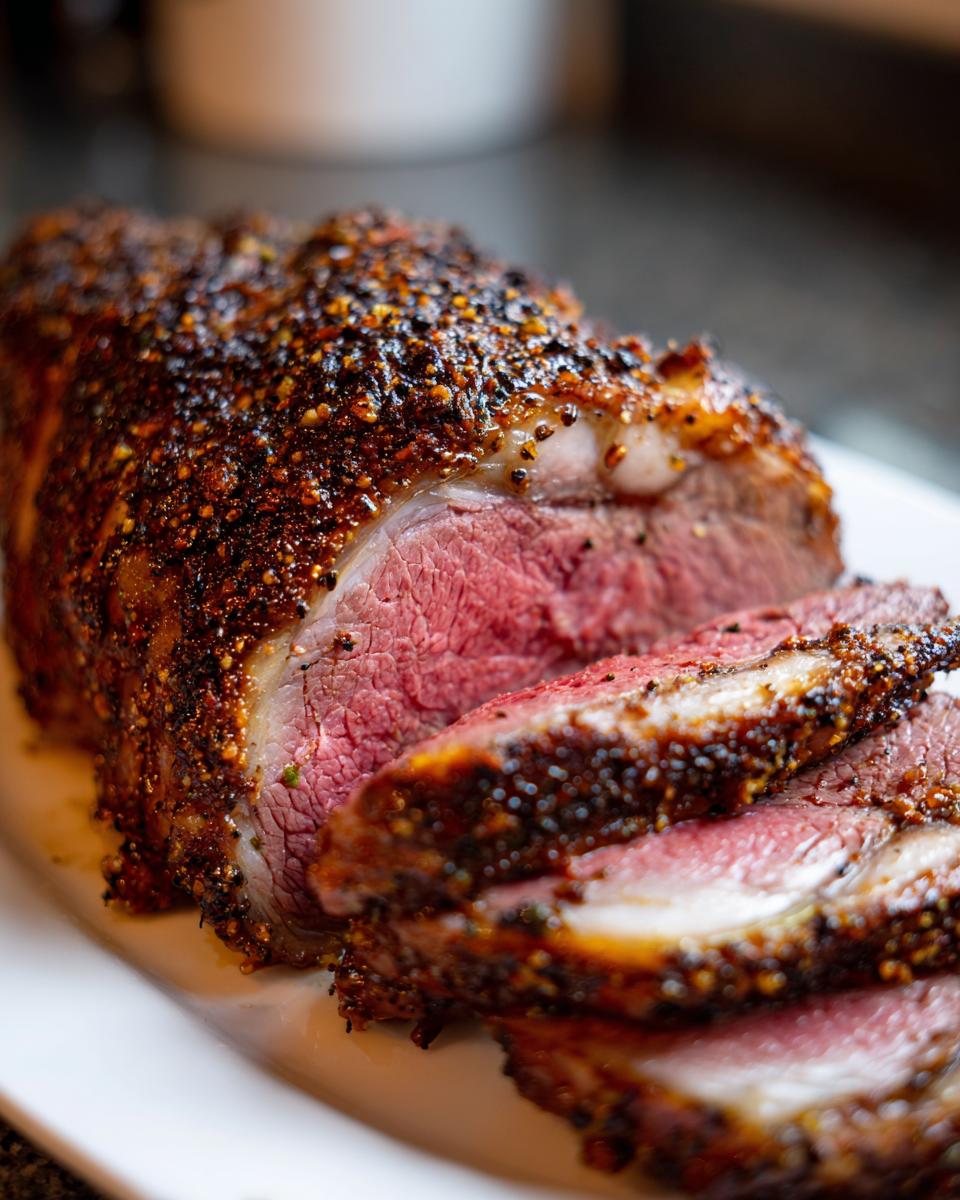
I know some of you are planning out macros or just curious what you’re putting on the table when serving up this glorious holiday roast. Since this is such a decadent cut of meat and uses that rich butter rub, the numbers reflect a generous portion of pure indulgence. Remember, this is based on estimates for a 5 oz cooked serving of the prime rib recipe prepared exactly as written, and this data can definitely shift based on the fat distribution in your specific cut of beef!
Here’s a quick snapshot:
- Serving Size: 5 oz cooked
- Calories: 450
- Protein: 35g
- Fat: 35g (with 16g saturated fat)
- Carbohydrates: 1g
- Sugar: 0g
- Sodium: 450mg
- Cholesterol: 130mg
See that protein count? That’s why this holiday roast beef recipe is so incredibly satisfying! Now, I have to be honest here—this isn’t my lowest-calorie meal on the site, but for a special occasion centerpiece like this, you absolutely deserve it. Just note that these figures don’t account for any au jus, gravy you might dip it in, or any of those amazing side dishes we talked about earlier. This data is strictly for the roast itself!
Share Your Holiday Roast Beef Recipe Success
If you’ve followed along and made this *prime rib recipe* for a special event, please tell me how it went! Seriously, there is nothing that makes me happier than knowing I helped take the stress out of your big meal. Did you try the *garlic butter prime rib* for the first time? Was it the star of your feast?
We gather around the table here because we believe the best memories are made while cooking and eating together. I’d love for you to drop a star rating right below this section—it really helps other folks who might be nervous tackle their first big roast. Even better, leave a comment below and tell me how your holiday roast beef recipe turned out! Did everyone ask for seconds? Did the 500 Rule work its magic?
If you captured a beautiful photo of your perfectly cooked prime rib centerpiece—maybe beside those amazing sides we discussed—I’d be thrilled if you shared it using the hashtag #TasteThisPlate on social media! Seeing your successes makes all the testing and tweaking worthwhile.
While you’re celebrating your amazing cooking success, maybe you need to clean up that sweet tooth? You can transition right from savory centerpiece to sweet delight with my recipe for cranberry sugar cookies. Or, if you’re already dreaming up your next big roast, you can see other great methods like the one I found over at Prime Rib Roast Oven – Juicy, Tender & Perfect Every Time for comparison. Happy celebrating, and thank you for inviting my kitchen into yours!
PrintThe Ultimate Foolproof Garlic Butter Prime Rib Roast (Oven Method)
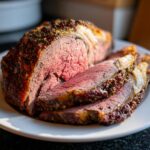
Create a perfectly cooked, tender, and juicy prime rib roast using this simple oven method featuring a flavorful garlic herb butter crust. This recipe guarantees a successful centerpiece for your holiday dinner.
- Prep Time: 20 min
- Cook Time: 15 min per pound
- Total Time: 2 hours 30 min
- Yield: 6-8 servings 1x
- Category: Main Course
- Method: Oven Roasting
- Cuisine: American
- Diet: Low Fat
Ingredients
- 1 (5-7 lb) bone-in prime rib roast (standing rib roast)
- 1/2 cup unsalted butter, softened
- 6 cloves garlic, minced
- 2 tablespoons fresh rosemary, chopped
- 1 tablespoon fresh thyme leaves
- 2 tablespoons coarse sea salt
- 1 tablespoon freshly ground black pepper
- 1 tablespoon olive oil
Instructions
- Remove the prime rib roast from the refrigerator 2 to 3 hours before cooking. This helps the roast cook more evenly.
- Preheat your oven to 500 degrees Fahrenheit.
- In a small bowl, combine the softened butter, minced garlic, rosemary, thyme, coarse sea salt, and black pepper to create the garlic butter rub.
- Pat the entire surface of the roast dry with paper towels. Rub the olive oil lightly over the roast.
- Spread the garlic butter rub evenly over the entire surface of the prime rib roast. Press it firmly onto the meat.
- Place the roast, fat side up, in a roasting pan fitted with a rack. Do not cover the roast.
- Place the roast in the preheated 500°F oven. Cook at this high temperature for exactly 15 minutes per pound of meat. This is the foolproof 500 Rule technique for a great crust.
- After the initial high-heat searing, reduce the oven temperature to 325 degrees Fahrenheit without opening the oven door.
- Continue roasting until the internal temperature reaches your desired doneness. Use a meat thermometer inserted into the thickest part of the roast, avoiding the bone. For medium-rare, aim for 125 to 130 degrees Fahrenheit.
- Once the target temperature is reached, immediately remove the roast from the oven.
- Tent the roast loosely with aluminum foil and let it rest on the counter for at least 20 minutes before carving. The internal temperature will rise about 5 to 10 degrees during this resting period.
- Carve the perfectly cooked prime rib into thick slices and serve immediately.
Notes
- For a bone-in prime rib recipe, the bones act as insulation, helping the meat cook more evenly.
- If you prefer a boneless prime rib recipe, reduce the initial 500°F searing time slightly, but follow the same internal temperature guide for a juicy prime rib cooking method.
- Always use a reliable meat thermometer to achieve medium-rare prime rib cooking.
Nutrition
- Serving Size: 5 oz cooked
- Calories: 450
- Sugar: 0
- Sodium: 450
- Fat: 35
- Saturated Fat: 16
- Unsaturated Fat: 19
- Trans Fat: 0.5
- Carbohydrates: 1
- Fiber: 0
- Protein: 35
- Cholesterol: 130