

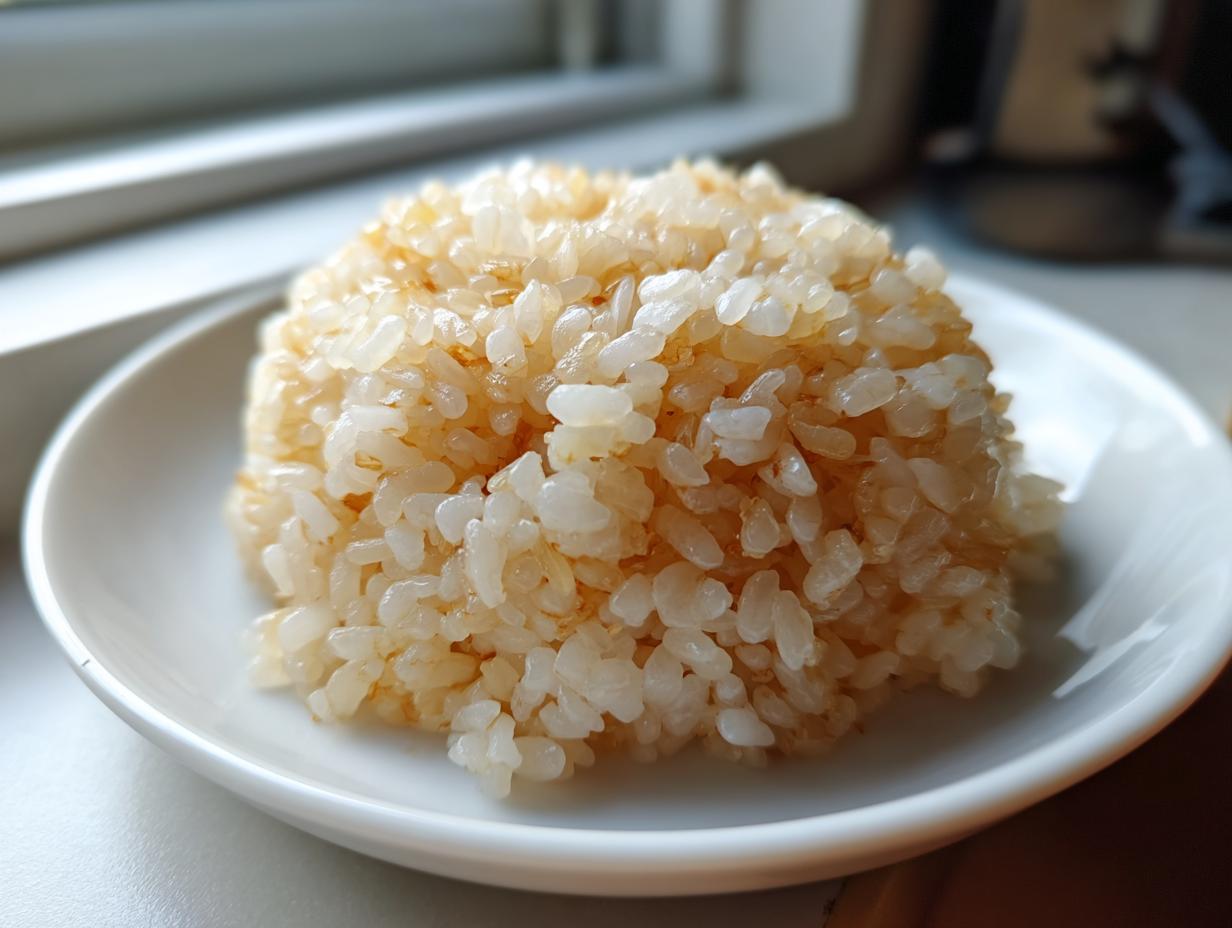
I have to confess something: for years, I avoided making sushi rolls at home because of one thing—the rice. It either came out like sticky glue or crunchy, dry clumps. You know how frustrating it is when everything else in the roll is perfect, but the foundation just collapses? Well, that stops today! I dove deep into the classic techniques, and I’m thrilled to share that I finally unlocked the foolproof method for achieving absolutely perfect sushi rice. Mastering a basic cornerstone like this isn’t just about making better sushi; for me, it’s about building the confidence to tackle any new recipe. When you nail something simple and foundational, you realize that cooking amazing food isn’t scary—it’s just a matter of knowing the right steps!
- Why You Need the Perfect Sushi Rice Recipe
- Essential Ingredients for Perfect Sushi Rice
- The Critical First Step: Rice Washing Technique for Sushi Rice
- How to Prepare Perfect Sushi Rice Using the Stovetop Method
- Tips for Success When Seasoning Sushi Rice
- Alternative Method: Sushi Rice Cooker Tutorial
- How to Use Your Homemade Sushi Rice
- Common Questions About Making Sushi Rice
- Storage & Reheating Instructions for Leftover Sushi Rice
- Share Your Perfect Sushi Rice Results
Why You Need the Perfect Sushi Rice Recipe
It might sound dramatic, but truly, the success of any roll or bowl hinges entirely on your rice. If the texture isn’t spot-on, the whole dish suffers! When you get the texture right, everything else just falls into place. Trust me on this; learning this precision is key to moving from just ‘making’ sushi to actually creating something special. I always tell people, if you can master this, you can master anything!
- It’s the difference between sushi that holds together beautifully and one that turns into a sloppy mess.
- It ensures you get that satisfying mouthfeel we all crave from our favorite Japanese spots.
Achieving Restaurant-Quality Texture
Our main goal here is that magical middle-ground: we want wonderfully sticky rice for sushi, but we absolutely do not want it to be gummy or heavy. This is why selecting the right short-grain rice matters so much! When you follow the washing and gentle folding steps—and don’t skip that initial rinse, seriously—you end up with a truly fluffy rice recipe that shines. For more on that first vital step, check out my thoughts on why rinsing is essential!
Balancing the Flavor with Proper Seasoning Sushi Rice
Once the texture is set, flavor is next! That sweet-and-sour tang you get in restaurants comes from carefully seasoning sushi rice after it cooks. It sounds simple, but the balance—the ratio of salt to sugar to vinegar—is what separates an amateur attempt from something truly authentic. We’ll cover exactly how to mix that perfect batch!
Essential Ingredients for Perfect Sushi Rice
When it comes to making great sushi rice, sourcing the right raw materials is half the battle won! I often see people trying to substitute ingredients, and in this case, that’s just going to lead to tears. We want accessible ingredients, of course—nothing super obscure—but we need the right *type* of ingredient here. Having these few things on hand means you’re ready to make restaurant-quality rice anytime the craving strikes!
Choosing the Best Rice for Sushi
Okay, picture this: you use Uncle Ben’s long-grain or that fluffy basmati you love for Indian food. Nope! That won’t work here. For the perfect sticky texture that holds a roll together, you absolutely must use short-grain Japanese rice, often labeled as Calrose or simply “sushi rice.” The starch structure in these specific grains is what gives us the ideal glue factor. Long-grain rice just doesn’t release the necessary starch to bind correctly, so please stick to the short-grain variety if you want that restaurant-quality experience.
What is Sushi Rice Seasoning?
This mixture is pure magic and what transforms plain cooked rice into delightful seasoned rice. Basically, what is sushi rice seasoning? It’s the trifecta: Japanese rice vinegar, granulated white sugar, and fine sea salt. Heating them gently just melts the solids into the vinegar so it coats the rice evenly later. Trust me when I say you need to measure these ratios exactly; a little too much vinegar and your rice gets sour; too little sugar, and it tastes flat!
The Critical First Step: Rice Washing Technique for Sushi Rice
If you take only one piece of advice away from this entire guide, please let it be this: do not skip rinsing your rice! I know, I know, it seems like extra work, but learning the proper rice washing technique is the single biggest game-changer for getting that lovely, glossy, and distinctly fluffy result instead of a big, gummy block. The whole point is to wash away the surface starch that clings to every grain.
When I first started trying sushi rice at home, I’d just pour water over it quickly and drain. Big mistake! The water would come out milky white every single time. Once I started rinsing until the water ran almost totally clear—which takes a few changes—my texture improved unbelievably. It really changed how successful my home sushi efforts turned out.
You’ll usually need about five to seven changes of water. Just place the rice in a fine-mesh sieve, run cool water over it, swirl it gently with your hand, let it drain, and repeat. When the water looks nearly transparent, you’re golden. This non-negotiable step is what guarantees your rice is sticky, yes, but still fluffy and distinct, not heavy. It’s worth every minute, trust me! For a little more background on why we bother with the rinse, you can peek at my notes here on washing protocols.
How to Prepare Perfect Sushi Rice Using the Stovetop Method
While many folks rely on their rice cooker—and we’ll get to that later—the stovetop gives you the most control over your sushi rice, and it’s how I perfected my technique. For this part, you need a heavy-bottomed pot with a lid that seals really well. If steam escapes, you throw off the delicate balance inside! Remember when we talked about not messing with the cooking process? This applies doubly here. For the best insights on using different grains, check out this resource on making rice from scratch that helped me fine-tune my timings.
Cooking Short Grain Rice: Simmer and Rest
After you’ve washed and combined your rice and water, bring it up to a rolling boil over medium-high heat—just until you see those first big bubbles breaking the surface. Then, you have to drop the heat immediately to the absolute lowest simmer setting. Cover it tight and let it cook, untouched, for exactly 15 minutes while we are cooking short grain rice. The crucial part comes next: turn the heat *off*, but leave the lid completely sealed for another 10 minutes. Do not peek! Peeking releases the steam, and that trapped steam is what makes the rice fluffy.
Preparing the Japanese Rice Vinegar Recipe Seasoning
While the rice is resting, we whip up the coating that makes this special! This step is all about the flavor components that make up your Japanese rice vinegar recipe seasoning. Combine your rice vinegar, sugar, and salt in a tiny saucepan. You only need low heat here—just enough to warm it through until the sugar and salt fully disappear into the vinegar. The absolute rule? Do not let it boil! Boiling cooks the vinegar and ruins that bright, essential tang we need for authentic flavor. Pull it off the heat, and let it cool just a touch while you’re waiting on that resting rice.
Tips for Success When Seasoning Sushi Rice
This is where most people go wrong when making sushi rice at home, and it’s honestly where I learned the most about being a patient cook! Once your rice is cooked and your warm vinegar mixture is ready, you need to combine them with extreme care. Remember, we spent all that time making sure the texture was perfect during cooking; we aren’t going to rush here and mash it all into mush now!
You must gently pour that seasoning mix over the warm rice, but mixing is where the artistry comes in. You can’t stir it like you would stir mashed potatoes or soup. Stirring breaks those beautiful, distinct starch capsules we worked so hard to maintain.
The Folding Technique for Fluffy Sushi Rice
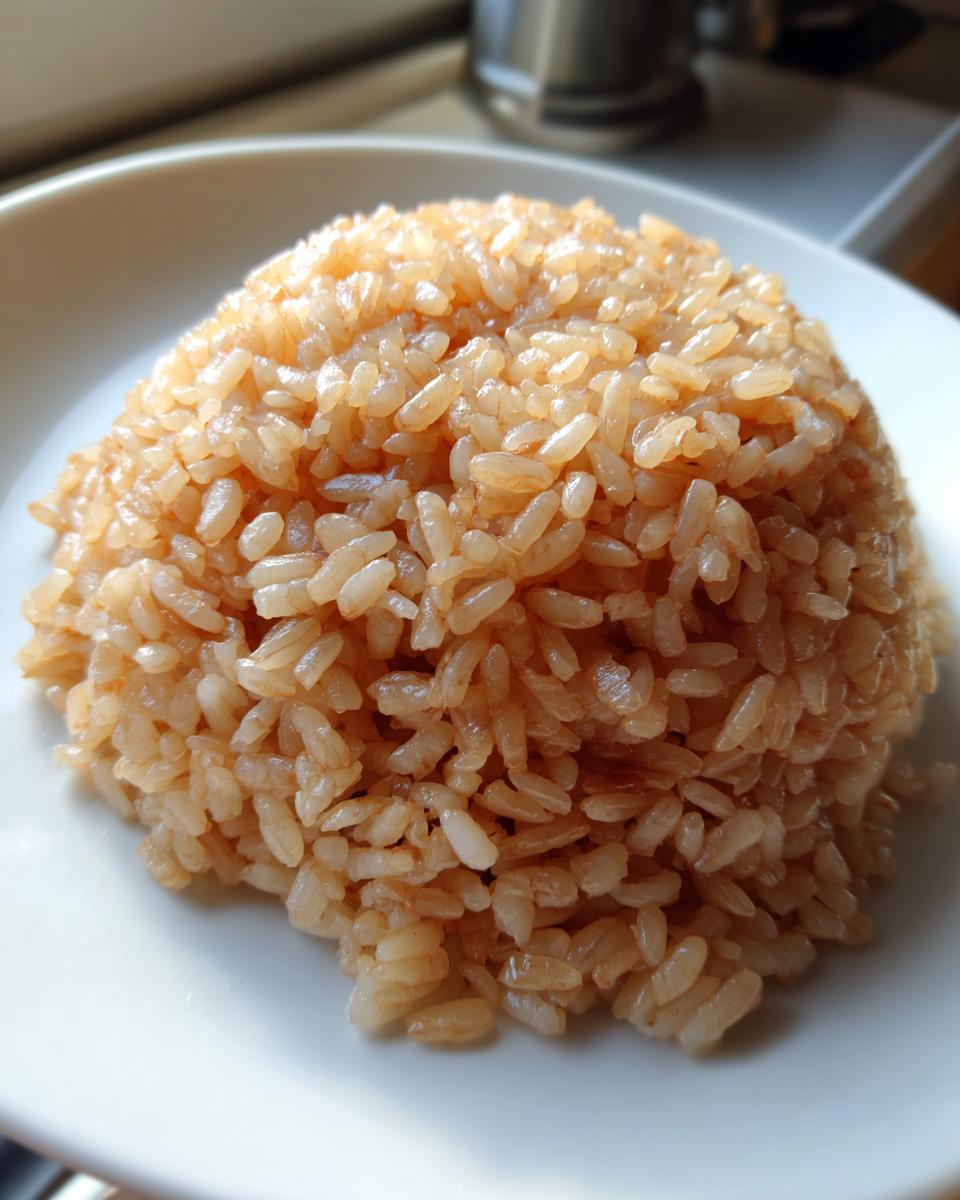
Instead of stirring, we use a dedicated slicing and folding method. Think about using a wide spatula or a rice paddle to gently ‘cut’ down through the center of the rice, scoop up from the bottom, and fold it over the top. You repeat this motion all over the bowl. The real secret, though, is incorporating air as you go! If you have a hand fan or even a stiff piece of cardboard, fan the rice vigorously while you fold. This slices the vinegar in, cools the rice down fast, and prevents condensation from making it gummy. I found this technique, detailed perfectly here, totally revolutionized my results. Keep folding and fanning until the rice is cool to the touch and looks glossy—that’s how you know you’ve locked in that perfect fluffy texture!
Alternative Method: Sushi Rice Cooker Tutorial
If you’re anything like me, sometimes you just need the speed and simplicity of an appliance! Now, I prefer the stovetop because of the control, but when I’m running behind, my rice cooker is a lifesaver for making sushi rice. The key thing here, and I can’t stress this enough, is that the rice still needs its proper wash first—the machine can’t fix gummy rice! Once you’ve washed and added the correct amount of water (usually a 1:1 ratio for this type of rice), you just set it to the standard white rice cycle.
Once that cycle finishes, though, resist the urge to open the lid! You still need that 10-minute rest period inside the cooker. After resting, transfer the rice right away to your big bowl to receive the warm vinegar seasoning and folding process, just like the stovetop method. If you happen to use a specific machine like an Instant Pot, you can often find tailored guides, like this one I found for Instant Pot methods, which is handy!
How to Use Your Homemade Sushi Rice
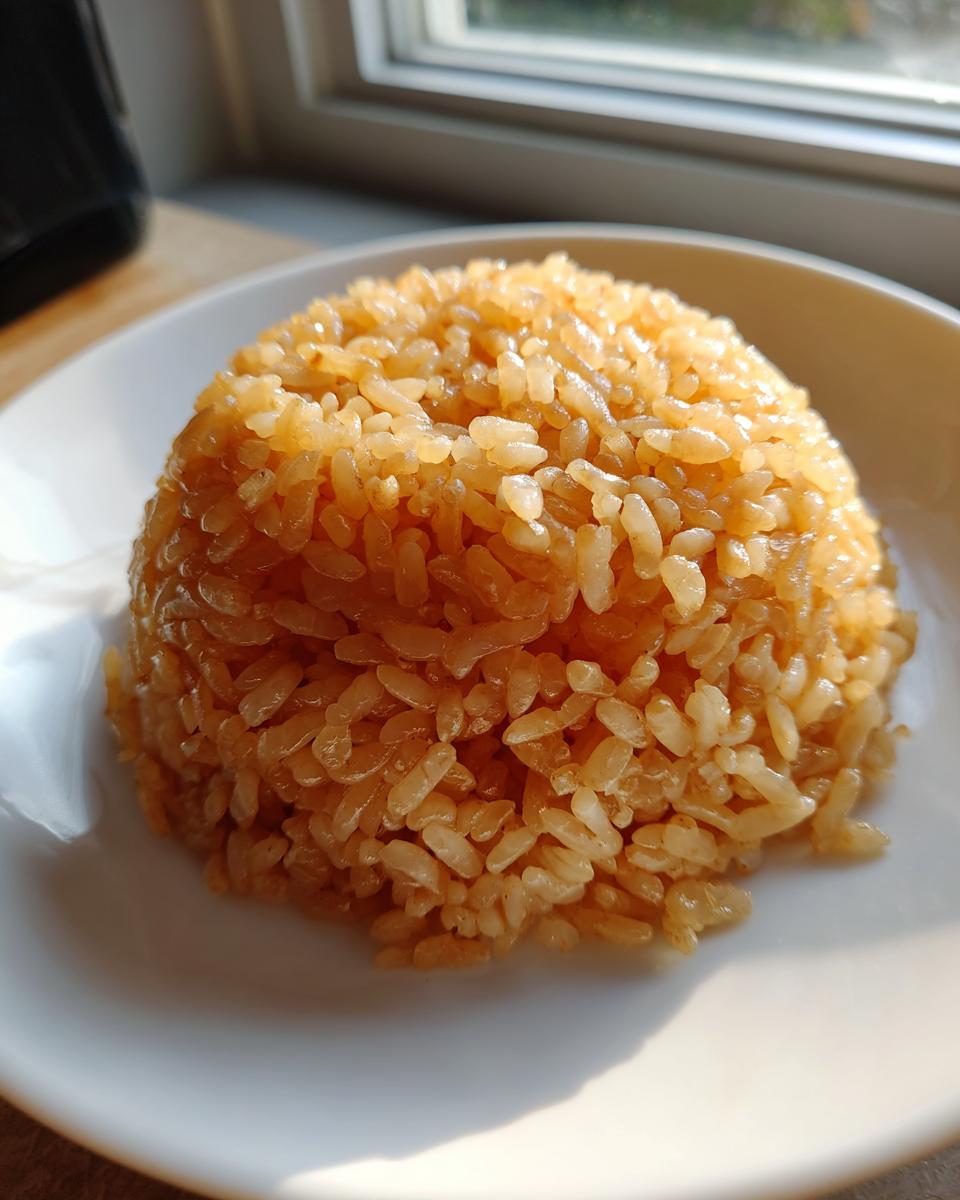
Now that you’ve mastered making truly incredible sushi rice—fluffy, perfectly seasoned, and not gummy—the fun part begins! You’ve got this versatile base, and you can use it for so many amazing meals. My favorite thing is how easily this recipe transitions from a fancy project to a quick weeknight dinner. The temperature at which you serve it actually makes a huge difference depending on what you are assembling!
For classic construction, whether you are attempting homemade maki rolls or practicing your technique for your first sushi party, you should always let the rice cool down completely to room temperature first. This allows it to set up properly so it doesn’t steam the seaweed wrap or fall apart when you cut it. If you’re making rice for poke bowls, though, I love serving it slightly warm—it just feels cozier! You can even use this as the base for my amazing tuna poke bowl.
Preparation for Nigiri Rice Preparation
If you’re aiming for something as elegant as nigiri, remember that the gentle handling we talked about while mixing is even more critical here. You need to form the rice into those small, slightly oval pillows before adding your topping. Don’t squeeze it hard! You want just enough pressure so it holds its shape without getting dense. A light touch is key for that wonderful melt-in-your-mouth experience.
Common Questions About Making Sushi Rice
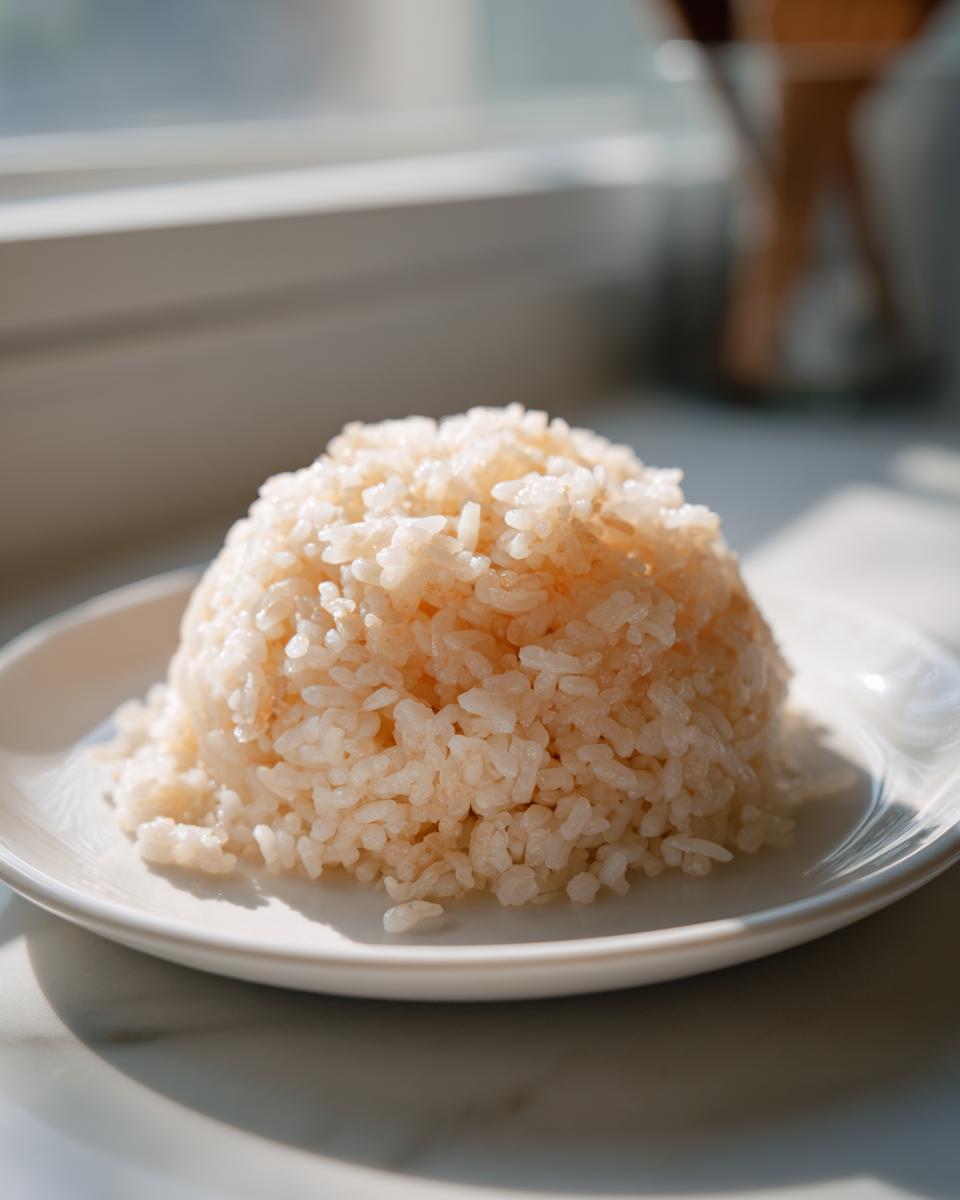
When I share new techniques in the kitchen, I always get a flood of questions, and that’s wonderful! It means you’re thinking critically about the process, and that’s exactly how you become a better, more intuitive cook. Getting that sushirice just right seems intimidating at first, but once you understand these few key areas, you’ll be fine. I put together the most popular questions I always hear to set you up for success. For more insight into my cooking philosophy and why I test everything so thoroughly, feel free to read a bit about my background!
Can I use long-grain white rice instead of short-grain rice for sushi rice?
Oh, honey, please don’t try this! I know sometimes the short-grain Japanese rice seems harder to find, but the switch from short-grain to long-grain rice for making sushi rice is an absolute texture disaster waiting to happen. Long-grain rice, like Jasmine or Basmati, doesn’t have the right starch profile. It cooks up fluffy but separate—perfect for a curry, terrible for rolls. We need that soft, sticky starch to bind the grains together so they hold their shape when you wrap your maki. Stick to labeled short-grain or sushi rice, and you won’t regret it!
How long does homemade sushi rice last?
This is a tricky one because, ideally, you should make just what you plan to use right away, since this rice is best served at room temperature. If you have leftovers, though, you need to get them into an airtight container immediately. Keeping it on the counter for more than a few hours isn’t safe, and the fridge is tough on rice because it dries out quickly and gets hard. If you must refrigerate, try sprinkling a tiny bit of water over the top before sealing the container. It’s best eaten within 24 hours, max.
What if my sushi rice is too mushy?
If you lift the lid and everything looks like porridge, don’t panic! It’s usually one of two things, and both are preventable next time. Most often, it means you either didn’t rinse the rice enough at the beginning (leaving too much starch coating the grains) or you stirred the rice too vigorously when you were folding in the seasoning. Remember that slicing and folding technique we talked about? That’s designed specifically to prevent mashing the grains. Less stirring next time, and always rinse until that water goes clear!
Storage & Reheating Instructions for Leftover Sushi Rice
I know sometimes life gets in the way, and you end up with extra sushi rice. It happens! But you can’t just treat this like regular leftover rice; it has special needs because of that beautiful vinegar seasoning and sticky texture. If you leave it sitting out, it can dry out fast, and we certainly don’t want rock-hard rice when we plan to use it tomorrow.
Here’s my advice for keeping that hard-won texture intact. First, let the rice cool completely to room temperature before putting it away. Putting warm rice into the fridge creates instant condensation, which leads to that gummy, almost sour texture. Once it’s cooled, transfer it to an airtight plastic or glass container. I prefer glass myself!
Now for storage: For the very best results, try to use it within 24 hours, and keep it at cool room temperature—maybe in a pantry or cool cupboard—if you plan to use it for rolls the very next day. If you absolutely must refrigerate it, know that it will firm up considerably. Don’t even think about trying to use it cold for sushi rolls; it’ll crack apart when you try to shape it!
When it’s time to reheat, the microwave can be too aggressive; I find it warms unevenly and can sometimes ruin the texture entirely. Instead, transfer the amount you need to a shallow steamer basket lined with parchment paper. Steam it gently for just 5 to 8 minutes. This reintroduces moisture without boiling the grains. It works wonders to bring that sticky, glossy texture right back for your next batch of rolls or a quick bowl!
Share Your Perfect Sushi Rice Results
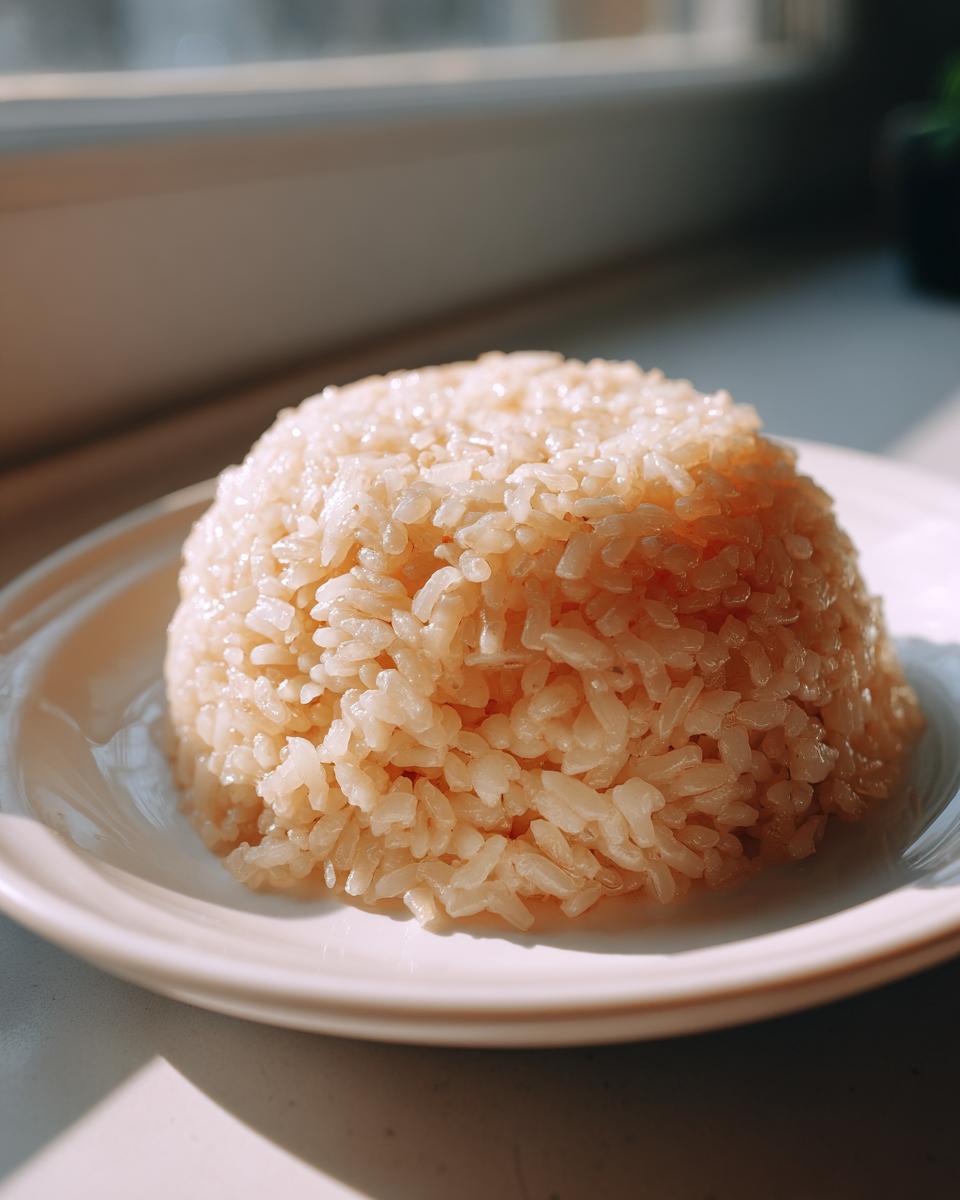
Wow, you made it through! You have officially mastered the essential art of making perfect sushi rice—that sturdy, seasoned foundation that makes all the difference. Honestly, seeing my readers conquer these basic techniques is my favorite part of running this blog. I put so much care into testing these ratios and steps, and knowing it worked for you in your kitchen makes all the difference!
So, what happened when you tried the slice-and-fold method? Did your rice come out glossy and distinct, staying at that perfect room temperature? I would absolutely love for you to take a moment and let me know how everything turned out. Drop a comment below, rate this recipe so others can see how well these basic steps work, and if you took a picture of your beautiful rice—maybe plated up for some homemade maki rolls—please share it with me! You can always reach out directly through my contact page if you have a question or just want to shout about your success.
Remember, cooking is all about sharing joy around the table, and you just learned a skill that opens up a whole world of delicious home cooking. Happy sushi making, everyone!
PrintFoolproof Method: How to Make Perfect Sushi Rice (Stovetop & Rice Cooker Variations)
Learn the simple steps to create restaurant-quality sushi rice at home. This recipe delivers the perfect sticky and fluffy texture, seasoned correctly for homemade maki rolls or poke bowls.
- Prep Time: 15 min
- Cook Time: 25 min
- Total Time: 50 min
- Yield: 4 servings 1x
- Category: Side Dish
- Method: Stovetop/Rice Cooker
- Cuisine: Japanese
- Diet: Vegetarian
Ingredients
- 2 cups short-grain Japanese rice (or rice labeled for sushi)
- 2 cups cold water (for cooking)
- 1/2 cup Japanese rice vinegar
- 3 tablespoons granulated white sugar
- 1 teaspoon fine sea salt
Instructions
- Measure the rice into a fine-mesh sieve or bowl. Rinse the rice under cold running water, swirling gently with your hand until the water runs mostly clear. This removes excess starch. Drain the rice completely.
- Combine the rinsed rice and 2 cups of cold water in a heavy-bottomed saucepan with a tight-fitting lid (or in your rice cooker pot).
- If using the stovetop: Bring the water and rice to a boil over medium-high heat. Once boiling, immediately reduce the heat to the lowest setting, cover the pot, and simmer for 15 minutes without lifting the lid.
- If using a rice cooker: Follow your appliance’s standard instructions for cooking short-grain white rice.
- After 15 minutes (stovetop), remove the pot from the heat. Let it stand, covered, for another 10 minutes. Do not lift the lid during this resting period.
- While the rice rests, prepare the seasoning. In a small saucepan, combine the rice vinegar, sugar, and salt. Heat gently over low heat, stirring until the sugar and salt fully dissolve. Do not boil the mixture. Remove from heat and let it cool slightly. This is your sushi rice seasoning.
- Transfer the cooked rice to a large, non-metallic bowl (wood or glass is best). The rice should be warm, not piping hot.
- Pour the prepared vinegar mixture evenly over the warm rice.
- Using a rice paddle or wooden spoon, gently ‘slice’ and fold the rice to incorporate the seasoning. Do not stir or mash the grains; this breaks them down and makes the rice mushy. The goal is to coat every grain while incorporating air to cool it quickly.
- Continue folding and fanning the rice (using a hand fan or piece of cardboard helps cool it faster) until it reaches room temperature. The rice should look glossy, slightly sticky, and individual grains should remain distinct.
- Use immediately for sushi rolls, nigiri preparation, or serve as a side dish for poke bowls.
Notes
- Always use short-grain Japanese rice; long-grain rice will not achieve the correct sticky texture for sushi.
- The rice washing technique is crucial; clear water means less starch, resulting in fluffier, less gummy rice.
- If you are making rice for nigiri, handle the seasoned rice gently to maintain its structure.
- For a rice cooker tutorial, follow the standard white rice setting after washing and adding water.
Nutrition
- Serving Size: 1 cup cooked
- Calories: 250
- Sugar: 8
- Sodium: 280
- Fat: 0.5
- Saturated Fat: 0.1
- Unsaturated Fat: 0.4
- Trans Fat: 0
- Carbohydrates: 55
- Fiber: 1
- Protein: 5
- Cholesterol: 0