

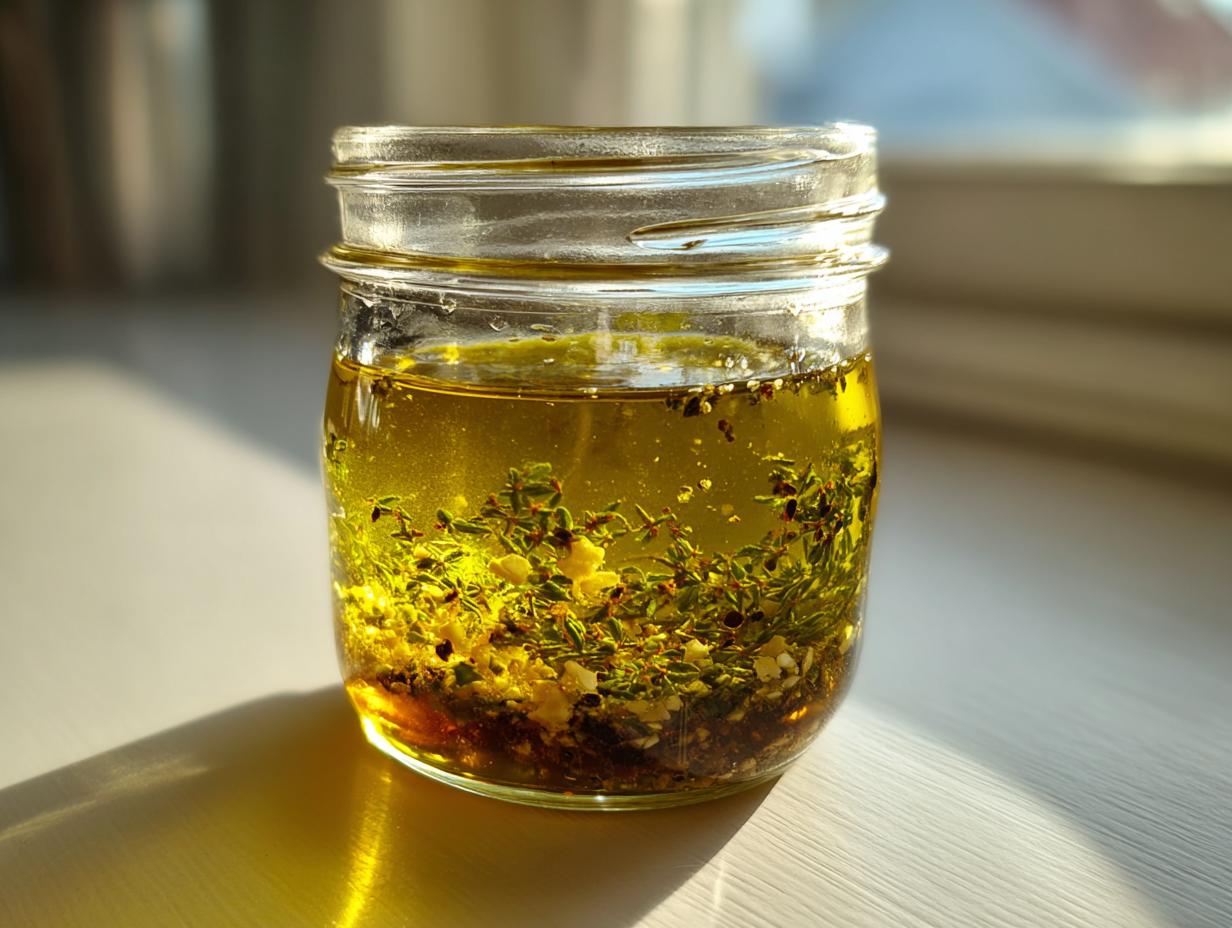
Are you tired of that sad, limp salad sitting on your plate, drowning in some lackluster, neon-colored bottle dressing? I know I was! My grandmother, Kate Reilly, always taught me that serving bad food is simply showing a lack of love, and that applies even to the greens. That’s why I’m sharing my ultimate guide to homemade salad dressing. Forget weird fillers and sugars; these recipes are simple, trustworthy, and designed to give you that vibrant, restaurant-style flavor you’ve been missing. We’re cutting out the worry and bringing joy back to your everyday meals, one perfectly whisked vinaigrette at a time! If you’re looking for a spectacular place to use any of these fresh recipes first, check out our go-to Caesar recipe!
- Why Homemade Salad Dressing Beats Store-Bought Alternatives
- The Essential Base for Any Great Salad Dressing Recipe
- Step-by-Step: How to Prepare This Easy Salad Dressing
- Flavor Variations: Beyond the Basic Vinaigrette Salad Dressing
- Tips for Success with Homemade Salad Dressing
- Serving Suggestions for Your New Salad Dressing
- Storing Your Homemade Salad Dressing
- Frequently Asked Questions About Salad Dressing
- Take the Next Step with Your Salad Dressing Creations
Why Homemade Salad Dressing Beats Store-Bought Alternatives
If you think about it, store-bought dressing is basically just oil, acid, salt, and a whole shelf full of ingredients you can’t even pronounce. Seriously, why buy something full of stabilizers when you can make something worlds better in five minutes flat?
The difference in flavor when you switch to a healthy salad dressing made fresh is astonishing. I remember the moment I figured this out. I was trying to dress a simple garden salad, and the bottled stuff just tasted… flat. When I whipped up a quick lemon vinaigrette myself, the salad suddenly tasted vibrant, like something you’d actually pay extra for at a nice spot! That’s the power of using real ingredients.
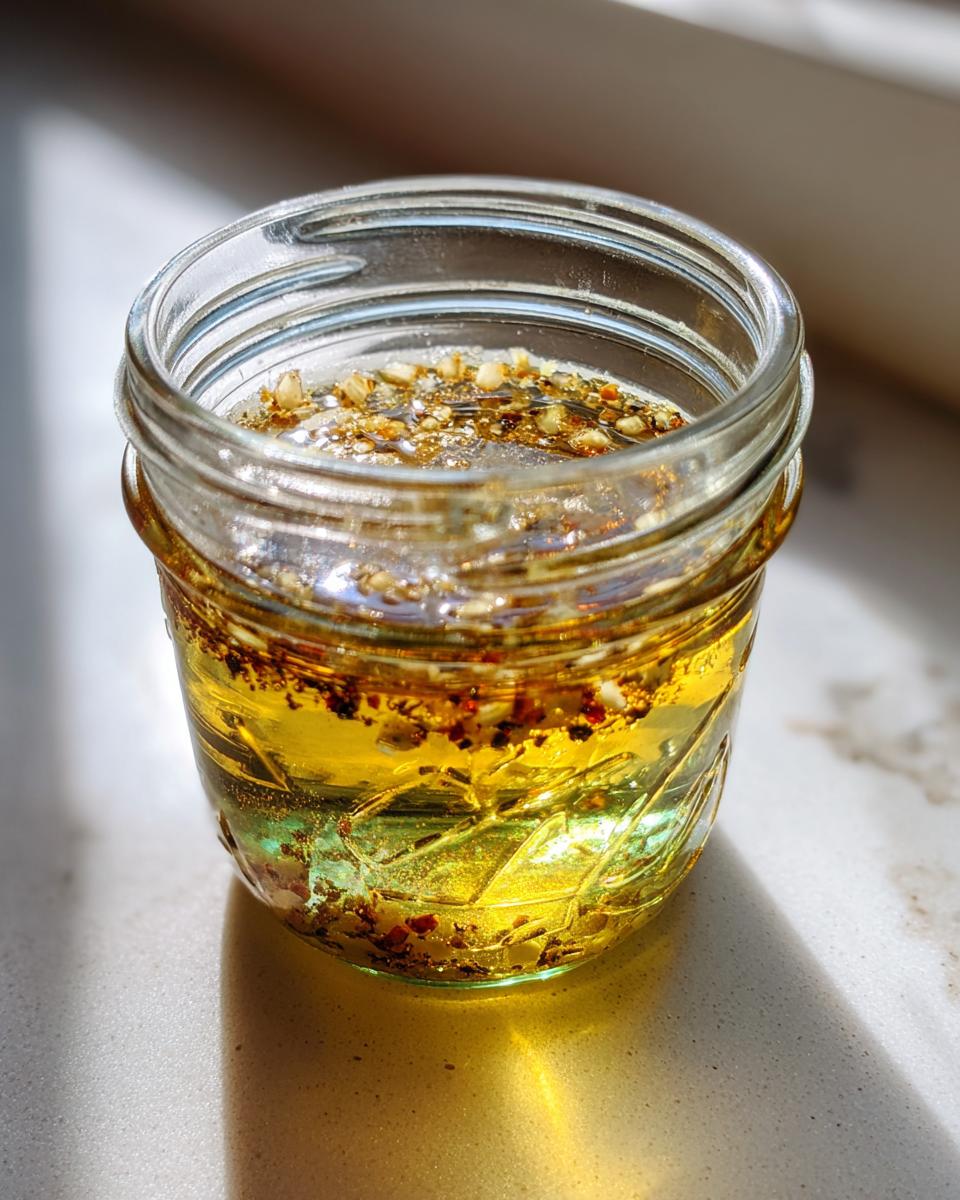
We’re giving you the control back. You decide on the type of oil, how much salt goes in, and trust me, you can make these recipes completely gluten free dressing friendly, too. If you’re looking for inspiration on boosting your greens overall, you should check out my recipe for this amazing Avocado Chicken Salad; it needs a good homemade dressing!
The Speed of Making Your Own Salad Dressing
You might think making homemade salad dressing recipes sounds like extra work, but I promise it’s not. Most of these recipes—and the base we start with—are pure magic because they are a true quick salad dressing. We’re talking less time than it takes to find a clean fork in your drawer after dinner!
Seriously, if you don’t like the artificial taste of bottled options, these store bought dressing alternatives are your answer. You can have a fantastic, zesty dressing ready before your lettuce even finishes spinning dry. For more ideas on making clean eating simple, take a peek at what my friends over at The Clean Eating Couple are sharing!
The Essential Base for Any Great Salad Dressing Recipe
Okay, every amazing dressing—whether it ends up creamy or zesty—starts with a solid foundation. For me, that foundation is a classic vinaigrette. Once you nail this base, you can whip up almost any flavor profile you want in minutes. This is where we stop relying on those grocery store bottles and start making easy salad dressing like a pro!
The most important rule here, and I learned this from all my testing, is quality. Because this recipe is so simple, the ingredients really shine through. Investing in a beautiful, high-quality extra virgin olive oil is non-negotiable. I’m talking about oil you actually *want* to taste, not the cheap stuff you use for everything else. Trust me, that good olive oil is the secret to making this taste like a truly gourmet salad dressing.
We’re keeping this incredibly simple, so you have a fantastic go-to recipe ready to go anytime. If you’re looking for another great quick sauce concept, check out my peanut sauce after you master this dressing!
Gathering Ingredients for Your Base Salad Dressing
Here’s what you’ll need to get started. See? Total pantry staples! Don’t forget to grab a jar with a tight lid or a sturdy little bowl for mixing.
- You need a half cup of that great extra virgin olive oil we just talked about.
- We’re using a quarter cup of vinegar—I love red wine vinegar, but apple cider vinegar works beautifully too!
- One tablespoon of Dijon mustard—this is key for helping everything blend nicely.
- If you want just a hint of sweetness, throw in one teaspoon of honey or maple syrup. It’s optional, but it balances the sharp edge of the vinegar so well.
- One clove of garlic, and you have to mince it finely!
- A half teaspoon of salt and a quarter teaspoon of fresh black pepper finish the basics.
If you want to see a similar simple technique applied to a marinade, check out this great guide on a simple vinaigrette recipe, which is essentially what we are making here!
Step-by-Step: How to Prepare This Easy Salad Dressing
Getting this base dressing together is honestly faster than ordering delivery. You don’t need any fancy equipment here, just the will to mix things vigorously for a minute or two! We are aiming for a perfectly combined, beautiful emulsion every single time, which is what separates an okay dressing from a knockout one.
- First things first, gather every single ingredient we listed above for your base vinaigrette, right onto the counter. Organization is half the battle, I promise!
- Now you decide: Jar or bowl? If you’re using a jar with a tight-fitting lid, toss everything right in—oil, vinegar, Dijon, garlic, salt, and pepper. If you’re using a bowl, combine them there.
- If you chose the jar, slap that lid on super tight and shake it like you mean it! If you’re using a bowl, grab a whisk and start beating it fast and purposely until it looks completely blended.
- Stop and taste it! This is my favorite part. This is where you adjust your seasonings. Does it need a tiny pinch more salt? A touch more pepper? Don’t be shy—this is *your* dressing.
- Transfer the finished product to an airtight container. It’s ready to use right now, but if you want it to chill out and let the flavors really marry, that’s fine too.
- Believe it or not, that’s it! You just made an amazing base that takes about 5 minutes total. You can repeat this method for the other variations, just swapping out the vinegar or adding herbs as we discuss later.
Mastering the Emulsion for Perfect Salad Dressing Texture
The entire goal here is emulsification—that creamy, unified look where the oil and vinegar stop fighting each other and decide to become one harmonious liquid. You have two ways to achieve this gorgeous outcome, and both are super fast. We are clocking this in at only about 5 minutes total from start to finish!
Whisking works beautifully, but you must use elbow grease! You need to introduce air while slowly incorporating the oil—though for this simple recipe, dumping it all in and shaking works shockingly well if you’re impatient like me sometimes. If you prefer a foolproof, creamy texture every time, you might want to explore making something like homemade mayonnaise sometime, as that teaches you even deeper emulsion secrets!
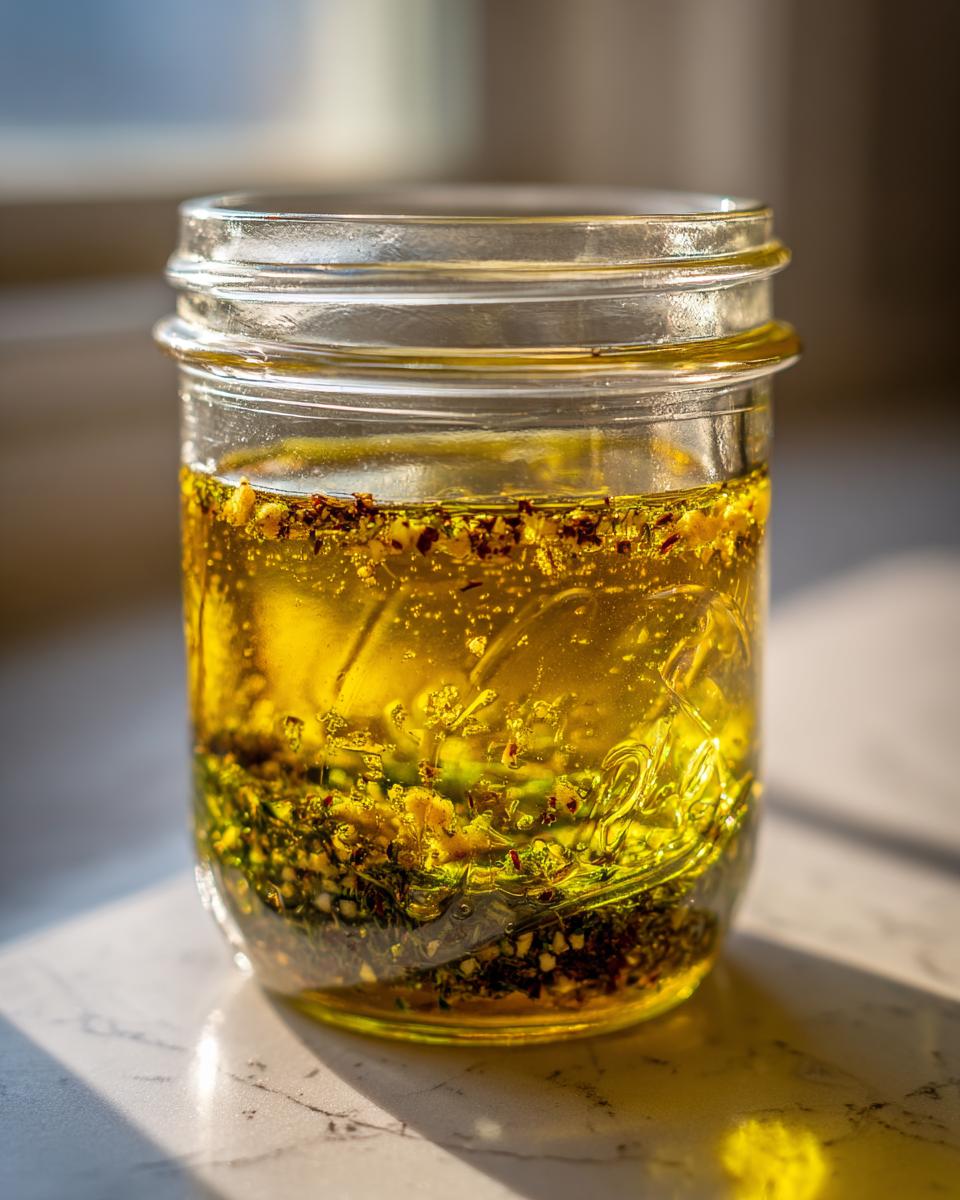
If you store this in the fridge, just remember one thing: the olive oil will get firm and cloudy. Don’t panic! Let it sit on the counter for about 10 minutes before you plan to pour it, and it will loosen right back up into that perfect, pourable texture.
Flavor Variations: Beyond the Basic Vinaigrette Salad Dressing
Now that you have the base mastered, the real fun begins! This is where we turn that simple five-minute mixture into 14 other show-stopping recipes. Think about ditching that bottle of ranch you bought last month; you can whip up something 10 times better right here. This collection really covers all the bases—bright vinegars, richer, savory textures, and those mildly sweet profiles everyone loves.
Don’t feel restricted to just greens, either! These fresh homemade salad dressing recipes are incredible poured over roasted potatoes or used as a quick marinade before you toss things on the grill. You can find loads of inspiration over at Slimming Violet if you need extra ideas for healthy combinations!
Creating a Creamy Salad Dressing Substitute
Sometimes you just crave something rich and thick, right? Our simple vinaigrette base is naturally thin, but it takes just two tablespoons of something added to turn it into that rich, creamy salad dressing you get at your favorite lunch spot. It’s shockingly easy, and it keeps the flavor profile intact.
My hack is to stir in either two tablespoons of full-fat plain Greek yogurt or a good quality mayonnaise. If you’re aiming for a vegan option, you can use soaked cashews blended in super smooth or even a dollop of regular vegan mayo. Whisk it in slowly, taste, and watch how instantly decadent your dressing becomes!
Zesty Lemon Vinaigrette Recipe Ideas
If you want the brightest flavor possible, you have to lean into citrus! A classic lemon vinaigrette is unbeatable, especially as the weather warms up. To shift our base recipe, simply swap out all the vinegar for an equal amount of fresh lemon juice. Because lemon juice is more acidic, you might need to up that optional teaspoon of honey or maple syrup just a tiny bit to balance it out.
This bright flavor profile is fantastic for summer salads. If you want an extra kick, try adding a little finely grated lemon zest right along with the juice. It adds amazing aroma and color! If you love lemon flavors, you absolutely have to try my simple Lemon Vinaigrette Recipe for the ultimate citrus punch.
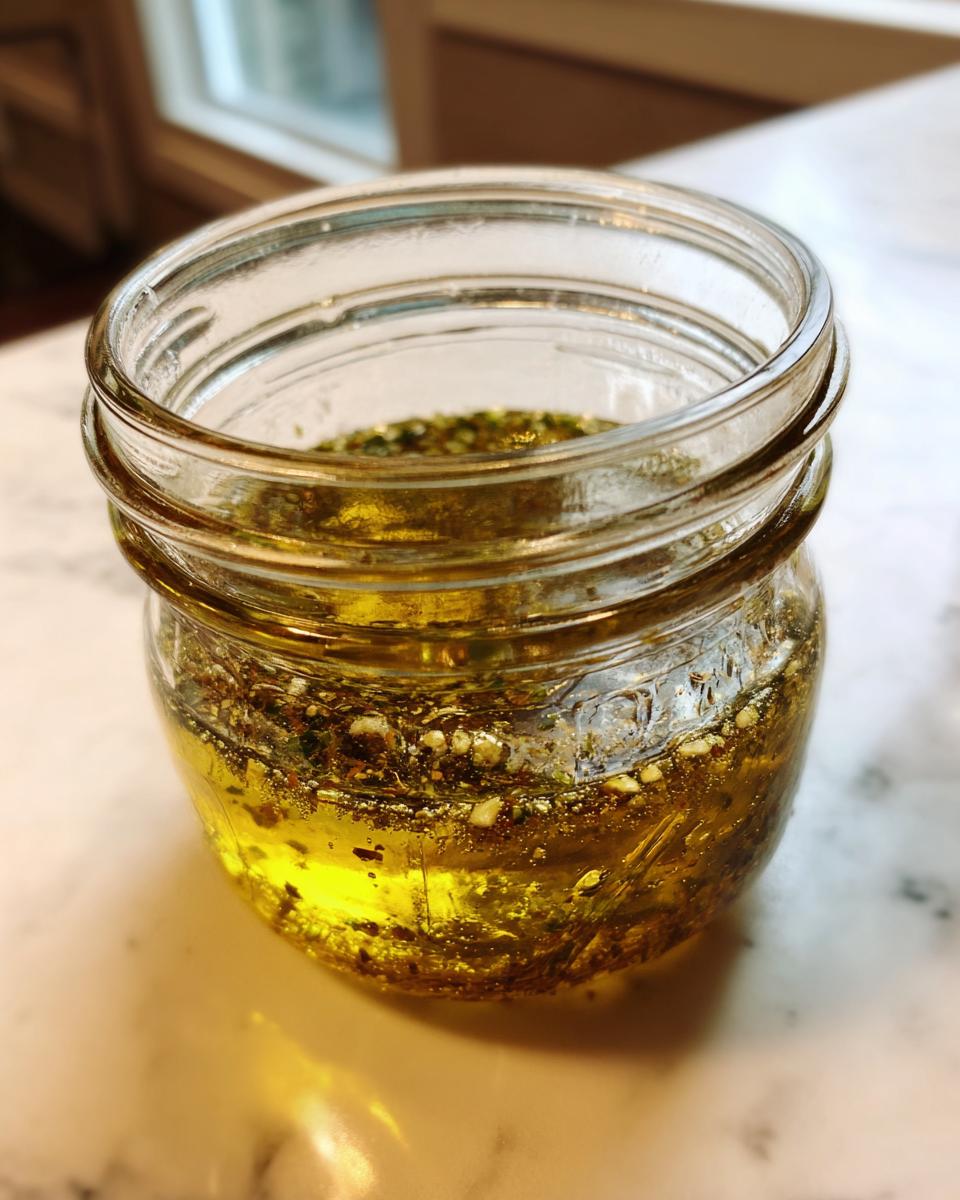
Making a Maple Mustard Dressing
The balance between sweet and sharp is what makes this particular dressing so addictive. This is the flavor profile that always reminds me of those tasty grain bowls everyone loves. To make a killer maple mustard dressing from our base, keep your Dijon mustard high quality, and use maple syrup instead of honey.
You might want to hold back slightly on the vinegar for this one, or perhaps swap your red wine vinegar for apple cider vinegar to complement the maple better. A little grind of black pepper, and you’ve got a perfect dipping sauce. It’s amazing how well that slightly savory maple note plays with simple greens.
Tips for Success with Homemade Salad Dressing
I want you to feel totally confident making any of these recipes. Remember, I developed these not just from following instructions, but by experimenting far too many times until I got that perfect, reliable result every single time. That’s the promise I make here at Taste This Plate—you get my trial and error so you can skip straight to the success!
The biggest secret for any vinaigrette recipe is balance. You’re always chasing that perfect blend of fat (the oil), acid (the vinegar or citrus), and seasoning (salt/pepper/sweetness). If it tastes ‘off’ after you shake it, don’t quit! Just smell it. If the smell is sharp, you probably need a tiny bit more oil or a touch more sweetener. If it smells flat, add a pinch of salt. It’s chemistry, but you don’t need a lab coat!
Also, think about your oil quality again. If you use a cheap, chemically tasting oil, you’re going to end up with a cheap tasting dressing. It’s worth the investment in a good olive oil because it carries all the flavor. If you’re interested in deep dives on oil emulsion, my recipe for homemade garlic aioli covers that technique in depth!
Dietary Adjustments for Healthy Salad Dressing
We designed this base to be incredibly flexible for all sorts of dietary needs, and honestly, it’s much easier than remembering whether a store brand has hidden wheat or dairy. Since the base recipe is naturally vegetarian and gluten-free, we’re already in a great place!
Here’s the simple trick for keeping things strict: When you decide to add that optional touch of sweetness, always stick to maple syrup if you need a truly vegan option. Honey, while natural, isn’t vegan. So, if you’re whipping up a dressing without added sugar that’s also vegan-friendly, just skip the sweetener entirely, or use a single drop of your preferred liquid stevia if you need that lift.
For those avoiding gluten, you’re safe here! None of the core ingredients—oil, vinegar, mustard, garlic—naturally contain gluten, so you won’t have to worry about finding specialty items, which makes this such a great healthy salad dressing choice for everyone at the table.
Serving Suggestions for Your New Salad Dressing
Okay, so you’ve got a jar of magnificent, fresh dressing sitting in the fridge. Are you just going to pour it over iceberg lettuce? No way! That would be like putting racing tires on a shopping cart. These homemade recipes are so flavorful and robust that they deserve a starring role, not just a side bit!
The best part about mastering these is that they stop being just an ingredient for a salad and start being a flavor booster for your whole meal. Think of that vinaigrette we made—it’s practically begging to be used as a marinade for chicken thighs or tossed with some roasted root vegetables before they hit the oven. It adds dimension without any of that bottled junk.
I often use the Maple Mustard version as a drizzle over baked sweet potatoes or even as a dipping sauce for my crunchy Avocado Shrimp Bowls. Don’t stop at salads; be brave and spread your homemade goodness around!
Dressing for Kale Salad
If you’ve ever tried to dress a tough green like raw kale or Brussels sprouts, you know it can be a real struggle. A watery, thin dressing just sits on top and slides off. You need something with a bit more backbone—something that can stand up to those hearty leaves and actually soften them up a little.
For kale, I always recommend bumping up the flavor profile slightly. Start by adding a tablespoon of finely grated Parmesan cheese to your base vinaigrette, or maybe a teaspoon of onion powder if you want to keep it dairy-free. That little extra bit of savory depth helps penetrate the fibrous leaves. Another good trick is to massage the dressing into the kale with your hands for about 30 seconds before serving. It sounds wild, but it breaks down the stiffness and makes the whole salad taste way better!
Storing Your Homemade Salad Dressing
Don’t you just hate wasting good flavor? When you put this much love into making your salad dressing from scratch, you want it to last! The good news is that since we aren’t messing around with weird preservatives, these dressings actually taste *better* the next day after the flavors have had a chance to mingle overnight.
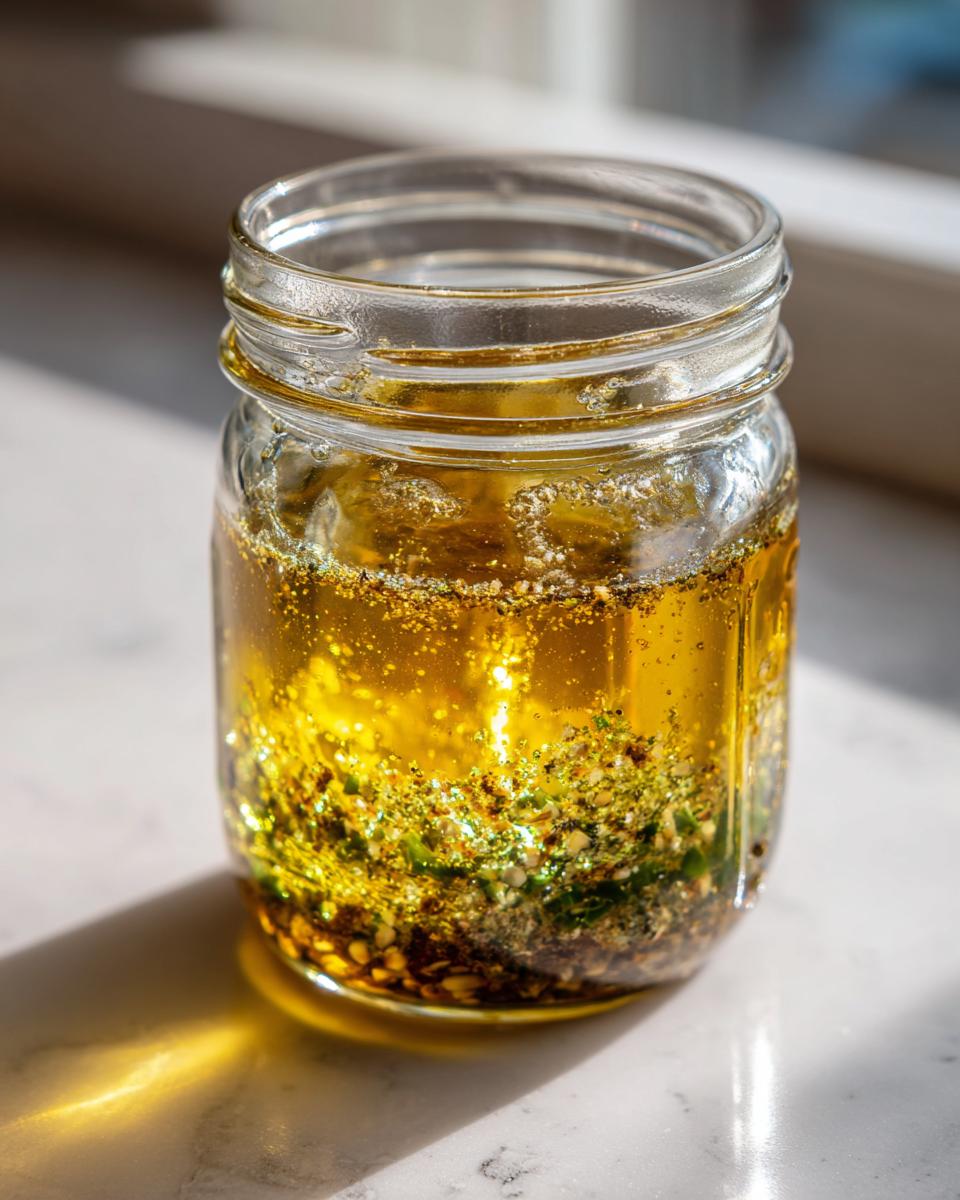
The absolute number one rule for storage is using an airtight container. I use mason jars almost exclusively. They seal tightly, and you can see exactly how much you have left! When you’re ready to store it, just pour in your dressing, slap that lid on tight, and pop it immediately into the fridge.
Most oil and vinegar based dressings—like the vinaigrette we made—will last beautifully in the refrigerator for about a week. If you added fresh herbs like dill or parsley, you might want to use it up closer to five or six days, just because fresh greens wilt faster than dried spices.
Remember what I said about the oil getting firm? That’s totally normal! When you pull that jar out of the fridge, don’t panic if it looks separated or solid. Just let the jar sit on the counter for those 10 minutes, and then you can shake it up again to revive that perfect, creamy texture. That little bit of patience means you get fresh flavor all week long without running back to the store!
Frequently Asked Questions About Salad Dressing
You’ve got the base recipe down, but maybe you still have that nagging question floating around. That’s totally expected! Cooking from scratch involves a little trial and error, but I’m here to make sure you skip the errors. Fire away with your questions—I’ve collected a few of the ones I get asked most often!
Can I make a restaurant style dressing using this base?
Absolutely, you can! That base vinaigrette is the workhorse, but achieving that truly “restaurant style dressing” depth usually means adding a layer of savory, complex flavor, often called umami. To get that effect, try adding just a teaspoon of something potent to your base: finely minced anchovy paste (don’t worry, it won’t taste fishy, just savory!), a splash of Worcestershire sauce, or even a tiny bit of miso paste if you have it on hand.
If you’re looking for something slightly different but equally sophisticated, sometimes just swapping your vinegar for sherry vinegar or balsamic vinegar immediately elevates it to that gourmet level. And hey, sometimes restaurants use a little processed stuff. If you need a savory boost for a hearty main course, check out some of my ideas for appetizers and snacks that pair perfectly with richer toppings!
How do I make a salad dressing without added sugar?
This is one of the easiest modifications you can make, so breathe a sigh of relief! If you look back at the base recipe ingredients, that honey or maple syrup is listed as purely optional. If you skip it entirely, guess what? You automatically have a fantastic, tangy dressing without added sugar.
Vinegar and Dijon mustard already provide a lot of flavor punch, so you really don’t need that sweetener unless you have a very sharp vinegar or you strongly prefer a sweeter profile. I do this often for vinaigrettes meant for bitter greens, as the bitterness plays better against the pure acid and salt. It keeps things clean, simple, and right on track for a healthy option!
Take the Next Step with Your Salad Dressing Creations
Well, we’ve covered the base, we’ve jazzed up the flavor, and you now have zero excuses for ever grabbing a bottle of ranch again! Making your own salad dressing at home shouldn’t feel like a chore; it should feel like an upgrade to your entire salad experience. I really hope you take this momentum and whip up at least one of these recipes tonight.
The kitchen is meant to be a place of experimentation and joy, not stress. Try that basic vinaigrette first, see how simple it is, and then go wild customizing! Seriously, if you try the citrus version or figure out a vegan creamy dressing you love, come back and tell me about it in the comments below. Hearing how you’ve customized these recipes and brought them into your own family meals is the whole reason I do this!
If you have any lingering questions, or if you try a flavor variation that blows your mind, don’t hesitate to reach out to me directly via the contact page. Happy whisking, everyone! I can’t wait to hear what you create at your table.
Print15 Essential Homemade Salad Dressings: From Creamy Ranch to Zesty Vinaigrette
Stop buying store-bought dressings. These 15 homemade salad dressing recipes are quick, use simple ingredients, and deliver restaurant-style flavor to elevate your everyday salads. Make your own healthy, gluten-free, and vegetarian options in minutes.
- Prep Time: 5 min
- Cook Time: 0 min
- Total Time: 5 min
- Yield: About 3/4 cup 1x
- Category: Condiment
- Method: Whisking/Shaking
- Cuisine: American
- Diet: Vegetarian
Ingredients
- 1/2 cup extra virgin olive oil
- 1/4 cup vinegar (red wine or apple cider)
- 1 tablespoon Dijon mustard
- 1 teaspoon honey or maple syrup (optional)
- 1 clove garlic, minced
- 1/2 teaspoon salt
- 1/4 teaspoon black pepper
Instructions
- Gather all your ingredients for the base vinaigrette.
- In a small bowl or a jar with a tight-fitting lid, combine the olive oil, vinegar, Dijon mustard, honey or maple syrup (if using), minced garlic, salt, and pepper.
- If using a bowl, whisk vigorously until the dressing is fully emulsified and creamy. If using a jar, seal the lid tightly and shake well until combined.
- Taste the dressing and adjust seasoning as needed. Add more salt, pepper, or a touch more sweetener if desired.
- Store the dressing in an airtight container in the refrigerator for up to one week. Let it sit at room temperature for 10 minutes before serving to allow the oil to loosen slightly.
- Repeat this process using different oils, acids, and flavorings to create the other 14 variations listed in this collection.
Notes
- For a creamy salad dressing, add 2 tablespoons of plain Greek yogurt or mayonnaise to the base vinaigrette.
- To make a gluten-free and vegan dressing, ensure you use maple syrup instead of honey.
- This basic vinaigrette works well as a marinade for chicken or roasted vegetables.
- Always use good quality extra virgin olive oil for the best flavor in your homemade salad dressing.
Nutrition
- Serving Size: 2 Tbsp
- Calories: 130
- Sugar: 1
- Sodium: 150
- Fat: 14
- Saturated Fat: 2
- Unsaturated Fat: 12
- Trans Fat: 0
- Carbohydrates: 1
- Fiber: 0
- Protein: 0
- Cholesterol: 0