

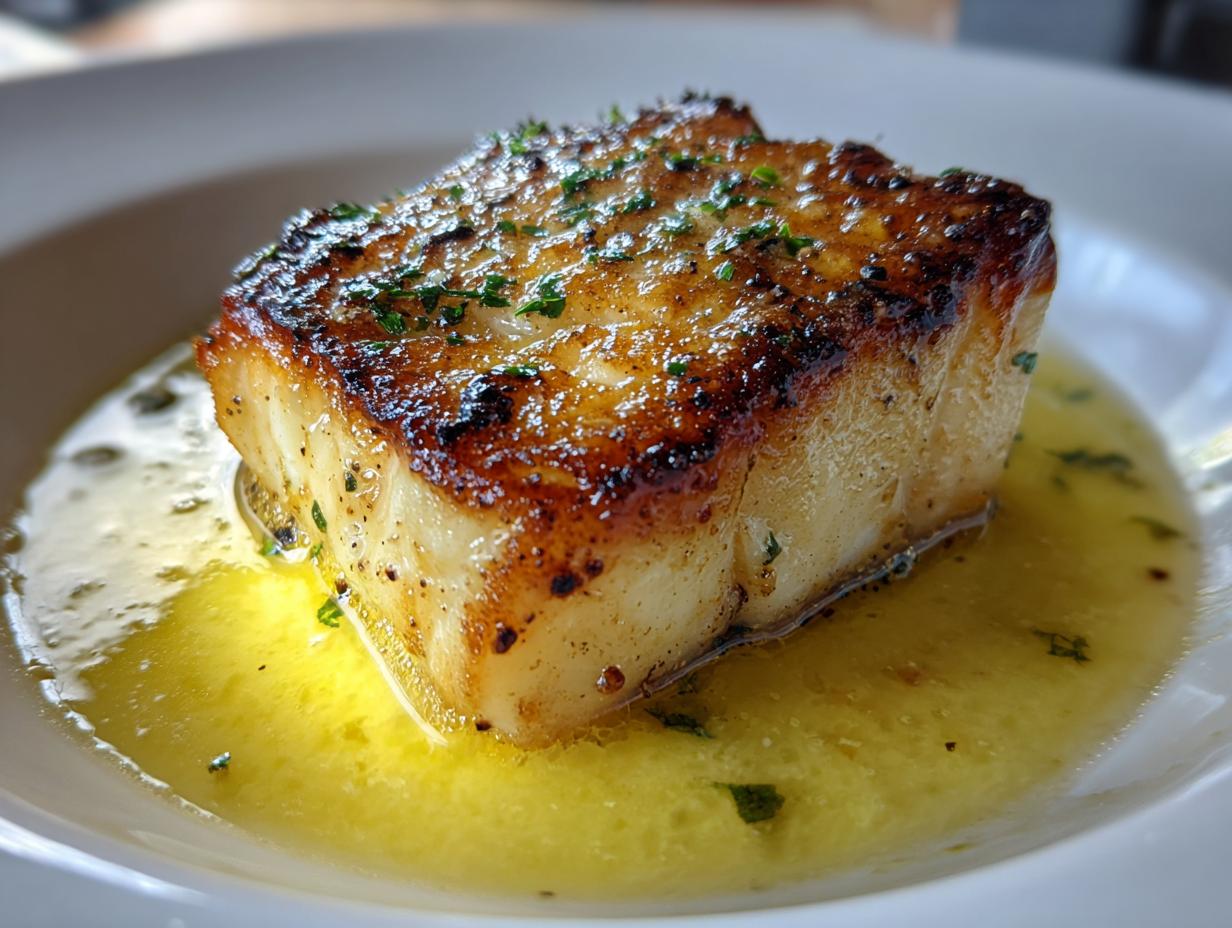
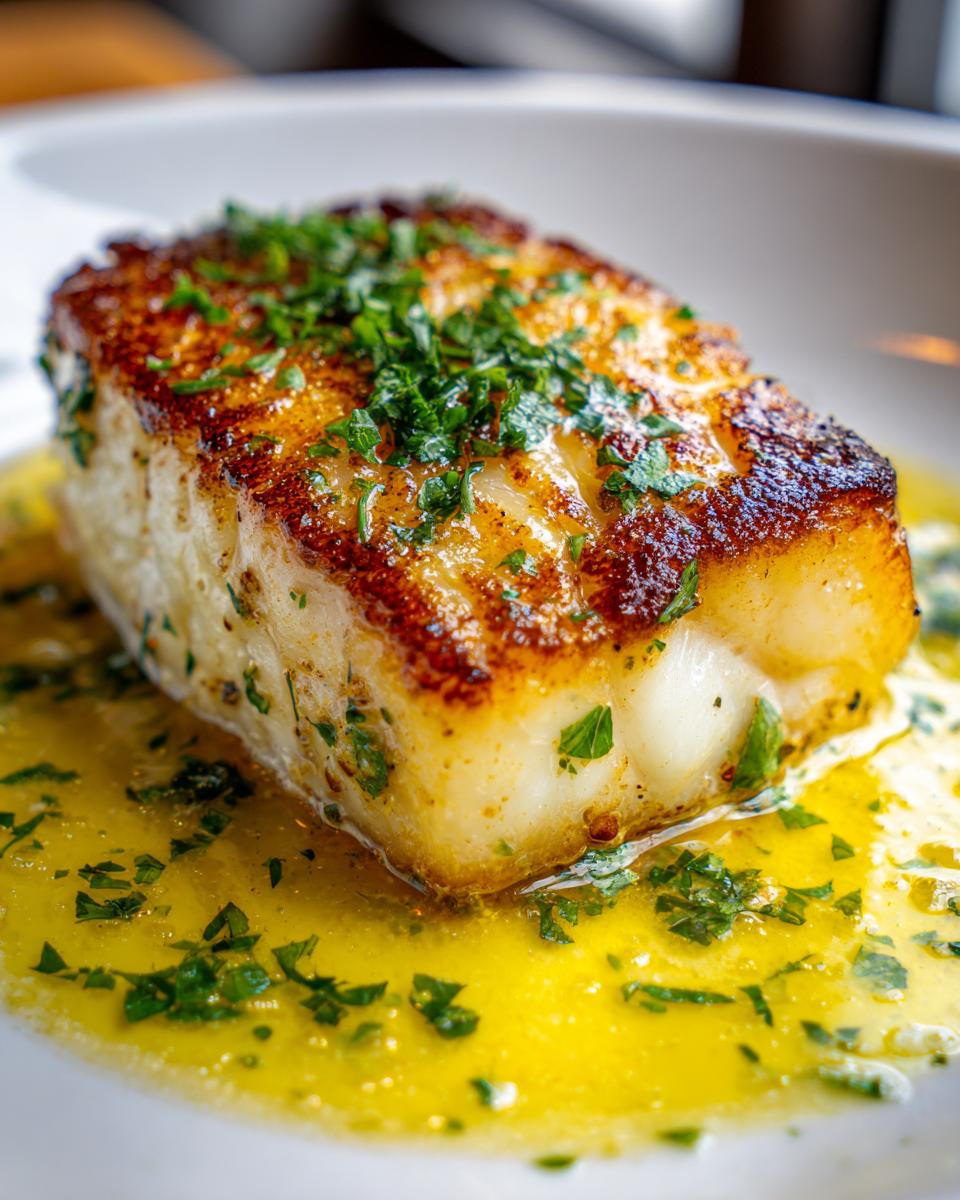
If you’ve ever stared at a menu item listed as “Chilean Sea Bass” and immediately ordered it, knowing it’s going to be buttery, rich, and melt-in-your-mouth divine—I get it! But eating like that every night when dining out gets expensive fast. My whole mission here at Taste This Plate is to show you that those incredibly elegant seafood meals aren’t just for special occasions or fancy restaurants. Trust me, we can make that restaurant-style Chilean Sea Bass Recipe tonight, and it’s honestly so easy. This pan-seared version gives you that perfect crust and delicate flaky sea bass texture in under 30 minutes. It’s proof that luxury doesn’t have to mean complication.
- Why This Chilean Sea Bass Recipe Delivers Restaurant Style Seafood
- Gathering Ingredients for Your Chilean Sea Bass Recipe
- How to Prepare Pan Seared Sea Bass: Step-by-Step Instructions
- Tips for Success with Your Elegant Fish Recipe
- Serving Suggestions for Your Quick Seafood Dinner
- Storage and Reheating Instructions for Chilean Sea Bass Recipe
- Frequently Asked Questions About How to Cook Sea Bass
- Estimated Nutritional Data for This Chilean Sea Bass Recipe
- Share Your Luxury Fish Dinner at Home Experience
Why This Chilean Sea Bass Recipe Delivers Restaurant Style Seafood
The secret to getting that incredible, almost custardy, melt in your mouth fish texture isn’t high heat alone—it’s a team effort! We’re using a tried-and-true two-step process that professional kitchens use to ensure everything cooks through evenly without drying out. First comes that quick, high-heat sear for color and flavor, and then we move the whole pan right into the oven to gently finish cooking. This reliable method guarantees you get true restaurant style seafood every single time you make this Chilean Sea Bass Recipe.
Achieving That Flaky Sea Bass Texture
Seriously, don’t skip patting the fish bone dry! Water is the enemy of a good sear; it steams the fish instead of crisping it. Grab a wad of paper towels and press down hard on those fillets until they feel almost velvety. Once they are dry, we sear them hard on one side, then immediately transfer them to a 400-degree oven. That gentle, forced heat from the oven is how you get the interior to become perfectly flaky without burning that gorgeous crust we just worked so hard to achieve. If you’re looking for more quick cooking inspiration, you might love my honey garlic butter salmon!
Gathering Ingredients for Your Chilean Sea Bass Recipe
This is where we keep things simple, just like I promised! You don’t need a trip to a specialty market for this luxurious meal. We are focusing on fundamental flavors that really highlight that buttery fish recipe you’re making. For two generous servings, you’ll need two six-ounce fillets of beautiful Chilean Sea Bass, roughly 1.5 inches thick—that thickness is important for the sear-then-bake timing we discussed.
Beyond the fish, grab your olive oil, unsalted butter—and Kate says only real butter works here!—two cloves of fresh garlic (minced, please!), some dry white wine or broth, fresh lemon juice, and parsley. That’s genuinely the whole list for this elegant fish recipe. Speaking of bread, if you need something amazing to soak up that extra sauce, you absolutely have to try my recipe for easy homemade garlic naan!
Ingredient Notes and Substitutions for Buttery Fish Recipe
Let’s talk about that wine. If you don’t want to use alcohol, don’t sweat it! Swapping the dry white wine for chicken broth works beautifully in the sauce step; it just adds savory depth instead of that little bit of wine tang. The key thing to watch out for, though, is your fillet thickness. If your sea bass is much thinner than an inch and a half, it won’t survive the second stage in the oven for very long, so keep an eye on it if you have slimmer cuts!
How to Prepare Pan Seared Sea Bass: Step-by-Step Instructions
Alright, this is where the magic happens, folks! Preparing perfect Pan Seared Sea Bass is all about timing and not being shy with the heat when you start. Before you even look at the stove, make sure your oven is preheated to 400 degrees F. Remember that first, non-negotiable step? You absolutely must pat those fillets totally dry and season them well with salt and pepper before they hit the hot pan. Seriously, dry surface equals crispy outside!
Heat your oven-safe skillet over medium-high heat with the olive oil until it just starts to shimmer—that’s your signal. Lay the fish presentation-side down and don’t touch it! I mean it! Let it sear undisturbed for a full 4 to 5 minutes. You want a deep, golden crust, not pale and floppy. My secret nudge to myself is to peek underneath at the 4-minute mark like I’m checking the weather. Once it’s gorgeous, flip it, reduce the heat to medium-low, and add your butter. Tilt that pan quickly and use a spoon to baste that bubbling butter over the top for just a minute.
Now, move the whole skillet right into that waiting 400-degree oven for about 3 to 5 minutes to finish cooking; this keeps it from burning on the bottom. If you want to see a visual of this exact method used on a similar, amazing fish, check out my air fryer salmon post—similar principle, maximum flavor! Once done, take the fish out immediately. For more truly restaurant results, you can see another great technique over at this link.
Creating the Lemon Butter Fish Sauce
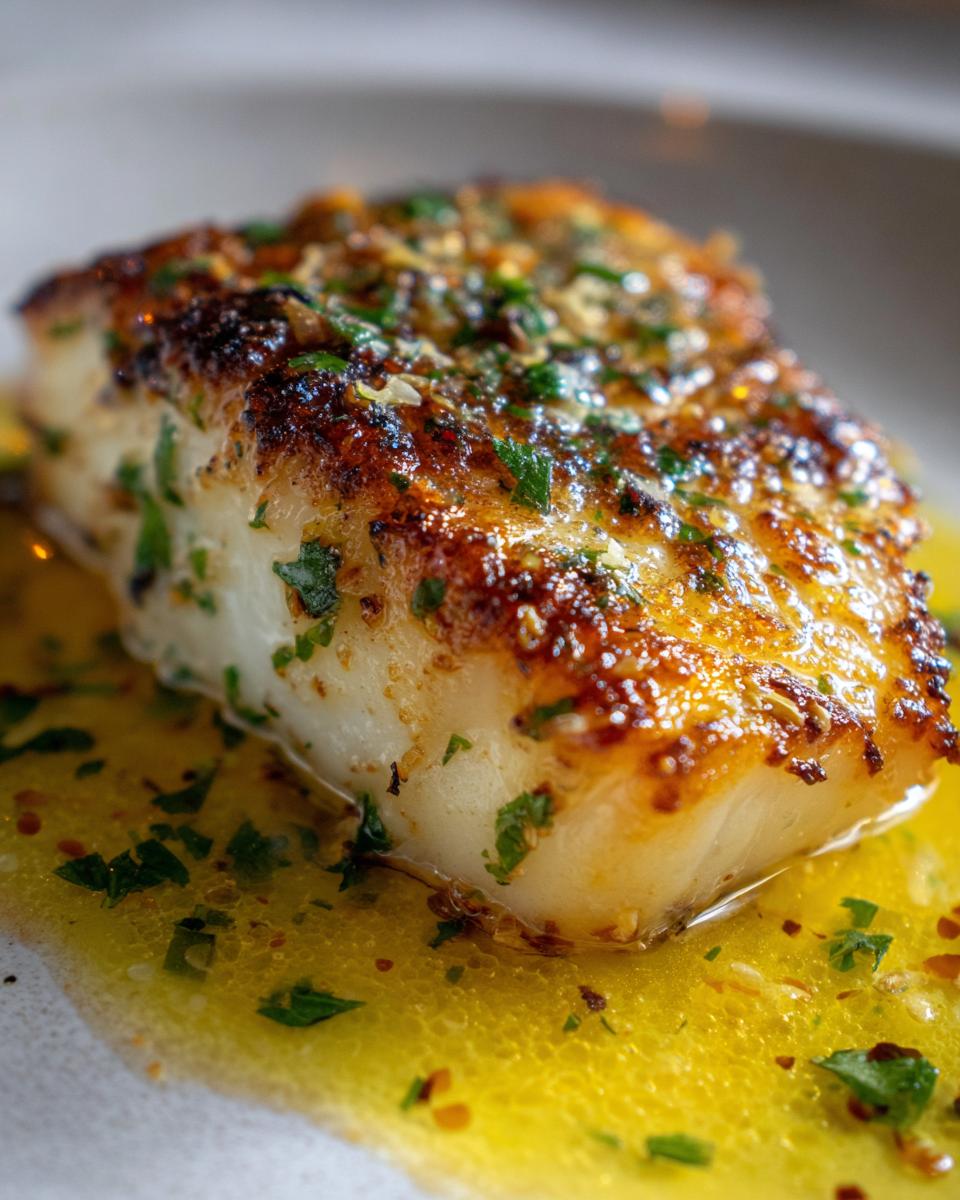
Keep that skillet on the stovetop—handle carefully, the handle is going to be super hot! Put it over medium heat. Now we build flavor: toss in that minced garlic and cook it until you can really smell it, but stop before it browns, maybe 30 seconds max. Then, pour in your wine or broth and use a wooden spoon to scrape up all those lovely browned bits stuck to the bottom—that’s the fond, and it’s pure flavor gold! Let that liquid bubble hard and reduce by about half. Take the pan off the heat *before* stirring in your fresh lemon juice and parsley. That heat shock keeps the sauce bright and fresh, giving you the perfect finishing touch for your elegant fish recipe.
Tips for Success with Your Elegant Fish Recipe
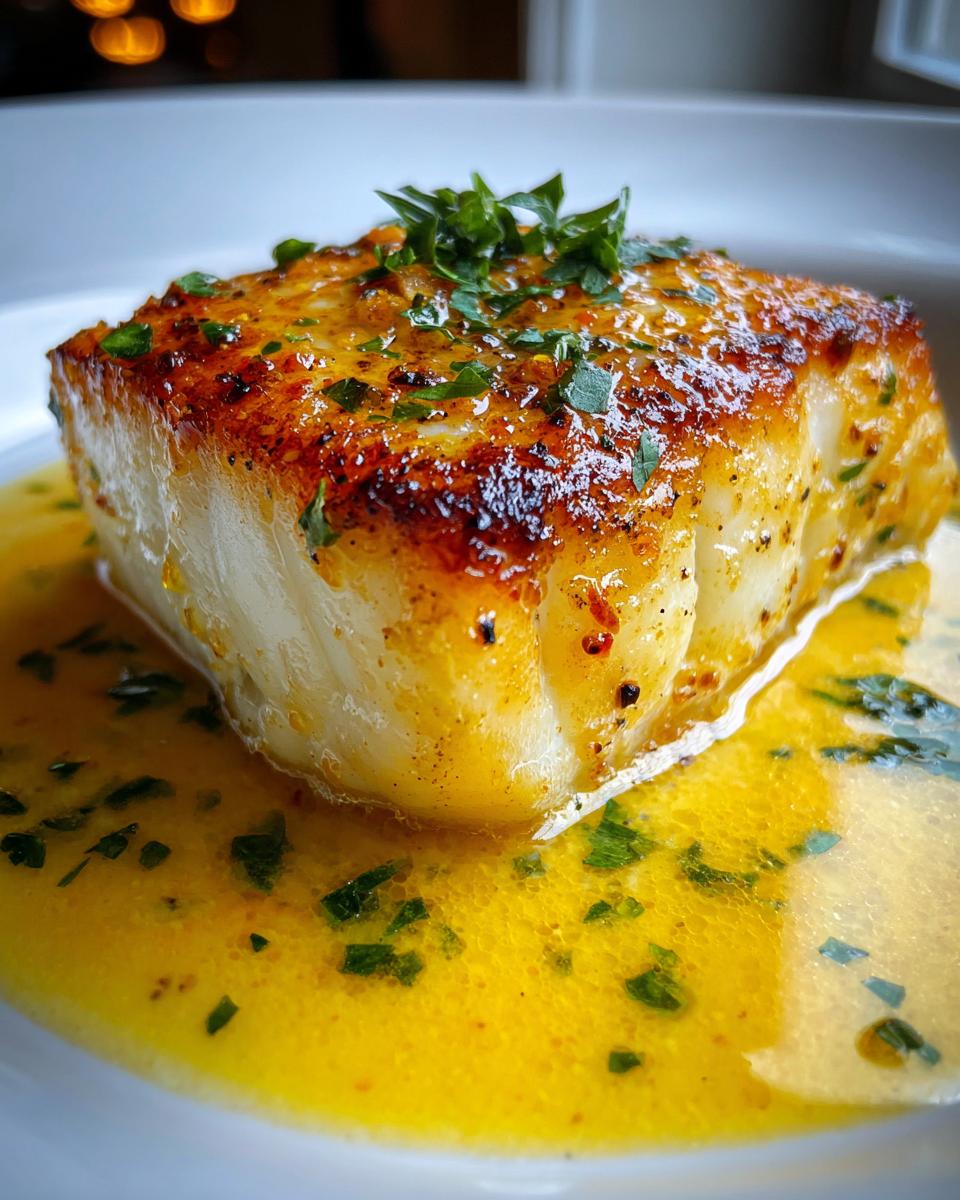
We’ve done the hard part; now let’s just make sure it’s absolutely perfect! If you are using skin-on fillets, the absolute key to getting that shatteringly **Crispy Skin Sea Bass** is time and patience during the initial sear. Don’t press down on the fish once it’s in the pan! Let the weight of the fish do the work; pressing it down actually releases moisture and you end up steaming it. Once the flesh starts to turn opaque about halfway up the side, you know the sear is solid.
Also, remember that delicate fish cooks fast! It’s better to slightly undercook the fillets and give them an extra minute in the oven than to overcook them right on the stovetop. Overcooked sea bass loses that prized buttery texture. I often prepare my sides, like this wonderful garlic parmesan rice, while the fish is searing so the timing flows perfectly. If you want to review another chef’s quick but elegant approach, take a peek at the techniques shared over at this site for more inspiration!
Serving Suggestions for Your Quick Seafood Dinner
Since this buttery fish recipe comes together so quickly, we want sides that match that ease, but still feel like an easy gourmet dinner, right? The bright lemon butter sauce we made is begging for something green to soak it up and cut through the richness. Trust me on this: roasted asparagus or green beans are perfect.
My favorite pairing is roasted broccolini—it gets those crispy, slightly charred edges that are just divine next to the soft sea bass. You can find the recipe for my go-to garlic lemon roasted broccolini right here. If you need something starchier, some fluffy jasmine rice or even some creamy mashed potatoes are wonderful canvases for all that extra sauce!
Storage and Reheating Instructions for Chilean Sea Bass Recipe
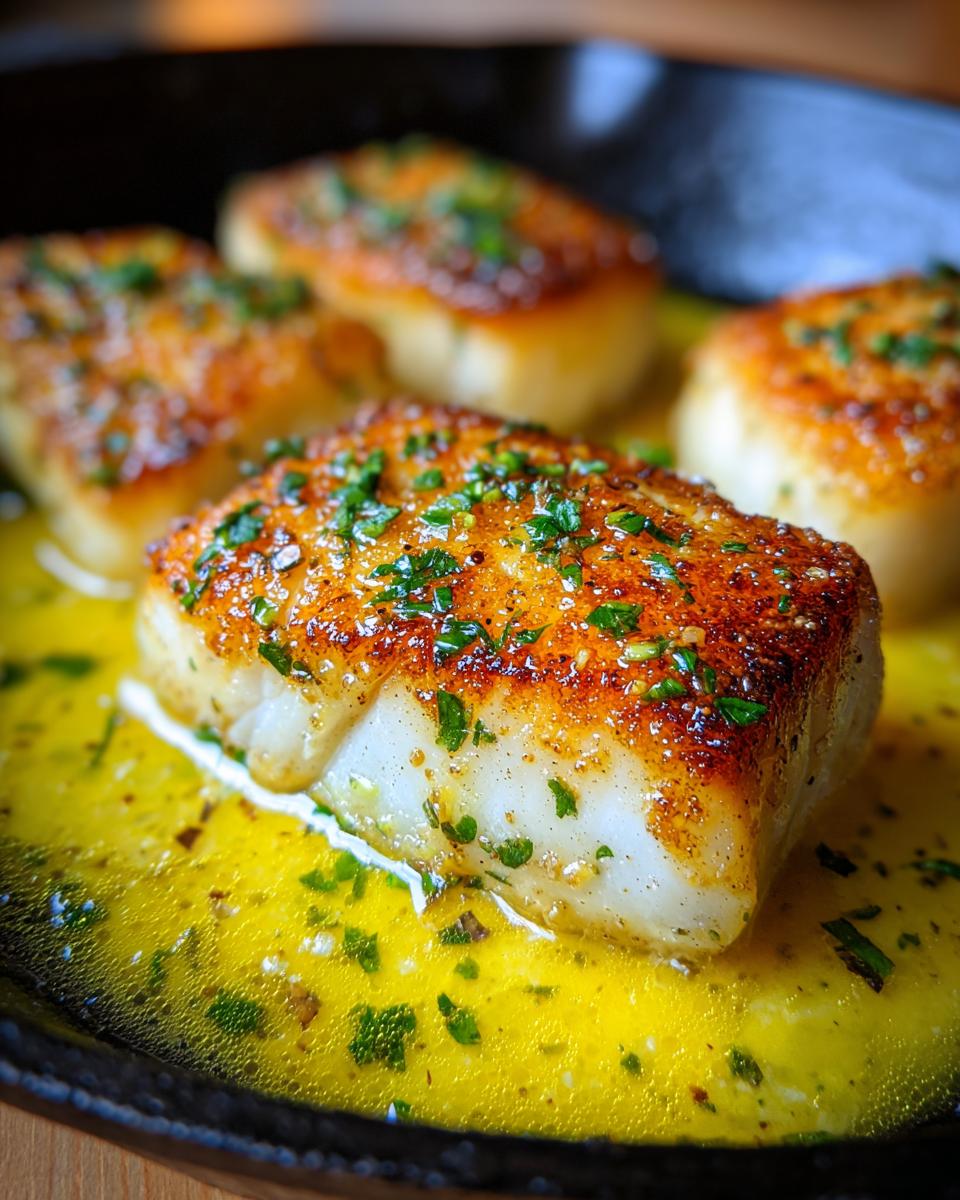
Fish is always best eaten right after it’s made, especially when we’ve gone to the trouble of getting that perfect flaky sea bass texture! If you do have leftovers from your quick seafood dinner, make sure you store them promptly in an airtight container in the fridge. Don’t let them sit out long.
Reheating is the tricky part because we don’t want to dry out that beautiful buttery fish. Skip the microwave entirely—it’s far too harsh! The best way is truly gentle: warm the fish in a tiny bit of the leftover lemon butter sauce or broth on the stovetop over the lowest heat setting, just until it reaches serving temperature. This keeps it moist and tender.
Frequently Asked Questions About How to Cook Sea Bass
I know when you try a new, elegant fish recipe, you always have questions swirling around! It’s smart to check in before you start cooking. That’s why I’ve put together the ones I get asked most often about achieving that perfect texture in this Chilean Sea Bass Recipe.
Can I use the Oven Baked Sea Bass method instead of searing?
Oh yes, you absolutely can if you want an even easier cleanup! If you’re in a rush and don’t mind trading a little bit of crust for convenience, you can just skip the stovetop searing completely. Place your seasoned fillets on a baking sheet (maybe lined with parchment, since we are already skipping the hard sear!), and bake them straight away at 425 degrees F until they are done. The trade-off, though, is that you won’t get that gorgeous, crispy skin sea bass texture that makes this recipe feel so restaurant-worthy.
Is this Chilean Sea Bass Recipe similar to Ina Garten Sea Bass?
When people look for an Ina Garten Sea Bass recipe, they are looking for that classic, beautiful simplicity—and I totally get why! We share that philosophy. Her style focuses on letting amazing ingredients shine, which is exactly what we do here with the butter and lemon. While this isn’t her exact recipe, it’s built on the same idea: taking simple, high-quality components and using smart timing to create an easy gourmet dinner that looks like you spent hours on it.
What temperature should the fish reach for a perfect result?
For any fish, but especially for this precious Chilean Sea Bass, you want to cook it safely but gently. The USDA standard says fish is done at 145 degrees F internally, and I always stick to that mark. Once you take it out of the oven, let it rest for just a minute. You should be able to tap it gently with a fork and see that it effortlessly separates into layers—that flaky sea bass sign means it’s done, juicy, and ready to eat! For more general cooking info, check out the notes on this external site.
If you have other burning questions after trying this method, leave a comment below! I always love hearing success stories, and I keep a running list of ideas for fun follow-up posts, like maybe a deep dive into crab salad sandwiches next time you want something truly different!
Estimated Nutritional Data for This Chilean Sea Bass Recipe
Okay, let’s talk fuel! Since this is such a rich, buttery fish recipe, I want to be upfront about what’s in it. These numbers are estimates based on the ingredients listed for one serving, and remember, where you buy your sea bass will always change the final count a little bit.
- Serving Size: 1 fillet
- Calories: 450
- Fat: 30g (High in healthy unsaturated fats!)
- Protein: 40g
- Carbohydrates: 2g
- Sodium: 350mg
This recipe proves you can have an elegant meal without loading up on sugar or carbs. It’s high in protein and packed with those good fats that make seafood so satisfying!
Share Your Luxury Fish Dinner at Home Experience
Now that you have my very best tips for making this spectacular Chilean Sea Bass Recipe, I really, truly hope you give it a try. Seriously, take the leap and make yourself a luxury fish dinner at home this week! There’s nothing that makes me happier than knowing I helped take the stress out of a meal that seems complicated but is actually so simple.
When you do serve up this buttery fish, stop back by and let me know how it went! Did your butter sauce turn out perfectly? Did you get that crispy skin sea bass we were aiming for? Drop a rating below so other home cooks know this is a winner. I love hearing about your results, and I’ve always got time to answer questions if something wasn’t quite right.
If you loved learning the structure behind these techniques, you might want to read a little more about my journey and why I started Taste This Plate over on my About Page. Happy cooking, friend—I can’t wait to see what you create!
PrintRestaurant-Style Pan-Seared Chilean Sea Bass with Lemon Garlic Butter
Make this buttery, flaky Chilean Sea Bass at home. Pan-searing creates a crisp exterior and a tender interior, finished with a simple lemon garlic butter sauce for a gourmet dinner in under 30 minutes.
- Prep Time: 10 min
- Cook Time: 15 min
- Total Time: 25 min
- Yield: 2 servings 1x
- Category: Dinner
- Method: Pan-Seared and Baked
- Cuisine: American
- Diet: Low Fat
Ingredients
- 2 (6 ounce) Chilean Sea Bass fillets, about 1.5 inches thick
- 1 tablespoon olive oil
- 2 tablespoons unsalted butter
- 2 cloves garlic, minced
- 1/4 cup dry white wine or chicken broth
- 2 tablespoons fresh lemon juice
- 1 tablespoon fresh parsley, chopped
- Salt and black pepper to taste
Instructions
- Pat the sea bass fillets completely dry using paper towels. Season both sides generously with salt and pepper. This step helps achieve a crispy skin.
- Heat the olive oil in a large, oven-safe skillet over medium-high heat until it shimmers. Carefully place the sea bass fillets skin-side down (if skin-on) or presentation-side down into the hot pan.
- Sear the fish without moving it for 4 to 5 minutes until a deep golden-brown crust forms. You are looking for that restaurant-quality sear.
- Gently flip the fillets. Reduce the heat to medium-low. Add the butter to the pan. As the butter melts, tilt the pan and use a spoon to baste the melting butter over the fish for about 1 minute.
- Remove the skillet from the heat. Transfer the skillet to a preheated 400 degree F oven for 3 to 5 minutes, or until the fish reaches an internal temperature of 145 degrees F and flakes easily with a fork.
- While the fish finishes in the oven, make the sauce. Place the skillet back on the stovetop over medium heat (carefully, the handle will be hot). Add the minced garlic and cook for 30 seconds until fragrant.
- Pour in the white wine or broth, scraping up any browned bits from the bottom of the pan. Let the liquid reduce by half, about 1 minute.
- Remove the pan from the heat. Stir in the fresh lemon juice and chopped parsley. Taste the sauce and add a pinch of salt and pepper if needed.
- Serve the pan-seared Chilean Sea Bass immediately, spooning the lemon garlic butter sauce over the top. This is an easy gourmet dinner centerpiece.
Notes
- Drying the fish thoroughly before searing is the secret to getting a crispy skin and flaky sea bass texture.
- If your fillets are thinner than 1.5 inches, reduce the oven time to prevent overcooking.
- You can substitute the wine with extra broth for an alcohol-free sauce.
Nutrition
- Serving Size: 1 fillet
- Calories: 450
- Sugar: 1
- Sodium: 350
- Fat: 30
- Saturated Fat: 14
- Unsaturated Fat: 16
- Trans Fat: 0
- Carbohydrates: 2
- Fiber: 0
- Protein: 40
- Cholesterol: 110