

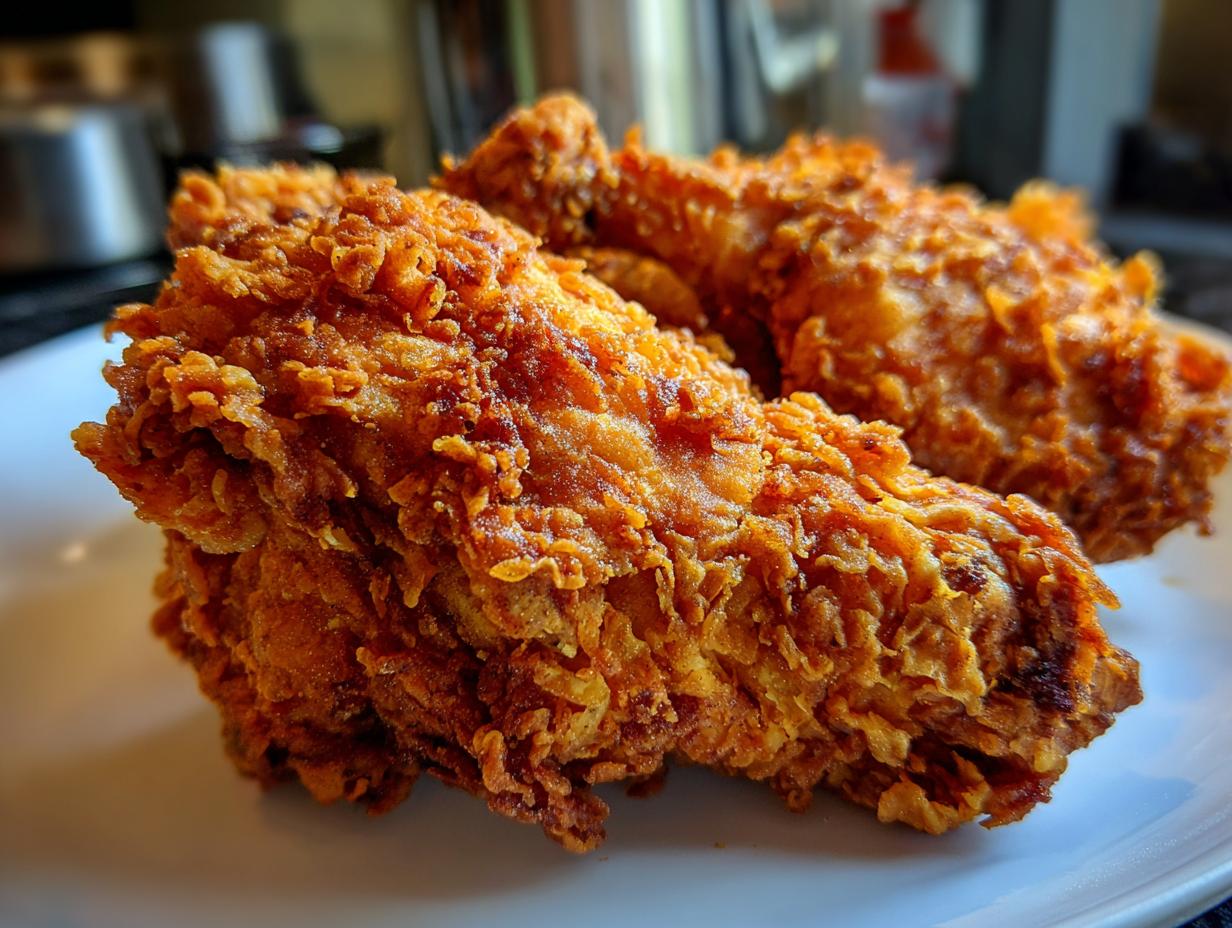
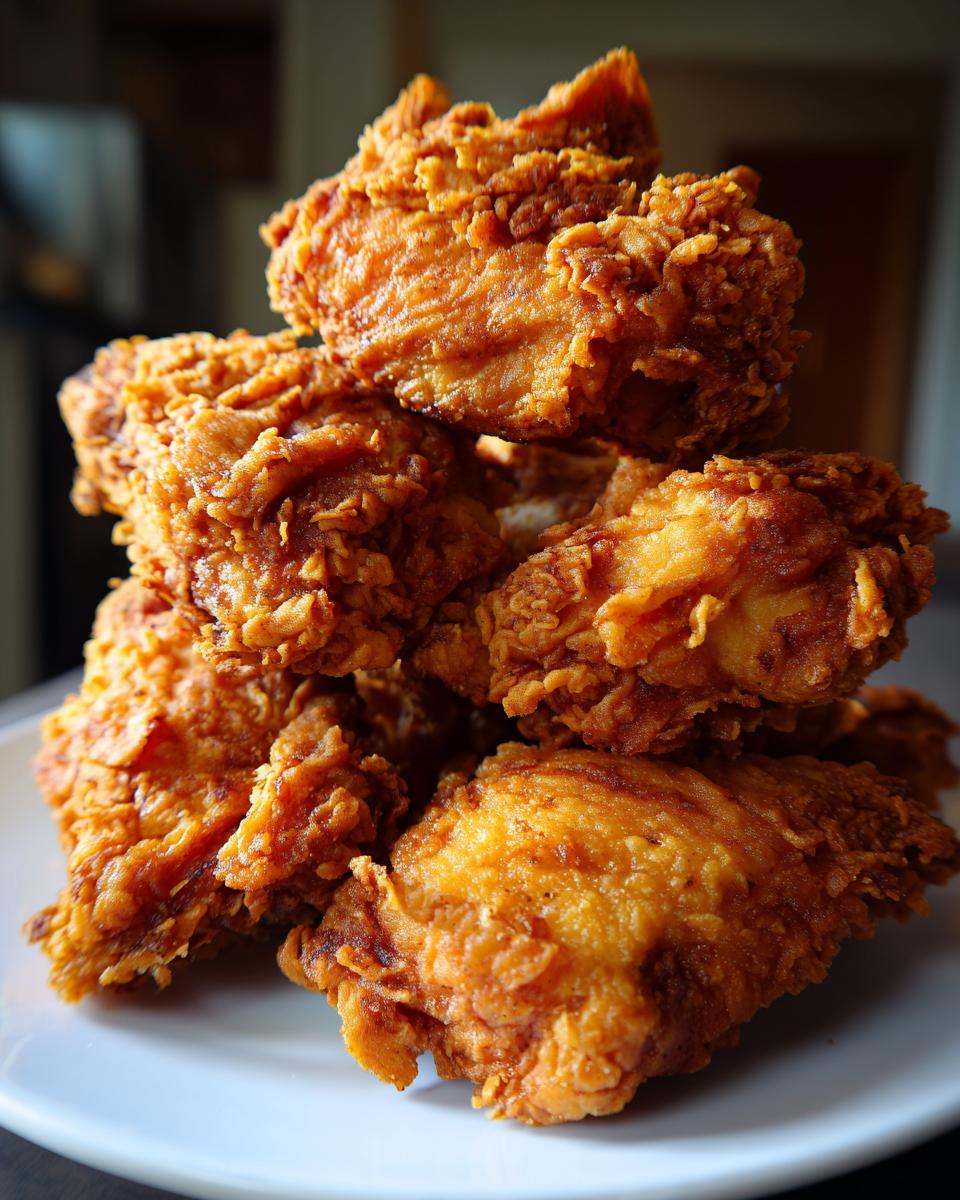
If I told you I found the secret to making chicken that is shatteringly crisp on the outside, unbelievably juicy on the inside, and bursting with that classic Southern flavor, would you believe me? Well, you should! Making spectacular fried chicken isn’t luck; it’s technique. I spent years analyzing and tweaking classic American recipes, just like my grandmother taught me, and this Ultra-Crispy Buttermilk Southern Fried Chicken is the flawless result. Forget dry, flavorless coating! This method ensures every single piece has that crunchy, textural magic everyone craves. Prepare your kitchen, because this is going to be your new go-to comfort food chicken recipe.
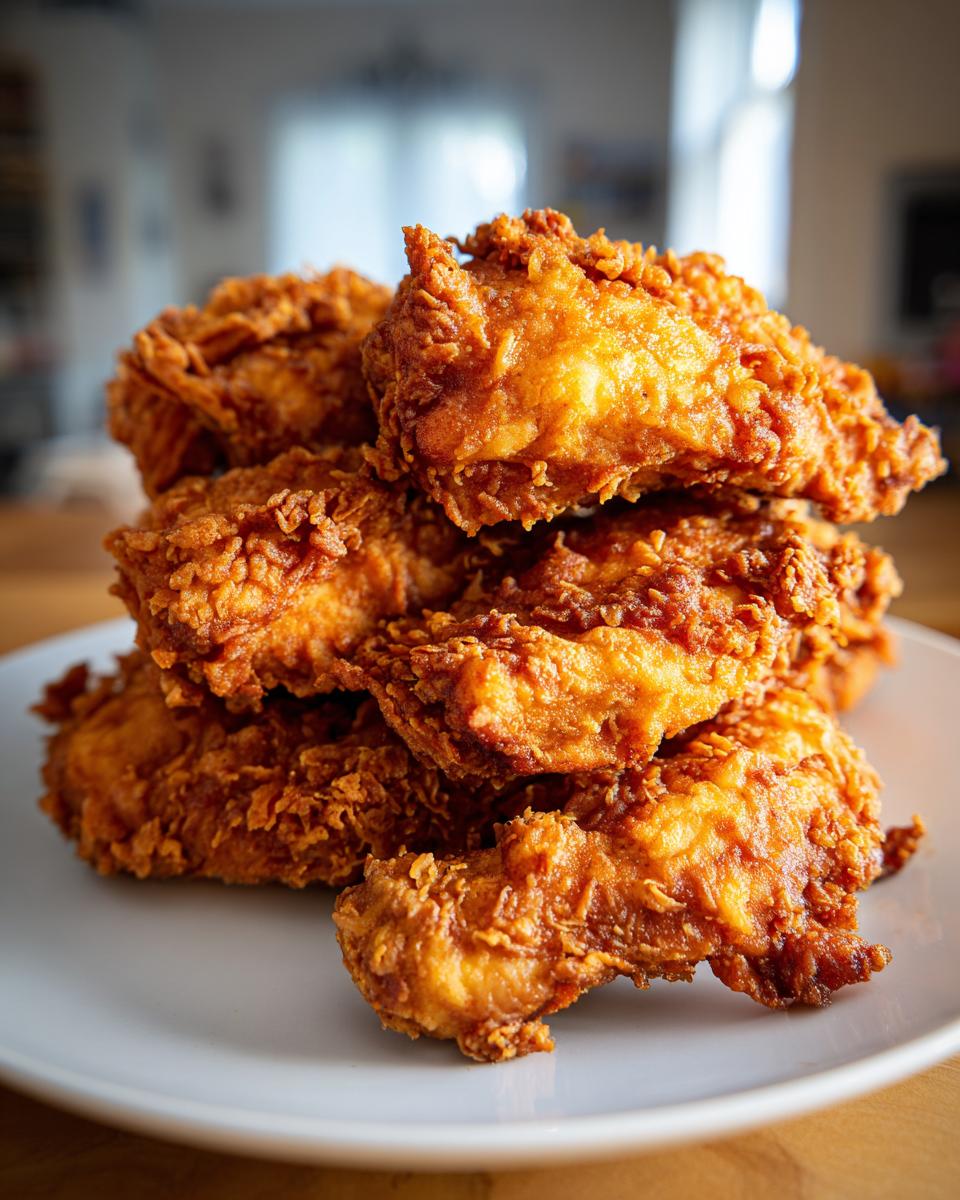
- Why This Buttermilk Southern Fried Chicken Recipe Delivers Maximum Crispiness
- Essential Ingredients for Perfect Fried Chicken
- How To Make Fried Chicken: Step-by-Step Instructions
- Expert Tips for Achieving Classic Fried Chicken Perfection
- Variations on Your Fried Chicken Dinner
- Serving Suggestions for Your Savory Chicken Dinner Ideas
- Storage and Reheating Instructions for Leftover Fried Chicken
- Frequently Asked Questions About Making Fried Chicken
- Estimated Nutritional Data for This Fried Chicken Recipe
Why This Buttermilk Southern Fried Chicken Recipe Delivers Maximum Crispiness
So, why is this recipe going straight to the top of your favorites list? Because we nail the two things everyone wants in their fried chicken: incredible tenderness and a crust that sounds like thunder when you bite into it. It’s all about balancing flavor and texture through chemistry, something I learned by testing every technique out there.
Look, there are a million ways to make chicken, but only a few give you that truly juicy and crispy chicken experience. We rely on two superstar techniques that I absolutely insist you follow.
The Power of Buttermilk Brined Chicken
You absolutely have to let the chicken hang out in the buttermilk. At least four hours, but seriously, overnight is where the magic happens! The lactic acid in the buttermilk is gentle—it tenderizes the meat without turning it to mush, breaking down those tough proteins so the inside stays super tender. You aren’t just flavoring it; you’re scientifically prepping it to stay moist while the outside cooks.
Creating the Ultimate Crunchy Chicken Coating
This is where your crunchy chicken coating comes from! We mix cornstarch right into our flour dredge. Cornstarch is a game-changer because once it hits that hot oil, it turns incredibly crispier than flour alone. It helps glue those craggy bits of coating onto the chicken, giving you those fantastic peaks and valleys that capture all that savory flavor. If you want a truly crispy fried chicken recipe, don’t skip that starch!
For more insight on making extra-crispy coatings, you might want to check out some specialized tips, like what the folks over at Lucille’s suggest on their site here!
Essential Ingredients for Perfect Fried Chicken
Okay, let’s talk about what you actually need to pull this off. I always try to stick to simple ingredients because that’s what makes a truly honest, classic fried chicken. When you use good stuff, you don’t need a million complex spices. Remember, this recipe is designed for your standard American grocery store haul—nothing fancy required!
Here is the lineup. Measure everything out before you start dipping your chicken; trust me, things get hectic once the oil is hot!
- Four pounds of bone-in, skin-on chicken pieces. I usually use a mix of thighs and drumsticks because they just guarantee that juicy result, but breasts work too, just watch them closely!
- Four full cups of buttermilk. This is non-negotiable for that amazing brine.
- Two tablespoons of kosher salt for the brine—big kosher flakes dissolve nicely.
- One big tablespoon of black pepper. Freshly cracked is always better if you have it.
- Just a teaspoon of cayenne pepper for a little warmth in the marinade.
- Four cups of all-purpose flour. This is the bulk of our coating structure.
- Half a cup of cornstarch. This is the secret weapon for that super craggy crust texture we talked about! Don’t skip it!
- Two teaspoons of garlic powder.
- Two teaspoons of onion powder.
- And finally, Vegetable oil or shortening for frying. You absolutely need enough oil to fully submerge the chicken, or at least get it 1.5 inches deep. If you want that beautiful, even golden brown chicken, you need a good amount of quality oil that can hold its heat.
That’s it! Simple, savory, and ready to transform into the best homemade fried chicken you’ve ever tasted.
How To Make Fried Chicken: Step-by-Step Instructions
This is it—the part where we turn our marinated meat into that legendary, crispy, golden-brown beauty! For this to work perfectly and give you that foolproof fried chicken you deserve, you need focus. I’ve broken this down into three important stages so we don’t miss a beat. Seriously, don’t rush past the temperature checks; that’s how you get soggy spots!
Step 1: Brining the Chicken
First things first, get that chicken swimming! Mix your buttermilk, salt, pepper, and cayenne right in your big bowl. Make sure every piece of chicken is totally covered up—it needs to feel cozy in there. Now, the hardest part: waiting. You have to let this sit in the fridge for a minimum of four hours. If you can swing it overnight, do it! That long soak is what guarantees tender, juicy meat inside, even when you’re working with high heat later on.
Step 2: Preparing the Dredge and Coating Technique
While the chicken is chilling, get your dry mix ready in that wide dish: flour, cornstarch (our crisp-maker!), garlic powder, and onion powder. Whisk it really well so everything’s happy together. When you’re ready to fry, take a piece of chicken out of the buttermilk—let the excess drip off—and press it firmly into that flour mix. Don’t just toss it in! Now, here’s the key for that amazing texture: dip it *back* into the leftover buttermilk really quick, just a second, and immediately back into the dry flour mix for the second coat. When you give it that second press, wiggle it around a bit! That’s what creates those rugged, craggy flakes that turn into pure gold.
If you are looking for ways to mix up your dredge flavor profiles after mastering the basics, you might want to check out my recipe for lemon pepper chicken thighs for seasoning inspiration!
Step 3: Frying for Juicy and Crispy Chicken
Get your oil heated up in a sturdy Dutch oven until it hits exactly 325°F. I can’t stress this enough: use a thermometer! Too cool and it gets greasy; too hot and the outside burns before the inside cooks. Carefully place your pieces in without overcrowding the pan—we need that heat to stay consistent. You’ll need about 6 to 8 minutes per side for thighs and drums, but always shoot for an internal temperature of 165°F right in the thickest part. When they look perfectly golden brown chicken, pull them out onto a wire rack set over a baking sheet. Never use paper towels underneath, or that beautiful crust will get steamed sad and soggy! For more tips on getting that perfect crust, this guide from Photo Recipe Step-by-Step is helpful: check it out!
Expert Tips for Achieving Classic Fried Chicken Perfection
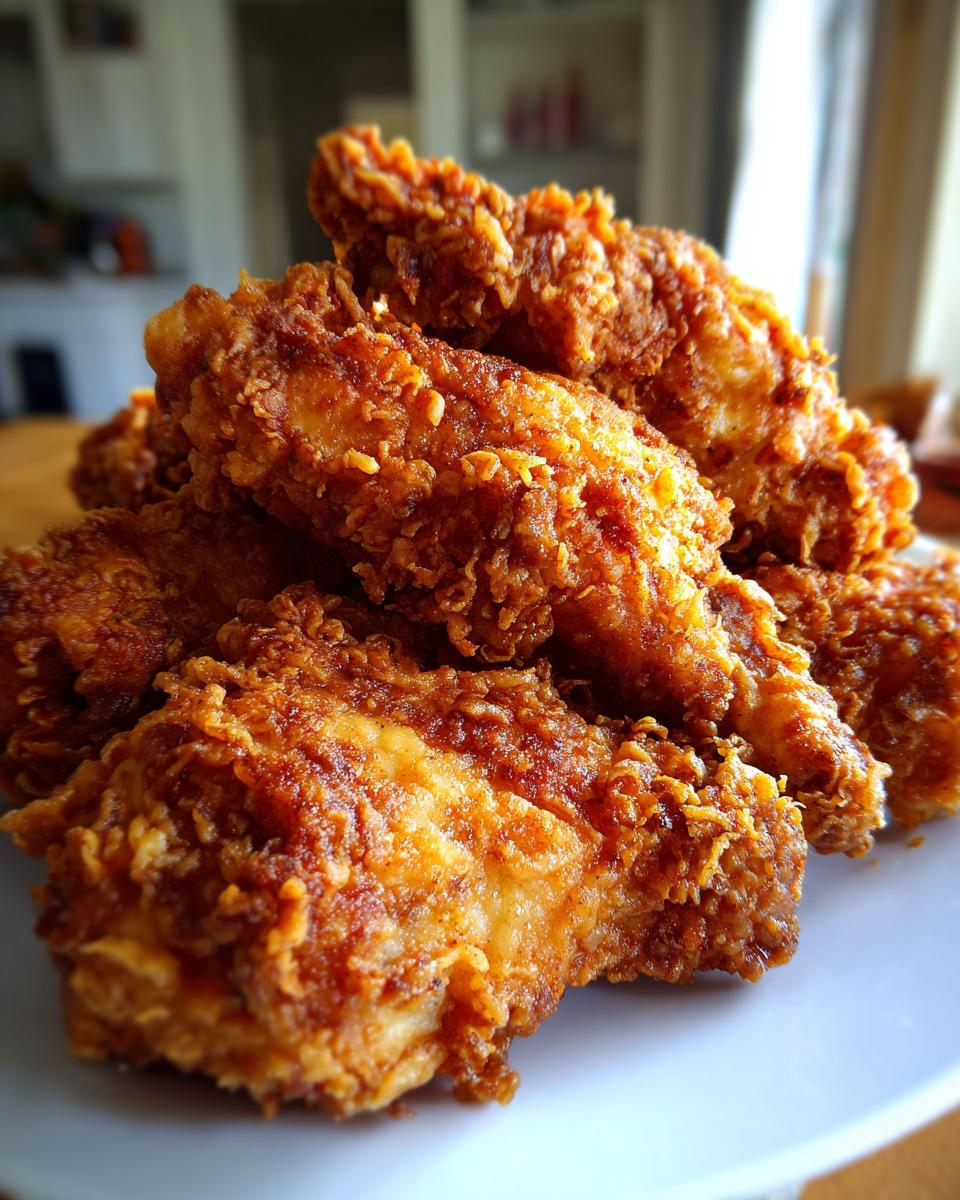
You’ve got the brine and the double-dip down—awesome! But just like any truly great Southern Fried Chicken recipe, the details make the difference between good takeout and something truly spectacular that makes your family cheer. Getting this right is about managing heat, understanding your pieces, and really tasting as you go. Trust me, these little secrets I picked up over the years are why my fried chicken is always the hit of the cookout.
Here are my top three pointers for turning out picture-perfect, golden, and crunchy chicken every single time:
- Oil Temperature Is Your Boss: This might be the most important rule for any deep fried chicken. You need that oil steady at 325°F. If you drop a big batch, the temperature plummets, and you end up with oily, pale chicken that never crisps. If you see the oil bubbling way too fiercely, turn the heat down immediately! Managing the heat ensures the chicken cooks all the way through before the outside burns.
- Don’t Crowd the Pan—Seriously: I know you want to make it fast and get it all done, but stuffing too many pieces in there drops that precious oil temperature instantly. Work in batches. Let the chicken you just pulled out rest on the rack while the oil recovers before dropping in the next round. It takes longer, but the payoff is that beautiful, consistent crunch across every single piece.
- Listen to Your Cuts for Perfect Timing: Different pieces cook at different rates, which is why I love using a mix. Thicker cuts like bone-in breasts take significantly longer than smaller drumsticks or wings. Use your meat thermometer! Always check the thickest part of the largest piece. We are aiming for 165°F internal temperature. If your breasts look beautifully golden but the thighs still need a few minutes, just pull the breasts out first and pop them on a warming tray while the others finish up.
Mastering these technical aspects is what separates good Southern fried chicken from the legendary stuff. If you’re looking for an amazing side that matches that crispy texture, you have to try my recipe for crispy potato wedges—they need that same crunchy precision!
Variations on Your Fried Chicken Dinner
Now that you’ve mastered the ultra-crispy buttermilk base, half the fun is messing with it! You don’t have to stick to the exact spice levels every time. This recipe is so sturdy, it handles twists beautifully. Think of the brine and the double-dip rinse as your safety harness; what you put in the flour mix is where you can get creative!
If you’re trying to recreate that iconic flavor without trying a full-on 11-herb copycat, you can certainly tweak the dry dredge. For a real punch, try adding smoked paprika right into the flour mixture—it gives the coating a fantastic color and a deep, almost smoky flavor that works wonders. You can check out some famous flavor profiles if you’re curious about what others do with their versions here!
If you want to lean into the savory side, swap out a teaspoon of salt in the dredge for dried, crushed rosemary or even a tiny bit of poultry seasoning. It gives a real savory chicken dinner idea vibe without much extra work.
And hey, if you find yourself with only a package of chicken thighs fried recipe portions, no need to double the brine time! Thighs are fantastic because their higher fat content keeps them incredibly juicy no matter what. You might shave a minute or two off the frying time compared to a giant breast, but the basic steps—brine, double-dip, fry at 325°F—remain the absolute perfect plan.
If you ever want to switch gears entirely and try stuffing your chicken instead of frying, I have a wonderful broccoli cheese stuffed chicken recipe that is wildly popular, too!
Serving Suggestions for Your Savory Chicken Dinner Ideas
I mean, what are you going to serve next to this phenomenal, juicy, crispy fried chicken? You can’t just eat it by itself, right? Well, you *could*, because it’s that good, but to make it a real comfort food chicken dinner, you need the right supporting cast!
We are talking classic, hearty, Southern-style sides here. Nothing fussy—we want things that will soak up that last little bit of chicken flavor or balance out the richness of that deep-fried coating.
First up, you absolutely need something creamy. These crispy fried chicken pieces need a delicious, fluffy mash to sit on top of! If you’re looking for my favorite, you must try my garlic parmesan mashed potatoes. They are rich, cheesy, and soak up any stray juices perfectly.
But you also need a little sharpness to cut through all that wonderful fat. Always serve this with a big bowl of homemade coleslaw. I like balancing the crunchy chicken with something cool and vinegary—it makes you want to take another bite of chicken immediately! A simple creamy slaw or a tangy vinaigrette slaw works wonders.
And don’t forget the bread! Nothing beats a fresh, warm biscuit for grabbing those bits of seasoning that fall off the bone. You can use those biscuits to mop up any leftover gravy if you decided to make some, too! It just completes the whole picture, making it a true feast. Think of it as a full-service, perfect savory chicken dinner idea!
Storage and Reheating Instructions for Leftover Fried Chicken
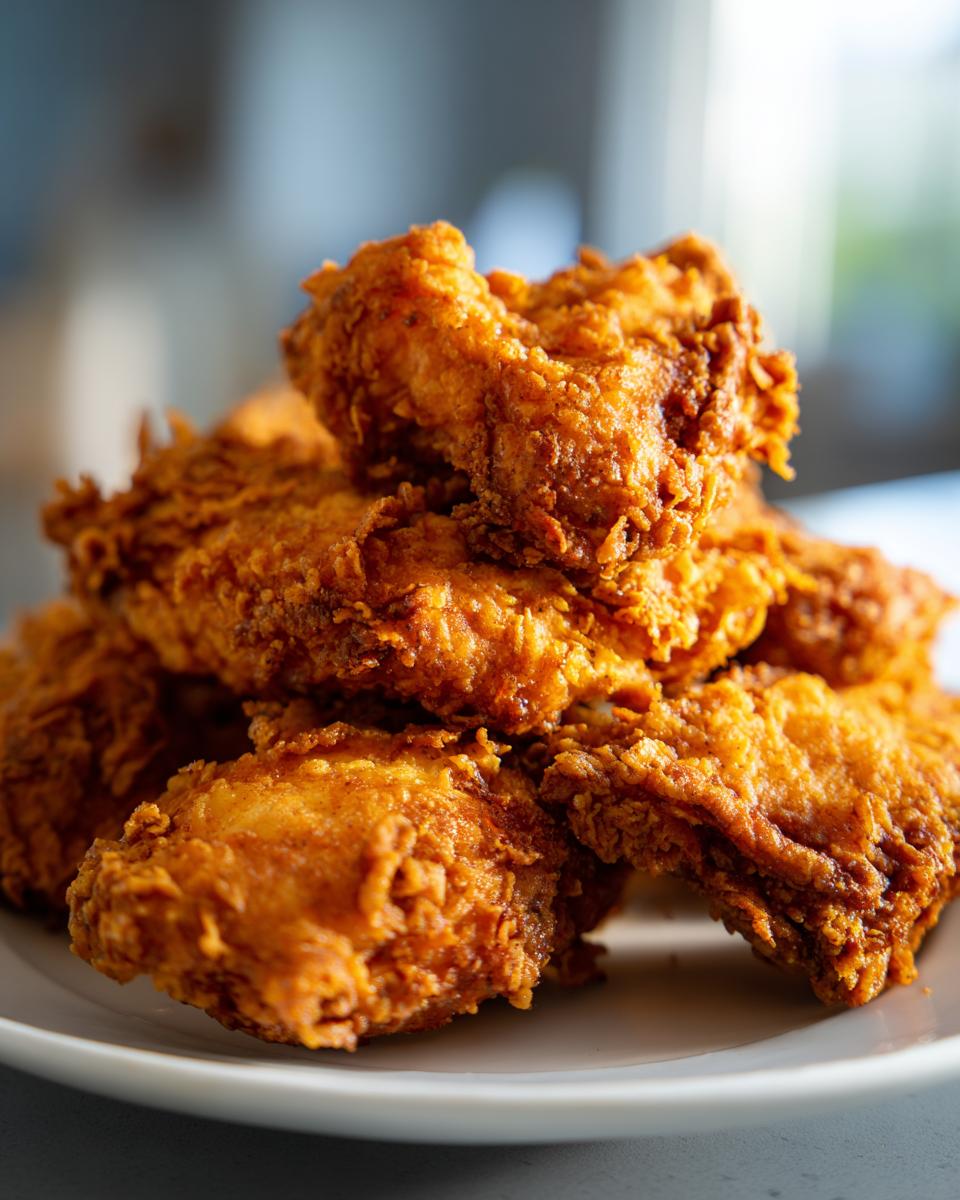
Ah, leftovers! The second-day pleasure of having perfectly cooked fried chicken around. But let’s be honest, that amazing, craggy crust we worked so hard on? It’s terribly vulnerable to steam. If you just throw it in a plastic container and stick it in the fridge, you’re saying goodbye to the crispiness we worked so hard to achieve. We have to treat these leftovers with respect if we want them to taste almost as good as they did fresh!
The goal here is to keep the crust dry while the meat stays moist. This is all about locking out moisture during storage so we can reintroduce dry heat later for revival.
Storing Your Crispy Fried Chicken
First, the cooling process is vital. Never, ever put warm chicken into a sealed container. Let those beautiful pieces cool completely on a wire rack at room temperature for at least an hour. This lets any surface steam escape. Once they are totally cool, transfer them to an airtight container. Here’s my trick: I line the container with a paper towel, place the chicken in a single layer if possible, and then put another paper towel on top before sealing it. That towel will absorb any ambient moisture that tries to sneak in and make things gummy. It usually lasts great in the fridge for three to four days.
The Best Way to Reheat for Maximum Crunch
This is the most important part for any crispy fried chicken recipe enthusiast! You absolutely cannot use the microwave. I repeat: DO NOT MICROWAVE YOUR FRIED CHICKEN. It will turn that wonderful coating into soft rubber. We need dry, high heat to crisp things back up.
My method is the oven or an air fryer. If you use an oven, set it to about 375°F. Lay the chicken directly on a wire rack set inside of a baking sheet—this allows air to circulate all around the piece, preventing the bottom from steaming where it touches the pan. Heat it for about 10 to 15 minutes, depending on the size of the piece. You want the internal temperature to reach around 155°F to 160°F—it will warm through perfectly without drying out the juicy meat you worked so hard to preserve.
If you use an air fryer, 350°F for about 5 to 7 minutes works wonders! It’s faster and really hits that crust hard, making it taste nearly fresh-fried again. This technique ensures your comfort food chicken recipes live on happily into the next day!
Frequently Asked Questions About Making Fried Chicken
I know when you’re diving into a recipe like the best homemade fried chicken, you’re going to have questions! That’s totally normal, especially when deep frying is involved. I’ve tried to answer the ones I hear most often from folks trying to master this technique so you can feel totally confident when you start working on this crispy fried chicken recipe. Don’t be afraid to jump in!
Can I use chicken breasts instead of bone-in pieces for this fried chicken?
You absolutely can use chicken breasts! Since they are much leaner than the thighs and drumsticks, they cook faster than the bone-in cuts. Keep your oil temperature right where it should be—325°F—but start checking the internal temperature around the 5-minute mark for the smaller pieces. The biggest thing with breasts, especially if they’re thick, is making sure you pound them slightly to an even thickness. This helps them cook evenly so you don’t end up with dry edges and raw centers. If you want to try a completely different direction for dinner sometimes, I love my green chile chicken and rice casserole!
What oil temperature is best for achieving golden brown chicken?
I preach this tip constantly because it is the cornerstone of getting that perfect, golden brown chicken crust! You need the oil to be precisely 325°F when the chicken goes in. If it’s lower than 315°F, the coating absorbs too much oil, and you get greasy, pale chicken—no crunch factor there! If it spikes up over 335°F, the outside will burn to a crisp dark brown color before the inside even has a chance to cook through to 165°F, leaving you with raw meat inside. Use that thermometer, keep it steady, and you’ll nail it every time. For more detail on getting that perfect, foolproof fry, my friends over at Mommy Plates have a great walkthrough right here.
Is the buttermilk step truly necessary for this fried chicken?
Yes, yes, a thousand times yes! If you skip the buttermilk brined chicken step, you are missing the key to making your meat tender and juicy. The buttermilk’s natural acidity tenderizes the muscle fibers, which means when the hot oil hits it, the meat stays incredibly moist. Plus, that thick coating of buttermilk is what helps adhere all of that glorious flour and cornstarch mixture right onto the bone-in pieces. It’s the glue and the tenderizer all in one step—don’t skip it!
Can I bake this fried chicken instead of deep frying it?
You certainly *can* bake it if you must, but I need to be honest with you: you won’t get the same result as this deep fried chicken recipe. Frying uses heat transfer from the oil to create that signature, hard, crackling exterior. Baking will result in something much closer to a baked-breaded chicken—still tasty, but missing that authentic crunch we are aiming for! If you bake it, I suggest dusting the coated chicken with a little extra oil spray first and baking it on a wire rack in a hot oven (around 400°F) to help minimize the sogginess underneath.
Estimated Nutritional Data for This Fried Chicken Recipe
Okay, deep-fried food isn’t exactly salad, but when you’re making real, classic fried chicken, you need to know what you’re working with! I always appreciate transparency in recipes, so I want to share the details based on the ingredients we used in this recipe—the buttermilk brine, the flour dredge, and deep frying in oil.
You need to remember that these numbers are estimates, just like any recipe that involves frying. The final count can change depending on the exact cut of chicken you use, how much oil gets absorbed (which is what we try to minimize!), and the specific brands of flour or oil you rely on. But this gives you a solid ballpark idea for your amazing comfort food chicken dinner!
Based on one serving (about one piece of chicken), here are the estimates reflecting the rich flavor and satisfying heft of this crispy fried chicken recipe:
- Calories: About 450 per piece
- Protein: A whopping 32 grams! That’s good eating right there.
- Fat: Roughly 28 grams total. Remember, this includes the healthy fats used for frying and the natural fats from the skin.
- Carbohydrates: Around 15 grams, mostly thanks to that thick, crunchy coating we perfected.
- Sugar: Very low, at only 2 grams. It’s savory, not sweet!
We’re focusing on big flavor and that perfect texture for this Southern fried chicken, and these numbers reflect a genuinely satisfying meal. Eat well, enjoy your creation, and don’t worry too much about the numbers when the chicken tastes this incredible!
PrintUltra-Crispy Buttermilk Southern Fried Chicken

Make the best homemade fried chicken with this recipe. The buttermilk brine keeps the chicken juicy while the double-dredge method creates an ultra-crispy, golden-brown crust.
- Prep Time: 20 min
- Cook Time: 25 min
- Total Time: 4 hr 45 min
- Yield: 4 servings 1x
- Category: Dinner
- Method: Deep Frying
- Cuisine: Southern American
- Diet: None
Ingredients
- 4 lbs bone-in, skin-on chicken pieces (thighs, drumsticks, breasts)
- 4 cups buttermilk
- 2 tablespoons kosher salt
- 1 tablespoon black pepper
- 1 teaspoon cayenne pepper
- 4 cups all-purpose flour
- 1/2 cup cornstarch
- 2 teaspoons garlic powder
- 2 teaspoons onion powder
- Vegetable oil or shortening, for frying
Instructions
- In a large bowl, combine the buttermilk, kosher salt, black pepper, and cayenne pepper. Add the chicken pieces, ensuring they are fully submerged. Cover and refrigerate for at least 4 hours, or preferably overnight.
- Remove the chicken from the buttermilk mixture, letting excess drip off, but do not rinse.
- In a wide, shallow dish, whisk together the flour, cornstarch, garlic powder, and onion powder. This is your dredge mixture.
- Working with one piece at a time, dredge the chicken thoroughly in the flour mixture, pressing firmly to coat all surfaces.
- For extra crispiness, dip the floured chicken piece back into the remaining buttermilk mixture for just a second, then immediately return it to the flour mixture for a second, heavy coating. Press the flour onto the chicken to create craggy bits. Place coated pieces on a wire rack.
- Pour enough oil or shortening into a large, heavy-bottomed skillet or Dutch oven to reach a depth of about 1.5 to 2 inches. Heat the oil to 325°F (160°C). Use a thermometer to monitor the temperature.
- Carefully place chicken pieces into the hot oil, ensuring you do not overcrowd the pan. Fry in batches.
- Fry drumsticks and thighs for about 6-8 minutes per side, until deep golden brown and the internal temperature reaches 165°F (74°C). Breast pieces may require slightly longer.
- Remove the cooked chicken and place it on a clean wire rack set over a baking sheet to drain excess oil. Do not place on paper towels, as this steams the bottom crust.
- Serve immediately as a classic comfort food dinner.
Notes
- For the crispiest crust, maintain the oil temperature between 315°F and 330°F during frying. Adjust heat as necessary.
- If you prefer a spicier coating, increase the cayenne pepper in the dredge mixture.
- This recipe works well for chicken thighs or drumsticks, which stay juicier during frying.
Nutrition
- Serving Size: 1 piece
- Calories: 450
- Sugar: 2
- Sodium: 650
- Fat: 28
- Saturated Fat: 7
- Unsaturated Fat: 21
- Trans Fat: 0
- Carbohydrates: 15
- Fiber: 1
- Protein: 32
- Cholesterol: 110