

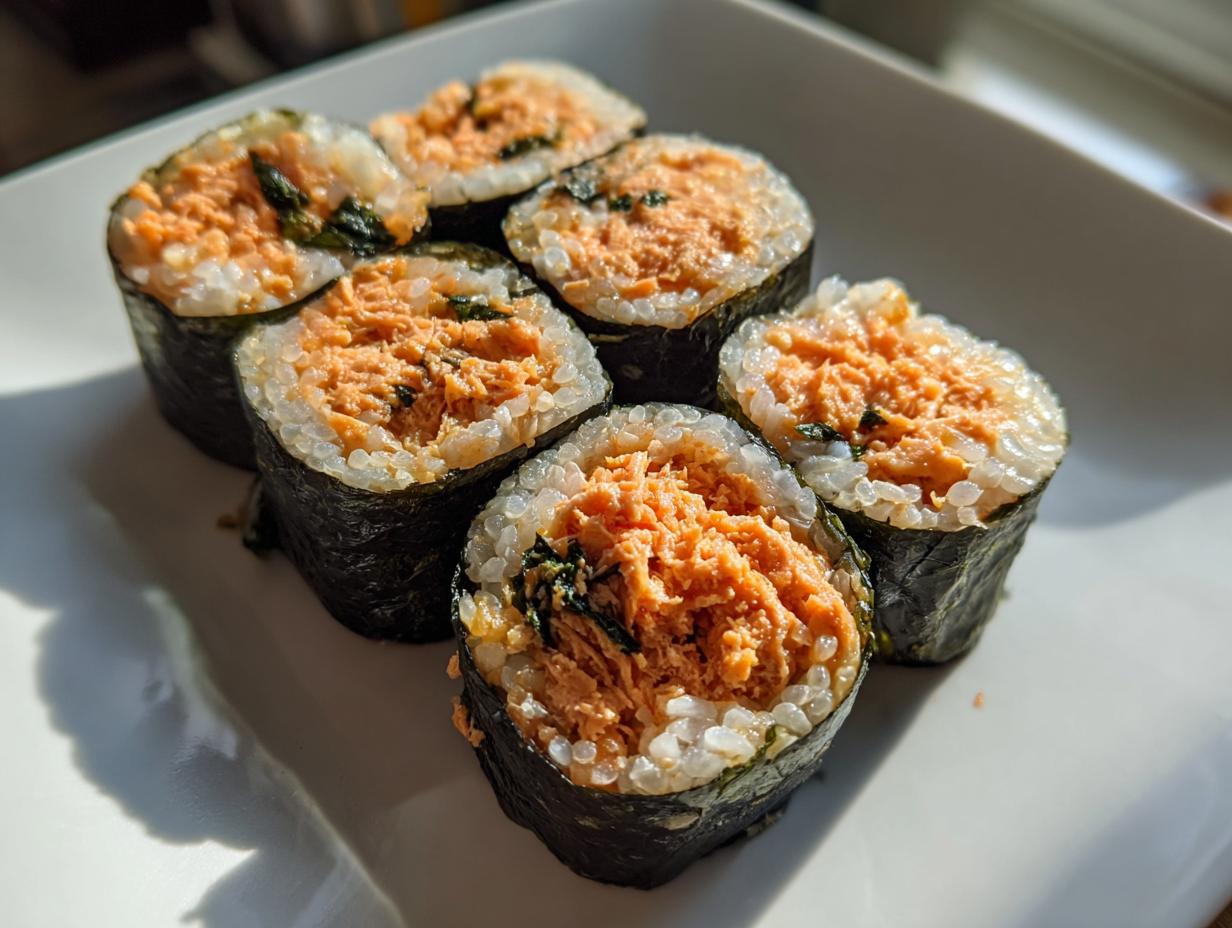
When life gets busy—and let’s be honest, when is it ever *not* busy?—we all need reliable meals that deliver huge flavor without eating up our entire evening. That’s why I developed this version of tuna kimbap. Forget those complicated rolls with seven different sautéed vegetables; we are keeping this streamlined, flavor-packed, and lightning fast. I’m giving you The Easiest 15-Minute Spicy Tuna Kimbap (Chamchi Kimbap) recipe today. I truly believe cooking should show love, not cause stress, and using simple canned tuna means you have a satisfying Korean comfort food ready before you can even decide what takeout to order. It’s perfect for those last-minute work lunches or quick picnic food ideas Korean style!
- Why This Spicy Tuna Kimbap Recipe Works for Busy Days
- Gathering Your Simple Ingredients for Tuna Kimbap
- Step-by-Step: How to Prepare Your Tuna Kimbap
- Tips for Perfect Tuna Kimbap Rolling and Slicing
- Ingredient Notes and Substitutions for Tuna Kimbap
- Storage and Make Ahead Kimbap Tips
- Serving Suggestions for Your Tuna Kimbap Meal
- Frequently Asked Questions About Making Tuna Kimbap
- Sharing Your Home Cooking Success
Why This Spicy Tuna Kimbap Recipe Works for Busy Days
I designed this tuna kimbap specifically for those days when you just cannot face a long cooking project. Trust me, when I’m juggling work and family, I need meals that are accessible and delicious, and this recipe absolutely delivers. It’s all about combining speed, simplicity, and that incredible spicy flavor we crave.
- Total time under 15 minutes—less time than ordering delivery!
- Uses humble canned tuna, making it a true pantry meal hero.
- The creamy, spicy filling is irresistible, proving fast food can be homemade food.
If you’re looking for great quick Korean lunch ideas to pack the next day, this is your new favorite go-to.
Quick Korean Lunch Ideas Ready in 15 Minutes
We are so serious about speed here that I timed everything. We’re looking at 10 minutes of prep time, and maybe 5 minutes total for warming the rice and assembling. That means you can have fresh, homemade Korean seaweed rolls ready to pack for lunch boxes or throw in a container for a road trip snack before the kettle finishes boiling! It’s practically instant gratification.
Simple Kimbap Ingredients Using Pantry Staples
You do not need to run to a specialty store for this one, which is the beauty of Chamchi Kimbap. The core flavor comes from canned tuna and standard stuff like rice and mayonnaise. It is so incredibly kimbap for beginners friendly because you aren’t prepping five different kinds of pickled vegetables. If you have rice ready to go, you are 90% done! It’s just that easy.
Gathering Your Simple Ingredients for Tuna Kimbap
When I say this is easy, I mean it! You probably have most of this stuff hanging around. For this recipe, we are focusing on the essentials. We want the flavor to come from that spicy tuna mix, so we keep the rice simple and the assembly fast. Seeing all the ingredients laid out helps so much when you only have 15 minutes to get these fantastic tuna kimbap rolls made.
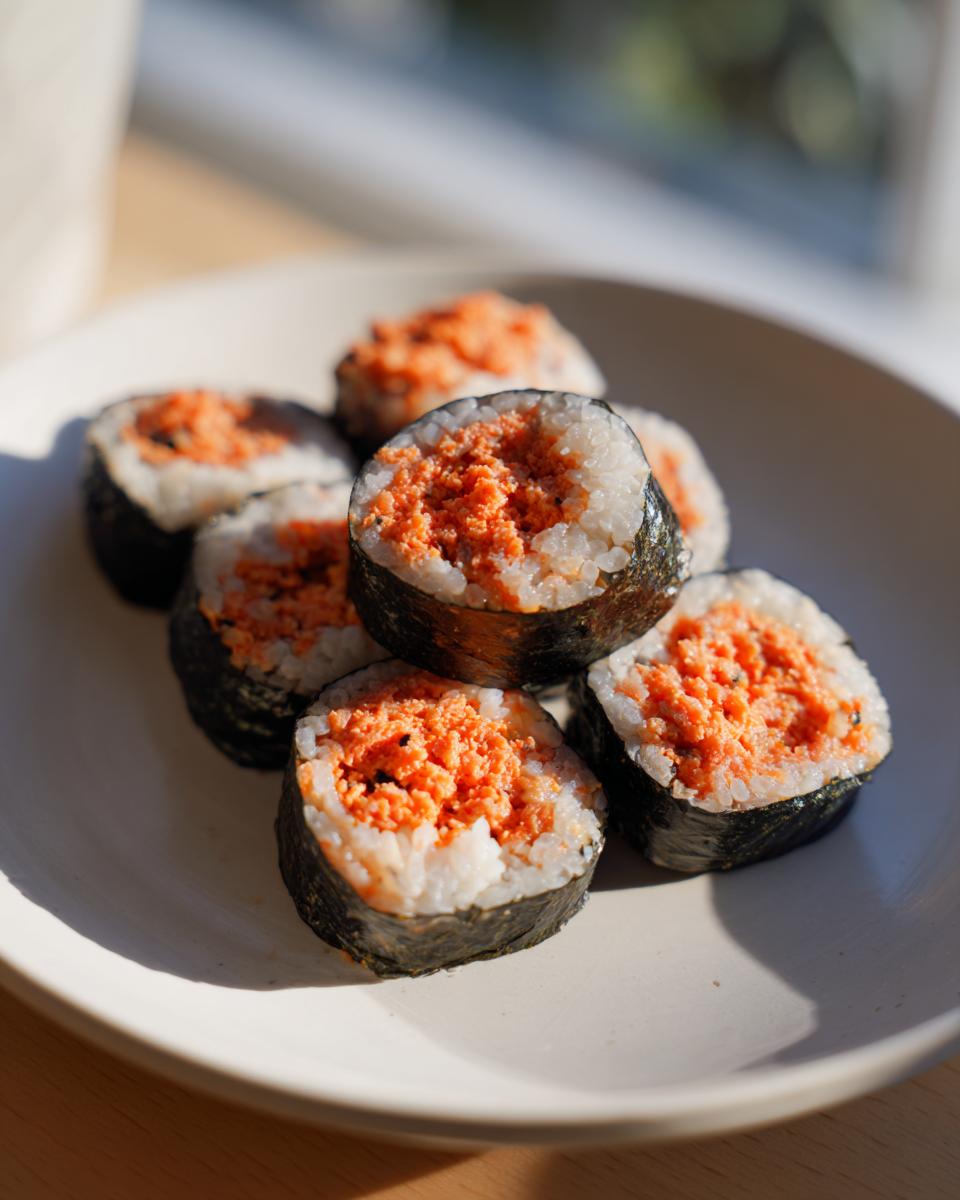
For the Seasoned Rice Base
The rice needs just a little lift to stop it from tasting plain. We only use 2 cups of cooked short grain rice here—that’s the sticky kind, by the way, don’t try this with long grain! Mix it gently with just 1 teaspoon of sesame oil and exactly 1 teaspoon of salt. I keep the sesame seeds separate for garnish on the outside, but feel free to mix a few in if you like.
Creating the Spicy Tuna Filling
This is where the magic happens! You need one can of tuna packed in oil (make sure you drain that oil off really well). Then, grab your mayonnaise. If you can find Japanese mayo, like Kewpie, use it—it’s creamier and tangier, which is worth tracking down. Combine the tuna, mayo, 1 tablespoon of Sriracha sauce, and some chopped green onion. If you’re sensitive to heat, start with just a half tablespoon of Sriracha. Remember, we can always add more heat, but it’s hard to take it away!
Step-by-Step: How to Prepare Your Tuna Kimbap
Okay, we have our seasoned rice ready, and that spicy filling is waiting patiently. Now comes the fun part—the rolling! Even if you’ve never made a single one of the homemade Gimbap rolls before, I promise you can master this technique in minutes. The goal here is tightness, so everything stays together when you slice it up. Let’s get rolling!
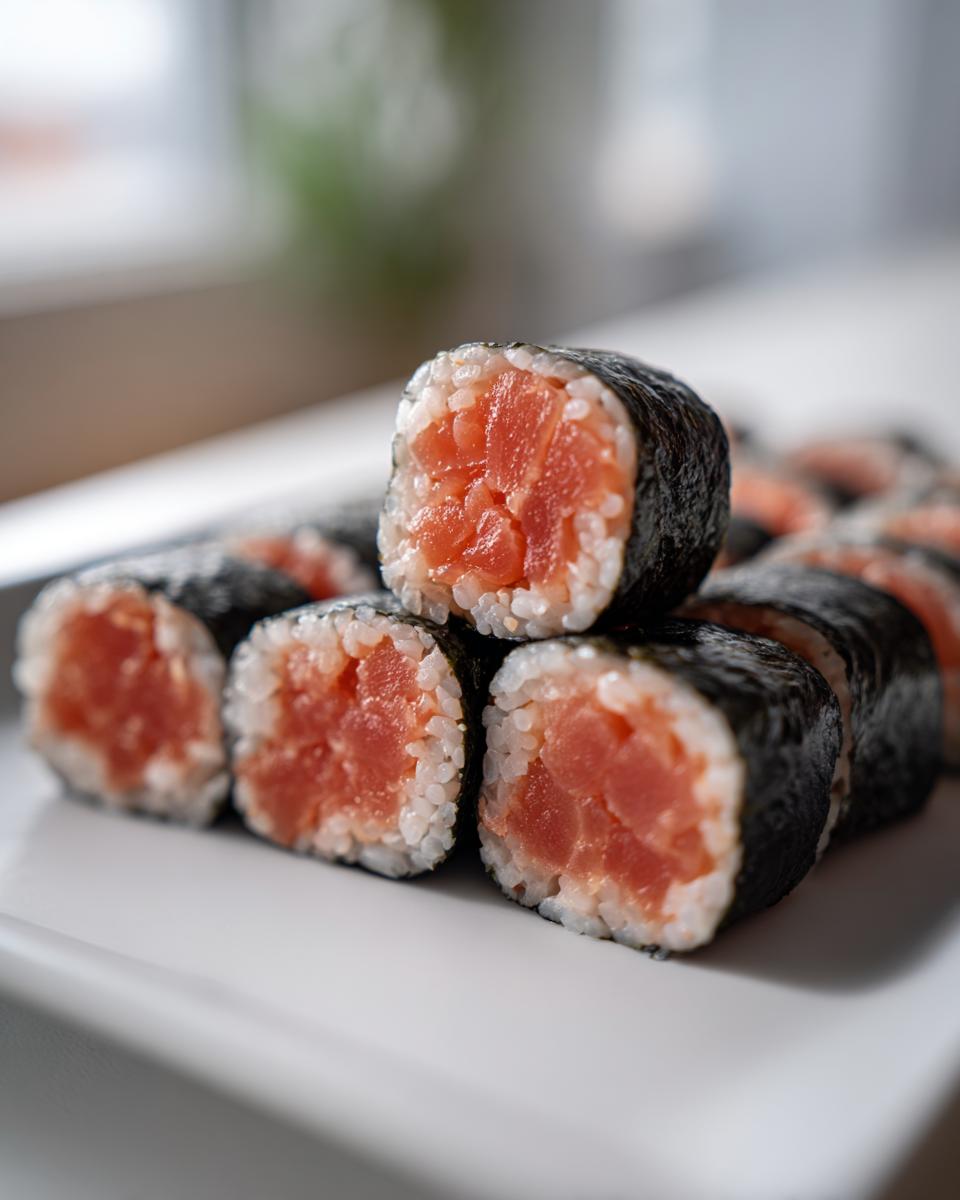
Seasoning the Rice for Perfect Tuna Kimbap
First things first: the rice. You absolutely need your short-grain rice to be warm, not piping hot and not cold from the fridge. Warm rice sticks together way better. Take your 2 cups of rice and gently fold in that measured salt and 1 teaspoon of sesame oil. I mean gently. If you stir vigorously, you’ll break the grains and end up with sticky rice glue instead of perfect, seasoned rice for your tuna kimbap. Just a few light folds with a spatula until everything looks evenly coated is all it takes.
Assembling and Rolling Your Homemade Gimbap
Lay out your bamboo mat and place one sheet of the roasted seaweed—shiny side down, always! If you managed to grab those perilla leaves, lay one right on top of the seaweed now. Next, take about half a cup of your seasoned rice and spread it evenly over about two-thirds of that sheet. You must leave about an inch clear at the top edge; that’s the seal! Spoon your spicy tuna mixture right down the center line of the rice. Now, lift the edge of the mat closest to you and use your fingers to secure the filling, then tuck and roll as tightly as you can, pressing down along the way. You want a nice, dense log when you’re done wrapping up your Korean seaweed rolls!
Tips for Perfect Tuna Kimbap Rolling and Slicing
Okay, you’ve got your gorgeous log of tuna kimbap! Now comes the part that trips up so many folks when they try this at home—the slicing. If your knife drags or sticks, your beautifully rolled homemade Gimbap turns into mush. We don’t want mush! This is exactly where the little tricks I learned make all the difference between a clumsy roll and a professional-looking snack perfect for the lunch box.
Techniques for Cleanly Slicing the Tuna Kimbap
The secret weapon here isn’t sharpness, it’s water! The provided notes mention this, and I stick by it: keep a small bowl of water right next to your cutting board. Before every single slice of your canned tuna rolls, dip your sharp knife in the water and wipe off the excess. That little bit of moisture prevents the rice from clinging to the blade. Slice through with a quick, downward press rather than sawing back and forth. This ensures those clean, appealing rounds that make this dish perfect for picnic food ideas Korean style!
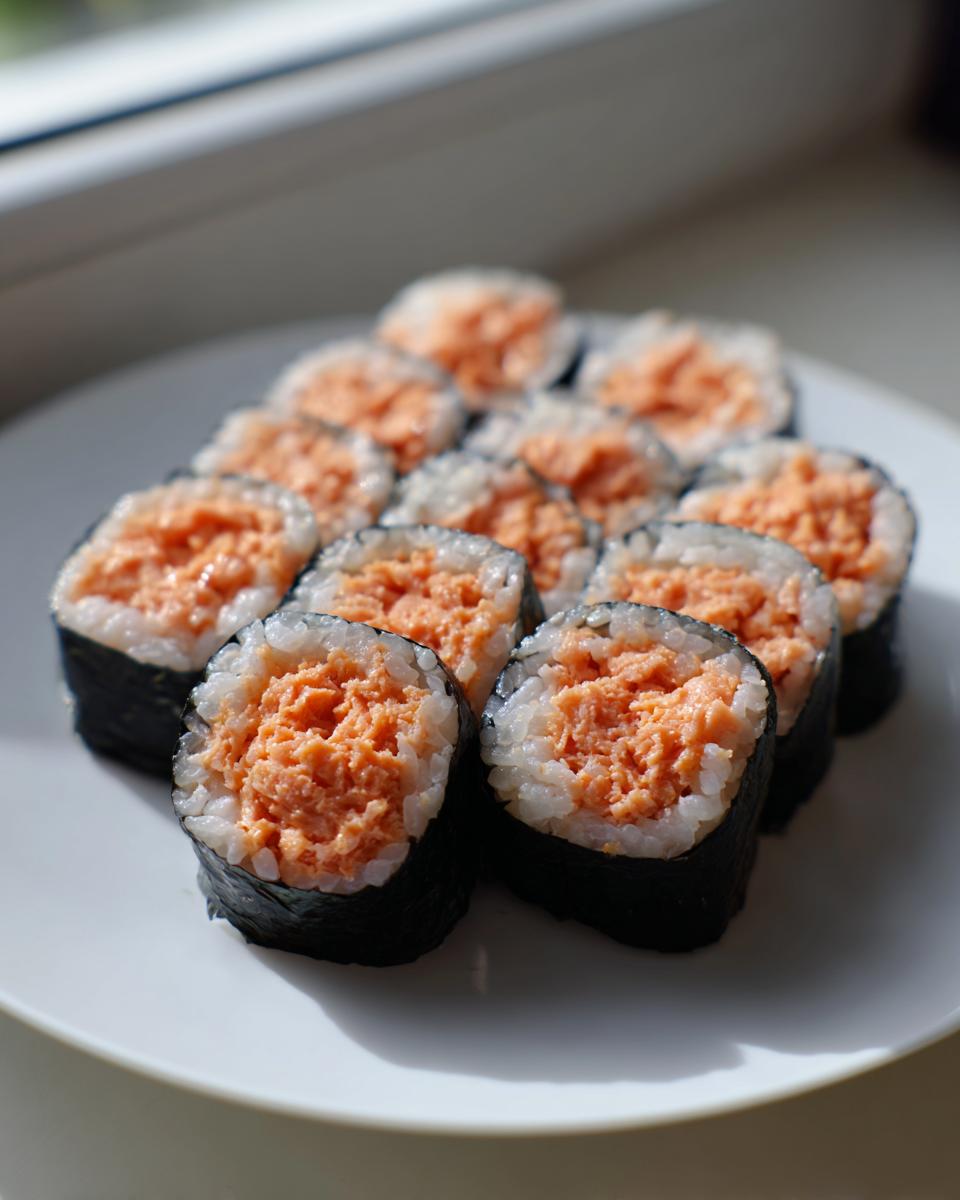
Ingredient Notes and Substitutions for Tuna Kimbap
My whole philosophy here at Taste This Plate is that great food starts with ingredients you can actually find, and that goes double for something as quick as tuna kimbap. We aren’t asking you to hunt down obscure Korean pantry items! While I gave you the perfect lineup, I know sometimes you have to make do with what you have on hand, so let’s talk substitutions.
The mayonnaise choice is probably the biggest one. I strongly suggested Japanese mayonnaise, usually Kewpie, because its higher egg yolk content gives you that incredibly rich, slightly tangy creaminess that makes the spicy tuna filling pop. If you only have standard American mayonnaise, go ahead and use it! Seriously, don’t let that stop you from making this. You might just need to add an extra tiny squeeze of lemon juice or a dash of rice vinegar to mimic that tang Kewpie naturally brings.
What about those beautiful perilla leaves? They’re traditional in some styles of Korean seaweed rolls and add a faintly minty, earthy flavor that is amazing. But if you can’t find them, no sweat! Just skip it. Or, if you want that crunch element that some folks put in their rolls, like cucumber, a very thin, peeled slice of cucumber placed right where the perilla leaf would go works beautifully as a substitute.
Remember, this is a highly versatile roll. Whether you are putting together bento box filler recipes or just grabbing a quick snack, flexibility in the ingredients only makes the recipe better for your life!
Storage and Make Ahead Kimbap Tips
One of the best things about this tuna kimbap is how perfectly it travels. It truly is one of the best bento box filler recipes out there, and it holds up wonderfully for picnics or packed lunches. You want to prepare these canned tuna rolls the day you plan to eat them if possible, because the rice texture changes the most overnight.
If you must make them ahead of time, roll them up and keep them wrapped tightly in plastic wrap at cool room temperature—think outside the fridge if your kitchen isn’t too hot! Rice tends to dry out and harden quickly when refrigerated, and we absolutely want to avoid crunchy, stiff seaweed rice wraps. If you do need to keep them longer than a few hours, wrap each roll individually and store them in an airtight container in the coldest part of your fridge. Just let them sit out on the counter for about 20 minutes before slicing to let the rice soften up a tiny bit. They are still delicious, but that fresh-out-of-the-wrapper texture is just unbeatable for those picnic food ideas Korean style!
Serving Suggestions for Your Tuna Kimbap Meal
So, you’ve mastered the roll! Congratulations on making fantastic tuna kimbap. These Korean seaweed rolls are technically a complete meal on their own, which is why they shine so brightly as a quick lunch or picnic star. But you know me—every great dish deserves a great partner on the plate, even if that partner is simple and requires zero extra cooking.
Since our spicy tuna filling brings a wonderful creaminess and a kick of heat, we want things alongside the kimbap that either cool things down or add a contrasting tang. Luckily, Korean cuisine is built on these perfect side pairings!
First up: the dipping sauce debate. While many people eat plain kimbap plain, or just with a side of kimchi, this spicy Chamchi Kimbap is just begging for something salty and savory. I usually whip up a super simple mix: it’s just a splash of soy sauce mixed with a tiny bit of apple cider vinegar. It gives you brightness without overwhelming that delicious Sriracha flavor we worked so hard on in the filling.
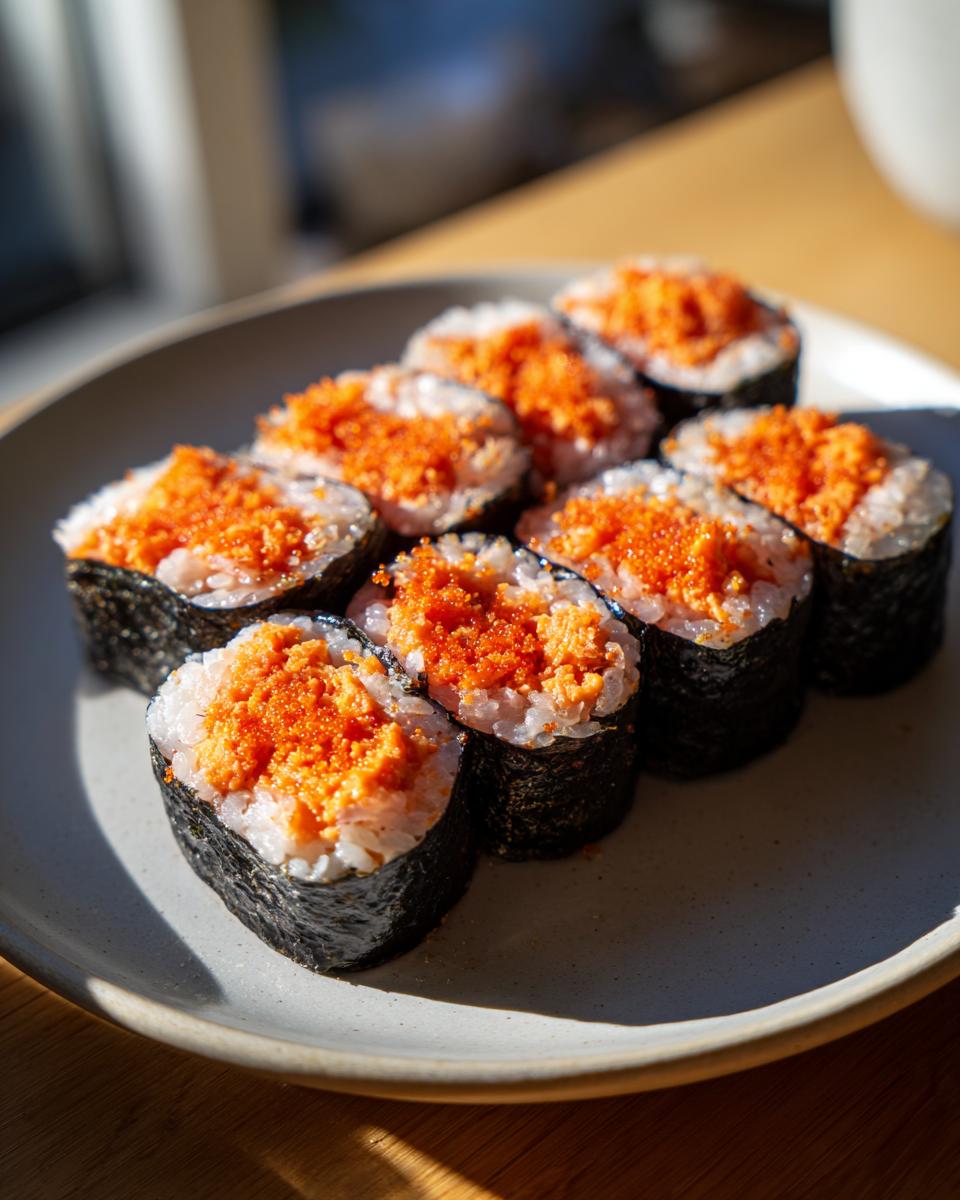
Alternatively, if you are looking to use up some refrigerated items, a small bowl of store-bought pickled radish or some sliced carrots with a light dressing works wonderfully. If you need a simple salad dressing recipe to mix up some quick greens on the side, check out my thoughts on balancing flavors here: best homemade salad dressing recipes.
But honestly? If you have a small jar of kimchi nearby, stop reading right now, open them up, and enjoy that tangy, crunchy contrast alongside your easy Kimbap recipe. It’s the classic pairing for a reason—it just works!
Frequently Asked Questions About Making Tuna Kimbap
It’s totally normal to have questions when you start rolling, especially if this is your first Chamchi Kimbap tutorial! Making tuna kimbap is straightforward, but sometimes you just need that reassurance that you’re on the right track. I pulled together the questions I hear most often from folks trying this quick Korean staple for the first time.
What kind of rice works best for tuna kimbap?
You absolutely must use short-grain rice—sometimes labeled as sushi rice. This is crucial! Short-grain rice has the right level of starch that makes it sticky enough to hold together when cooked and seasoned. If you use long-grain rice, like Basmati or Jasmine, it won’t stick properly once you start rolling, and your beautiful seaweed rice wraps will just fall apart. Stick to short-grain, and you’ll have perfect structural integrity.
Can I make this recipe non-spicy?
Of course! This is your kitchen, and you make the rules. While I love the kick from the Sriracha in the spicy tuna filling, not every meal needs heat, especially if you’re making these for little ones or friends who prefer milder flavors. To make it non-spicy, just skip the Sriracha completely. You still get wonderful flavor from the Kewpie mayo and the sesame oil on the finished roll. It turns into a classic, creamy canned tuna roll that is just as satisfying!
Do you have tweaks you made to the filling? Did you add extra crunch? Let me know how your first attempt at making this easy Kimbap recipe went in the comments below!
Sharing Your Home Cooking Success
And just like that, we’ve conquered the assembly line and created some fantastic, quick tuna kimbap! Now comes the part I love most: hearing about your kitchen triumphs. My mission here at Taste This Plate is to take those recipes that seem intimidating—like rolling seaweed rice rolls—and prove to you they are totally simple and accessible for your everyday table.
I really want to know how this easy Kimbap recipe worked for you! Did you manage to finish the whole thing in 15 minutes? Was the spicy tuna filling just the right amount of heat for your family? Please, please jump down to the comments section and leave a star rating and a note for other home cooks who might be nervous about trying their first roll.
If you snap a picture of your finished Chamchi Kimbap—maybe it’s packed neatly in a bento box or served up for a fast dinner—I’d love to see it! Feel free to reach out through the contact page here: send me a note. Tagging us in your home cooking adventures shows everyone that making something wonderful doesn’t have to be complicated. Happy cooking, everyone!
PrintThe Easiest 15-Minute Spicy Tuna Kimbap (Chamchi Kimbap)
Make quick, flavorful Korean seaweed rice rolls using canned tuna. This recipe is beginner friendly and perfect for fast lunches or picnics.
- Prep Time: 10 min
- Cook Time: 5 min
- Total Time: 15 min
- Yield: 4 servings 1x
- Category: Main Course
- Method: Rolling
- Cuisine: Korean
- Diet: Vegetarian
Ingredients
- 4 sheets roasted seaweed (nori or gim)
- 2 cups cooked short grain rice, warm
- 2 teaspoons sesame oil, divided
- 1 teaspoon salt
- 1 (5.3 oz) can tuna in oil, drained
- 2 tablespoons Japanese mayonnaise (Kewpie preferred)
- 1 tablespoon Sriracha sauce (adjust for spice level)
- 1 tablespoon finely chopped green onion
- 4 large perilla leaves (optional, for wrapping)
- 1 teaspoon sesame seeds for garnish
Instructions
- Prepare the seasoned rice: In a bowl, combine the warm cooked rice, 1 teaspoon of sesame oil, salt, and sesame seeds. Mix gently until the seasoning is evenly distributed. Set aside.
- Make the spicy tuna filling: In a separate bowl, combine the drained canned tuna, mayonnaise, Sriracha sauce, and chopped green onion. Mix until you have a uniform, creamy filling.
- Prepare the seaweed sheets: Lay one sheet of seaweed, shiny side down, on a bamboo rolling mat. If using perilla leaves, place one leaf on top of the seaweed sheet.
- Spread the rice: Spread about half a cup of the seasoned rice evenly over two-thirds of the seaweed sheet, leaving a 1-inch border at the top edge.
- Add the filling: Place one-quarter of the spicy tuna mixture in a horizontal line across the center of the rice.
- Roll the kimbap: Starting from the edge closest to you, lift the mat and tightly roll the seaweed over the filling. Press gently to seal the edge.
- Coat and slice: Brush the outside of the finished roll lightly with the remaining 1 teaspoon of sesame oil and sprinkle with sesame seeds. Use a sharp, damp knife to slice the roll into bite-sized pieces. Repeat with the remaining ingredients.
Notes
- For easier slicing, lightly dampen your knife blade between cuts.
- If you do not have perilla leaves, you can skip them or substitute with a thin slice of cucumber for crunch.
- This tuna kimbap is excellent for make ahead bento box filler recipes.
Nutrition
- Serving Size: 1 roll section
- Calories: 250
- Sugar: 2
- Sodium: 350
- Fat: 10
- Saturated Fat: 2
- Unsaturated Fat: 8
- Trans Fat: 0
- Carbohydrates: 30
- Fiber: 1
- Protein: 12
- Cholesterol: 25