


When you think of real comfort food, you probably think of something warm, utterly satisfying, and made with the fewest ingredients possible, right? That’s exactly what we are diving into today with my take on irish potato farls. Forget fussy bread-making! These rustic potato cakes are a staple up north for a reason—they are incredibly easy to whip up, especially when you have some leftover mash sitting in the fridge. This recipe follows Kate’s philosophy perfectly: simple ingredients, reliable results every single time. We’re ditching the complexity and focusing on achieving that perfect balance: crispy on the outside and tender inside. It’s a traditional Irish classic ready in under 30 minutes, trust me, you’re going to love how quickly these come together. If you want to know more about our simple approach to reliable cooking, check out our story here!
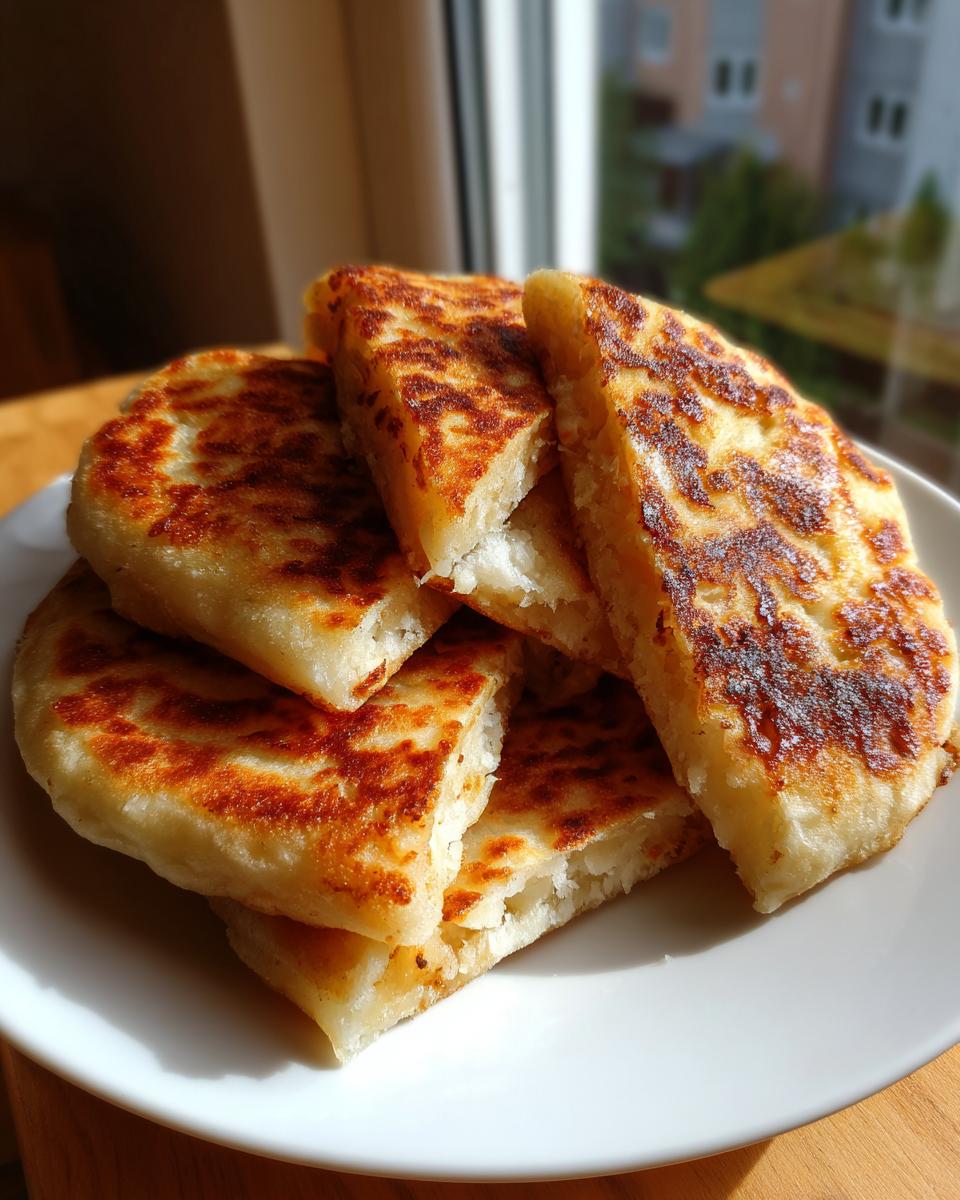
- Why This Homemade Farls Recipe Delivers Authentic Irish Potato Farls
- Essential Ingredients for Traditional irish potato farls
- How to Make Potato Farls: Step-by-Step Instructions for Authentic irish potato farls
- Tips for Success When Making Homemade Farls Recipe
- Serving Suggestions for Traditional Irish Breakfast Side
- Storing and Reheating Your Potato Griddle Cakes
- Frequently Asked Questions About irish potato farls
- Nutritional Estimates for Simple Mashed Potato Recipe Farls
- Share Your Traditional Northern Irish Food Creations
Why This Homemade Farls Recipe Delivers Authentic Irish Potato Farls
When I first started playing around with these, I honestly thought they would be tricky, but that’s the beauty of Authentic Irish Potato Bread—it’s pure magic from humble beginnings. The absolute secret, the thing that keeps these from becoming a gooey disaster, is using cold, plain mashed potatoes. I know, it sounds odd, but it works! It helps absorb the flour without making the dough sticky right away. Because we aren’t waiting for yeast to bloom or dough to rise, this is a genuinely fast recipe. You are looking at about 22 minutes total from start to finish, making it an amazing Quick Breakfast Potato Recipe for busy mornings.
If you are looking for reliable, quick comfort food that truly tastes like it came straight from a traditional Irish griddle, you are in the right spot. You can find more of our fast and simple ideas over on our Breakfast & Brunch page!
Quick Facts: Perfecting Your irish potato farls
- Prep Time: 10 min
- Cook Time: 12 min
- Yield: 4 servings
Essential Ingredients for Traditional irish potato farls
Getting the ingredients right is half the battlefield won when making these classic irish potato farls. I’m going to list exactly what you need below, down to the last measure. We need precision here so we don’t end up with batter instead of dough!
- 2 cups cold mashed potatoes (plain, no milk or cream added)
- 1 cup all-purpose flour
- 2 tablespoons unsalted butter, melted
- 1/2 teaspoon salt
- Extra flour for dusting
- Butter or oil for frying
Ingredient Notes and Substitutions for Potato Farls
Okay, let’s talk about those potatoes. You absolutely must use cold, leftover mashed potatoes, and I mean plain! If you accidentally use mash that has milk, cream, or even a ton of butter mixed in, the dough becomes too wet. You’ll throw in so much extra flour just trying to manage the stickiness that you lose the soft center that makes great irish potato farls. Trust me, hot or creamy mash equals a sticky situation you don’t want to deal with when aiming for that authentic flavor!
How to Make Potato Farls: Step-by-Step Instructions for Authentic irish potato farls
Now for the fun part! Turning that slightly sticky raw dough into gorgeous, ready-to-eat irish potato farls is really fast. Remember, we are making a rustic bread here, so we want to handle it gently. The goal is to bring everything together without overworking it, which is what makes these potato griddle cakes tough instead of tender.
First things first, put those cold mashed potatoes into your bowl. Add in your cup of flour, the salt, and that melted butter. Now, mix everything slowly by hand. You want to mix just until you see a soft dough start to form—it’ll still look a little shaggy when you stop. Don’t try to make it perfectly smooth in the bowl!
Dust your counter surface—a bit more flour here goes a long way to keep things from sticking! Turn your shaggy dough onto the surface and pretend you’re handling a delicate pastry. Knead it gently, but quickly, for just about 60 seconds until it looks cohesive. That’s it for kneading! Don’t keep going, or you’ll activate too much gluten.
You can find more fantastic side dish ideas here if you’re planning a full meal!
Forming and Cutting Your Crispy Potato Flatbread
Once you have that unified dough ball, it’s time to shape it. Pat the dough out with your hands or use a rolling pin until it’s about half an inch thick all the way around. This thickness is super important because it dictates how crispy the outside gets versus how soft the inside stays when you cook your irish potato farls.
Next, take a sharp knife or even a bench scraper and cut that circle into four equal wedges. Those wedges are your classic farls shape! If you want perfect circles instead, just use a large biscuit cutter. Make sure you dust the cutting surface so nothing drags as you slice.

Pan-Frying Technique for Golden irish potato farls
Time to hit the heat! Get a dry skillet or your griddle warming up over medium heat. Traditionally, we cook these dry, but if you want a slightly richer brown and crispier edge, feel free to add a tiny slick of butter or oil. Once the pan is hot, place your farls down. Don’t overcrowd the pan, give them space to breathe!
Let them cook undisturbed for about four to six minutes on the first side. You are looking for a gorgeous golden brown color—that’s your signal! They should feel slightly crisp when you gently tap them. Flip them over and cook the second side for another four to six minutes until they match the first. Remove them right away and get ready to dig in!
Tips for Success When Making Homemade Farls Recipe
I’ve made enough batches of these irish potato farls to know exactly where people sometimes run into trouble. But don’t worry, these little nuggets of wisdom will make your batch absolutely perfect. Remember how I said not to overmix the dough? That’s tip number one! Once the flour is incorporated and you’ve only gently kneaded it for that minute until it holds together, stop. If you beat the dough like you’re making pizza crust, the potato starch gets tough, and your farls will be chewy, not tender.
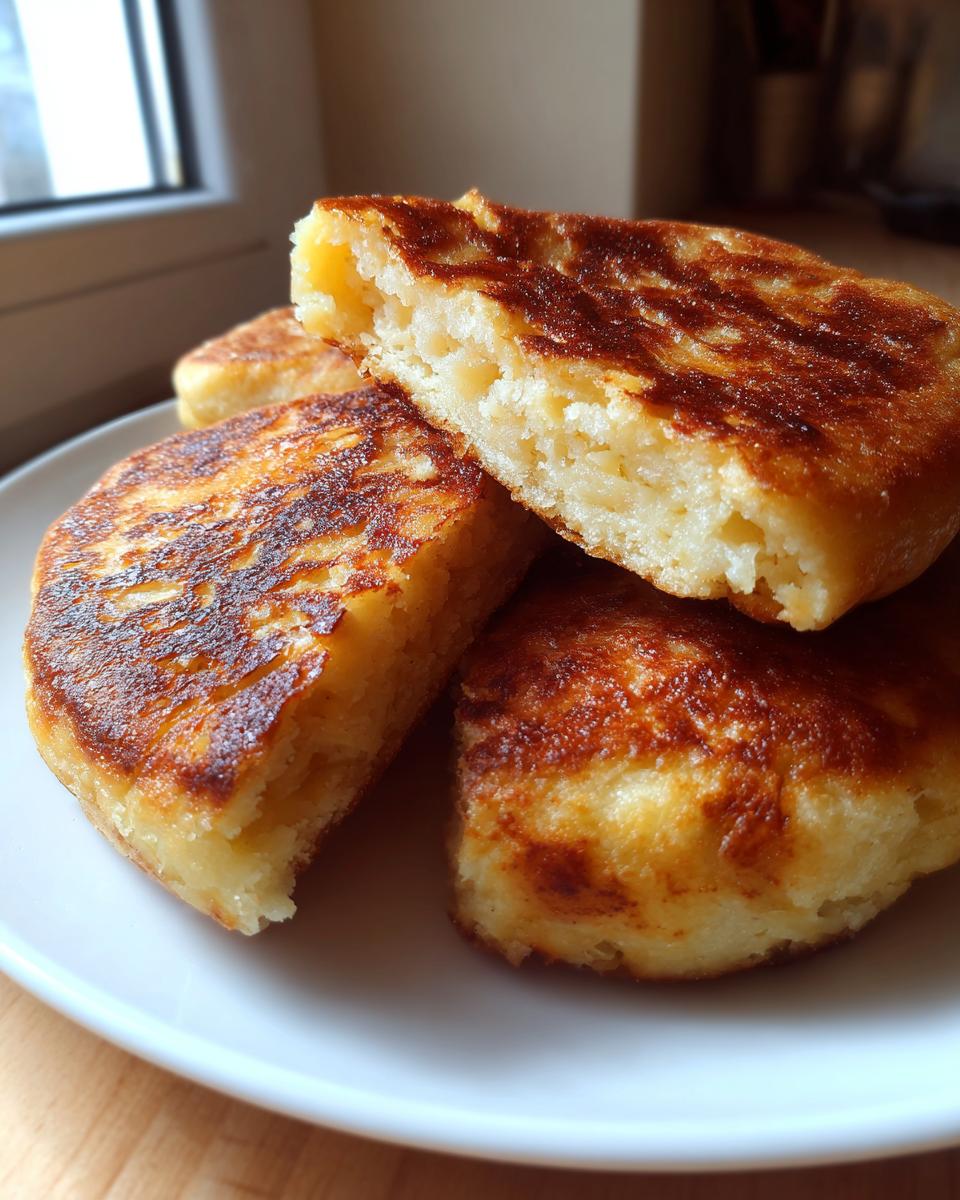
For achieving that beautiful, crispy exterior you see in all the best photos—the ones that look like true Homemade Farls Recipe perfection—the key is the pan temperature. Medium heat is your friend. If it’s too low, the farl just sits there, absorbing oil and getting soggy. If it’s scorching hot, the outside burns before the inside warms through. Medium heat allows that crust to develop slowly and evenly while the center steams just right.
Another thing: Serve these immediately! These are meant to be eaten fresh off the griddle. They are still great later, yes, but nothing beats that first bite when the exterior is shatteringly crisp and the inside is piping hot and fluffy. They lose that initial textural contrast as they sit.
If you’re looking for a great side dish to go along with these, you absolutely have to try our recipe for Garlic Parmesan Potatoes—though maybe skip the actual mashing and use those as your base next time!
Serving Suggestions for Traditional Irish Breakfast Side
So, you’ve got your stack of beautiful, warm, golden irish potato farls fresh off the griddle—what do you do now? Honestly, you could just eat them plain, straight from the skillet, and be perfectly happy because they are that good! But these aren’t just standalone snacks; they are the centerpiece, the workhorse, of a truly amazing breakfast.
The most common way you’ll see these served, especially if you’re aiming for a proper spread, is alongside a full fry-up. Think about it: crisp bacon, maybe some traditional Irish sausage, and a perfectly fried or scrambled egg. The slightly savory, starchy farl holds up so well against the seasoned meat and rich yolk. It’s the ultimate way to start your day, or to cure any lingering worries!

If you’re not going full-fry, don’t worry! A thick smear of good quality salted butter that melts right into the crispy edges? Perfection. Or maybe you’re feeling a bit sweeter? A dollop of raspberry jam or a homemade marmalade works wonders, too. The simple combination of potato, fat, and fruit/sweetness is just classic comfort food.
And of course, we can’t talk about potato farls without mentioning St. Patrick’s Day! These slices are the absolute best thing to grace your table on March 17th. They make any Traditional Irish Breakfast Side feel instantly more authentic and special. We often make a huge batch and eat them throughout the morning as people trickle in for the celebrations.
If you’re looking for other fun, slightly lighter brunch additions, you should check out my recipe for Cottage Cheese Egg Cups—they pair beautifully with the heartiness of the potato farl without weighing you down too much!
Storing and Reheating Your Potato Griddle Cakes
So, you made a huge batch of these amazing irish potato farls—good for you! They are so quick that sometimes you just end up with extras. The good news is that these store surprisingly well, but you do need to treat them right so they don’t turn into sad, soggy things the next day. Since these Easy Potato Farls don’t have anything acidic or leavening in them, they hold up nicely in the fridge.
When you are done cooking, you have to let them cool down completely first. No warming cakes or even lukewarm cakes into a container, or you will steam them, and bye-bye crispness! Once totally cool, tuck them into an airtight container. They usually last great in the refrigerator for about three days. They freeze beautifully too, which is fantastic if you want to make a massive batch for St. Patrick’s Day planning ahead!
Now, the reheating part is what brings them back to life. Please, for the love of all things good and Irish, avoid the microwave if you can. Seriously, that heat traps the moisture right back inside and turns your beautiful farl into chewy potato mush. That’s not what we want for our Potato Griddle Cakes!
The absolute best way to reheat them is right back where they started: a hot, dry skillet or griddle. You don’t need extra fat unless you want an extra-crispy edge, but often the little bit of fat left from the first fry is enough heat them up and crisp the outside again. Put them over medium heat for just a couple of minutes per side until they are hot all the way through and you hear that faint little crunch when you press on them. They will taste just as good as when they first came off the pan!
Frequently Asked Questions About irish potato farls
It’s totally normal to have a few questions pop up when you’re trying a new traditional recipe, especially one like these irish potato farls! Since we want yours to turn out perfect—that crispy-on-the-outside, soft-on-the-inside magic—I’ve collected the questions I get asked most often about this Easy Potato Farls method.
Can I use leftover mashed potatoes that contain milk or cream?
This is probably my number one question! Ideally, no, you really shouldn’t use mashed potatoes that already have milk, cream, or tons of butter mixed in. Why? They introduce too much moisture right at the start. We need that flour to absorb liquid, but if the mash is already soupy from dairy, you have to add a huge amount of extra flour just to get the dough to come together. That extra flour ruins the texture we are aiming for in Authentic Irish Potato Bread, making the farls dense and heavy instead of light. If that’s all you have, start with less flour than the recipe calls for, add slowly, and just know they might not be as nicely textured as the ones made with plain mash.
What is the difference between a farl and a potato cake?
That’s a great distinction to make when talking about Pan Fried Potato Cakes! Technically, in Ireland, a ‘farl’ refers to the shape—it means a quarter section of a round loaf. If you roll out your dough into one big circle and cut it into four wedges, those wedges are the farls. Potato cakes can be any shape, often just round discs, and sometimes they are made from totally different kinds of potato mixtures. But when you follow this recipe, you are making traditional Irish fare, so whether you call them wedges or cakes, they are definitely farls!
Can I use instant mashed potatoes?
Listen, if you are in a real pinch, yes, you *can* use those flakes, but please don’t make it your standard practice! Instant mash doesn’t have the same starch structure as real potatoes. It tends to absorb liquid differently and often results in a slightly tougher or drier texture in the final Homemade Farls Recipe. If you use them, hydrate them minimally—add just enough hot water to make them look mashed, then let them cool completely before mixing in the flour and butter. They just won’t have the same comforting, hearty flavor, but they will work in a true emergency!
What should my frying temperature be?
For the best result as a Traditional Irish Breakfast Side, you want medium heat on your skillet or griddle. If the heat is too high (like medium-high), the outside will burn to a black crisp before the inside has a chance to properly heat up and steam open a bit. If it’s too low, they just soak up butter and look pale and oily. Medium heat gives you that perfect golden-brown crust in about 5 minutes per side without drying out the center!
Nutritional Estimates for Simple Mashed Potato Recipe Farls
When you’re eating something this wonderfully comforting, you probably aren’t thinking about macros, but I know some of you are curious! Since these irish potato farls made with our Simple Mashed Potato Recipe base are so straightforward—just potatoes, flour, and butter—the numbers aren’t scary at all. We’re keeping things rustic, not heavy.
Here is a general breakdown of what you can expect per single farl. Remember, this is just a guideline, because if you use less butter when frying, your numbers go down! And if you use extra butter in the dough, well, they go up a little!
- Serving Size: 1 farl
- Calories: 220
- Fat: 6g
- Saturated Fat: 3.5g
- Carbohydrates: 38g
- Fiber: 2g
- Sugar: 0.5g
- Protein: 5g
- Sodium: 150mg
I have to give you my usual little disclaimer here, folks. These are just estimates based on the standard ingredients called for in the recipe. If you swap out full-fat butter for a lighter option, or if your leftover mash potatoes had ingredients I don’t know about, these numbers will change! But overall, this is a fantastic, satisfying, and relatively balanced way to start your morning or enjoy your Traditional Irish Breakfast Side.
Share Your Traditional Northern Irish Food Creations
Well, that’s it! You’ve made the most wonderful, golden, and comforting irish potato farls. Now comes the part where you show off your creation! We absolutely love hearing how these recipes turn out in your kitchens. Did they come out perfectly crispy? Did you pile them high with bacon and egg? Don’t keep all that goodness to yourself!
Please, take a moment to come back here and click those five little stars to let me know how your batch went. A rating really helps other cooks trust that this Traditional Northern Irish Food recipe is the real deal. If you have any little tweaks or stories you discovered while making these, leave a comment below! I read every single one, and hearing your experiences inspires the next recipe adventure.
And if you snapped a picture of your gorgeous, pan-fried potato cakes sitting next to a hot cup of tea, I want to see it! Tag us on social media when you share your breakfast spread. It’s so much fun seeing how our community brings these simple, traditional recipes to life. If you need to reach out directly with a quick question or suggestion, you can always find the contact form right here on our contact page. Happy cooking, everyone!
PrintAuthentic Irish Potato Farls: Quick Pan-Fried Potato Bread Recipe
Make traditional Irish Potato Farls using mashed potatoes, flour, and butter. These simple potato cakes are pan-fried until golden brown, offering a crispy exterior and soft center, perfect for a classic Irish breakfast.
- Prep Time: 10 min
- Cook Time: 12 min
- Total Time: 22 min
- Yield: 4 servings 1x
- Category: Breakfast
- Method: Pan-Frying
- Cuisine: Irish
- Diet: Vegetarian
Ingredients
- 2 cups cold mashed potatoes (plain, no milk or cream added)
- 1 cup all-purpose flour
- 2 tablespoons unsalted butter, melted
- 1/2 teaspoon salt
- Extra flour for dusting
- Butter or oil for frying
Instructions
- Place the cold mashed potatoes in a large bowl. If your potatoes are very dry, you may need slightly more butter or a splash of water later.
- Add the 1 cup of flour and salt to the potatoes. Add the melted butter.
- Mix the ingredients by hand until a soft, slightly sticky dough forms. Do not overmix.
- Lightly dust a clean work surface with flour. Turn the dough out onto the surface.
- Knead the dough gently for about 1 minute until it comes together smoothly.
- Pat or roll the dough into a circle about 1/2 inch thick.
- Use a knife or bench scraper to cut the circle into four equal wedges (farls). You can also use a round cutter for traditional round shapes.
- Heat a dry skillet or griddle over medium heat. You can add a small amount of butter or oil if you prefer a richer fry, but traditionally they are cooked dry or with very little fat.
- Place the farls on the hot griddle. Cook for 4 to 6 minutes per side, until they are golden brown and slightly crisp.
- Remove from the heat and serve immediately.
Notes
- Using cold, leftover mashed potatoes works best for achieving the correct texture. Avoid freshly made, hot, or overly wet potatoes.
- For a richer flavor, you can use up to 4 tablespoons of butter in the dough mixture.
- Serve these potato farls warm with butter, jam, or alongside eggs and bacon for a full Irish breakfast experience.
Nutrition
- Serving Size: 1 farl
- Calories: 220
- Sugar: 0.5
- Sodium: 150
- Fat: 6
- Saturated Fat: 3.5
- Unsaturated Fat: 2.5
- Trans Fat: 0
- Carbohydrates: 38
- Fiber: 2
- Protein: 5
- Cholesterol: 10