

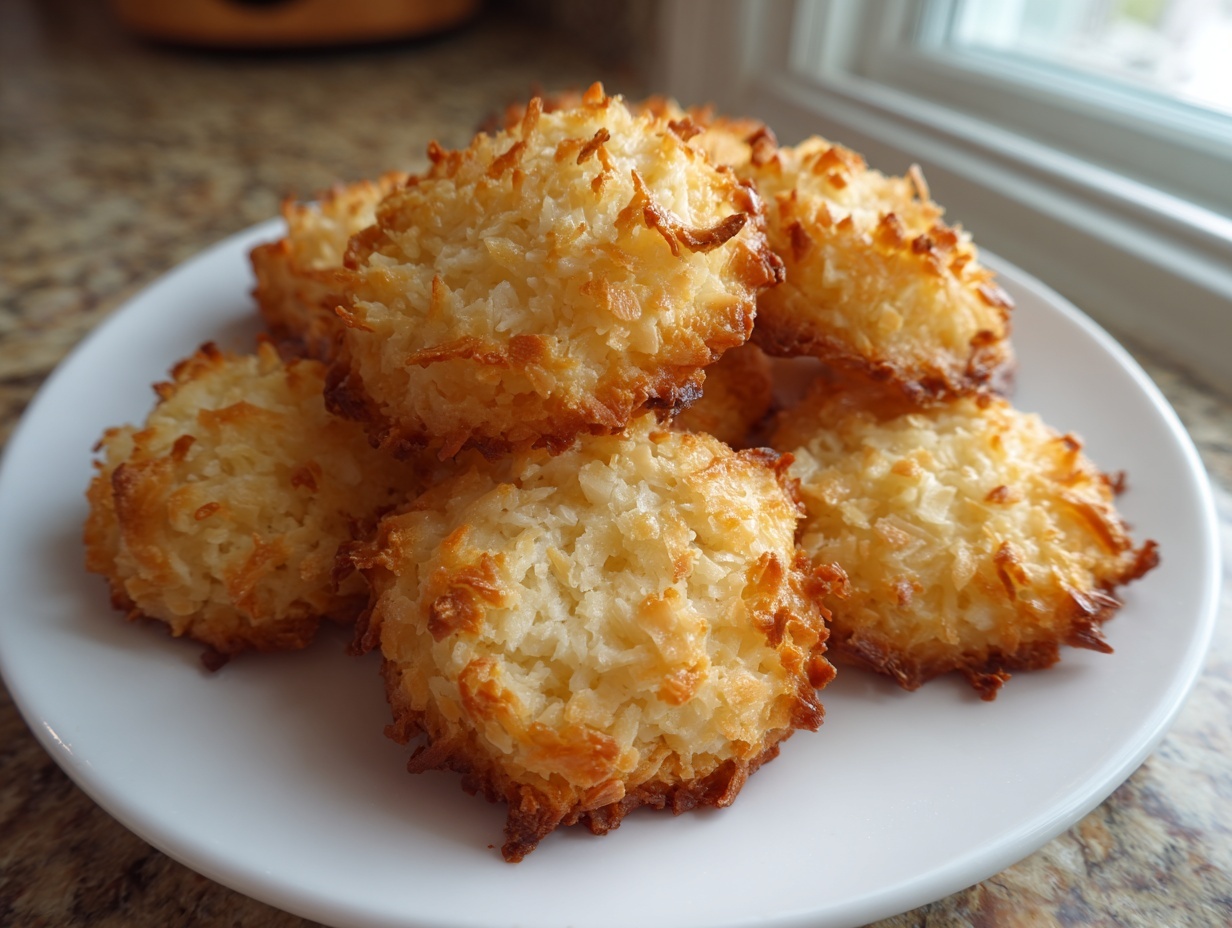
Oh, I know that feeling well! You’re deep into your keto journey—hitting those macros, feeling great—but then the craving for something sweet hits you like a ton of bricks. It doesn’t seem fair, right? That’s why, here at Taste This Plate, my entire goal is taking potentially stressful diets and making them simple and joyful. You shouldn’t need a chemistry degree or specialty flour for a Tuesday afternoon snack. These keto coconut cookies are the answer! They use just a handful of everyday ingredients and have been tested and re-tested here in my kitchen to ensure you get that perfectly chewy, satisfying low-carb texture every single time. Let’s prove a strict diet doesn’t mean zero dessert!
- Why These are the Best Healthy Keto Cookies You Will Make
- Ingredients for Perfect Keto Coconut Cookies
- How to Prepare Your Easy Keto Coconut Bites
- Ingredient Notes and Variations for Your Keto Coconut Cookies
- Storage & Reheating Instructions for Simple Keto Coconut Biscuits
- Troubleshooting Common Issues with Keto Coconut Cookies
- Understanding the Nutrition of Your Keto Coconut Cookies
- Serving Suggestions for Your No Sugar Added Coconut Sweets
- Share Your Experience Making Keto Coconut Cookies
Why These are the Best Healthy Keto Cookies You Will Make
When you’re committed to keto, you need snacks you can trust. These aren’t just ‘okay’ cookies; they are genuinely fantastic, high-impact treats that fit right into your goals. I spent way too much time trying to make crumbly keto cookies before I landed on this perfect, chewy texture. These are special!
- They qualify as true low carb coconut treats—easy to fit into your daily macros!
- They are packed with healthy fats, making them excellent high fat low net carb cookies that actually keep you full.
- The ingredient list is unbelievably short, which is always a win in my book.
Quick Keto Baking with Coconut: Ready in Under 30 Minutes
Seriously, you can’t beat this speed. From gathering ingredients to pulling them out of the oven, we are looking at just 25 minutes total. That means if a craving hits around 3 PM, you can have fresh, warm keto coconut cookies ready before your afternoon meeting is over. I designed this recipe for busy weeknights when you just need a satisfying sugar-free snack fast.
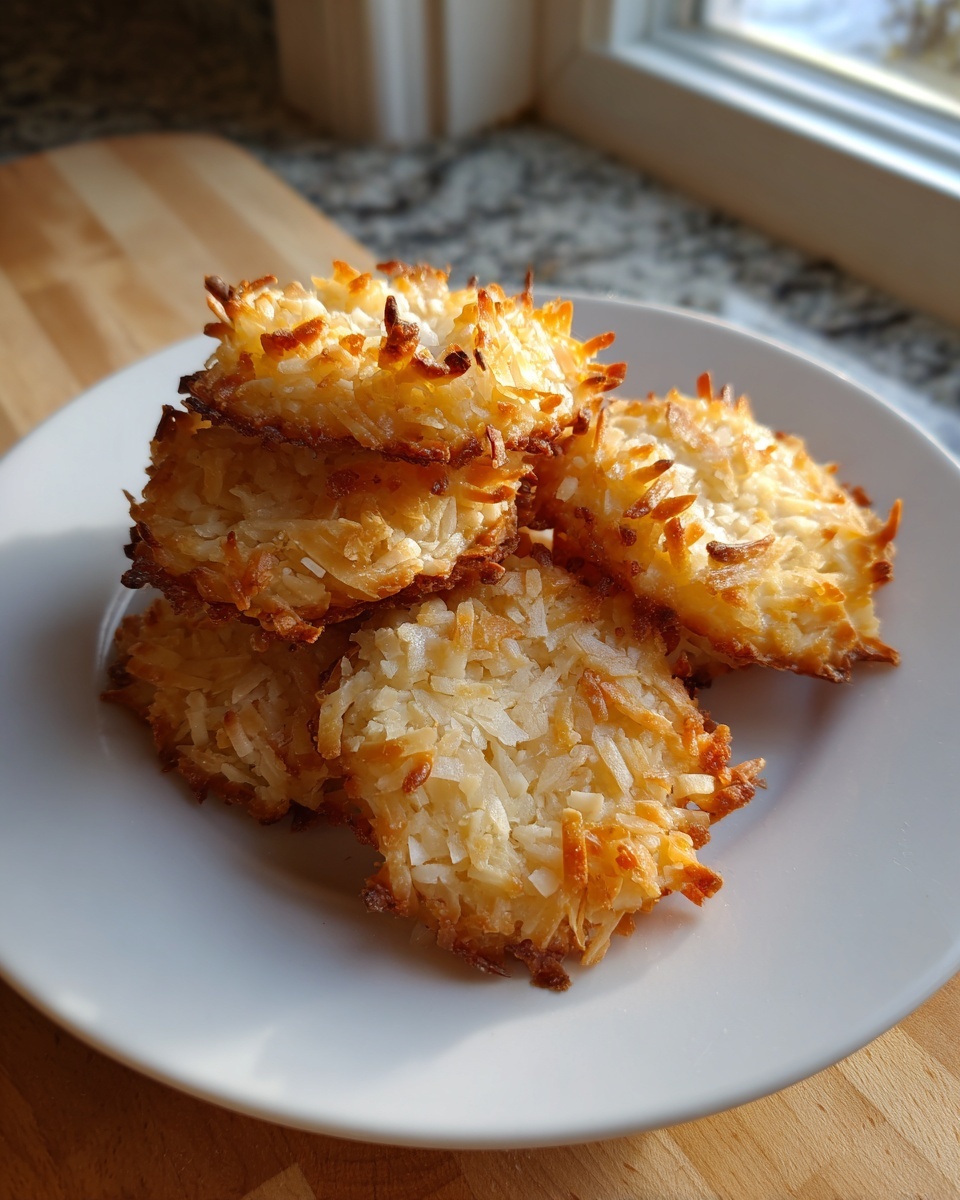
Truly Almond Flour Free Keto Cookies
I know so many of you are specifically looking for recipes that ditch the almond flour because of allergies or just wanting variety. Good news! We use coconut flour here. Now, I know technically coconut is a fruit, not a tree nut, but if you are avoiding nuts entirely, this recipe is perfect as written. We use coconut flour to give the cookies structure instead of relying on almond meal. It creates a slightly different, wonderfully dense crumb.
Ingredients for Perfect Keto Coconut Cookies
Cooking by the book is important, especially when baking keto, because the structural ingredients are so different from traditional recipes. I’ve listed exactly what works perfectly down below. Remember, I tested this batch over and over, so please don’t swap out the coconut flour for almond flour unless you’re following the substitution notes in the next section! Trust me, these ratios are vital for getting that chewy bite.
- 1 cup unsweetened shredded coconut (Make sure it’s unsweetened and packed well!)
- 1/2 cup coconut flour (This is what keeps our carbs low, so measure this carefully.)
- 1/2 cup erythritol or monk fruit blend sweetener (See my notes below on sweetness!)
- 1/4 cup melted coconut oil (It has to be liquid when you add it to the batter.)
- 2 large eggs (Room temperature is often best, but cold is fine if you’re in a rush.)
- 1 teaspoon vanilla extract
- 1/2 teaspoon baking powder (Don’t skip this; it gives a tiny little lift.)
- Pinch of salt (Just a tiny bit to balance all that sweetness.)
Sweetener Choice: Monk Fruit Coconut Cookie Recipe Guidance
When you’re making keto coconut cookies, the sweetener you choose absolutely dictates the final texture. I find that a good quality erythritol or monk fruit blend works best. Why? Because those granular sweeteners mimic the bite and bulk of regular sugar granules, giving the cookie something to hold onto!
If you use liquid stevia or pure monk fruit drops, you lose that bulk, and the cookie might end up flatter or slightly greasy because you won’t have the volume from the granular sweetener. Always check your sweetener bag—some of the powdered replacements measure differently than your standard granulated keto blend. Sticking to a 1:1 replacement ratio for granular sweeteners is the safest bet here for a flawless result!
How to Prepare Your Easy Keto Coconut Bites
Okay, now that we have our beautiful ingredients ready, let’s get baking! When Kate says ‘simple,’ I mean it. You don’t need fancy mixers for these keto coconut cookies. A couple of sturdy bowls and a wooden spoon or spatula will get the job done perfectly fine. Remember that food is about love, but sometimes love needs a very clear, easy roadmap, so here is mine for these fantastic low-carb treats.
First thing, always: get your oven hot and your pan ready! Preheat your oven to 350°F (175°C). I always line my baking sheet with proper parchment paper. This simple step prevents sticking later, which is a major win when dealing with sticky keto doughs.
Mixing Dry and Wet Components for Keto Coconut Cookies
We separate things first—it just makes the mixing process smoother and prevents frustration later. In one medium bowl, toss together all your dry ingredients: the shredded coconut, the coconut flour, your sweetener, the baking powder, and that pinch of salt. Take a minute here to really whisk this mixture. This is my expert tip: Coconut flour loves to clump up, and you want that flour evenly distributed, not hidden in little dry pockets!
In a separate, smaller bowl, whisk together the wet parts: the melted coconut oil, the two eggs, and the vanilla extract. Whisk them until they look nice and unified. You’re looking for a smooth, light yellow liquid.
Now, we combine! Pour the entire wet bowl right into the dry bowl. Stir everything together until you have a very thick dough. Don’t panic—this dough should look sticky and heavy! It doesn’t spread on its own like regular cookie dough. If you’re looking for other super easy recipes, like my no-bake dirt cake, I use similar mixing principles to keep things tidy and clump-free, you can check that one out here.
Baking and Cooling Tips for Chewy Keto Coconut Cookies
Grab a spoon—we are dropping these onto the prepared sheet. Use rounded tablespoons of that thick batter and drop them onto your lined pan, leaving about two inches between each one so they have room to breathe. If you want them a little flatter, just take the back of your spoon and gently press the tops down a tiny bit. They won’t spread much on their own, so you control the final shape!
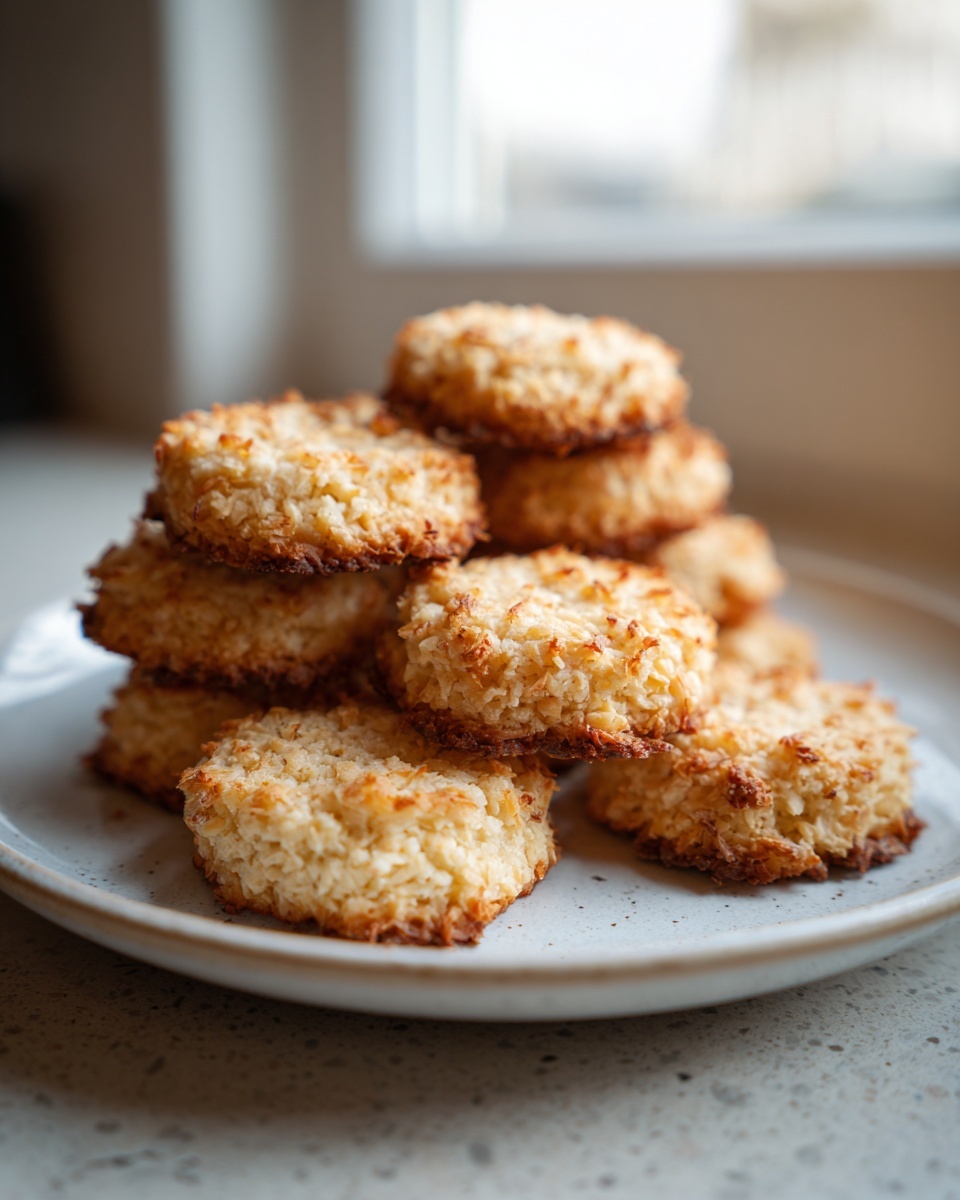
Bake these beauties for about 12 to 15 minutes. You’re looking for the edges to just start glancing golden brown. If you pull them out too early, they’ll be too soft once they cool. If you leave them in too long, they lose that crucial chewiness we worked so hard for.
Here is the most important part! Do not try to move them right away! Let those keto coconut cookies sit right there on the hot baking sheet for a good solid 5 minutes after you pull them out. They are fragile when hot, but that residual heat helps them set up perfectly. After 5 minutes, gently use a thin spatula to move them to a wire rack to cool completely. They firm up beautifully as they stop steaming!
Ingredient Notes and Variations for Your Keto Coconut Cookies
Part of my mission here at Taste This Plate is making sure you feel empowered in the kitchen, and that means being flexible! Dealing with allergies or just wanting to shake things up is normal. I’ve included the substitution notes right into the recipe card, but let’s talk about those specifics because they really affect the final result of our keto coconut cookies.
As noted, these cookies are naturally made without almond flour! Since coconut is technically a drupe, this recipe is fantastic for folks trying to keep tree nuts out of their baking, which is a huge crowd-pleaser. If, for some crazy reason, you absolutely *had* to skip the coconut altogether (I shudder just thinking about it!), you could swap both the coconut flour and shredded coconut for almond flour, but honestly, you’d end up with a completely different cookie recipe. Keep the coconut, trust me!
Also, don’t be afraid to customize the texture slightly. If your dough seems a little crumbly, just add an extra egg yolk for richness. If it feels too wet to drop onto the sheet, stir in one extra tablespoon of coconut flour. These simple adjustments are what turn a standard recipe into *your* favorite recipe.
Making Fat Bomb Coconut Recipe Additions
Sometimes you need a snack that really pushes you toward your fat goals for the day, especially mid-afternoon. If you want to turn these simple keto coconut cookies into something truly decadent, try adding some mix-ins! My favorite modification is tossing in about 1/4 cup of sugar-free chocolate chips right at the end when you mix in the wet and dry ingredients.
Those chips melt just enough while baking to create those delicious pockets of chocolate richness, turning them instantly into a wonderful fat bomb coconut recipe variation. You get that nice sweetness from the coconut and the satisfying richness of the chocolate. It’s so easy, and honestly, who can say no to chocolate added to almost anything?
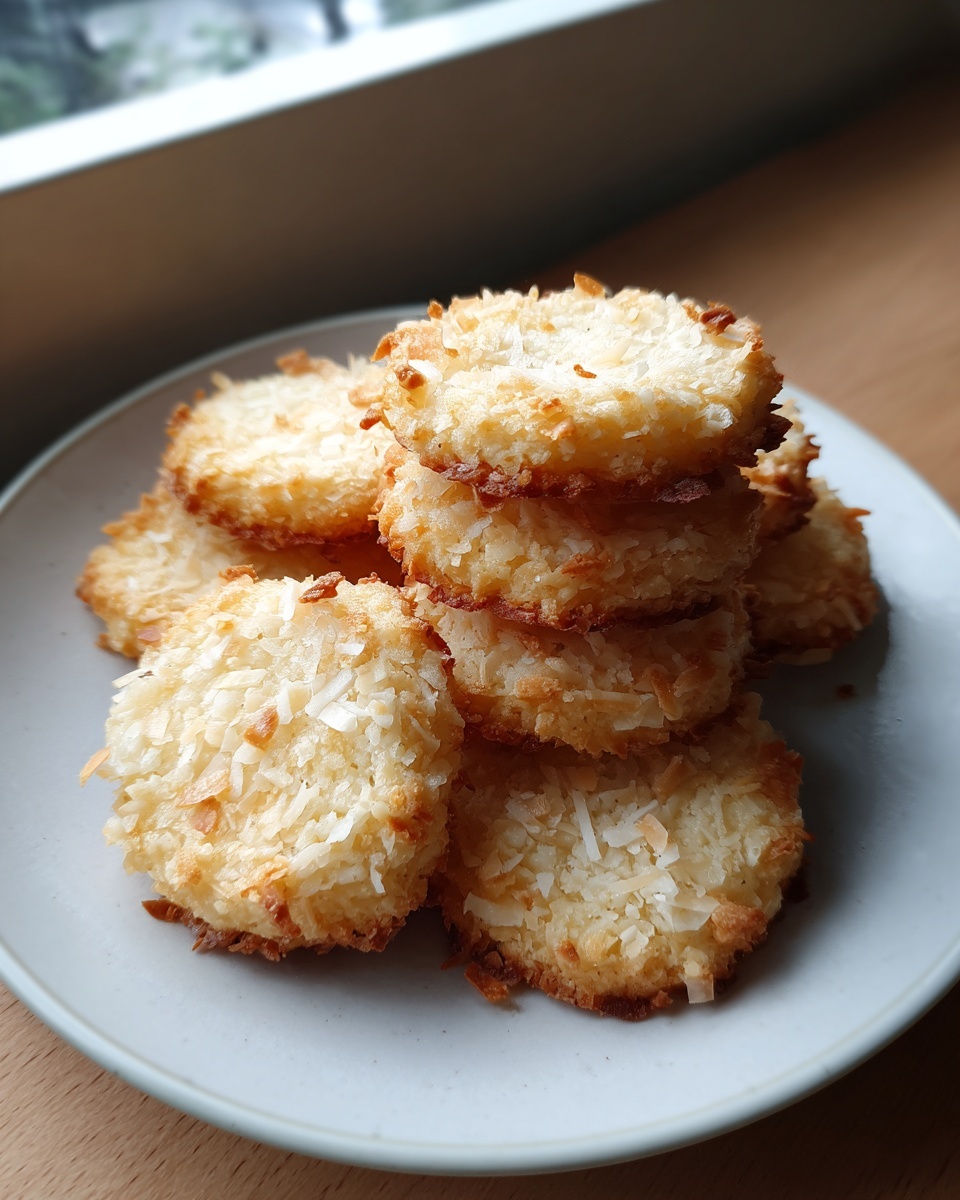
Storage & Reheating Instructions for Simple Keto Coconut Biscuits
Baking keto treats means we usually make smaller batches because we don’t want to have a ton of tempting sweets hanging around the house, right? But if you manage to have leftovers of these simple keto coconut biscuits (which let’s be honest, takes serious willpower!), storage is super easy. Because these are naturally high in fat from the coconut oil and eggs, they tend to stay moist longer than traditional flour-based cookies.
The best way to keep them is absolutely airtight. I use glass containers, layering them with a small piece of parchment paper between layers so they don’t stick together once they cool completely. Store them on the counter at room temperature, and they should stay fresh and chewy for about four to five days max. That’s usually more than enough time for a couple of delicious, high-fat snacks!
If you made a huge batch and know you won’t get through them in a week, definitely pop them in the freezer! You can freeze them in a single layer on a small cookie sheet first—just until they are solid—and then transfer them all to a heavy-duty freezer bag. They last beautifully for up to three months this way, and you don’t even have to thaw them if you’re in a hurry. Just let them sit on the counter for about 15 minutes, or pop them into a warm oven for three minutes if you want that ‘freshly baked’ texture again. Easy peasy!
Troubleshooting Common Issues with Keto Coconut Cookies
Look, sometimes even the simplest recipes have hiccups, especially when we’re baking with ingredients like coconut flour that behave so differently from wheat flour. Don’t you worry one bit if your first batch of keto coconut cookies isn’t picture-perfect right out of the gate. That’s why I always include this section—we’re figuring this out together, just like you would in my kitchen!
When you’re combining the wet and dry ingredients, the dough can sometimes feel completely off. Baking with high fat and low carb ingredients like this one requires constant small adjustments. It’s less about rigid rules and more about reacting to what the dough is telling you.
My Dough is Too Wet and Won’t Hold Its Shape!
This is probably the most common issue I hear about! Because eggs can vary in size and our coconut oil might liquefy differently depending on how warm your kitchen is, sometimes the dough ends up a little slack. If you try to drop a spoonful onto the sheet and it immediately spreads out into a puddle, it’s too wet.
Don’t panic and don’t add more eggs! The fix here is simple: add more bulk. Gently stir in just one extra tablespoon of coconut flour at a time. Coconut flour is incredibly absorbent, so you might only need a tiny amount to firm it up enough. Mix it gently until it’s holding its shape easily when you scoop it. This little modification will give you the structure you need for nicely formed cookies.
The Cookies Came Out Too Crumbly or Dry
On the flip side, maybe you measured your coconut flour a little too enthusiastically with a heaping cup, or perhaps your eggs were extra large. If your dough stiffens up almost immediately and breaks apart when you try to scoop it, it’s too dry. This is where we need a bit of moisture and binding power back in there.
Remember that crucial tip from the notes section? If the dough is too dry, you need an extra binder or fat source. The best solution here is stirring in one extra egg yolk. The yolk adds fat and moisture without adding too much liquid volume, which helps bind those coconut shreds together. If you don’t have an extra yolk handy, a teaspoon of melted coconut oil can work in a pinch, but the yolk provides a richer texture for those keto coconut cookies.
My Cookies Aren’t Browning Enough on the Edges
If your cookies look perfectly pale after 15 minutes, don’t worry! Unlike cookies made with cane sugar, these low-carb options won’t caramelize deeply because we aren’t using regular sugar. However, if you want a little more golden color for visual appeal, you have two options.
- Check Your Sweetener: If you used pure erythritol, which browns less than monk fruit blends, consider switching to a blend next time, as the molasses solids in monk fruit help create color.
- Use the Broiler (Carefully!): If they look done but colorless, place the pan on the highest rack in your oven and turn the broiler on LOW for just 30 to 60 seconds. Watch them constantly—I mean constantly—because a minute under the broiler can go from golden to burnt in the blink of an eye!
Understanding the Nutrition of Your Keto Coconut Cookies
When you’re dedicated to eating keto, you live by the numbers, and that’s perfectly fine! Understanding what goes into those macros is how we stay confident in our snacking choices. Since we are relying on high-quality fats from coconut oil and eggs, these little treats are designed to keep you satisfied for hours, not spike your insulin.
Please keep in mind that these figures are estimates based on the exact ingredients listed in the recipe above, using a standard monk fruit/erythritol blend and no added chocolate chips. If you substitute ingredients, your final breakdown will change, so always run your preferred mix-ins through your favorite tracker if you need exact numbers!
Here’s the nutritional breakdown per single cookie (based on a yield of 12 cookies total):
- Calories: Approximately 165
- Total Fat: Around 15g (See? High fat is the name of the game here!)
- Total Carbohydrates: 6g
- Fiber: 4g (This is why our Net Carb count is so low!)
That math works out to just 2 Net Carbs per cookie. That’s a fantastic number for a satisfying, sugar-free sweet when you need something delicious but want to keep things strict. It’s proof that delicious baking and dietary goals can absolutely meet in the middle.
When you are looking for other ways to keep your diet satisfying without sacrificing flavor, I really recommend checking out my Keto White Chicken Chili. It’s a great savory option that keeps you firmly in the low-carb zone!
Serving Suggestions for Your No Sugar Added Coconut Sweets
Just because these are perfectly keto and no sugar added coconut sweets doesn’t mean they have to be eaten plain! While they are wonderful all by themselves—I often grab one straight off the cooling rack with my morning coffee—sometimes you want to elevate the experience a little bit. I love pairing these little flavor bombs with other things that fit right into our low-carb lifestyle.
Think about what balances that sweet, slightly tropical flavor. A dollop of full-fat whipped cream, maybe sweetened just a touch with liquid stevia, is always a winner. That adds even more creamy fat, which keeps you feeling full and satisfied until your next meal.
If you are having these after dinner, try pairing them with a perfectly brewed hot beverage. A hot cup of unsweetened herbal tea really lets the vanilla and coconut shine through. And if you need a break from rich, fatty keto meals and just want something creamy and comforting, maybe try my recipe for best creamy fluffy mashed potatoes later in the week for a savory contrast. But for a sweet treat, stick to the coffee or tea!
Honestly though, my favorite way to enjoy these cookies is right out of the oven (after they’ve cooled down enough to handle, of course!) with one hand, and a big glass of ice-cold unsweetened almond milk in the other. It’s such a simple pairing, but the coolness of the milk against that slightly browned, chewy edge is just perfection. Enjoy every bite knowing you made something delicious and perfectly healthy!
Share Your Experience Making Keto Coconut Cookies
Well, that’s it! You now have everything you need to whip up a batch of these deeply satisfying, low-carb keto coconut cookies. My belief is that the best memories aren’t made staring at ingredient lists, but actually enjoying the finished product with people you love—or sometimes, just sneaking one while the rest of the house is asleep!
Now that you’ve baked these beauties, I really want to hear from you. Did you love the chewy texture? Did you add those sugar-free chocolate chips? Did you find a brilliant small modification that made them absolutely perfect for your family?
Please take a moment and leave a star rating right below this post. It helps other home cooks know this recipe is worth their time! If you run into any snags or just want to share a victory, use the comments section below. It acts just like my email inbox, and I genuinely read every single one. If you need to reach me directly with a detailed question about ingredient substitutions or anything else about the site, my contact page is always open over here.
Happy baking, and I can’t wait to see you pull off these fantastic, fast keto coconut treats!
Print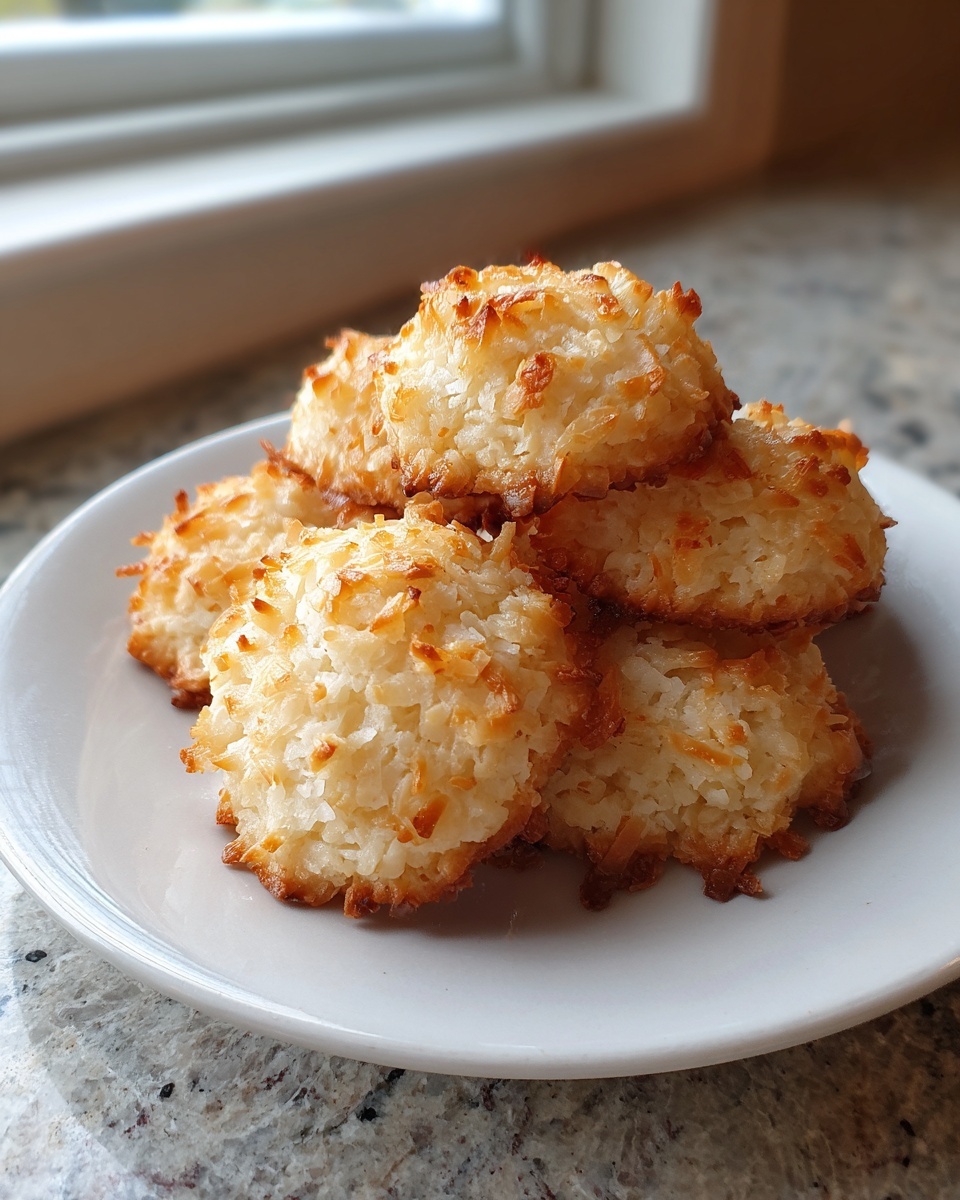
Simple Keto Coconut Cookies (Low Carb & Sugar Free)
Make these easy, chewy keto coconut cookies using simple ingredients. They are high in fat, low in net carbs, and perfect for a quick sugar free snack.
- Prep Time: 10 min
- Cook Time: 15 min
- Total Time: 25 min
- Yield: 12 cookies 1x
- Category: Dessert
- Method: Baking
- Cuisine: American
- Diet: Gluten Free
Ingredients
- 1 cup unsweetened shredded coconut
- 1/2 cup coconut flour
- 1/2 cup erythritol or monk fruit blend sweetener
- 1/4 cup melted coconut oil
- 2 large eggs
- 1 teaspoon vanilla extract
- 1/2 teaspoon baking powder
- Pinch of salt
Instructions
- Preheat your oven to 350°F (175°C). Line a baking sheet with parchment paper.
- In a medium bowl, combine the dry ingredients: shredded coconut, coconut flour, sweetener, baking powder, and salt. Mix well to break up any clumps in the coconut flour.
- In a separate small bowl, whisk together the melted coconut oil, eggs, and vanilla extract until smooth.
- Pour the wet ingredients into the dry ingredients. Stir until a thick dough forms. The dough will be sticky.
- Drop rounded tablespoons of dough onto the prepared baking sheet, leaving about 2 inches between each cookie. You can gently press them down slightly with the back of a spoon if you prefer flatter cookies.
- Bake for 12 to 15 minutes, or until the edges are lightly golden brown.
- Let the keto coconut cookies cool on the baking sheet for 5 minutes before transferring them to a wire rack to cool completely. They firm up as they cool.
Notes
- For a nut-free option (since coconut is technically a drupe, not a tree nut), this recipe works well as is. If you need to avoid coconut entirely, substitute the coconut flour with 1/2 cup of almond flour, but note this will slightly increase the carb count.
- If you prefer a chewier cookie, reduce the baking time by 1 minute.
- You can add 1/4 cup of sugar-free chocolate chips for a fat bomb coconut treat variation.
- If the dough seems too dry, add one extra egg yolk. If it is too wet, add one extra tablespoon of coconut flour.
Nutrition
- Serving Size: 1 cookie
- Calories: 165
- Sugar: 1
- Sodium: 45
- Fat: 15
- Saturated Fat: 13
- Unsaturated Fat: 2
- Trans Fat: 0
- Carbohydrates: 6
- Fiber: 4
- Protein: 3
- Cholesterol: 40