

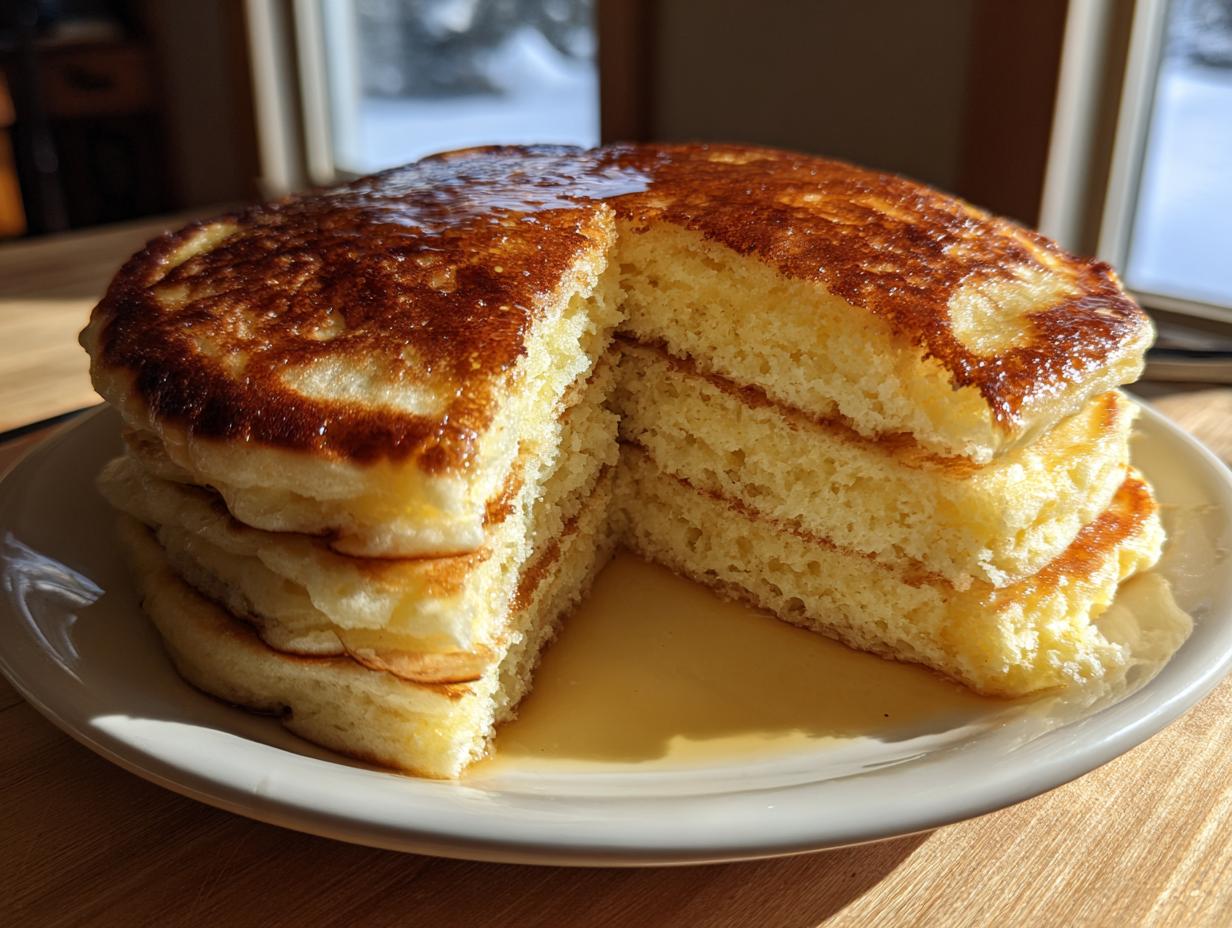
Doesn’t every weekend deserve a breakfast that feels like a special occasion? So often, when we try to make thick, fluffy pancakes at home, they end up thin, dense, and frankly, a little sad. Trust me, I’ve analyzed countless recipes over the years, digging into the science behind why some pancakes puff up like little clouds while others just spread out flat.
That’s where I come in. My goal here at Taste This Plate is to take those seemingly complicated textures—the kind you usually only find at a great brunch spot—and break them down into simple, repeatable steps you can nail in your own kitchen. This particular recipe is the result of a lot of kitchen testing, focusing purely on ratios and technique to ensure you get that perfect height and airy lift every single time. If you’re ready to transform your mornings, let’s dive into making the best homemade pancakes!
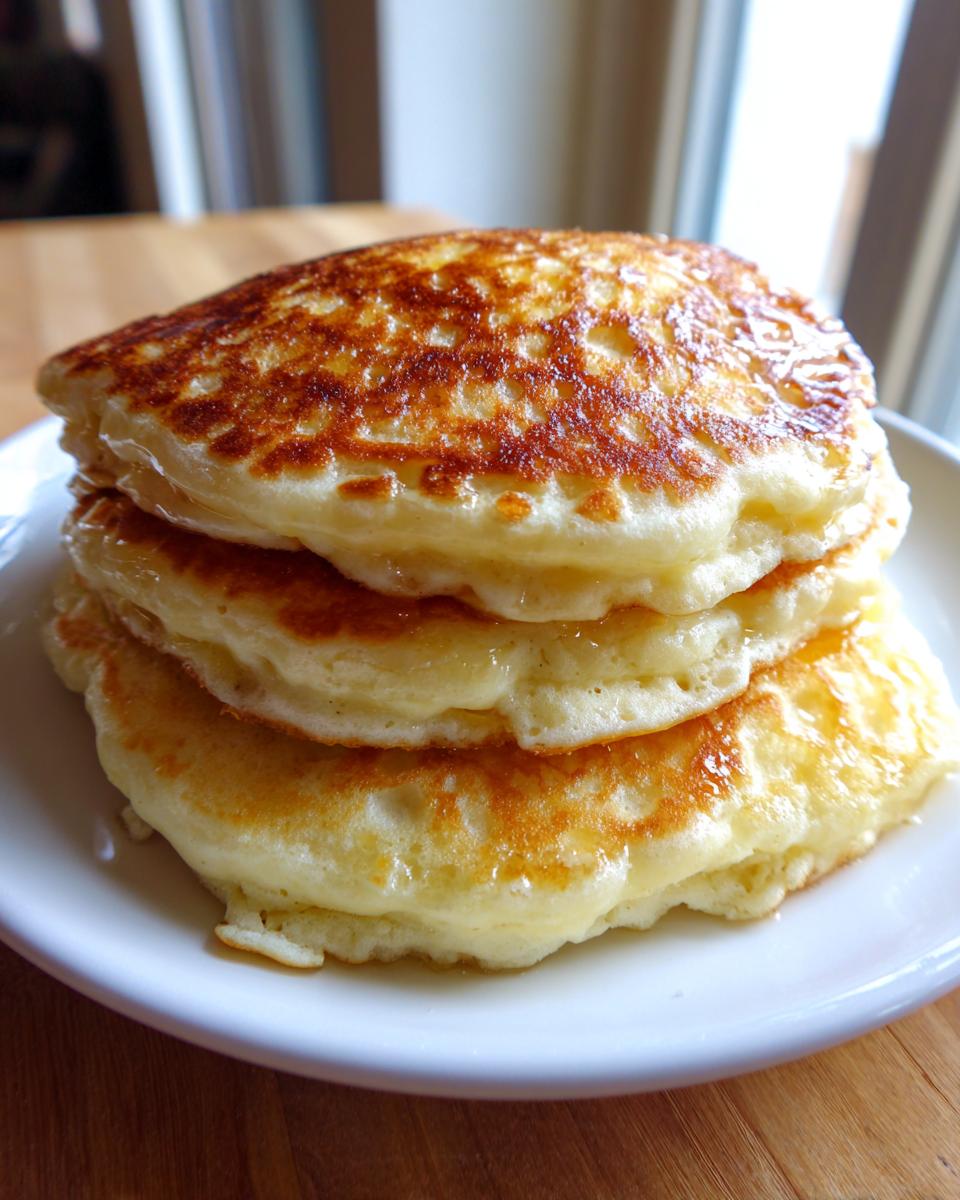
For more ideas to start your day right, check out our full collection of Breakfast & Brunch favorites.
- Why This is the Best Fluffy Pancake Recipe You Will Ever Make
- Gathering What You Need for Fluffy Pancakes
- Step-by-Step Instructions for Perfect Fluffy Pancakes
- Expert Tips for Mastering Buttermilk Fluffy Pancakes
- Variations: Taking Your Fluffy Pancakes to the Next Level
- Serving Suggestions for Your Weekend Brunch Ideas
- Storing and Reheating Your Fluffy Pancakes
- Frequently Asked Questions About Making Fluffy Pancakes
- Understanding the Nutrition in These Easy Fluffy Breakfasts
- Share Your Perfectly Stacked Pancakes
Why This is the Best Fluffy Pancake Recipe You Will Ever Make
I know everyone claims theirs is the ‘best,’ but this recipe actually delivers on the promise of achieving those stunning, restaurant-quality results. We aren’t adding any fancy powders or strange flours here. The real secret to getting tall fluffy pancakes that stack beautifully is paying attention to just a couple of simple moments in the mixing process.
This is what separates a good morning breakfast from an unforgettable one. If you want the Best Homemade Pancakes that actually look like they came from a professional griddle, focus on the air we are incorporating!
The Secret to Tall Fluffy Pancakes: Technique Over Ingredients
The magic really happens when we treat the eggs differently. We pull the yolks out early so they mix smoothly with the wet ingredients, but the whites? We whip those up separately until they form stiff peaks. Think of that airy meringue as tiny lift cushions throughout your batter!
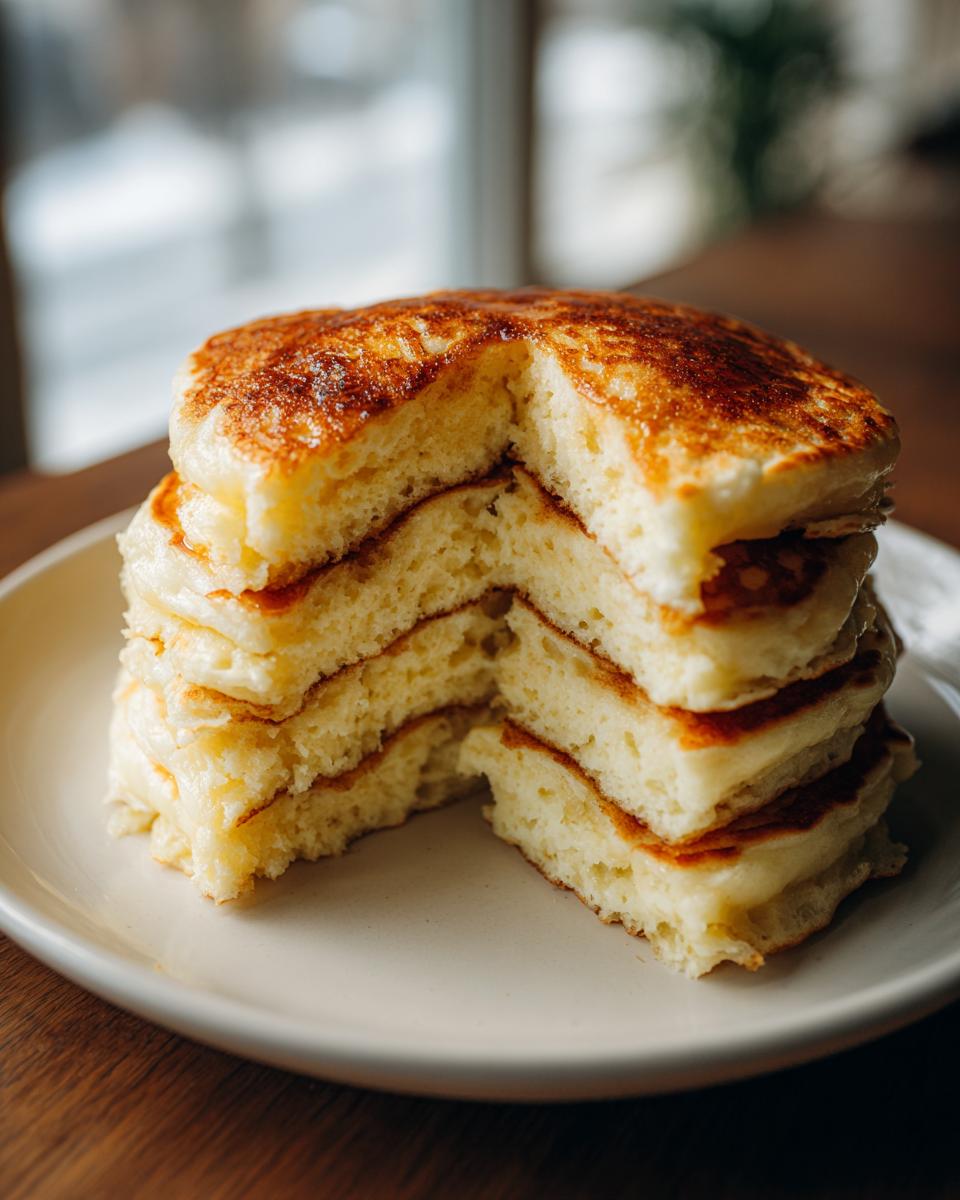
You have to work those whites in gently, folding them carefully. It’s this commitment to trapping air that guarantees high, light, and airy results. Don’t worry; I’ll walk you through the folding technique so you don’t deflate all that wonderful volume.
Gathering What You Need for Fluffy Pancakes
One of my main goals here is making sure you don’t have to run to a specialty shop! These ingredients for your fluffy pancakes are standard things I bet you already have in your pantry right now—no weird sourcing needed for this light and airy breakfast.
Essential Ingredients for Light and Airy Breakfast
When you gather these items, make sure those two large eggs are nicely separated, our buttermilk is at room temperature if you can manage it, and we need four tablespoons of good unsalted butter melted down before we start mixing anything.
Step-by-Step Instructions for Perfect Fluffy Pancakes
Alright, let’s get down to the business of building height! These instructions move fast, so gather everything first. Remember, the difference between an okay pancake and one that makes people say ‘Wow’ is mostly in how you treat the mix. We are aiming for fluffy pancakes that practically float off the plate.
Mixing the Batter: Avoiding Overworking for Fluffy Pancakes
First thing, make sure your dry ingredients—flour, sugar, baking powder, baking soda, and salt—are whisked really well together. That even distribution is key for lift! Then, mix your wet ingredients separately, including the egg yolks. When you combine the wet and the dry, keep your hand moving *just* until everything is damp. Seriously, if you see a few lumps remaining, stop mixing immediately! Lumps are a friend here; they mean you haven’t activated too much gluten, which is what makes pancakes tough instead of light.
Incorporating Air: The Key to Cloud Like Pancakes
This is the part that separates the amateurs from the pros! While the batter rests for just a moment, beat those reserved egg whites until they hold stiff peaks. Don’t be timid with the mixer here—we want them firm! Now, gently add about a third of those stiff whites into your lumpy batter base and stir until it just combines. This first addition loosens things up. Then, carefully fold in the rest. Use a rubber spatula and cut down the middle, sweeping up the side of the bowl. We’re trying to preserve every single bubble to create those wonderful cloud like pancakes.
Griddling for Perfectly Stacked Pancakes
Get that griddle nice and warm over medium-low heat. This is critical for thick pancakes. If it’s too hot, the outside burns before the middle cooks, and you won’t get that beautiful rise! Lightly coat it with butter—your griddle is ready when a drop of water sizzles gently, not evaporates with a harsh hiss. Pour about 1/3 cup of batter for each pancake. Don’t press them down when they bubble up; that just chases the air right out!
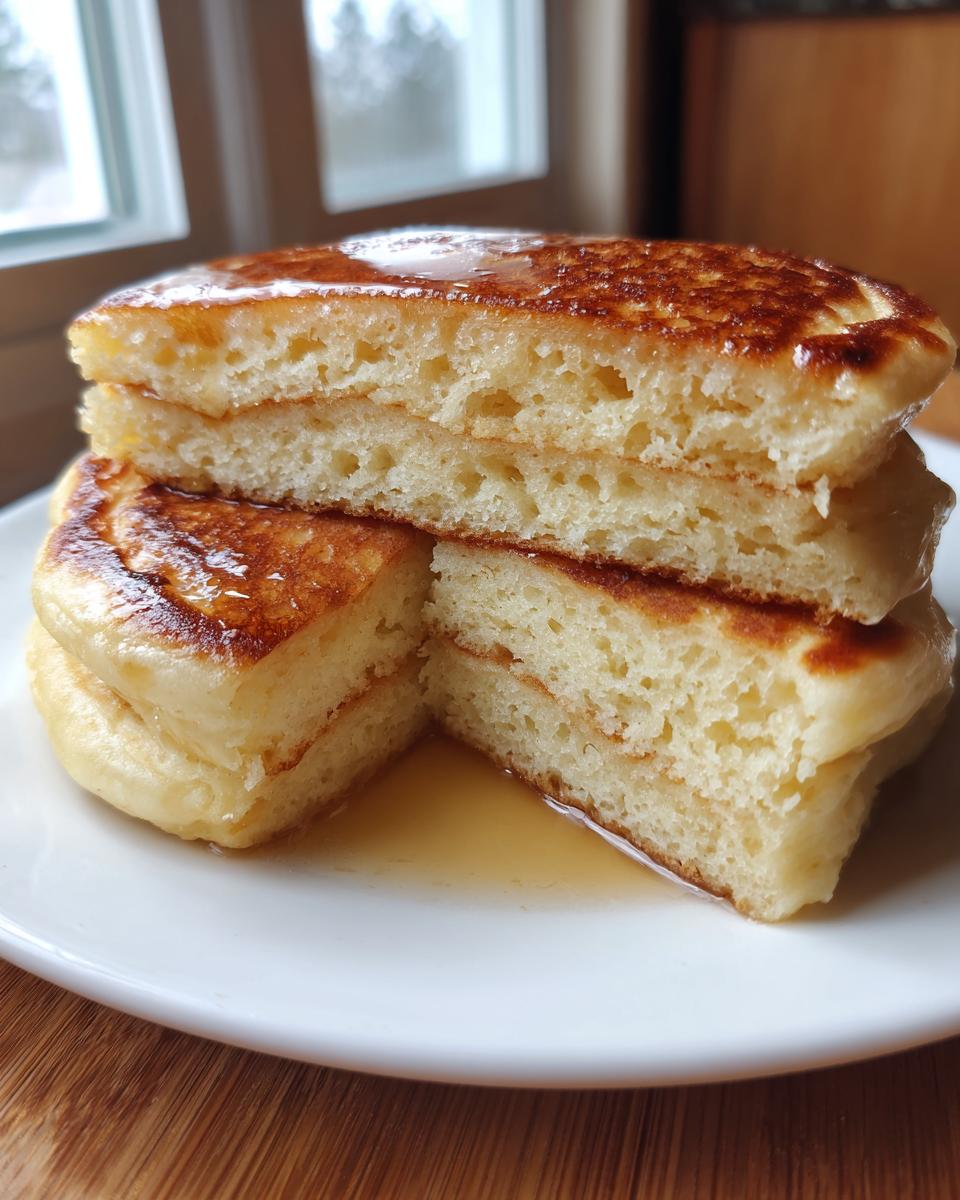
Let them cook for 3 or 4 minutes until bubbles appear on top and the edges look set. Flip carefully and cook for another couple of minutes until golden. If you’re making a big batch, keep the finished ones warm on a tray in a low oven while you finish the rest. If you’re looking for more inspiration for your morning spread, you might love this Blueberry Breakfast Quesadilla!
Expert Tips for Mastering Buttermilk Fluffy Pancakes
We’ve done the hard work of testing this recipe so you get flawless results, but a few little tricks from my notes can make these buttermilk fluffy pancakes even better! These aren’t just suggestions; these are proven methods for achieving the best possible texture, especially if you want really thick pancakes.
First off, for maximum fluff, let that finished batter rest for about five minutes before it even hits the griddle. It gives the leavening agents time to really get to work, boosting that height!
Also, the temperature of your buttermilk really matters. If you can plan ahead, use room temperature buttermilk. When the cool acid hits the baking soda, you get the best, quickest reaction, which translates directly into better lift.
If you’re looking for other great flavor pairings to try later in the week, check out my recipe for Avocado Toast with Feta while you’re waiting for your next brunch idea!
Making Your Own Buttermilk Substitute
Now, what if the store is out of buttermilk, or you just don’t want to buy a whole carton for one batch? Don’t panic! You absolutely do not need to run out and grab more. We have a super easy fix that I use all the time.
Take two cups of whole milk and stir in two tablespoons of either white vinegar or fresh lemon juice. That’s all there is to it! You just need to let that sit on the counter for about five minutes. You’ll see it start to curdle slightly, and voilà—you have homemade buttermilk ready for your batter. It reacts perfectly with the baking soda to give you that desired tang and lift in your easy fluffy breakfast.
Variations: Taking Your Fluffy Pancakes to the Next Level
We’ve mastered the classic American version—those thick, cloud-like beauties that stack perfectly. But you might have noticed online that everyone is obsessed with those towering, jiggly Japanese pancakes. And honestly, I get it! They look like pure magic. Since we’ve already nailed the basic technique for great fluffy pancakes here, taking on the challenge of the Japanese style is the perfect next step for your weekend brunch adventures.
If you’re craving something truly show-stopping that defies expectations, you definitely need to explore this variation. They require a bit more patience, but trust me, the ‘melt in your mouth breakfast’ experience is totally worth the extra elbow grease!
Introducing the Japanese Pancake Technique
The Japanese style, often called Soufflé Pancakes, is different because it relies almost entirely on folding that whipped egg white meringue into the batter very carefully. Because they cook slower and hold so much air, they get incredibly tall and delicate—they almost wobble when you touch them!
It’s a more involved process than our standard recipe because you often need ring molds to help them maintain that height while cooking. If you want to see what I mean about that incredible texture, you can check out a great example of that technique here: Japanese Fluffy Pancakes. It takes our concept of incorporating air and turns it up to eleven!
Serving Suggestions for Your Weekend Brunch Ideas
Once you have that perfect pile of golden, tall pancakes staring back at you, the fun part begins: deciding what to put on top! These pancakes already have a wonderful, melt in your mouth breakfast quality thanks to the buttermilk and the airy folding technique we used.
Don’t let your beautiful stack get weighed down! Simple is best here. A light dusting of powdered sugar looks elegant, or you can go for fresh berries—raspberries and blueberries look stunning against the gold color. A drizzle of warm maple syrup is classic, of course. If you are looking for something refreshing to drink alongside your weekend brunch ideas, try making a pitcher of my Sparkling Honey Lemonade Soda!
Remember to serve them immediately so everyone gets to enjoy that incredible fluffy texture right away.
Storing and Reheating Your Fluffy Pancakes
Even though these fluffy pancakes are best eaten straight off the griddle, sometimes you just make too much—which is not a bad problem to have, let’s be honest! I mentioned earlier that keeping the finished batch warm on a baking sheet in a 200°F oven works perfectly while you finish up the rest. That preserves that light texture without drying them out.
But what about leftovers for the next day? You want to make sure they still taste like a homemade treat and not like cardboard, right?
For storage, let the pancakes cool completely first. If you stack them while they are warm, the moisture gets trapped, and you’ll end up with soggy bottoms. Once cool, wrap a few pancakes together tightly in plastic wrap. You can keep them in the fridge for up to three days. They also freeze wonderfully; just add a tiny square of parchment paper between each one before wrapping them tightly in foil, then toss that whole bundle into a freezer bag.
When it comes time to reheat, avoid the microwave if you can, because it just tends to heat unevenly and can ruin that beautiful airy structure. Popping them into a toaster oven or a conventional oven set to about 350°F for just a couple of minutes works miracles. They warm right up, and you nearly recapture that fresh-off-the-griddle texture. It’s my favorite way to enjoy leftovers for an **easy fluffy breakfast**!
Frequently Asked Questions About Making Fluffy Pancakes
Sometimes people have a question floating around that isn’t covered in the main recipe steps, and that’s totally normal! This recipe has been tested so many ways, but I know you might have specific tools or ingredients on hand. Here are the most common things I get asked about when readers are trying to achieve those stunning, thick pancakes and that ultimate melt in your mouth breakfast experience.
Can I use regular milk instead of buttermilk in this fluffy pancake recipe?
Absolutely, you can! Don’t let a missing ingredient stop your morning breakfast recipes! If you look back up in the expert tips section, I shared my go-to trick for making buttermilk right in your kitchen. You just need two cups of whole milk and two tablespoons of white vinegar or lemon juice. Let it sit for five minutes until it curdles a bit. That reaction with the baking soda is what helps give the pancakes that necessary lift and slight tang, so using the substitute works perfectly for that light and airy breakfast texture we are aiming for!
How do I stop my pancakes from deflating after flipping?
This happens if the heat is too high or if you’re tempted to play with them too much! The reason they puff up is that air is trapped inside when they hit the griddle. If the griddle is scorching hot, the outside sets instantly before that inner air has time to fully expand. That’s why we use medium-low heat—it allows the inside structure to cook and firm up slowly. Also, when those bubbles appear, that’s your signal to flip, but *never* press down on the pancake with your spatula after you flip it! You are just squeezing the wonderful air right out.
What is the best way to achieve perfectly round, thick pancakes?
If you had any lumps in your batter—which I told you was fine!—it might mean your edges aren’t perfectly smooth, but that’s okay! The roundness really comes down to your measuring technique and the rest time.
- For thickness, make sure you let that batter rest for those five crucial minutes after folding in the egg whites.
- For shape, use a measuring cup, like a 1/3 cup measure, for every pancake you pour. That consistent amount ensures they all cook evenly and gives you beautiful, perfectly stacked pancakes when you’re done.
If you’re looking for other reliable recipes that deliver predictable, fantastic results every time, you’ve got to try my Bacon Gruyere Egg Bites next!
Understanding the Nutrition in These Easy Fluffy Breakfasts
I always get asked about the bigger picture when it comes to weekend treats. While these easy fluffy breakfasts are definitely centered around flavor and that glorious texture, I think it’s helpful to know what you’re stacking up on your plate! Since we use accessible ingredients like flour and real butter, these numbers are based on two of our large, thick pancakes, which is a pretty satisfying portion size for brunch.
Keep in mind these are just estimates based on the standard ingredients listed. If you use a lighter syrup or load up on high-fat toppings, those numbers will change, naturally. But for the pancakes themselves, here’s the general breakdown:
- Serving Size: 2 pancakes
- Calories: 350
- Sugar: 10g
- Sodium: 450mg
- Fat: 15g (with 8g saturated fat)
- Carbohydrates: 45g
- Protein: 12g
It’s a good mix of carbs for energy to get your morning moving and a decent bit of protein to keep you satisfied until lunch. That’s the beauty of making them from scratch; you control exactly what goes into achieving those cloud like pancakes!
Share Your Perfectly Stacked Pancakes
That’s it! You’ve officially made stacks of the fluffiest, lightest pancakes you’ll ever have outside of a fancy café. I truly hope these turn out wonderfully for you and become a staple for your weekend mornings. I absolutely love seeing the results when you try my recipes!
Did they puff up perfectly? Did you try the buttermilk substitute? Tell me everything in the comments below! I read every single one, and your feedback helps me refine these recipes even more for everyone else.
If you snapped a photo of your gorgeous, perfectly stacked pancakes, please tag us on social media! It makes my day to see your lovely creations in your own kitchens. You can always reach out directly through the contact page if you have any last-minute questions or need a little encouragement!
PrintThe Ultimate Thick and Fluffy Pancakes
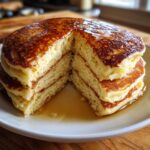
Make thick, light, and airy pancakes from scratch. This recipe uses simple ingredients and a specific technique to achieve tall, café-quality results perfect for your weekend brunch.
- Prep Time: 15 min
- Cook Time: 15 min
- Total Time: 30 min
- Yield: About 10 pancakes 1x
- Category: Breakfast
- Method: Griddling
- Cuisine: American
- Diet: Vegetarian
Ingredients
- 2 cups all-purpose flour
- 2 tablespoons granulated sugar
- 4 teaspoons baking powder
- 1 teaspoon baking soda
- 1 teaspoon salt
- 2 large eggs, separated
- 2 cups buttermilk
- 4 tablespoons unsalted butter, melted
- 1 teaspoon vanilla extract
- Butter or oil for the griddle
Instructions
- In a large bowl, whisk together the flour, sugar, baking powder, baking soda, and salt. This dry mix is key for lift.
- In a separate medium bowl, whisk the egg yolks, buttermilk, melted butter, and vanilla extract until combined.
- Pour the wet ingredients into the dry ingredients. Mix gently with a whisk or spatula until just combined. Do not overmix; a few lumps are fine. Overmixing develops gluten and makes pancakes tough.
- In a clean, dry bowl, beat the egg whites with an electric mixer until stiff peaks form. This step creates the cloud-like texture.
- Gently fold one-third of the beaten egg whites into the batter to lighten it. Then, gently fold in the remaining egg whites until no white streaks remain. Work slowly to keep the air in the batter.
- Heat a griddle or large non-stick skillet over medium-low heat. Lightly grease it with butter or oil. The heat should be low enough that a drop of water sizzles slowly.
- Pour about 1/3 cup of batter onto the hot griddle for each pancake. Do not press down on them.
- Cook for 3 to 4 minutes until bubbles appear on the surface and the edges look set.
- Flip the pancakes carefully and cook for another 2 to 3 minutes until golden brown and cooked through.
- Serve immediately stacked high with your favorite toppings.
Notes
- For extra thick pancakes, let the finished batter rest for 5 minutes before cooking.
- Use room temperature buttermilk for the best reaction with the baking soda.
- If you do not have buttermilk, mix 2 cups of whole milk with 2 tablespoons of white vinegar or lemon juice and let it sit for 5 minutes before using.
- Keep cooked pancakes warm on a baking sheet in a 200°F oven while you finish the batch.
Nutrition
- Serving Size: 2 pancakes
- Calories: 350
- Sugar: 10
- Sodium: 450
- Fat: 15
- Saturated Fat: 8
- Unsaturated Fat: 7
- Trans Fat: 0
- Carbohydrates: 45
- Fiber: 2
- Protein: 12
- Cholesterol: 110